💡 Key Takeaways
- Beef tallow is rendered cattle fat, historically used for cooking, frying, pastry, soap, candles, and preservation depending on period and place.
- Its comeback is driven by nostalgia, traditional-fat branding, seed-oil backlash, nose-to-tail cooking, and high-heat frying culture.
- The strongest tallow story is not a health claim; it is a story about how old fats move in and out of fashion as industry, taste, and politics change.
- Modern tallow debates reveal how cooking fats become symbols of authenticity, masculinity, sustainability, and distrust of industrial food.
What Is Beef Tallow?
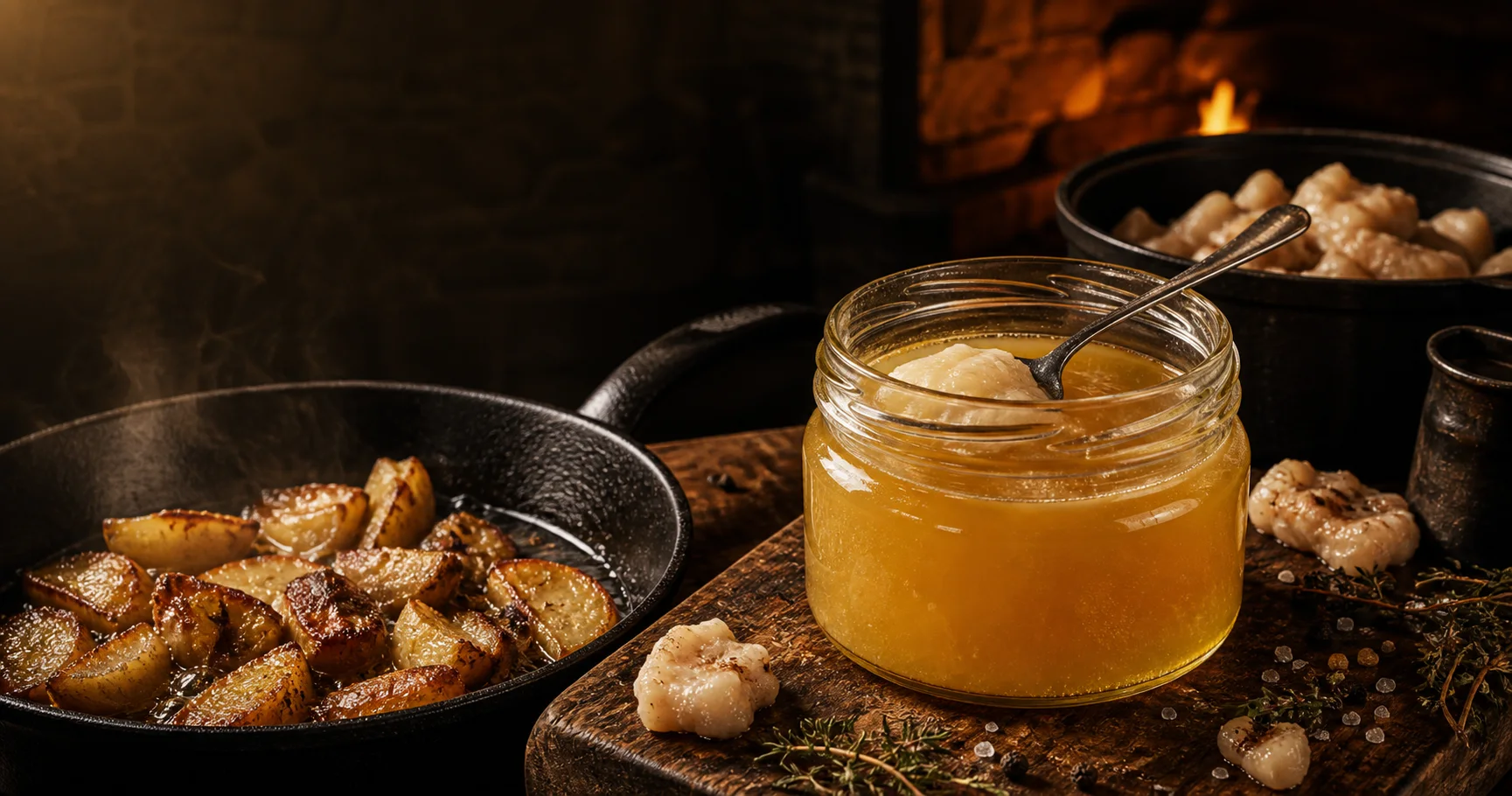
Beef tallow is rendered cattle fat. Rendering means gently heating fat so it separates from tissue, moisture, and impurities, leaving a stable cooking fat. Historically, tallow could be used for frying, roasting, pastry, preservation, candles, soap, and industrial purposes [3][4].
That wide use matters. Tallow was not a niche wellness ingredient. It was a practical product of animal economies. When a society raised cattle, it had to decide what to do with meat, bones, hides, milk, and fat. Tallow turned fat into storage, heat, light, and flavor.
Rendering, Pemmican, and Old Fat Economies
Rendered animal fats helped people solve a basic food problem: fresh fat spoils, but clarified fat can last longer and cook at high heat. In many food systems, fats carried calories, preserved meats, enriched breads, fried potatoes, shortened pastry, and made lean foods satisfying. Pemmican, for example, used fat with dried meat and berries as a compact, energy-dense preservation food.
Tallow also crossed the boundary between kitchen and workshop. A household might cook with animal fat, but tallow could also illuminate rooms as candles or enter soapmaking. That made it part of the older world where food byproducts rarely stayed in one category.
Why Tallow Lost Ground
The decline of beef tallow was not caused by one event. Industrial vegetable oils, hydrogenated shortening, price, supply stability, changing nutritional advice, and mass food manufacturing all pushed many kitchens and restaurants away from rendered animal fats. Vegetable oils were easier to standardize and market, and they fit twentieth-century ideas about modernity and industrial cleanliness.
Fast-food history made the shift especially emotional. For some eaters, beef tallow is remembered through the flavor of earlier fried potatoes. Whether or not nostalgia is precise, it gives tallow a powerful cultural role: the fat that supposedly tasted like food before food became too engineered.
The Tallow Comeback
Whole Foods trend coverage for 2026 points to a wider return of traditional fats, including tallow [1][2]. According to FoodNavigator, citing Tastewise, beef tallow popularity rose about 106% year-over-year, the fastest-growing of the 2026 traditional-fat flavors [6]. The comeback sits at the intersection of nose-to-tail cooking, seed-oil skepticism, high-heat frying, ancestral-food aesthetics, and social media demonstrations of rendered fat in jars.
A source-led food-history page should avoid turning that into a health verdict. The stronger story is symbolic. Beef tallow now lets people perform tradition, thrift, flavor, and resistance to industrial food in one ingredient.
How Beef Tallow Is Used Today
Today beef tallow appears in fries, roast potatoes, seared steaks, fried chicken, pie crusts, tortillas, candles, soaps, and chef-driven nose-to-tail kitchens. Some restaurants use it for flavor; some home cooks use it for tradition; some online communities use it as an identity marker.
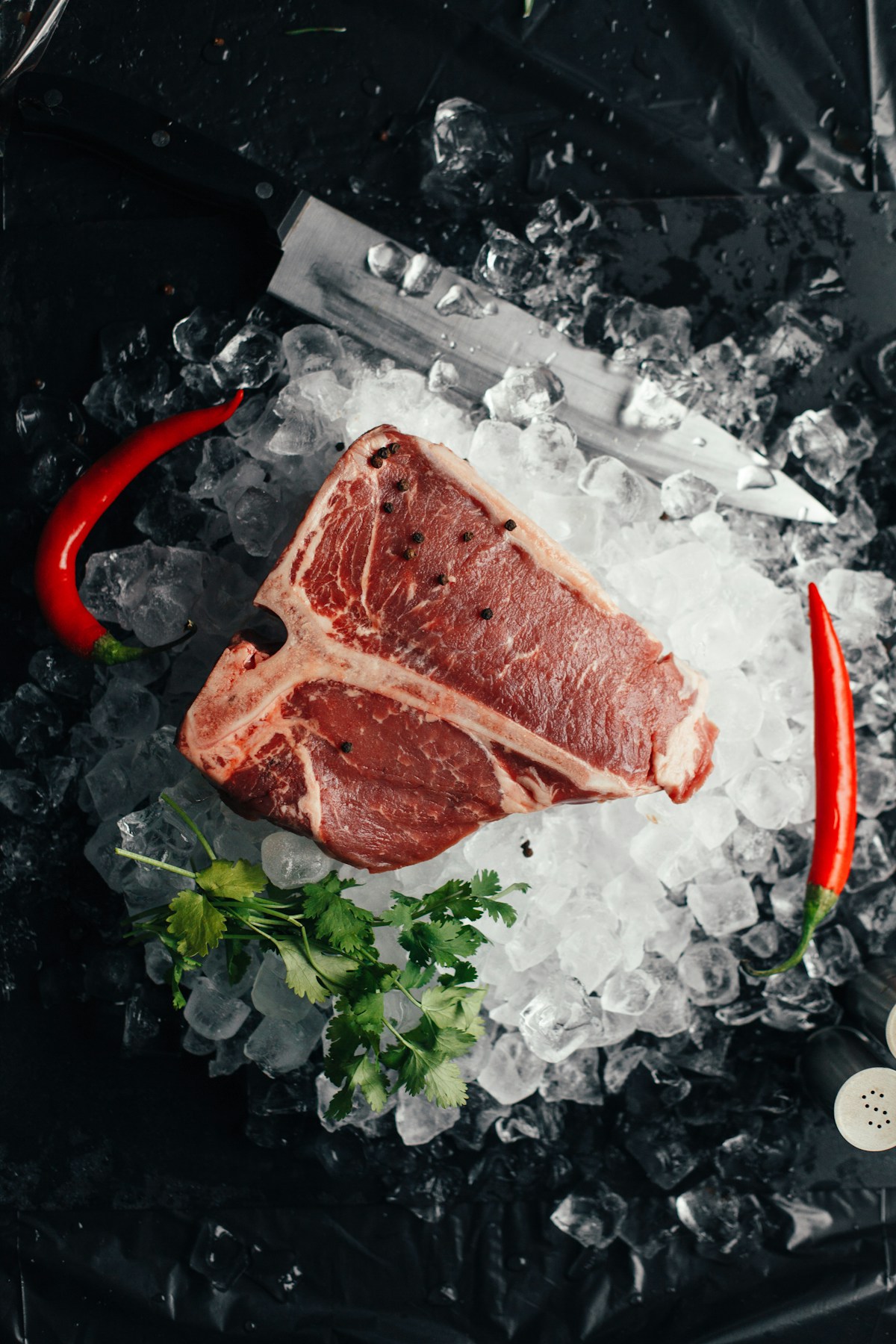
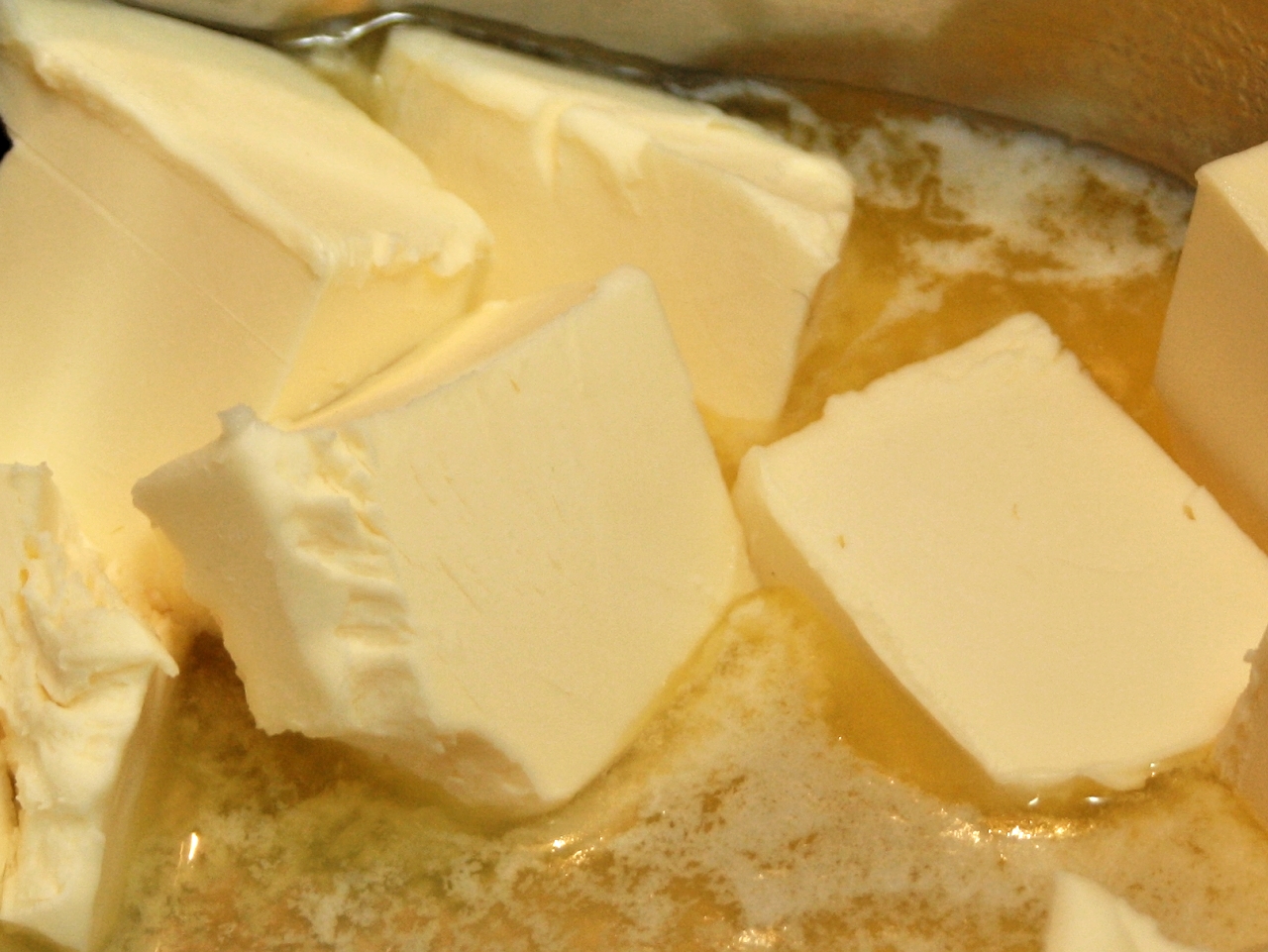
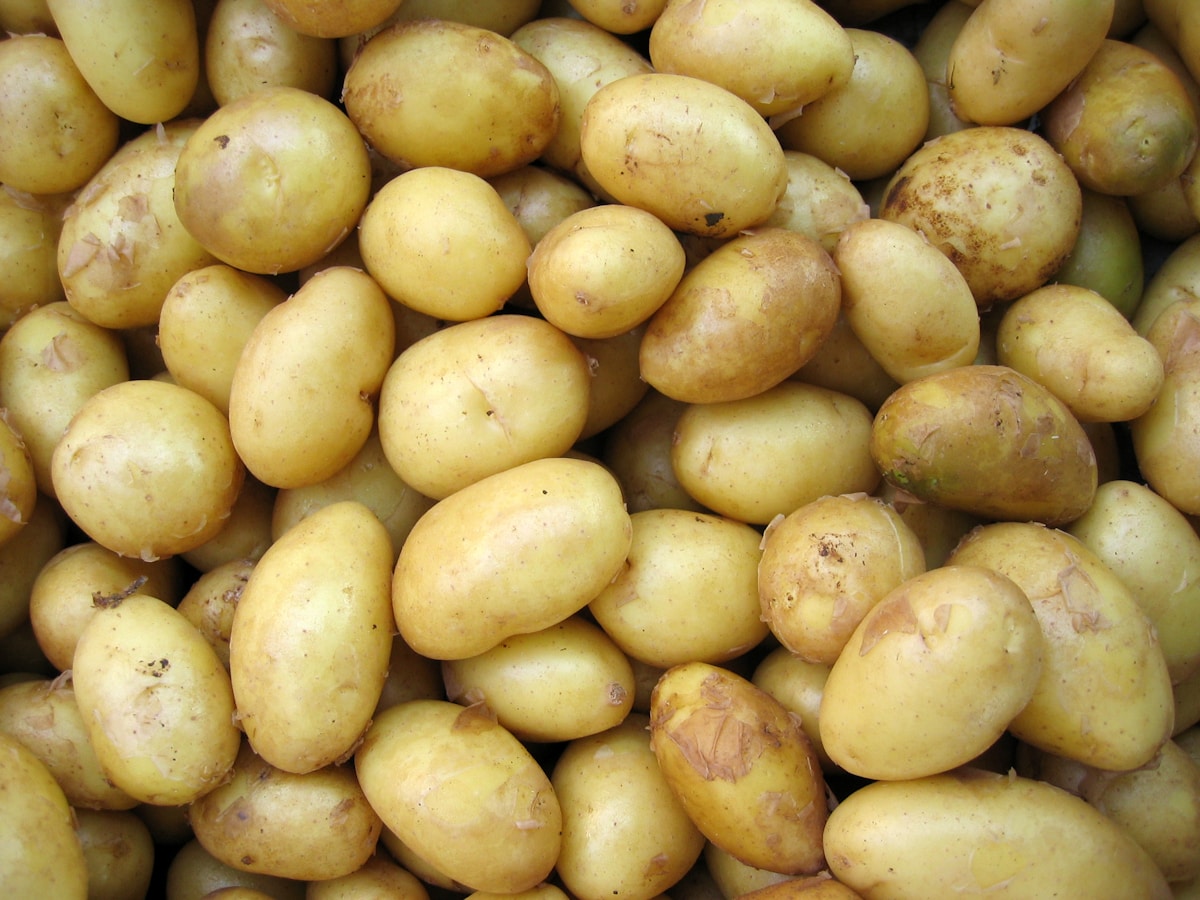
For this site, beef tallow links beef, butter, potato, fried chicken, barbecue, and hot dogs. It is an old fat with a new argument around it.
In the news
Recent 2026 food-culture notes that reference this article.
- Jul 18, 2026Smashed Potatoes Are Viral — the Potato Behind Them Is Centuries Older→
- Jul 4, 2026Tallow Fries: McDonald's to TikTok→
- Jul 4, 2026Duck Fat vs Tallow vs Schmaltz→
- Jul 3, 2026Indigenous North American Cooking Fats→
- Jul 3, 2026Nose to Tail: Fergus Henderson to TikTok→
- Jul 3, 2026Suet and Dripping in British Roast Culture→
- Jul 3, 2026Regenerative Ranching and the Better-Fat Narrative→
- Jul 3, 2026Whipped Tallow Butter: New Fat Format→
- Jul 3, 2026Lard vs Tallow vs Schmaltz vs Ghee→
- Jul 3, 2026The Edible Butter Candle Goes Viral — and the Butter Behind It Is 8,000 Years of History→
- Jul 2, 2026Beef Tallow Is Up 106% in 2026 — and It Is Riding 1,000 Years of Rendered-Fat History→
- Jun 28, 2026When Restaurants Switched to Seed Oils→
- Jun 27, 2026Offal and Nose-to-Tail on TikTok→
- Jun 24, 2026The Seed-Oil Debate Is a Culture War About 1990s Cooking Oil→
- Jun 23, 2026Tallow vs Seed Oil: What the 1,000-Year History Actually Says→
- Jun 22, 2026Beef Tallow Snacks Are a $1.1B Category — Built on a Fat McDonald's Dropped in 1990→
- Jun 17, 2026Duck-Fat Fries Went From Bistro Flex to American Menu Default→
- Jun 17, 2026Schmaltz Is the Ashkenazi Cooking Fat Behind the Traditional-Fat Comeback→
Historical Timeline
Animal fats are rendered for cooking, preservation, lighting, soap, and household uses in pastoral and urban food systems
Tallow remains important in pies, frying, candles, soap, military rations, and frontier preservation foods such as pemmican
Industrial vegetable oils, shortening, and changing nutrition advice reduce everyday reliance on rendered animal fats in many markets
Fast-food frying changes make beef tallow a nostalgia object in American food memory
Whole-animal cooking, seed-oil backlash, and social media revive beef tallow as a trendy traditional cooking fat
FoodNavigator and Tastewise report beef tallow popularity up about 106% year-over-year, leading the 2026 return of traditional fats
Evidence Explorer
Review the Source Trail
Inspect the article sources, scoped review credits, and copyable citation details without leaving the page.
Reviewed for Stated Scope
Sources Listed
Comments
Community comments are coming soon. Check back later to join the discussion!