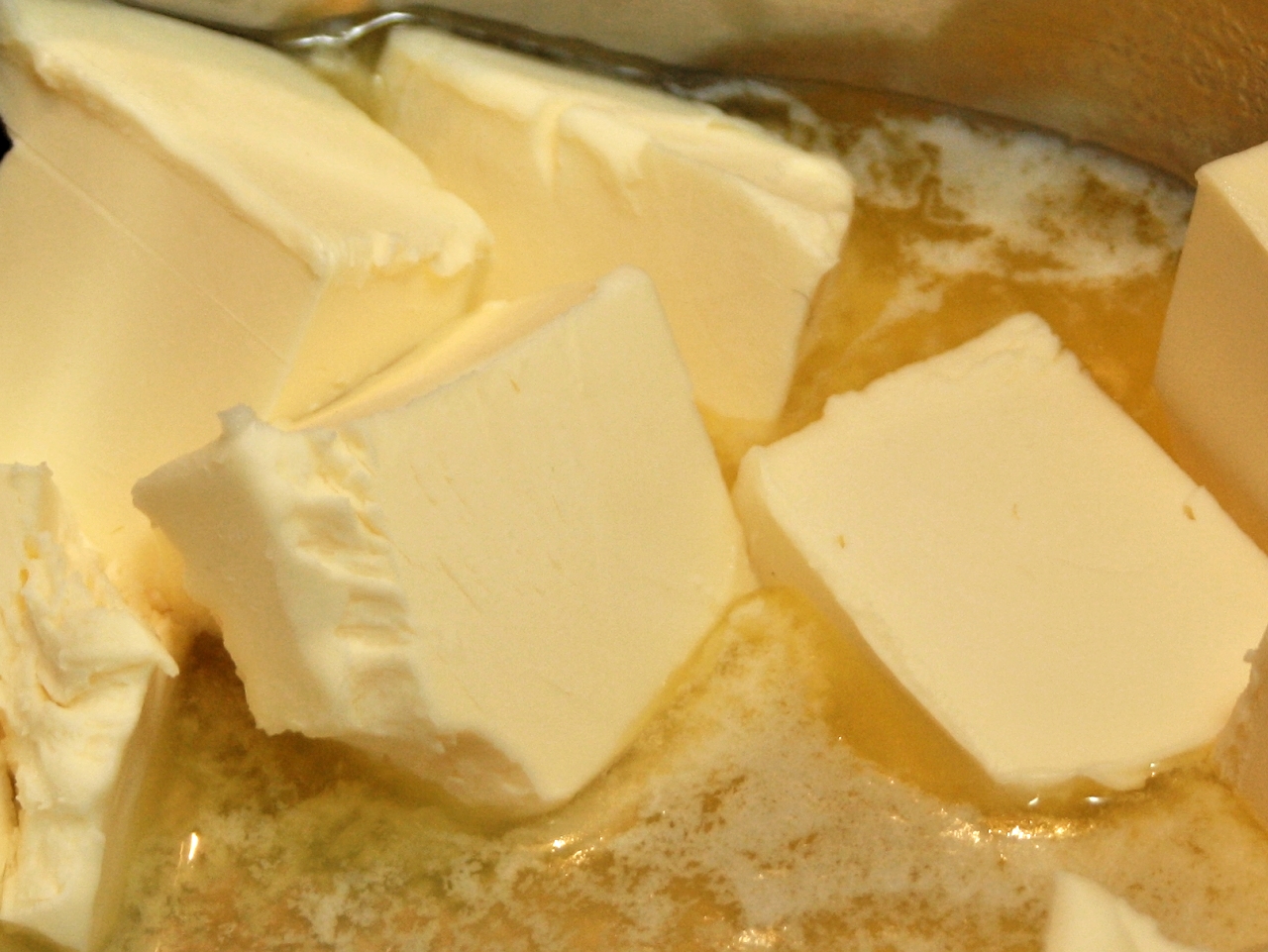
Ghee Is Back in Western Pantries — and It Was Never Just "Clarified Butter"
Ghee is clarified butter with a South Asian sacred and culinary life of its own. The 2026 traditional-fat boom is rediscovering a fat that never left Indian kitchens.
Ghee is butter cooked until water evaporates and milk solids brown and are strained away — a long-keeping fat central to South Asian cooking and ritual. The 2026 traditional-fat boom markets it as new to Western pantries, but it never left Indian kitchens. The story is sacred dairy craft meeting a global fat revival.
What's happening
Ghee jars are showing up beside tallow and cultured butter in 2026 traditional-fat coverage and cafe baking [1][2]. Western shoppers treat it as a high-heat, lactose-reduced butter alternative; South Asian cooks recognize an everyday and ceremonial staple.
The boom is a rediscovery for some markets, continuity for others.
The history behind it
In hot climates, fresh butter spoils quickly. Clarifying it into ghee — heating to remove water and milk solids — creates a stable cooking fat used across the Indian subcontinent for frying, finishing, sweets, and ritual offerings [3][4]. In Hindu practice, ghee carries purity symbolism in lamps and ceremonies; in the kitchen it carries nutty aroma from lightly browned solids before straining.
It is related to butter, not identical to European beurre clarifié in cultural meaning.
Why it matters
The food-history value is that a 2026 "trend fat" is an old South Asian technology of dairy preservation and sacred cooking. Framing ghee only as a wellness swap erases that depth. For the full evergreen, see ghee, butter, and related fats below.
How to use it
Use ghee where you want butter's richness at higher heat: tadka tempering, flatbreads, roasted vegetables, or finishing dal. Store it sealed; quality jars smell nutty, not rancid. It is still a dairy fat — not a health verdict in a jar. For the longer history, read the ghee and butter articles below.
📖 Read the full history
Trend Desk notes are timely. The durable history behind each trend lives in these articles and collections.
Comments
Community comments are coming soon. Check back later to join the discussion!