💡 Key Takeaways
- Ghee is butter heated until water evaporates and milk solids brown and are strained away, leaving a stable, aromatic butterfat.
- Across the Indian subcontinent it is both everyday cooking fat and a sacred substance in Hindu ritual — lamps, offerings, and purity symbolism.
- Clarifying butter into ghee solved a storage problem in hot climates while producing a high-smoke-point fat for tadka, breads, and sweets.
- Regional dairying — cow or buffalo milk — and the degree of browning shape flavor; homemade ghee often tastes more toasted than mild commercial jars.
- The 2020s–2026 traditional-fat boom introduced ghee to many Western pantries, but the craft and meaning are millennia older than the trend cycle.
What Is Ghee?
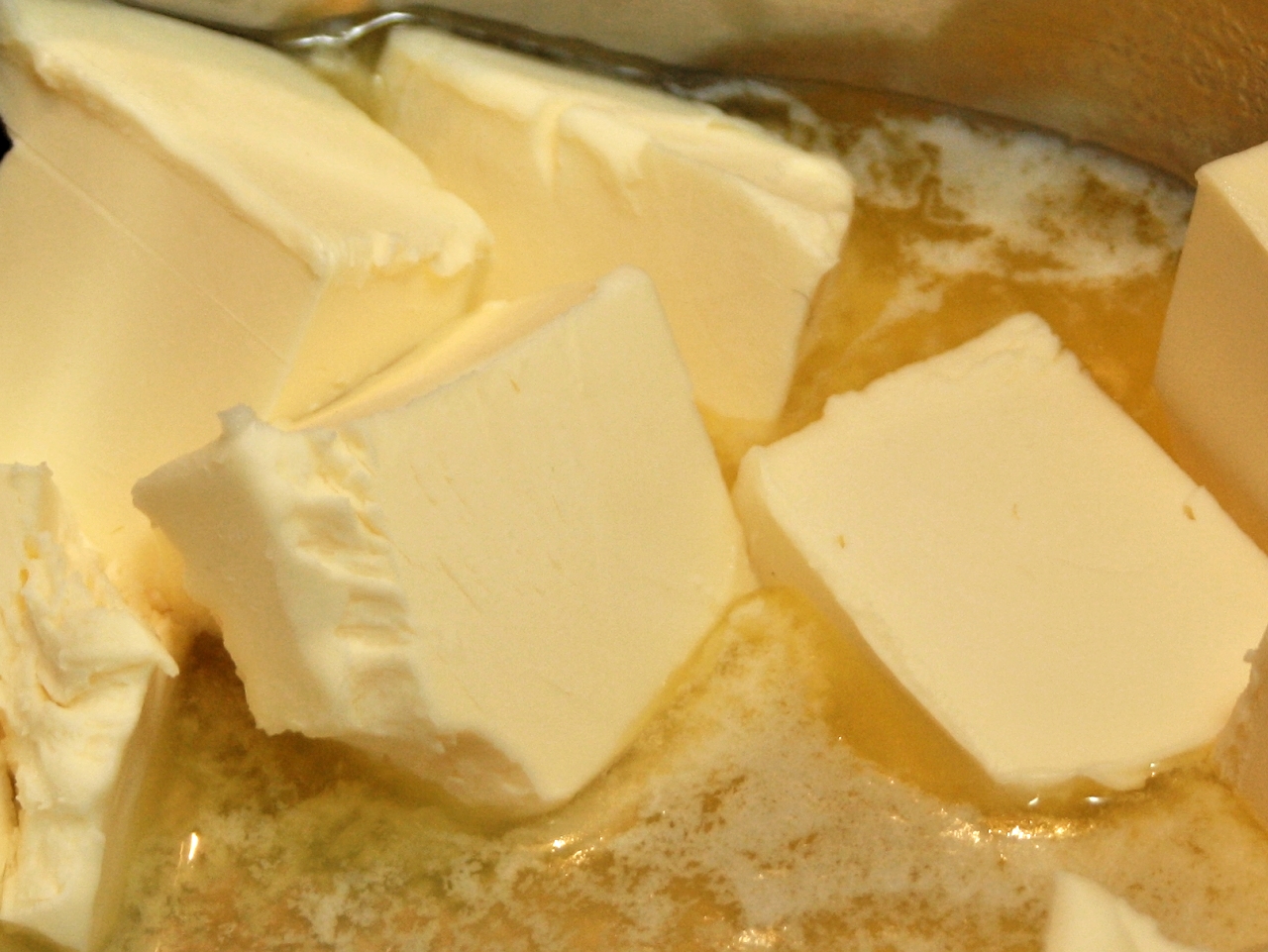
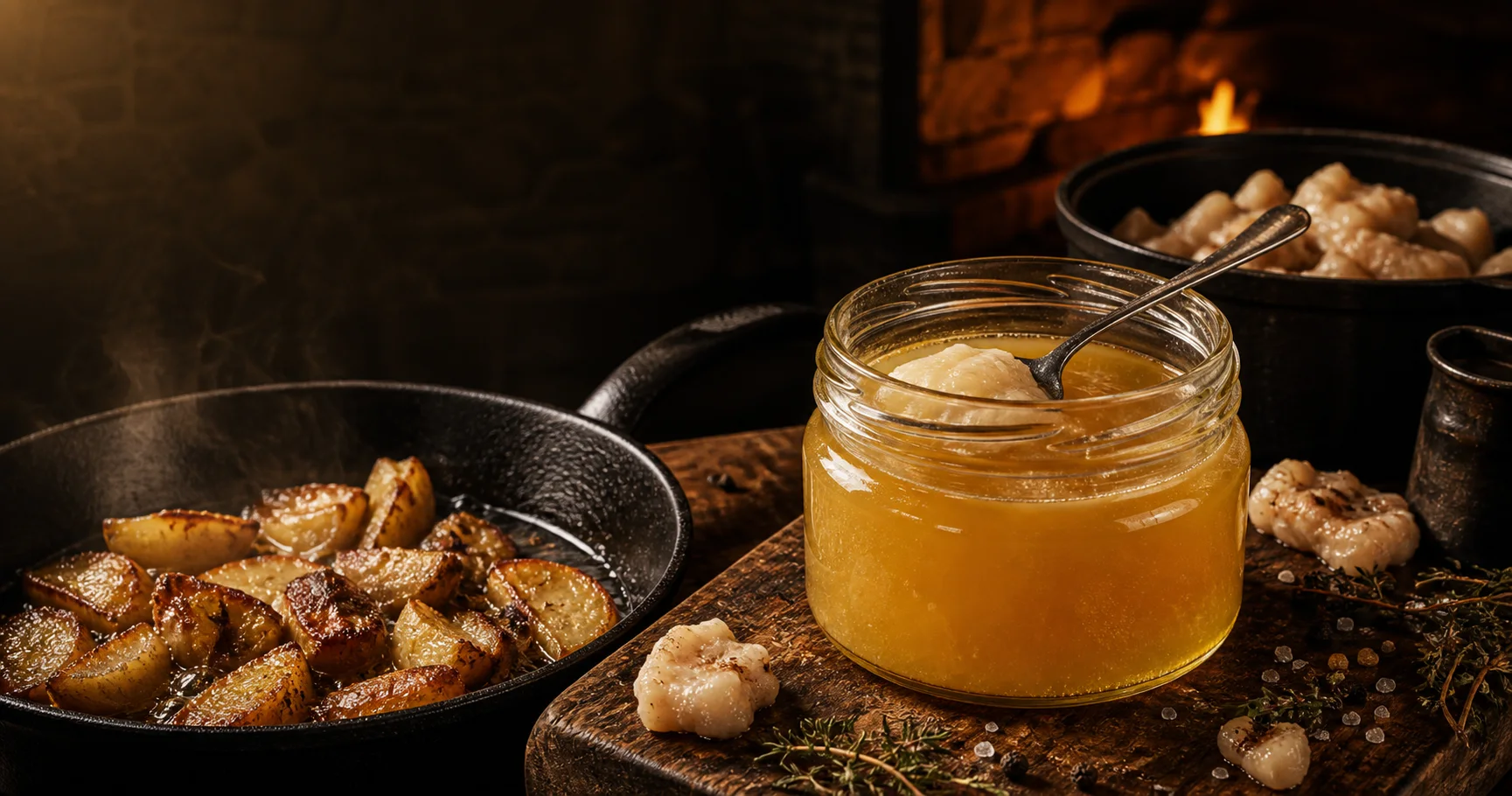
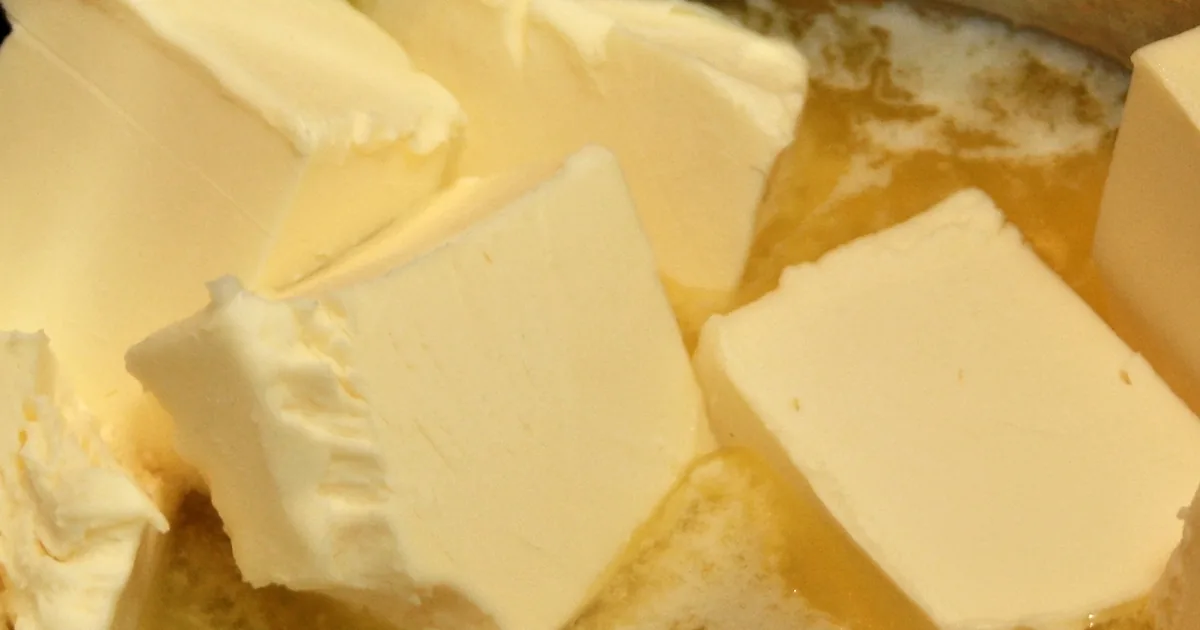
Ghee is butter cooked until its water evaporates and its milk solids separate; the solids are strained away (often after light browning), leaving pure butterfat with a high smoke point and a nutty aroma [1][3]. In South Asian languages and kitchens, ghee names both the product and a cultural category of cooking fat — not merely a technical synonym for European clarified butter [4]. The process starts with churned butter or cream-derived butterfat; heat drives off moisture, milk proteins and sugars toast, and the clear golden fat that remains is ghee.
Chemically it is dairy fat. Culturally it is infrastructure: the medium for blooming spices, enriching dals and sweets, and carrying ritual meaning in Hindu practice [2][5]. Kitchen science writers such as Harold McGee describe clarifying as a way to remove the water and solids that make fresh butter perishable and prone to scorching, which is why ghee behaves differently in a hot pan [3]. The Research Desk keeps that distinction practical: ghee is butter transformed for climate, craft, and ceremony — not a different animal fat and not a modern invention.
Sacred Fat and Everyday Kitchen
In hot climates, fresh butter spoils quickly. Clarifying it into ghee solved a storage problem and produced a fat suitable for lamps, offerings, and daily cooking [2][4]. Vedic and later Hindu traditions treat ghee as a pure, auspicious substance — poured into sacred fires, used in temple lamps, and woven into festival foods. That sacred register did not remove ghee from ordinary pots; it layered meaning onto a fat already useful for frying, finishing, and keeping.
That dual life matters. Ghee is not only a sauté medium; it is dairy transformed into something that can leave the refrigerator economy and enter ceremony. Elaine Khosrova's butter history and broader Cambridge and Oxford food references place clarified butter within long pastoral dairy traditions, while South Asian culinary histories keep ghee specifically tied to subcontinental ritual and kitchen grammar [2][4][5]. Ayurvedic texts discuss ghee as a valued substance in classical medical and dietary systems; this page notes that cultural presence without turning food history into a health verdict.
Temple lamps and fire offerings make the symbolism visible: butterfat as light and offering. Household jars make the continuity visible: the same fat browning cumin for dal. Sacred and everyday are not two products; they are two uses of one craft.
Tadka, Sweets, and Regional Craft
Indian and wider South Asian cooking uses ghee to temper spices (tadka/tarka), to finish lentils and vegetables, to enrich flatbreads, and to build sweets where butterfat carries sugar and aromatic spices [5]. Regional dairying — cow or buffalo milk — shapes flavor and texture; homemade and village ghee often taste more toasted than mild commercial jars. The moment spices hit hot ghee is one of the defining aroma events of the cuisine: mustard seed, curry leaf, cumin, chili, and asafoetida bloom in fat before they meet the rest of the dish.
Sweets and breads tell a parallel story. Many festive mithai and layered breads depend on ghee for richness and shelf life in warm weather. Lizzie Collingham and related South Asian food histories treat cooking fats as part of how regional kitchens absorb spices, grains, and dairy into recognizable dishes [5]. Compared with beef tallow or schmaltz, ghee is a lactating-animal fat with a different religious and culinary grammar: dairy rather than slaughter fat, sacred as well as savory.
Industrial vegetable oils competed hard with ghee in twentieth-century urban kitchens because they were cheaper and heavily marketed. Packaged ghee scaled commercially in the same period, standardizing a product that households had long made in small batches. Continuity and competition ran together: ghee never left the subcontinent's food culture, even when pantries diversified.
Ghee Versus Butter and Clarified Butter
English-language labels sometimes treat ghee and clarified butter as identical. The overlap is real — both are butterfat with water and solids removed — but South Asian ghee often implies a longer cook that browns the milk solids before straining, which adds toasted, nutty notes [1][3][4]. European clarified butter may be stopped earlier for a milder fat used in sauces and high-heat cooking. The difference is craft and expectation as much as chemistry.
Fresh butter still has water and milk solids; it browns, spatters, and spoils faster. Ghee keeps longer in many traditional settings because those components are gone. That is a preservation and cooking story, not a ranking of fats. On this site, butter, ghee, and beef tallow sit in one cluster of human solutions to the problem of cooking fat: churned dairy, clarified dairy, and rendered slaughter fat, each with its own climate and culture.
Ghee and the Traditional-Fat Revival
FoodNavigator and related 2026 trend coverage place traditional fats — including ghee — in a wider return of butter, tallow, and heritage cooking fats [6]. Western markets often discover ghee through "lactose-friendly butter" marketing or cafe coffee trends; South Asian cooks experience continuity more than novelty. Diaspora groceries had stocked ghee long before wellness aisles rediscovered the jar.
A source-led page should avoid health verdicts. The historical claim is simpler: ghee is an old technology of dairy preservation and flavor, now visible on global shelves. Trend cycles rename what kitchens already knew. When 2026 menus and pantries spotlight traditional fats, they are amplifying an ingredient whose South Asian biography runs from Vedic ritual language through medieval household craft to industrial packaging — not inventing a new fat.
How Ghee Is Used Today
Today ghee appears in tadka, roasting, baking, coffee trends, and packaged jars labeled grass-fed or traditional. Diaspora and Indian grocery aisles still hold the deepest quality range. Store sealed; good ghee smells nutty, not stale. Home cooks still make small batches from butter; factories still fill tins and jars for everyday use across the subcontinent and abroad.
For The Foods That Shaped Us, ghee links butter, milk, and beef tallow as chapters in humanity's long argument about which fats belong in the pan — and which belong in ritual. Follow the clarifying pot and the tadka spoon before the trend headline.
In the news
Recent 2026 food-culture notes that reference this article.
Historical Timeline
Ghee appears in South Asian ritual and culinary texts as a valued dairy fat and offering
Clarified butter becomes a household and temple staple across the subcontinent's hot climates
Regional ghee traditions deepen in sweets, breads, and tempering (tadka) techniques
Industrial vegetable oils compete with ghee in many urban kitchens; packaged ghee scales commercially
Global wellness and traditional-fat trends market ghee beyond South Asian diasporas
Evidence Explorer
Review the Source Trail
Inspect the article sources, scoped review credits, and copyable citation details without leaving the page.
Sources Listed
Comments
Community comments are coming soon. Check back later to join the discussion!