Horchata de Chufa Is the Valencian Original — Tiger Nuts, Not Rice
Before Mexican rice horchata, there was horchata de chufa: a Valencian drink of soaked tiger nuts. The 2026 horchata boom is sending searchers back to the Mediterranean original.
Horchata de chufa is Valencia's traditional drink of soaked, blended, and strained tiger nuts (chufa), lightly sweetened and served cold. It is the Mediterranean original behind the horchata name; Mexican rice horchata adapted the soaking-and-straining idea to New World ingredients. The 2026 horchata and matcha-horchata boom is sending curious drinkers back to this Valencian root.
What's happening
As "what is horchata" and matcha-horchata lattes break out in 2026, a second search appears: horchata de chufa — the Spanish tiger-nut version that many English speakers have never tasted [1]. Spanish shops and specialty cafes stock it as a dairy-free, naturally sweet cold drink distinct from Mexican rice horchata.
The boom is a naming correction: horchata is a family of drinks, not one rice recipe.
The history behind it
The word horchata traces to Latin hordeata (barley water), but the famous Valencian drink is made from chufa (Cyperus esculentus), a tuber often called the tiger nut, cultivated around Valencia and associated with medieval Mediterranean and Moorish-influenced foodways [2]. Spanish colonists carried the name and the soak-blend-strain method to the Americas, where rice, cinnamon, and sometimes almonds became the Mexican standard [3].
So the 2026 cafe latte sits on a chain: Valencian chufa → colonial adaptation → rice horchata → matcha fusion.
Why it matters
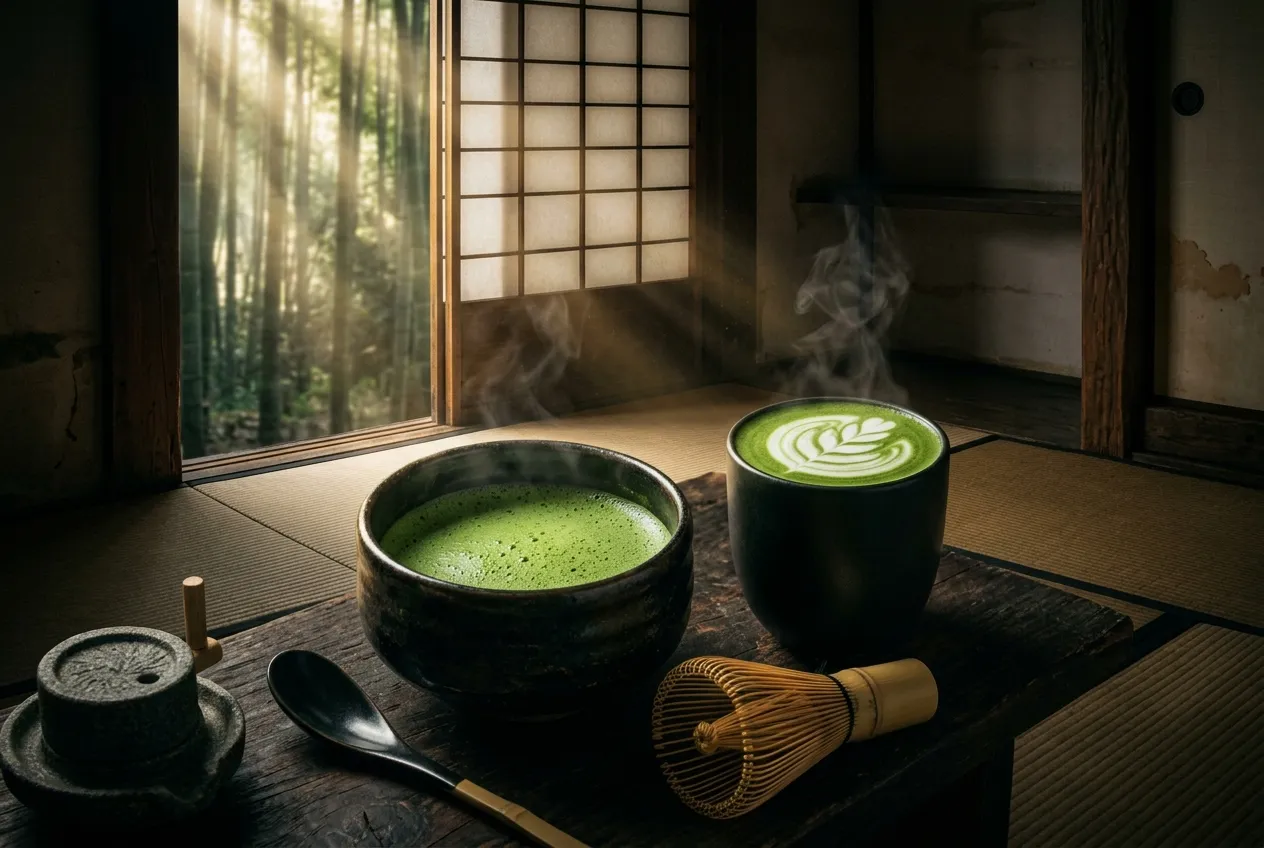
The food-history value is that a viral rice drink has a tiger-nut ancestor. Knowing horchata de chufa restores the Mediterranean half of the story that Mexican horchata inherited. For cafe-context pairing with the matcha boom, see matcha below.
How to try it
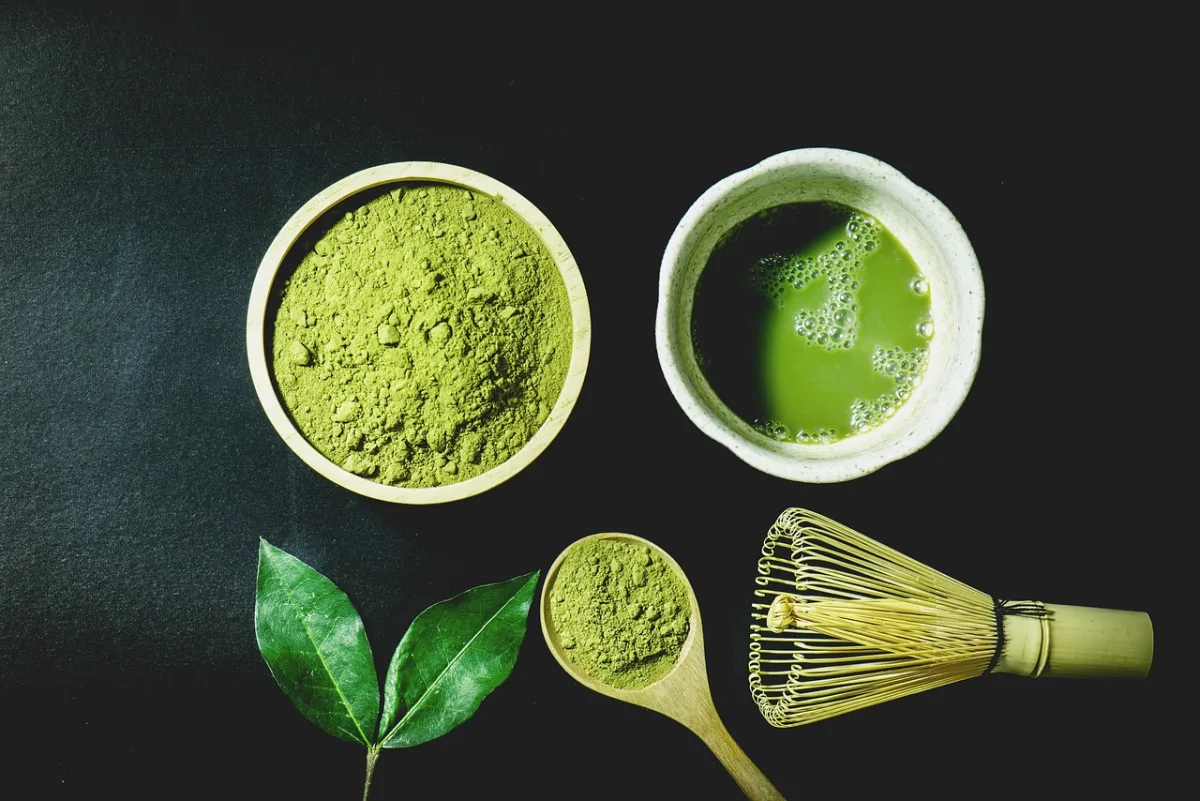
Look for bottled horchata de chufa from Valencia at Spanish grocers, or soak dried tiger nuts overnight, blend with water and a little sugar, and strain through a fine cloth. Serve ice-cold; it is sweeter and nuttier than rice horchata, with a different body. Do not expect it to taste like the cinnamon-rice agua fresca. For the matcha side of the 2026 latte mash-up, read the matcha history below.
📖 Read the full history
Trend Desk notes are timely. The durable history behind each trend lives in these articles and collections.
Comments
Community comments are coming soon. Check back later to join the discussion!