💡 Key Takeaways
- Valencian horchata de chufa is made from soaked tiger nuts (chufa), strained and sweetened — the Mediterranean original behind the name.
- Mexican and U.S. horchata typically uses rice, cinnamon, and sometimes almonds — a New World adaptation of the soak-blend-strain idea.
- The word traces to Latin hordeata (barley water), but today's famous versions are chufa or rice drinks, not barley.
What Is Horchata?
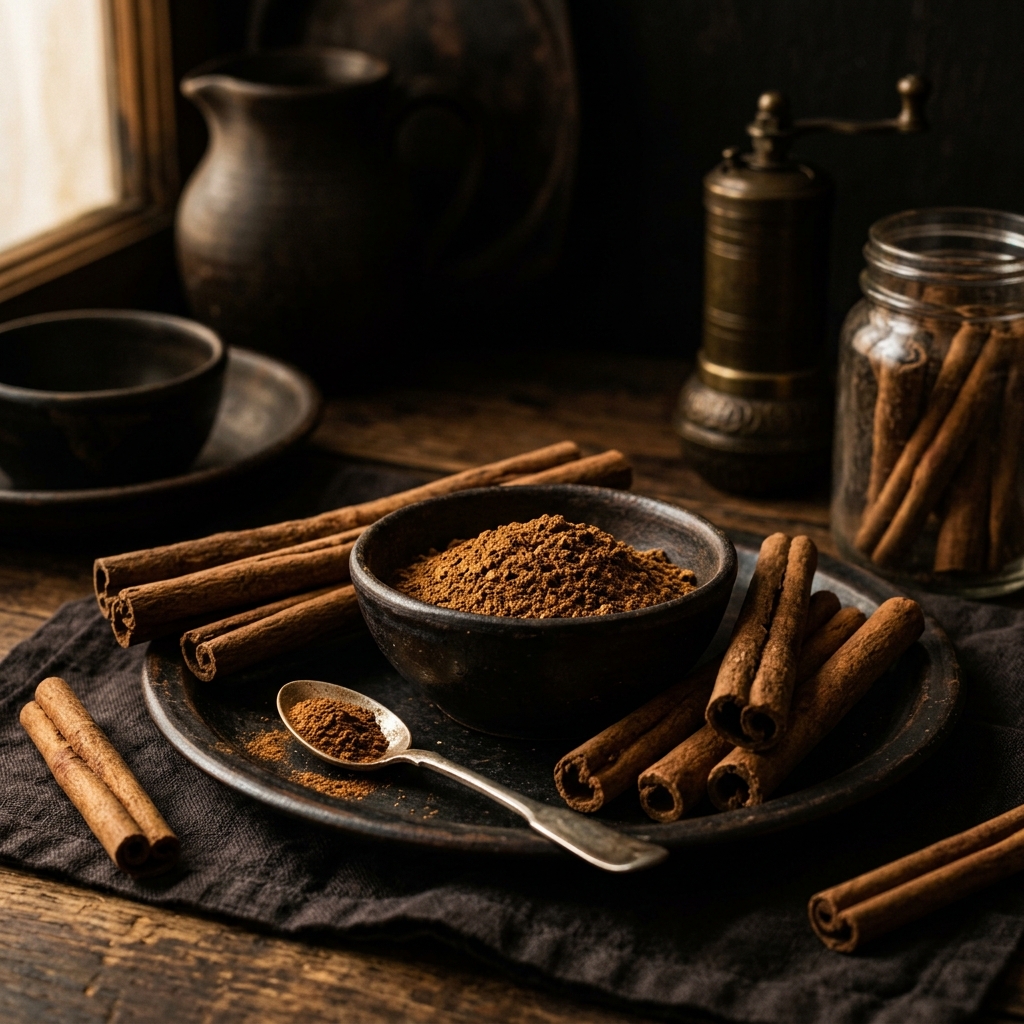
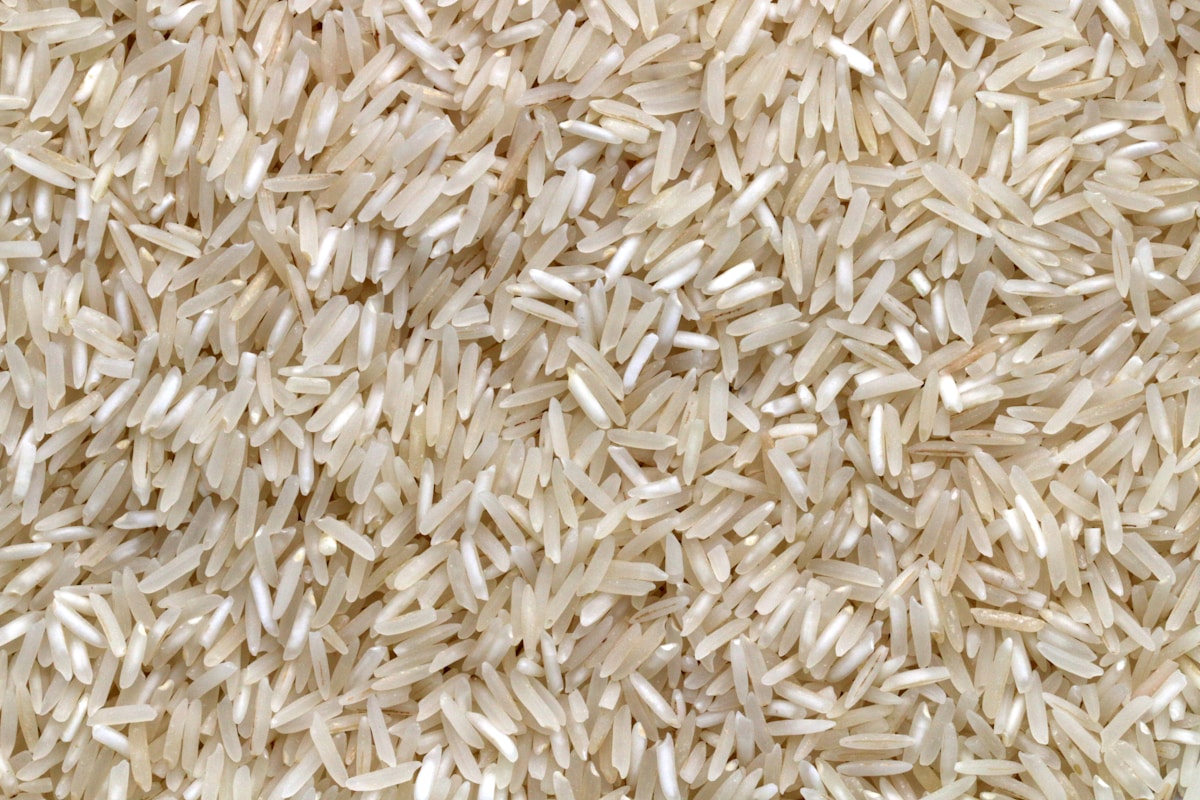
Horchata is a family of cold, lightly sweet, milky drinks made by soaking a starch or tuber, blending it with water, and straining out the solids. In Valencia, the classic is horchata de chufa, pressed from tiger nuts; in Mexico and much of the United States, horchata usually means a rice drink scented with cinnamon [1][2].
What unites these branches is the method — soak, grind, strain, sweeten, chill — rather than any single ingredient. That shared technique is why one Latin word came to cover drinks built from tubers, grains, and seeds across two continents. Calling all of them "horchata" is historically honest and practically confusing; this page keeps the branches distinct so neither is read as a failed copy of the other.
Valencia: Horchata de Chufa
Around Valencia, chufa (tiger nut) cultivation and horchatería shops define a regional drink culture. Dried tubers are soaked, ground with water, sweetened, and strained into a pale, nutty beverage served ice-cold, traditionally alongside long, sweet *fartons* for dipping [1][2].
Tiger nuts are not nuts at all but small tubers of *Cyperus esculentus*, a sedge. Their cultivation in eastern Spain is usually credited to the agricultural inheritance of Al-Andalus, the medieval Muslim-governed period that introduced advanced irrigation, new crops, and a taste for chilled, sweetened plant drinks to the Iberian Peninsula. By the late medieval and early modern period, horchata de chufa was a Valencian specialty, and it remains one today: *horchata de chufa de Valencia* carries a protected geographical indication (PGI) that ties the name to the region and its traditional methods [1].
This is the Mediterranean original most English speakers have never tasted when they order "horchata" at a Mexican restaurant — same family name, different plant, different continent.
Mexico and the U.S.: Rice Horchata
The Spanish colonial exchange carried the name and the soak-strain habit across the Atlantic to New Spain, where cooks adapted the drink to the ingredients most available there. Chufa did not naturalize as it had in Valencia, so Mexican horchata turned to rice, cinnamon, and sometimes almond, melon seed, or dairy — all of which were plentiful in the colonial pantry [1][3].
Mexican aguas frescas culture then made rice horchata a street-stall and home staple: a big jar poured over ice in taquerías, comedores, and family kitchens. From the 20th century onward, Mexican and Mexican-American restaurants carried that version north, and for most Americans it became the default English-language "horchata." Bottled and shelf-stable versions widened its reach further [3].
The New World drink is not a degraded imitation of chufa. It is a successful localization — the same pattern that remade countless Iberian and European foods in the Americas, matching a borrowed name and method to local crops and climate.
Etymology: Barley Water to Tiger Nuts
The word horchata is usually traced to Latin *hordeata*, a preparation of barley water [1][2]. Over centuries the name stuck to a widening set of strained grain, seed, and tuber drinks across the Mediterranean and then the Atlantic, long after barley had disappeared from most of the recipes that carried the word.
That etymology explains why "horchata" can feel broader than any one national recipe, and why the drink people picture varies so sharply by country — a Valencian tiger-nut beverage, a Mexican rice-and-cinnamon agua fresca, and the occasional almond or seed variation all share a name rooted in a barley water few of them still contain. Food history often works this way: a word outlives its first ingredient, and the method (soak, grind, strain, sweeten, chill) becomes the real through-line.
Cafe Lattes and the 2026 Boom
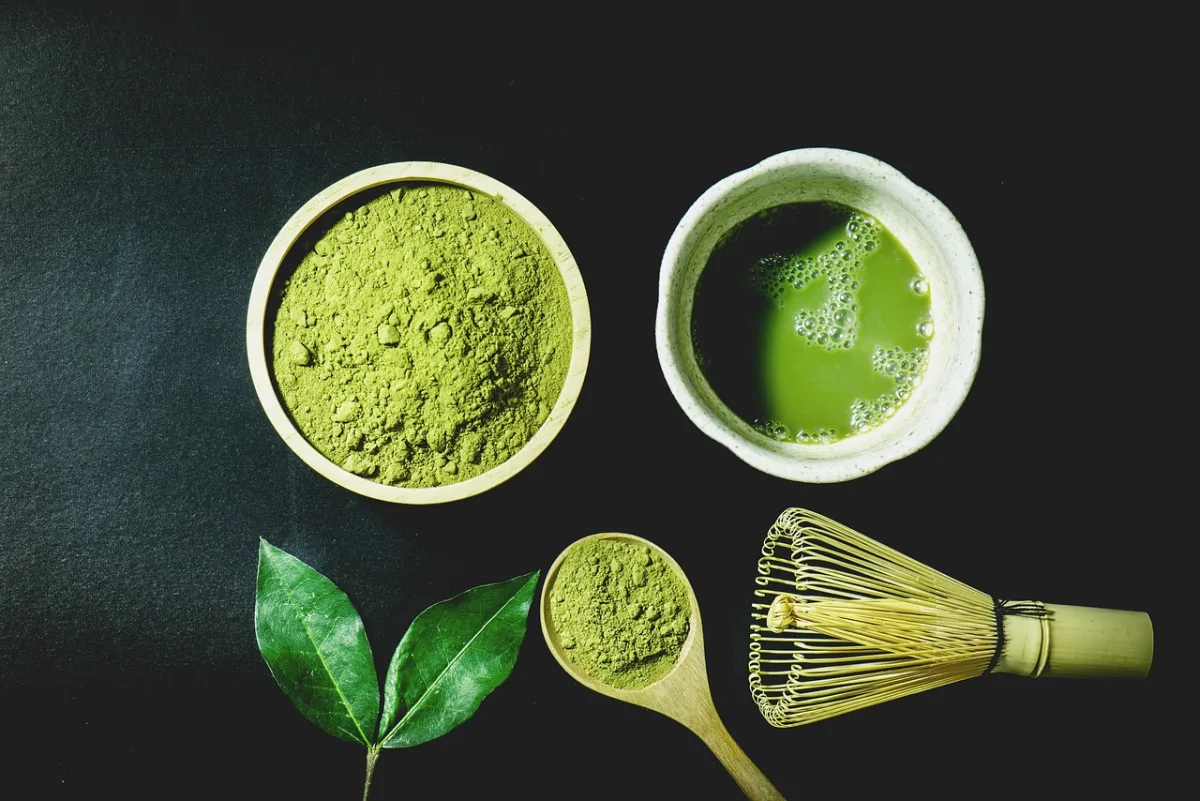
By 2026, horchata shows up well beyond its two heartlands: bottled aguas in grocery aisles, horchata-flavored ice creams and dessert menus, and café mash-ups that blend it with matcha, espresso, or cold foam [5]. Google's Summergeist 2026 summer-trends coverage flagged heritage café drinks as one of the season's breakouts, and horchata sat squarely in that lane — an old, recognizable flavor given new formats.
The trend layer is real, but it sits on top of an older one: Valencian chufa fields with PGI protection, and Mexican rice pitchers poured over ice at street stalls for generations. For The Foods That Shaped Us, horchata links rice, cinnamon, almond, and matcha — a single word for a family of cold, milky drinks that crossed an ocean and changed plants twice. Order chufa when you can find it; respect Mexican rice horchata as its own classic rather than a substitute; and treat the 2026 café latte as the newest chapter, not the origin.
In the news
Recent 2026 food-culture notes that reference this article.
Historical Timeline
Tiger-nut (chufa) cultivation and horchata-style drinks take root around Valencia
The name horchata links to Latin hordeata (barley water), even as chufa becomes the Valencian standard
Spanish drink names and soak-strain methods meet New World rice, cinnamon, and local tastes
Mexican rice horchata becomes a classic agua fresca; Valencian chufa horchata remains a regional PDO-style pride
U.S. Mexican restaurants and cafes normalize rice horchata; bottled and latte versions spread
Horchata and matcha-horchata mash-ups ride summer drink trend coverage
Evidence Explorer
Review the Source Trail
Inspect the article sources, scoped review credits, and copyable citation details without leaving the page.
Sources Listed
Comments
Community comments are coming soon. Check back later to join the discussion!