
Hot Honey, Pizza's New Drizzle, Has Ancient Mesoamerican Roots
Hot honey looks like a 2026 condiment boom — but sweet-heat is centuries old, and the modern jar traces to a Brooklyn beekeeper in 2010.
Hot honey is the 2026 condiment boom in a jar — sweet, heat, and glaze in one spoonful. But chili-and-honey is ancient: Mesoamerican cooks paired Capsicum heat with honey long before pizza. The modern branded jar traces to Mike's Hot Honey in Brooklyn, 2010.
What's happening
Hot honey has moved from a single Brooklyn brand to a 2026 condiment category — drizzled on pizza, fried chicken, cheese boards, and roasted vegetables. 2026 trend coverage places it among the sweet-heat condiments defining the year [1]. The appeal is that it concentrates sweet, heat, and glaze into one spoonable jar.
The history behind it
The category is modern, but the idea is old. Honey is one of the oldest human sweeteners [2], and chili peppers originated in the Americas, where cooks combined fruit, honey, smoke, and Capsicum heat in drinks, sauces, and ritual foods [2][3]. The modern branded hot honey most often traces to Mike's Hot Honey, founded by Mike Kurtz in Brooklyn in 2010 after he encountered chili honey through a Brazilian beekeeping connection.
Why it matters
The food-history value of hot honey is that it makes an ancient pairing portable. A 2026 condiment boom is, underneath, a centuries-old Mesoamerican sweet-heat idea in a new jar. For the full history of hot honey, honey, and chili peppers, see the articles below.
How to use it
Hot honey is a finishing condiment, not a cooking oil, so use it where its sweet-then-hot contrast lands on something salty or creamy. The classic move is a drizzle over pepperoni or flatbread pizza right out of the oven; biscuit-and-fried-chicken, toast with ricotta, a cheese board, roasted carrots, and vanilla ice cream all work too. A little goes far. To make a quick version at home, warm honey with Calabrian chili or red pepper flakes and a splash of apple cider vinegar, then strain; store it at room temperature, because the honey keeps the chili from spoiling. For the full histories of hot honey, honey, and the chili pepper, read below.
📖 Read the full history
Trend Desk notes are timely. The durable history behind each trend lives in these articles and collections.
Hot Honey
The chili-infused honey that fused ancient sweet-heat traditions with Brooklyn beekeeping, pizza drizzle, and a 2026 condiment boom
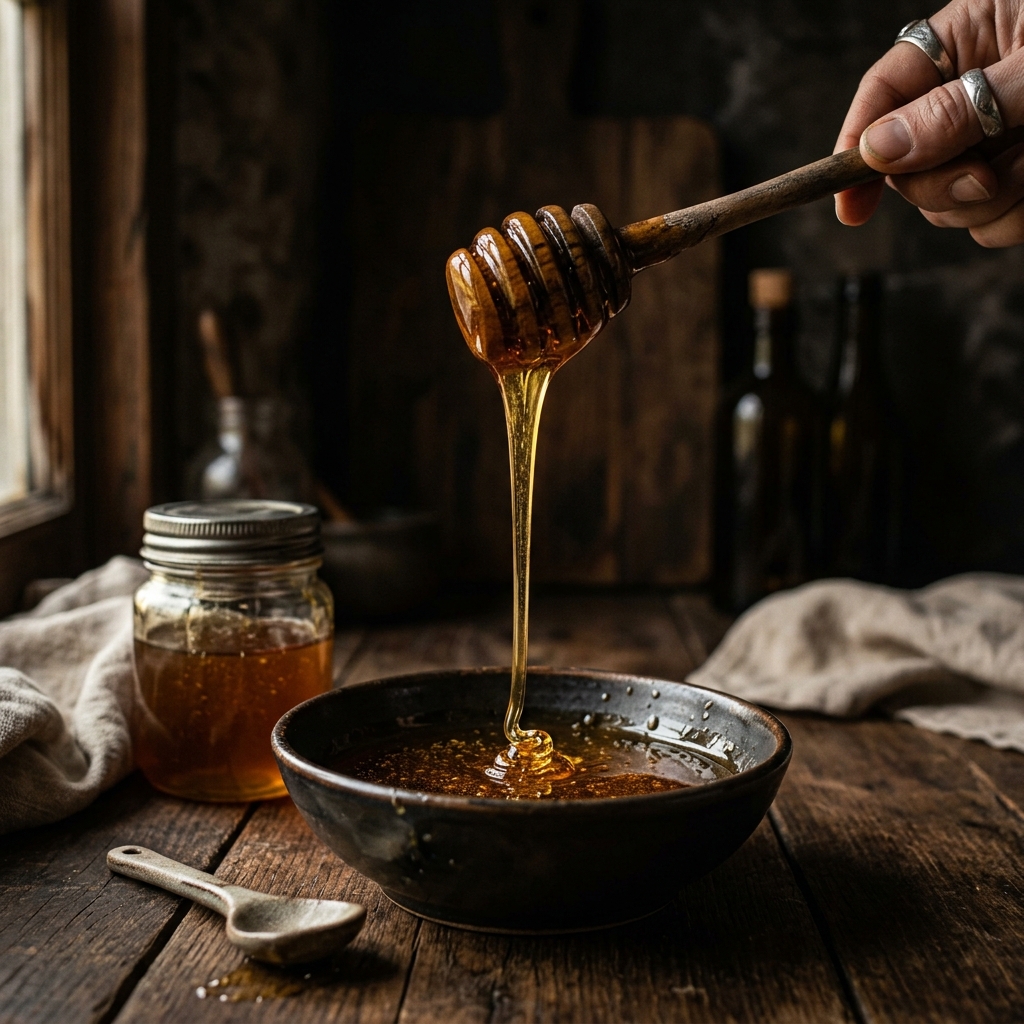
Honey
Nature's first sweetener, unchanged for millennia
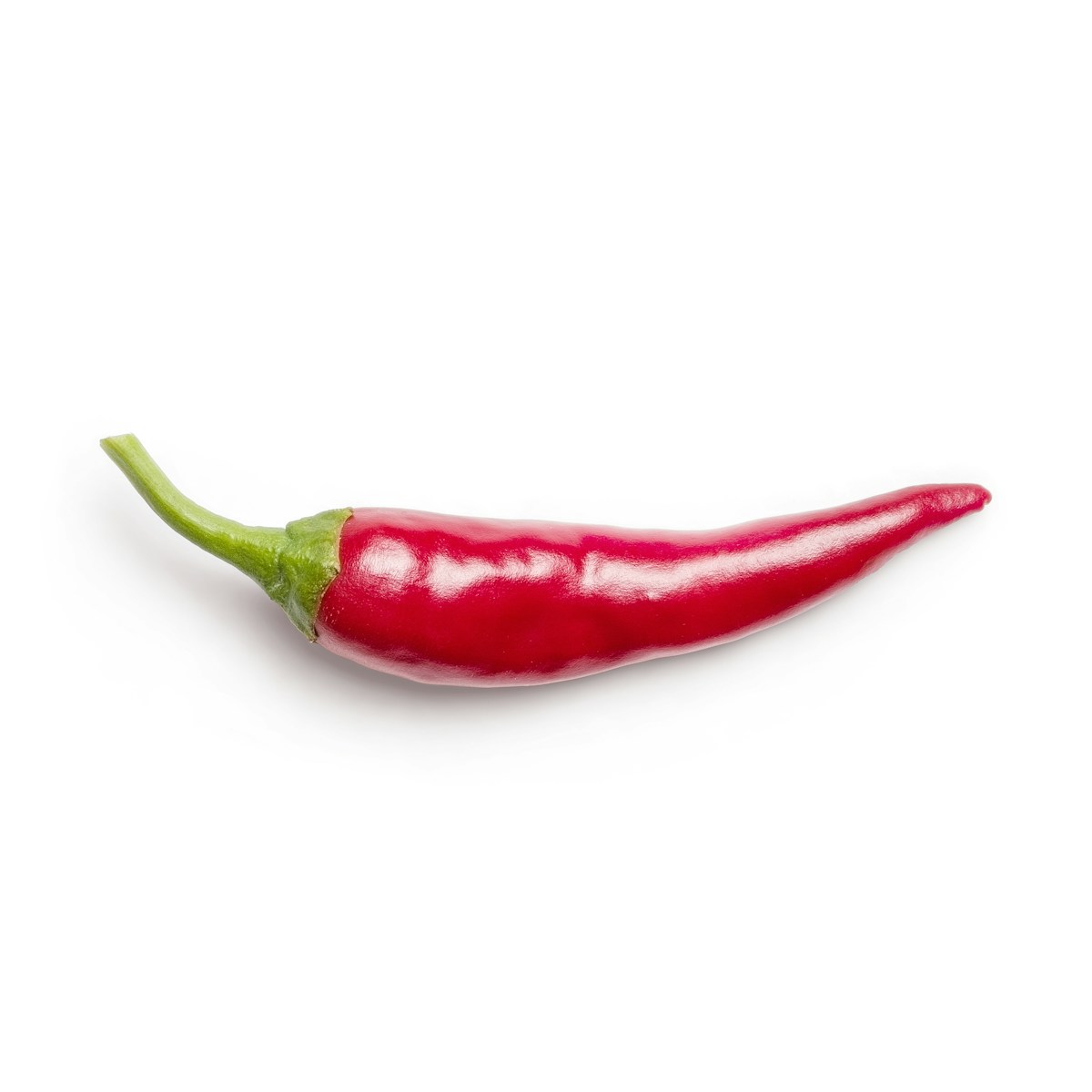
Chili Pepper
The fiery fruit that ignited global cuisine
Comments
Community comments are coming soon. Check back later to join the discussion!