💡 Key Takeaways
- Hot honey is honey infused with chili pepper heat, a sweet-heat pairing with old roots in honey and Capsicum traditions of the Americas.
- The modern branded hot honey category is often traced to Mike’s Hot Honey, founded in New York in the early 2010s after a beekeeping encounter with Brazilian chili honey.
- Hot honey became a 2026 condiment trend because it pairs sweet, heat, and glaze functionality with pizza, fried chicken, cheese, and grain bowls.
Where did hot honey originate?
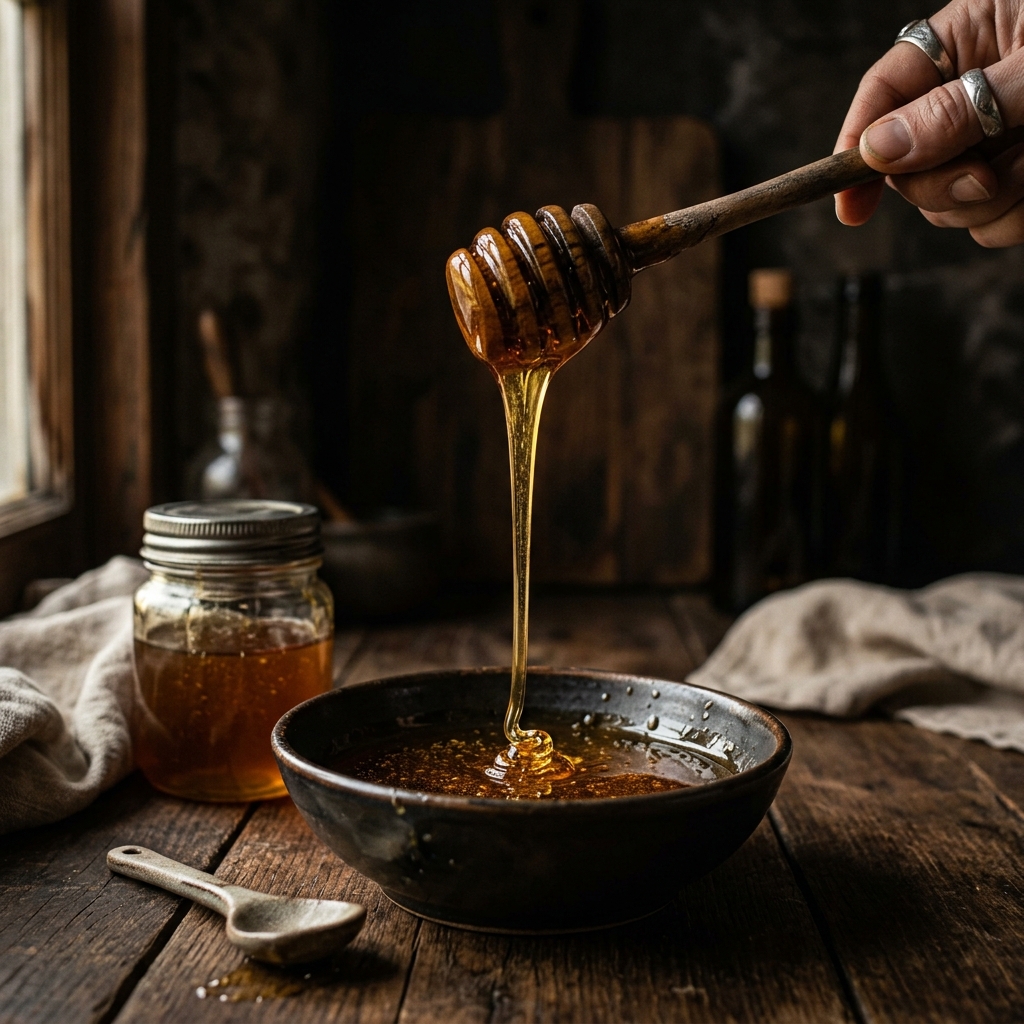
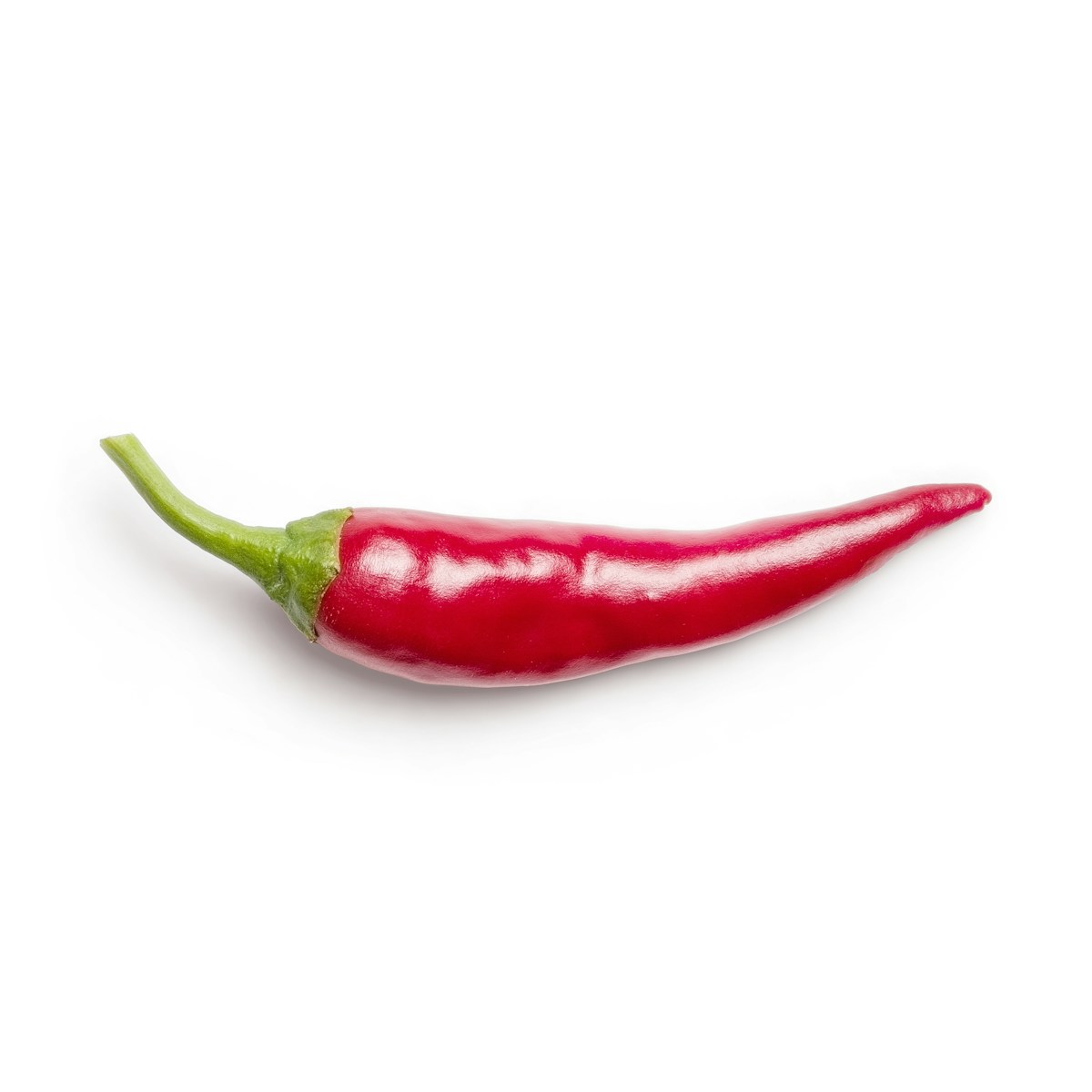
Hot honey is honey infused with chili pepper heat. As a category it is modern, but the sweet-heat idea behind it is old. Honey is one of the oldest human sweeteners [3], and chili peppers originated in the Americas, where cooks combined fruit, honey, smoke, and Capsicum heat in drinks, sauces, and ritual foods [4][5][6]. The modern branded hot honey most often traces to Mike’s Hot Honey, founded by Mike Kurtz in Brooklyn in 2010 after he encountered chili honey through a Brazilian beekeeping connection [2].
The food-history value of hot honey is that it makes an ancient pairing portable. It concentrates sweet, heat, and glaze into one spoonable jar that can finish pizza, chicken, cheese, or vegetables.
Sweet Heat Before the Jar
Sweet and spicy pairings are much older than the modern condiment aisle. In Mesoamerican and South American food cultures, chili, fruit, honey, and smoke appeared together in sauces, drinks, and fermented foods long before European contact [4][5]. After 1492, the Columbian Exchange carried Capsicum peppers into Old World kitchens and Old World bees and sugarcane into the Americas, so the ingredients that make hot honey possible moved across continents together [4][5].
The safer historical claim is not that one culture invented hot honey. It is that sweet-heat is a durable human preference, and the modern jar simply packages it for restaurants and home cooks.
Mike’s Hot Honey and Brooklyn Condiment Culture
The modern hot honey category is usually dated to Mike Kurtz, who started Mike’s Hot Honey in 2010 in Brooklyn, New York. According to the company, the idea came from a chili-infused honey he encountered through a Brazilian beekeeper, which he then adapted for pizza and restaurant use [2].
That origin matters for food history because it shows how a condiment can travel through personal beekeeping networks, diaspora food knowledge, and restaurant kitchens before becoming a retail product. Hot honey’s rise was tied to independent pizza shops and chef-driven comfort food as much as to grocery distribution.
The 2026 Condiment Boom
By 2026, hot honey had become a recognizable condiment trend. FoodNavigator, citing Tastewise data, reported hot honey popularity up about 52% year-over-year, part of a wider turn toward bold sweet-savory and sauce-forward flavors [1]. It sits alongside beef tallow, sazón, and matcha fusions as one of the 2026 flavors riding old food systems into new menus.
A source-led food-history page should resist turning that growth into a health claim. The stronger story is functional: hot honey gives eaters sweet, heat, acidity, and glaze in one squeeze, which is why it moved from pizza to fried chicken, biscuits, cheese boards, roasted vegetables, and grain bowls.
How Hot Honey Is Used Today
Today hot honey appears on pizza, fried chicken sandwiches, biscuits, waffles, cheese boards, roasted carrots, sweet potatoes, marinades, dressings, and cocktails. Home cooks make it by steeping chili flakes or fresh chilies in warm honey, while brands sell jarred versions with stabilized heat.
For The Foods That Shaped Us, hot honey links honey, chili pepper, maple syrup, pizza, and the wider story of how sweet-heat pairings keep returning to menus in new forms.
In the news
Recent 2026 food-culture notes that reference this article.
Historical Timeline
Honey and chili peppers coexist in Mesoamerican and South American food systems, where sweet-heat pairings appear in drinks, sauces, and ritual foods
Capsicum peppers and Old World apiculture meet through the Columbian Exchange, spreading chili plants and beekeeping across continents
Mike Kurtz founds Mike’s Hot Honey in Brooklyn, inspired by chili honey encountered through Brazilian beekeeping
Hot honey spreads through pizza shops, fried chicken restaurants, cheese boards, and condiment aisles
FoodNavigator and Tastewise report hot honey up roughly 52% year-over-year as sweet-heat condiments trend globally
Evidence Explorer
Review the Source Trail
Inspect the article sources, scoped review credits, and copyable citation details without leaving the page.
Sources Listed
Comments
Community comments are coming soon. Check back later to join the discussion!