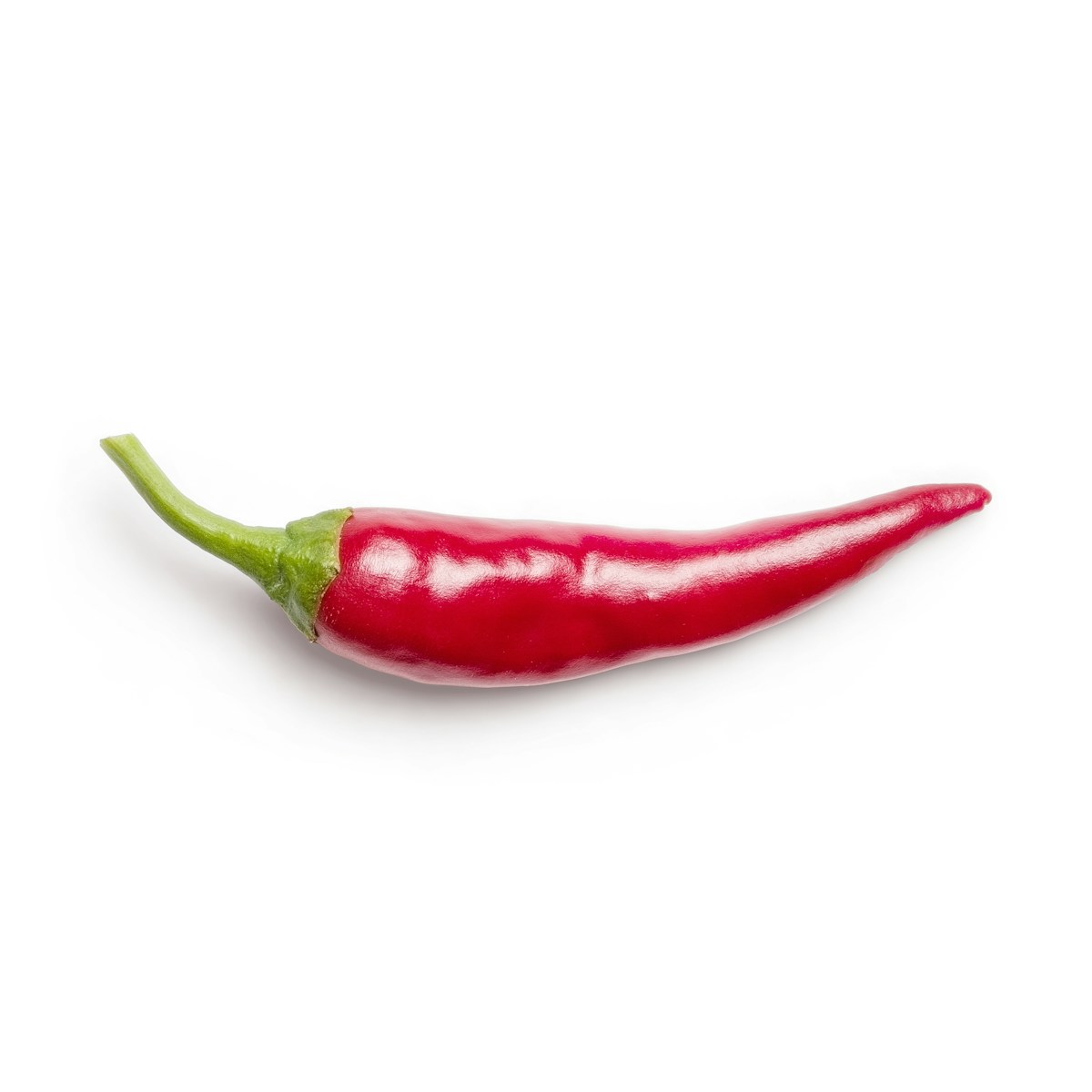
Kashmiri Chili Is the Color Without the Fire — Why Chefs Reach for It
Kashmiri chili gives curries and tandoori marinades a deep red without nuclear heat. The 2026 spice boom is sending cooks hunting for color, not Scoville bragging rights.
Kashmiri chili is a mild, deep-red chili (and its powder) used in South Asian cooking for color more than heat. Chefs reach for it when they want tandoori-red marinades and curry glow without blowing out the dish. The 2026 spice-curiosity wave is teaching cooks that not every red chili is a dare.
What's happening
Home cooks and restaurant kitchens are searching specifically for Kashmiri chili powder as Indian and fusion menus emphasize visual red without punishing heat [1]. It sits beside paprika and other mild red chilies in the "color tool" slot of the spice cabinet.
The trend is precision: people want hue control, not another ghost-pepper story.
The history behind it
Chili peppers (Capsicum) reached South Asia after the Columbian Exchange and were adopted into regional spice logics that already valued color, aroma, and heat as separate dials [2][3]. Kashmiri-style chilies became associated with deep crimson powders used in Kashmiri and wider North Indian cooking — including dishes where appearance matters as much as burn.
Naming is commercial as well as geographic: "Kashmiri chili" on a jar may mean a mild red chili type or blend marketed for that profile.
Why it matters
The food-history value is that chili is not a single heat scale. Kashmiri chili shows how New World Capsicum was folded into South Asian aesthetics of color and balance. For the wider chili story, see the chili pepper article below.
How to use it
Bloom a spoonful of Kashmiri chili powder gently in oil or ghee to release color before adding yogurt marinades or tomato gravies. Taste as you go — mild does not mean flavorless. If your jar is harsh, it may be a hotter substitute sold under the name. For the plant's global journey, read the chili pepper history below.
📖 Read the full history
Trend Desk notes are timely. The durable history behind each trend lives in these articles and collections.
Comments
Community comments are coming soon. Check back later to join the discussion!