Momofuku's Chile Crunch Trademark Fight, Explained
Momofuku's attempt to trademark "Chile Crunch" put a common chili-condiment name into U.S. brand law — and into a wider debate about who owns pantry language.
Momofuku's Chile Crunch trademark dispute put a descriptive name for crunchy chili oil into U.S. brand law and public debate. The fight was about labeling and market language, not about inventing chili crisp. Chinese chili-oil condiments and countless indie jars already used the same texture family long before any single Western brand tried to fence the words.
What's happening
In the mid-2020s, Momofuku's move to protect "Chile Crunch" as a brand name collided with a crowded shelf of chili crisps and chili crunches. Coverage in food and business press framed the dispute as a trademark question: how distinctive is a phrase that also describes the product — crunchy chili in oil — and how far can one company push exclusive use [1]?
For cooks, the practical fallout was simpler: labels multiplied (chili crisp, chili crunch, chile crunch) while the jar contents stayed in the same family.
The history behind it
Crunchy chili-in-oil condiments long predate any U.S. trademark filing. After Capsicum reached Asia, Chinese regional kitchens developed chili oils and fried-chili pastes; late-20th-century bottled brands such as Lao Gan Ma carried a fried-chili style into global groceries [2][3]. English marketing later split the category into "chili crisp," "chili crunch," and house names.
Trademark law protects source-identifying marks; it does not rewrite the culinary history of the condiment. The Momofuku episode sits in that gap between brand language and kitchen language.
Why it matters
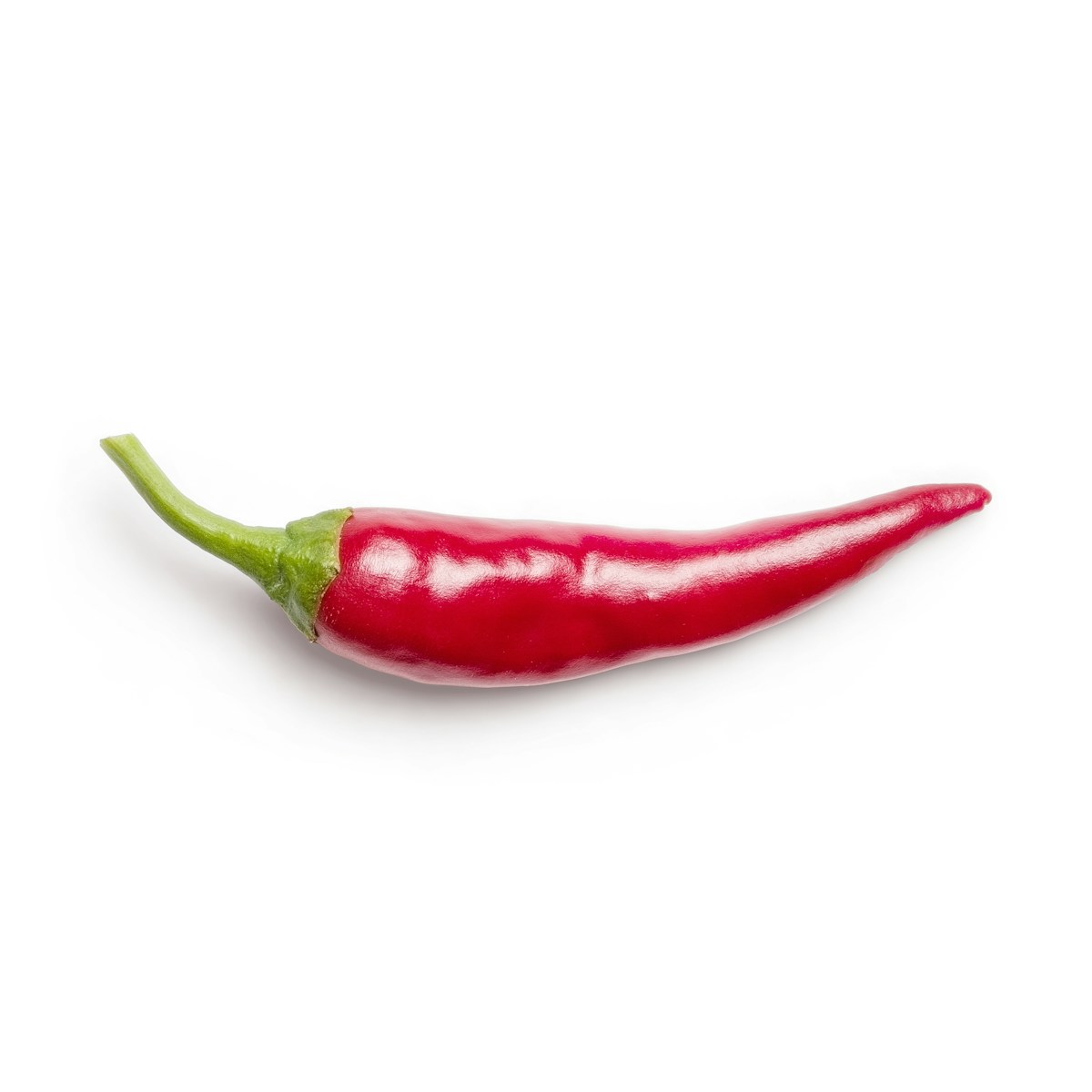
The food-history value is that a trademark fight can make a pantry staple look like a proprietary invention. Chili crisp is a technique and a texture family, not a single company's debut. Reading the dispute as brand law — not origin myth — keeps the Capsicum story intact. See the chili-pepper article below.
How to try it
Buy any reputable chili crisp or chili crunch you like and ignore the branding war for a week. Spoon it onto eggs, noodles, or cucumber salad and notice crunch versus pure heat. If you cook from Chinese recipes, look for chili oil (hong you) or Lao Gan Ma-style fried chili; if you cook Mexican, try salsa macha for a nutty cousin. The name on the lid matters less than the solids-to-oil ratio in the jar. For the chili-pepper history behind the category, read below.
📖 Read the full history
Trend Desk notes are timely. The durable history behind each trend lives in these articles and collections.
Comments
Community comments are coming soon. Check back later to join the discussion!