Pandan Is Southeast Asia's Next Visual Flavor After Matcha
Pandan, the aromatic leaf behind kaya toast and green Southeast Asian desserts, is rising as 2026's next visual flavor — fragrant, green, and long central to Malay, Indonesian, Thai, and Vietnamese kitchens.
Pandan is rising as 2026's next visual flavor after matcha: a fragrant Southeast Asian leaf that tints desserts and drinks a soft green and smells faintly of vanilla and grass. FoodNavigator's cafe-fusion wave made room for new colored flavors; pandan has long seasoned Malay, Indonesian, Thai, and Vietnamese sweets, kaya, and rice.
What's happening
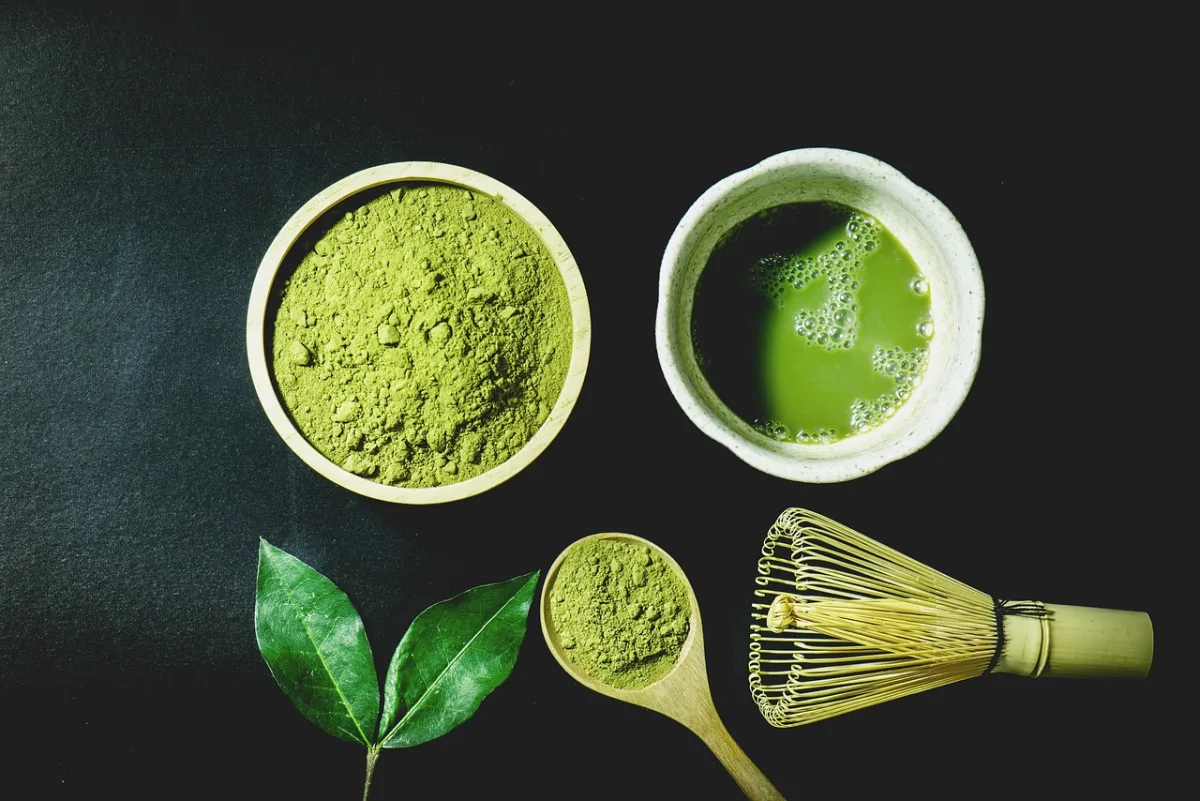
After matcha taught cafes that a colored powder could define a year, pandan is the green leaf waiting in the wings: pandan lattes, chiffon cakes, ice creams, and extracts showing up on Western menus. FoodNavigator's 2026 matcha-fusion story showed how visual flavors travel; pandan offers a parallel path with a different geography and aroma [1].
Searches for "what is pandan" and pandan extract rise as bakers learn it is a leaf, not a tea.
The history behind it
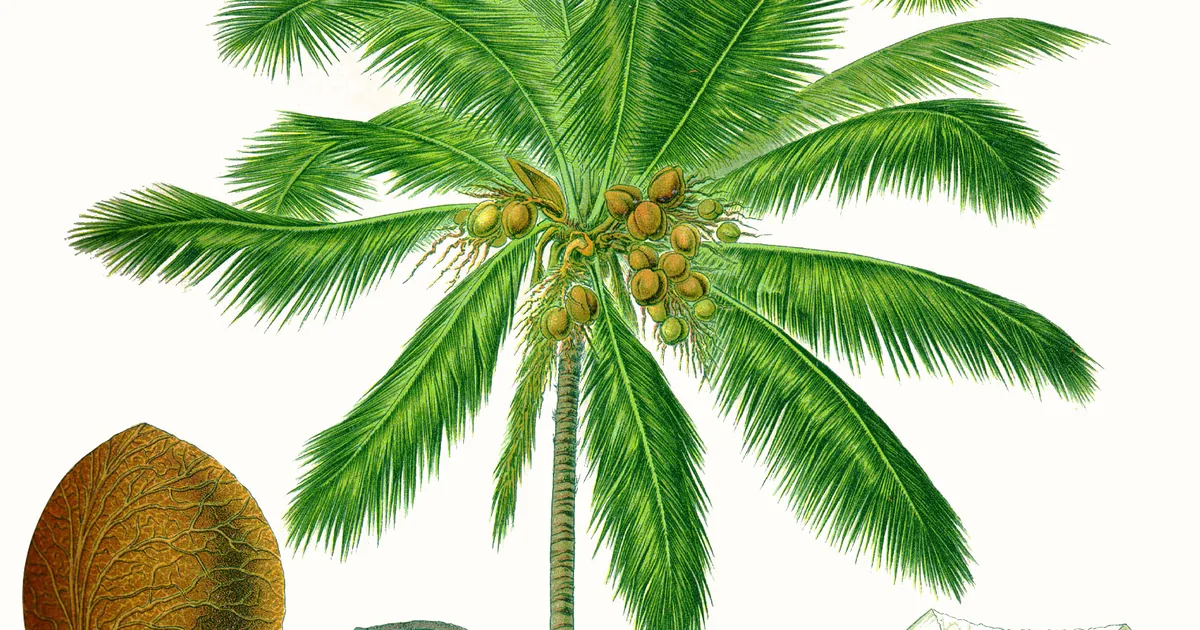
Pandan (Pandanus amaryllifolius) is a tropical plant whose leaves are tied in knots and simmered in coconut milk, rice, and custards across Southeast Asia. It flavors kaya (coconut-egg jam), Indonesian and Malaysian cakes, Thai desserts, and Vietnamese sweets with a scent often compared to vanilla and new grass [2].
Unlike matcha, pandan is not powdered tea and not ceremonial in the Japanese sense; it is a kitchen aromatic, used fresh, frozen, or as extract, and central to everyday and festival cooking long before it became a "next matcha" headline.
Why it matters
The food-history value is that pandan's Western moment is discovery marketing, not invention. A leaf that has seasoned Southeast Asian desserts for generations is being reframed as a cafe trend because it photographs green and tastes unfamiliar to many North American and European diners. For pandan and matcha context, see the articles below.
How to try it
Buy frozen pandan leaves or pandan extract at Southeast Asian grocers. Simmer a knotted leaf in coconut milk for rice or custard, then remove it before serving; or whisk a few drops of extract into butter cake batter or latte milk. The aroma should be floral-grassy and gentle — if a product is only green dye, it is not pandan. Fresh leaves bruise and release more scent when tied. For the full pandan and matcha stories, read below.
📖 Read the full history
Trend Desk notes are timely. The durable history behind each trend lives in these articles and collections.
Comments
Community comments are coming soon. Check back later to join the discussion!