💡 Key Takeaways
- Pandan is the culinary leaf of Pandanus amaryllifolius, a screwpine relative grown across Southeast Asia for its sweet, grassy, vanilla-adjacent aroma.
- Cooks traditionally bruise, knot, or blend the leaves to scent rice, coconut milk desserts, syrups, and cakes — using the leaf as aroma infrastructure rather than as a vegetable.
- Pandan cake, a light green sponge popular across Malaysia, Indonesia, Singapore, and diaspora bakeries, is one of the leaf's most recognizable modern formats.
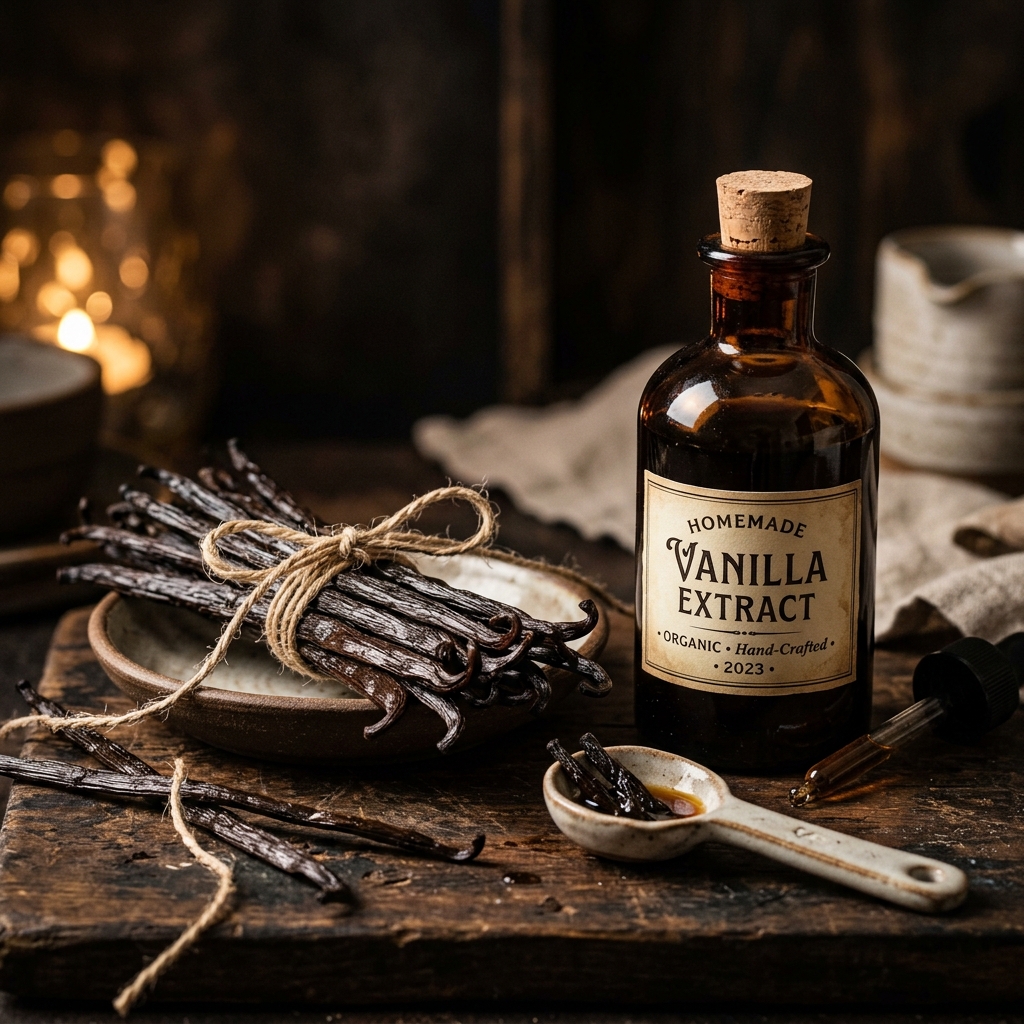
- Comparisons to [vanilla](/food/vanilla) are useful for newcomers: both are warm, sweet aromatics used to perfume desserts — but pandan is a leaf, not an orchid pod, and its history is Southeast Asian.
- The 2026 visual-flavor wave put pandan beside ube, sesame, and matcha as cafes chase photogenic green drinks and cakes; extract and paste often stand in for fresh leaves outside the tropics.
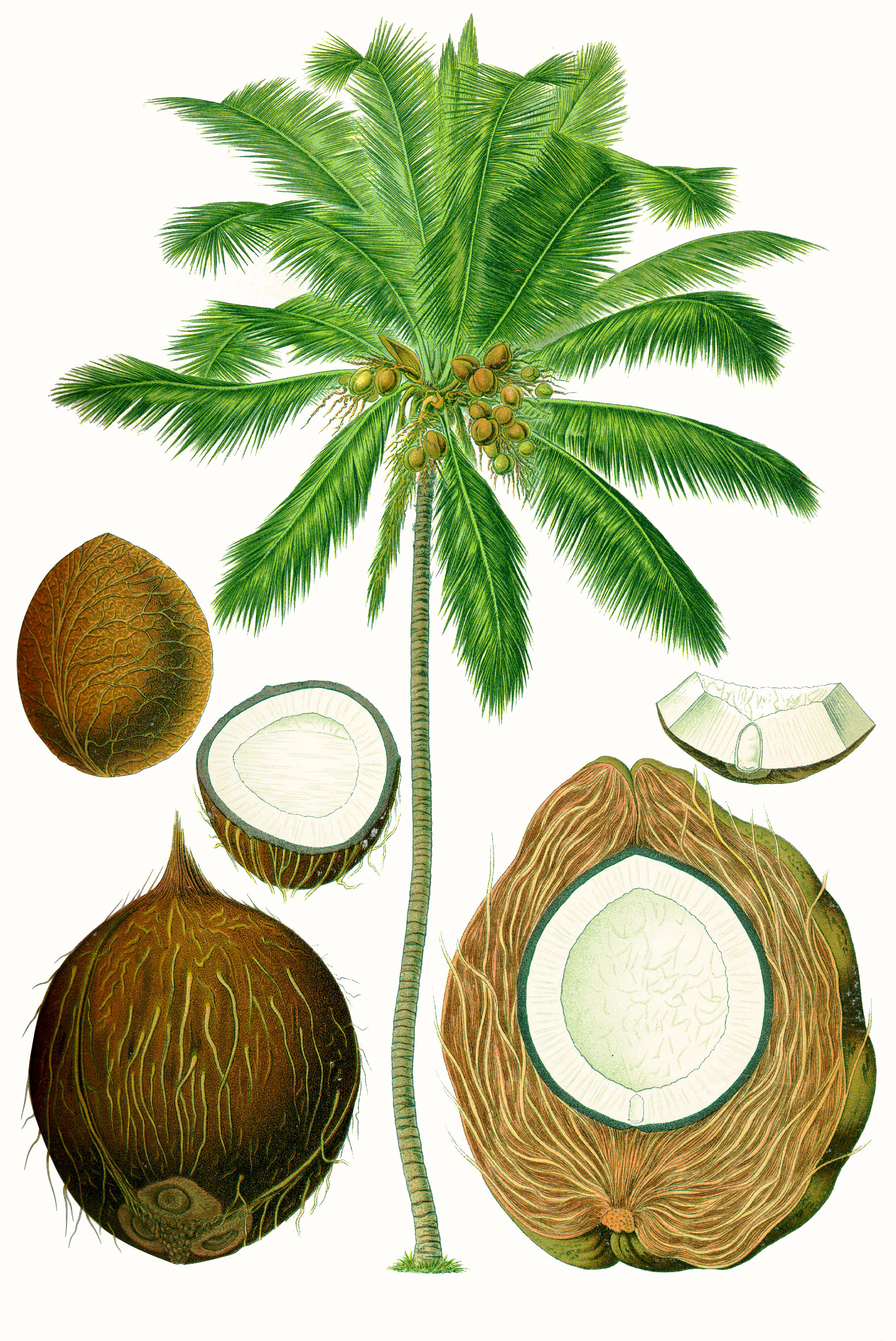
- Pandan almost always travels with [coconut](/food/coconut) and [rice](/food/rice) in classic dishes, which is why coconut-pandan remains the flavor's most durable pairing.
What Is Pandan?
Pandan is the culinary name for the fragrant leaves of Pandanus amaryllifolius, a screwpine relative grown across Southeast Asia as an aroma plant rather than as a salad green [1][2]. Cooks bruise, knot, blend, or steep the long, blade-like leaves to perfume rice, coconut milk, syrups, custards, and cakes. The scent is sweet, grassy, and warm — often compared to vanilla with a hint of fragrant rice or fresh hay. In markets from Jakarta to Bangkok to Ho Chi Minh City, bundles of fresh leaves sit beside other everyday aromatics, treated as kitchen infrastructure rather than as a specialty spice.
In food history terms, pandan is aroma infrastructure. Like a bay leaf or a vanilla pod, it is used to scent a dish and then often removed. That role made it indispensable in Malay, Indonesian, Thai, Vietnamese, and related kitchen traditions long before bottled extract put "pandan" on global cafe menus [4]. The leaf does not need to be the star of the plate; it needs to make starch and coconut fat smell finished. That quiet job is why pandan can feel invisible to outsiders until a cake or drink turns jade green and suddenly the aroma has a name.
Pandanus amaryllifolius Across Southeast Asia
Pandanus amaryllifolius thrives in the humid lowlands of the Malesian botanical region. Households and market gardens grow it as a perennial leaf crop: strip a few blades, bruise them to release aroma, and simmer them with coconut milk or bury them in a pot of rice [2][4]. The plant's culinary identity is regional rather than national — the same leaf appears in Indonesian kue, Malaysian kaya and cakes, Thai desserts, Vietnamese sweets, and Singapore bakery cases. Names vary by language, but the technique family is shared: knot, bruise, steep, strain.
Because pandan is perishable and tropical, its global career depended on extract, paste, and frozen puree as much as on fresh leaves. That technological shift mirrors other aroma crops: the flavor could travel farther once it no longer required a backyard plant. Harold McGee and related kitchen-science writing note the popcorn-like, fragrant-rice character associated with 2-acetyl-1-pyrroline, a compound that helps explain why pandan and some aromatic rices feel related on the nose [3]. The chemistry is useful context; the history is still a leaf grown for scent in Southeast Asian yards and markets.
Colonial and early modern trade moved vanilla, sugar, and European pastry techniques through the same region on a different track. Pandan did not wait for that traffic to become important. It was already the household way to perfume coconut milk and rice while European vanilla followed orchid-and-plantation routes elsewhere [1][2].
Pandan Cake and Coconut Kitchen Classics
Pandan cake is the leaf's most famous modern showcase: a light sponge tinted green by pandan juice or extract, often paired with coconut milk or coconut frosting [4]. Beyond cake, pandan scents nasi lemak-adjacent coconut rice, sticky rice, chendol-style drinks, jelly, and countless kuih. The pairing with coconut is structural, not optional — coconut fat carries pandan's aroma the way dairy carries vanilla. Remove the coconut and the leaf still smells green and sweet; keep the coconut and the aroma blooms into the dessert profile outsiders recognize as "pandan."
These formats show why pandan belongs beside rice and coconut in any Southeast Asian dessert cluster. The leaf did not invent sweetness; it made starch and coconut milk smell like home. Bakery culture later standardized extract so sponge cakes could be green and consistent without juicing leaves for every batter. Traditional color from fresh juice is often pale jade; neon green usually signals bottled paste. Both can taste of pandan, but they tell different supply stories — backyard leaf versus industrial aroma product.
Pandan Versus Vanilla
Calling pandan the vanilla of Southeast Asia is a useful bridge for readers who know vanilla and not pandan. Both are warm dessert aromatics used in small amounts to perfume sugar, fat, and starch. Both also became global through extract and industrial flavoring as much as through whole ingredients [1][3]. A baker reaching for either is usually trying to make a sweet smell complete rather than to add a loud top note.
The comparison stops there. Vanilla is an orchid fruit cured into a pod with a colonial plantation history centered on Mesoamerica, Réunion, and Madagascar. Pandan is a tropical leaf with a Southeast Asian household history. Treating them as interchangeable erases both stories; treating them as parallel aroma strategies explains why bakers reach for either when they want a dessert to smell finished. Vanilla traveled as a luxury spice and then as synthetic vanillin; pandan traveled as a fresh leaf and then as green extract. The Research Desk keeps the nickname as a teaching tool, not as a claim that one replaced the other.
The 2026 Visual-Flavor Wave
By 2026, pandan had joined ube, black sesame, and matcha in a broader Asian dessert-flavor mainstream: green drinks, jade cakes, and coconut-pandan soft serve built for feeds as much as for merienda tables [5]. The visual hook is obvious — pandan reads as color — but the deeper draw is aroma nostalgia for Southeast Asian and diaspora eaters, and novelty for everyone else. Cafe menus that already trained customers on matcha green found pandan an easy adjacent story: another named green, another "exotic" aromatic, another photogenic drink.
A source-led page should separate trend from origin. Neon extract is a 21st-century cafe tool. Knotting a pandan leaf into coconut milk is much older kitchen practice. The wave is new attention on an old leaf. Diaspora restaurants and bakeries had already carried pandan desserts into North America, Europe, and Australia before the trend desks named the wave; social media simply made the green more legible to people who had never shopped a Southeast Asian wet market.
Pandan Today
Today pandan appears in cakes, cookies, lattes, boba, ice cream, kaya toast fillings, and savory rice. Fresh leaves remain common in Southeast Asian markets; elsewhere, bakers rely on paste and extract. The best versions still smell like bruised green leaf and coconut, not like candy coloring. In home kitchens across the region, the leaf continues its quieter work — a knot in the rice pot, a blade in the syrup — whether or not anyone photographs the result.
For The Foods That Shaped Us, pandan links vanilla, coconut, rice, and matcha. It is the Southeast Asian aroma leaf that scented home cooking for generations and now sits in the same visual-flavor conversation as purple ube and powdered tea. Follow the leaf and the coconut pot before the latte art.
In the news
Recent 2026 food-culture notes that reference this article.
Historical Timeline
Pandanus amaryllifolius is cultivated across the Malesian region as a fragrant kitchen leaf for rice, sweets, and coconut-based cooking.
Cooks in what is now Indonesia, Malaysia, Singapore, Thailand, and Vietnam standardize techniques of bruising, knotting, and steeping pandan leaves in coconut milk and syrups.
Pandan continues as everyday aroma in household cooking while European vanilla enters global dessert trade on a separate orchid-and-plantation track.
Pandan cake and commercial pandan extract/paste spread through Southeast Asian bakeries and home kitchens, making the green sponge a regional classic.
Diaspora restaurants and bakeries introduce pandan desserts and drinks to North America, Europe, and Australia.
Social media amplifies pandan's neon-green color in cakes, lattes, and soft serve; food writers increasingly call it a tropical counterpart to vanilla.
Pandan joins ube, sesame, and matcha in the Asian dessert-flavor mainstream as cafes chase visual-aromatic trends.
Evidence Explorer
Review the Source Trail
Inspect the article sources, scoped review credits, and copyable citation details without leaving the page.
Sources Listed
Comments
Community comments are coming soon. Check back later to join the discussion!