
Swicy Explained: The Sweet-Spicy Mashup That Was Never Only a 2026 Coinage
Swicy — sweet plus spicy — is a 2026 menu and snack buzzword. Hot honey, chili-mango, and chile-chocolate are new labels on a much older sweet-heat pairing.
Swicy is industry and menu slang for sweet-and-spicy flavor mashups — hot honey on pizza, chili-mango snacks, chile-chocolate, gochujang glazes. FoodNavigator and 2026 flavour-trend coverage treat sweet heat as a growth lane. The word is new; combining sugar or honey with chili is old, from Mexican chamoy to Korean spicy-sweet sauces to American hot honey.
What's happening
Swicy — a portmanteau of sweet and spicy — is a 2026 flavour-trend buzzword for snacks, sauces, and restaurant specials that pair sugar, fruit, or honey with chili heat [1]. Hot honey pizza, chili crisp on ice cream, and sweet-chili chips all sit in the same lane.
The word helps marketers name a cluster; cooks have been doing the mashup without the label for a long time.
The history behind it
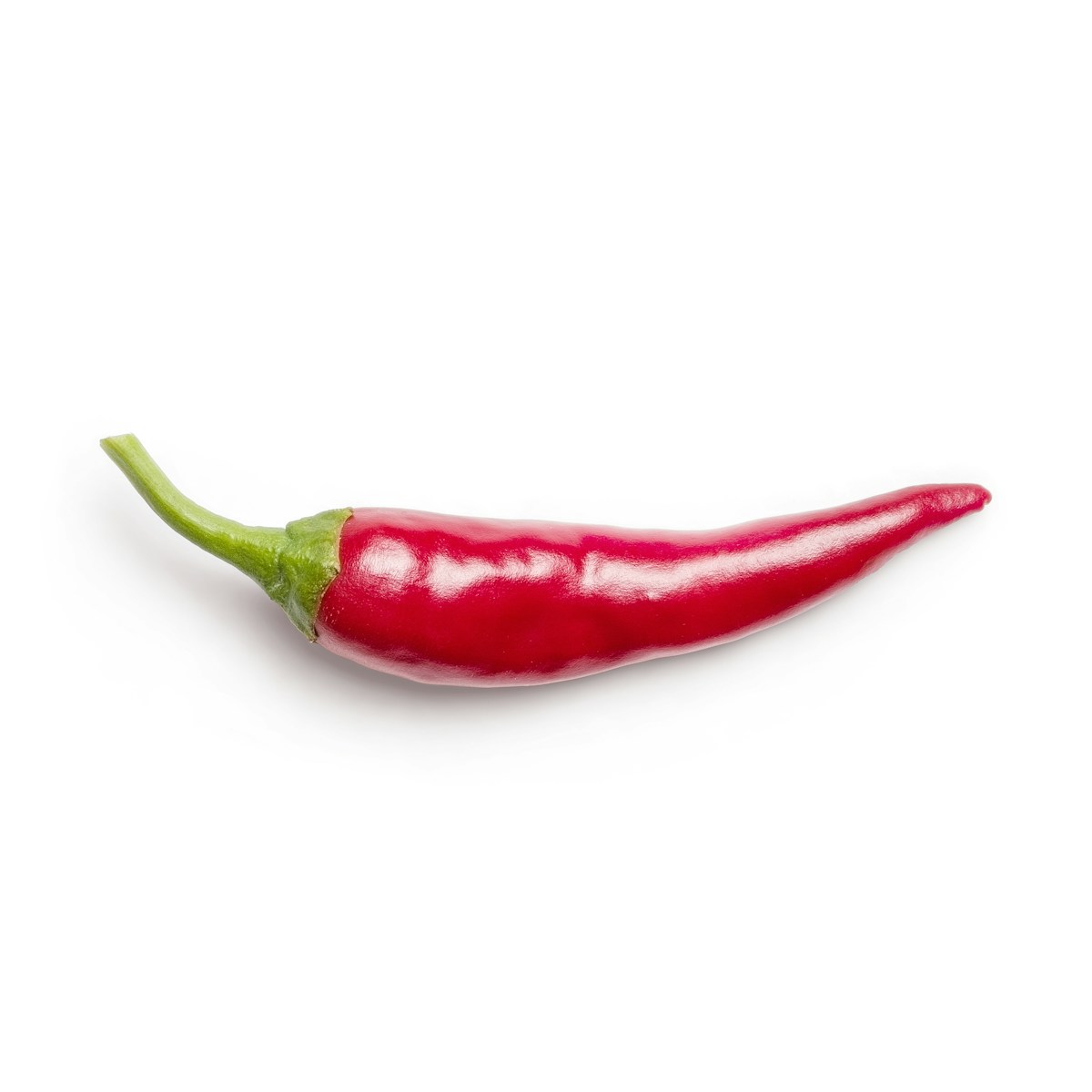
Chili peppers are New World Capsicum plants that remade global cuisines after the Columbian Exchange [2]. Honey is an Old World sweetener used for millennia; combining heat and sweetness appears wherever chilies met sugar, fruit, or honey — from Mexican sweets and chamoy to Korean gochujang glazes to American hot honey on fried chicken and pizza [3][4].
Hot honey is one visible 2026 carrier of the swicy idea: chili-infused honey that makes the sweet-heat logic explicit in a squeeze bottle.
Why it matters
The food-history value is that a viral coinage often renames an old sensory pairing. Swicy is useful vocabulary; it is not a new taste invention. For hot honey and chili-pepper histories, see below.
How to try it
Drizzle hot honey on pizza, fried chicken, or roasted carrots; dust chili-lime seasoning on mango or pineapple; stir a little honey into chili crisp. Balance matters: sweetness should round heat, not bury it. Start mild if you are heat-sensitive. For the full stories of hot honey and the chili pepper behind the burn, read below.
📖 Read the full history
Trend Desk notes are timely. The durable history behind each trend lives in these articles and collections.
Comments
Community comments are coming soon. Check back later to join the discussion!