Ube Is the Next Matcha — a Filipino Yam With Centuries of Dessert History
Ube, the purple yam behind ube halaya and ube ice cream, is rising as 2026's next visual flavor after matcha — a Filipino staple, not a new invention.
Ube, the purple yam of the Philippines, is rising as 2026's next visual flavor after matcha — in lattes, ice cream, and bakery swirls. The color is new to many Western menus; the ingredient is not. Ube has long anchored Filipino desserts such as ube halaya, and it is a true yam (Dioscorea), distinct from taro.
What's happening
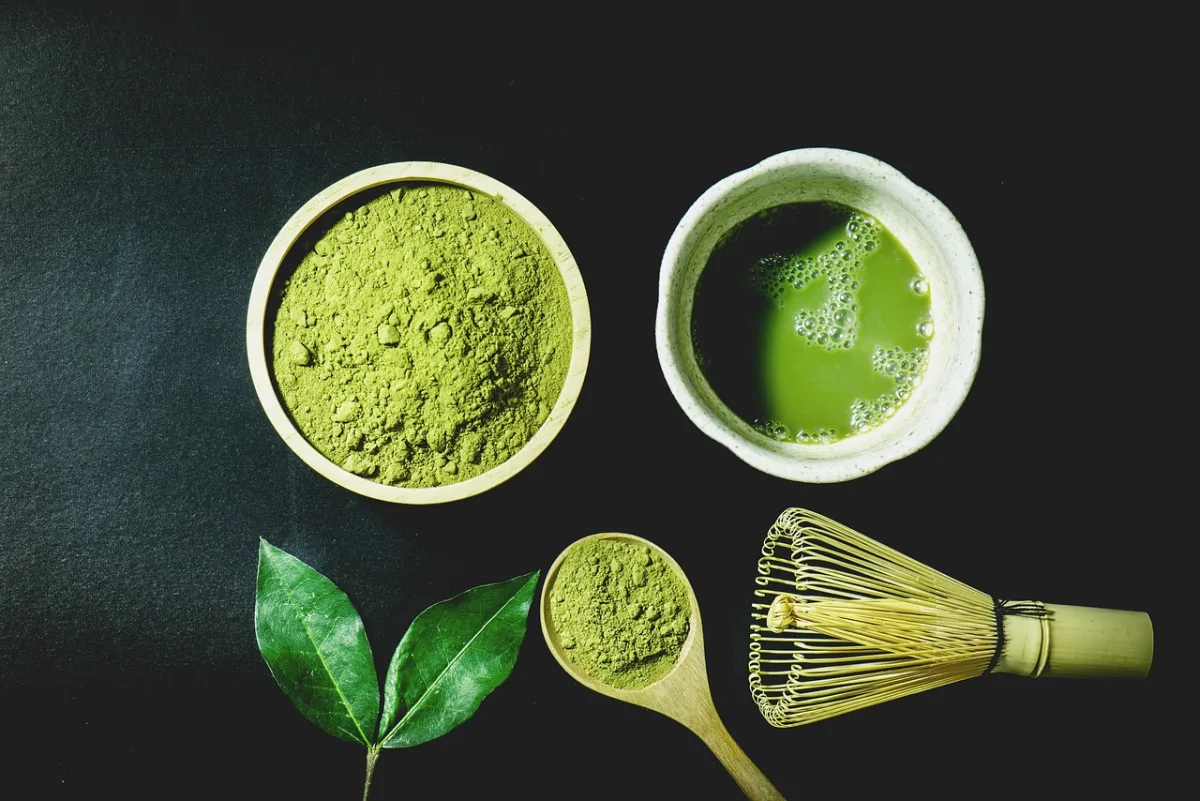
After matcha saturated cafe menus, ube is the purple follow-on: lattes, soft-serve, cookies, and cake swirls tinted a deep violet that photographs as cleanly as matcha green. FoodNavigator's 2026 flavour coverage frames matcha fusions as a defining cafe story; ube sits in the same visual-flavor lane — an ingredient chosen as much for color as for taste [1].
Searches cluster around "what is ube," "ube vs taro," and ube latte recipes as Western bakers and baristas adopt a Filipino pantry staple.
The history behind it
Ube is Dioscorea alata, a true yam native to Southeast Asia and long cultivated in the Philippines. It is not taro (Colocasia) and not sweet potato, though all three get confused in English. Filipino cooks mash and simmer ube with milk and sugar into ube halaya, fold it into ice cream and halo-halo, and use it as a festival and bakery flavor with a nutty, vanilla-adjacent sweetness [2].
Yams of the Dioscorea genus are among the world's oldest tropical staples, domesticated across Africa, Asia, and the Pacific. Ube's purple anthocyanin color made it a natural dessert dye long before Western cafes needed a "next matcha."
Why it matters
The food-history value is that calling ube the "next matcha" describes a marketing sequence, not an origin story. Matcha is a powdered tea with a millennium of East Asian ritual; ube is a Filipino yam with its own dessert tradition. Both are old ingredients meeting new cafe formats. For the full histories, see ube and matcha below.
How to try it
Look for ube jam (ube halaya), ube extract, or frozen grated ube at Filipino and Southeast Asian grocers. Stir a spoonful of ube jam into milk for a simple latte base, or fold it into buttercream and ice cream. Real ube tastes mildly sweet and nutty, closer to vanilla and pistachio than to berry; neon-purple bakery products sometimes rely more on coloring and extract than on the yam itself. If a product lists only "purple coloring," it is not ube. For the full ube and matcha histories, read below.
📖 Read the full history
Trend Desk notes are timely. The durable history behind each trend lives in these articles and collections.
Comments
Community comments are coming soon. Check back later to join the discussion!