💡 Key Takeaways
- Ube is the Filipino name for purple yam (Dioscorea alata), a true yam with violet flesh prized in Philippine desserts — not the same plant as orange sweet potato.
- Ube halaya, a slow-cooked jam of grated ube, coconut milk, and sugar, is the classic Philippine preparation that anchors ice cream, cakes, and bakery fillings.
- Spanish colonial sugar and coconut dairy traditions shaped how ube moved from a root crop into festive sweets across the archipelago.
- Filipino diaspora bakeries in North America, the Middle East, and elsewhere turned ube into a visible global flavor through ice cream, croissants, and purple-frosted cakes.
- Media and cafe culture often call ube the "next matcha" because both are vivid, photogenic, and culturally specific flavors that travel well into lattes and pastries — but ube's history is Philippine, not Japanese tea ceremony.
- Confusion with purple sweet potato and artificial purple coloring is common; authentic ube flavor is nutty, vanilla-adjacent, and earthy rather than simply "purple."
What Is Ube?
Ube is the Filipino name for purple yam, botanically Dioscorea alata, a climbing vine whose underground tubers can show deep violet flesh. It is a true yam — a member of the Dioscoreaceae family — and one of the most culturally important dessert ingredients in Philippine cuisine [1][2]. In English-language food media, "ube" has become shorthand for that purple color and for the nutty, mildly sweet flavor that Filipino cooks extract by boiling, grating, and simmering the root. The word itself is Tagalog; related names appear across Philippine languages for the same greater-yam complex that Island Southeast Asia has cultivated for centuries.
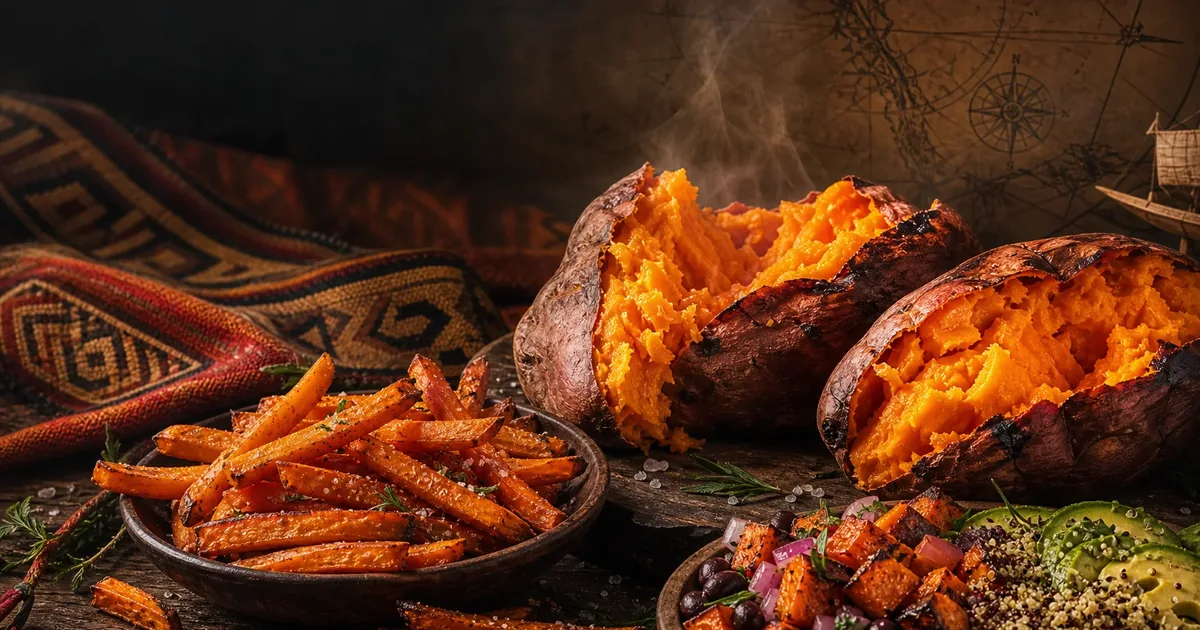
Ube is not sweet potato, even when grocery labels blur the two. Sweet potatoes are morning-glory roots (Ipomoea batatas); ube is a yam. The distinction matters for food history because Philippine ube desserts grew from Southeast Asian yam agriculture, not from Andean sweet-potato trade. Purple-fleshed sweet potatoes exist and sometimes get sold as "ube" outside the Philippines, which only deepens the confusion. A source-led reading keeps the plants apart: different families, different domestication stories, overlapping purple marketing.
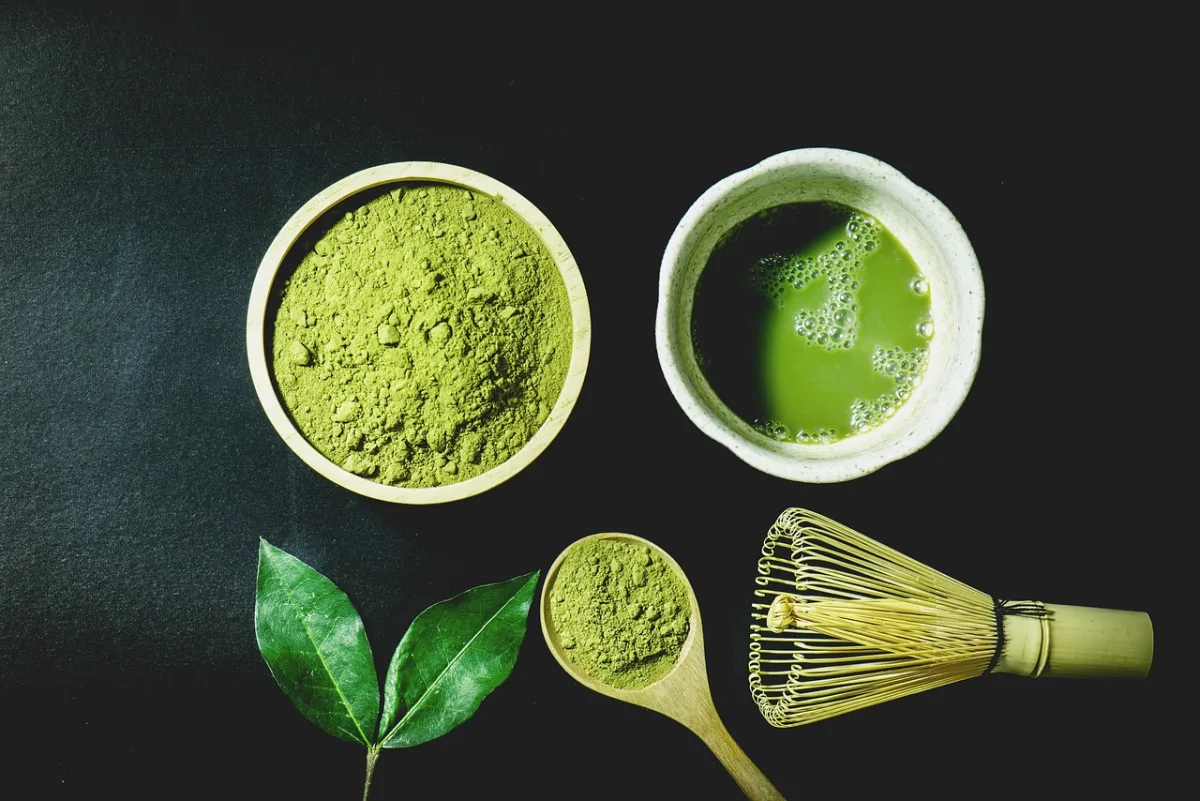
Ube also sits beside matcha in modern cafe culture as a vivid, culturally specific flavor — which is why marketers call it the "next matcha," even though the plants and histories have nothing in common [5]. Matcha is powdered tea with a Japanese ceremonial core; ube is a Philippine root crop with a confectionery core. The analogy explains shelf placement, not origin.
Purple Yam in Philippine Agriculture
Dioscorea alata, sometimes called the greater yam, has deep roots in Island Southeast Asian agriculture. In the Philippines, ube was cultivated as a household and market crop long before it became a global bakery trend [2][3]. Growers value varieties for flesh color, starch, and sweetness; the most prized dessert ube is intensely purple and aromatic when cooked. Tubers can be large, starchy, and slow to mature, which is one reason fresh ube remains seasonal and relatively costly outside major Philippine growing regions.
As a starch crop, ube belongs to the same broad world of tropical root foods that fed communities across the Pacific and Southeast Asia. Yams traveled with Austronesian and Island Southeast Asian foodways long before Spanish colonial sugar economies remade dessert culture. What made Philippine ube distinctive was not only the plant but the dessert culture built around it: slow cooking with coconut milk and sugar, festive presentation, and a color that signaled celebration as clearly as flavor did [4].
Agricultural handbooks and culinary sources treat ube as both staple starch and specialty dessert crop. Boiled or steamed ube can appear in savory household cooking, but the global reputation rests on the sweet kitchen — the jam pot, the ice-cream freezer, and the bakery case — where purple flesh becomes identity.
Ube Halaya and Classic Filipino Desserts
Ube halaya (also spelled halea) is the classic preparation: grated or mashed ube cooked slowly with coconut milk and sugar until it becomes a thick, glossy jam [4]. The jam can be eaten on its own, rolled into pastillas-style sweets, layered into cakes, or folded into ice cream bases. From that core technique came ube ice cream, ube cake, ube pandesal fillings, and the purple swirl that now appears in diaspora bakeries worldwide. The method is labor and attention: water cooks out, sugars concentrate, and the yam's starch sets into a spreadable confection.
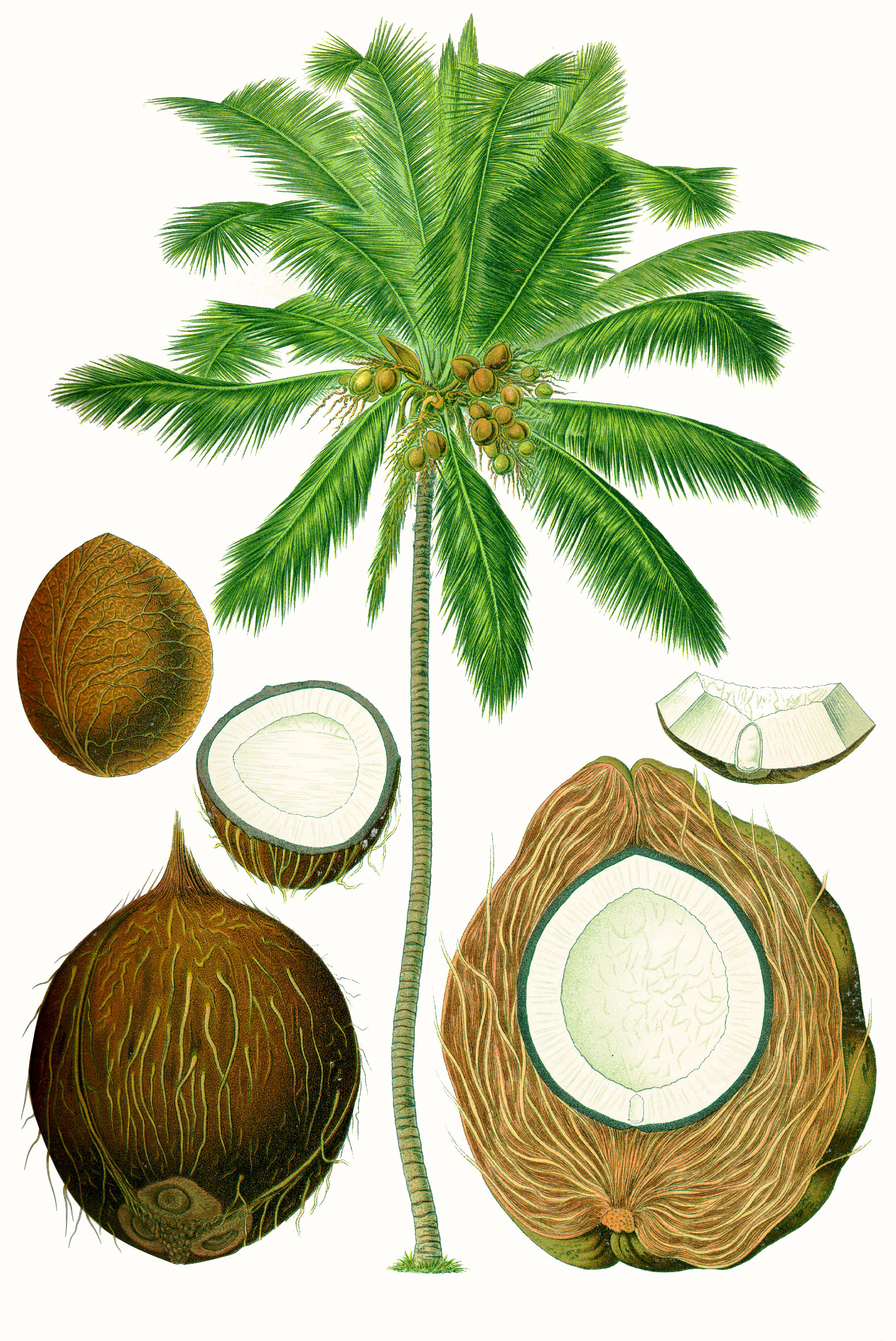
Spanish colonial sugar economies and coconut dairy traditions shaped how ube moved from boiled root to confection. Cane sugar made dense, shelf-stable sweets more practical for fiestas and gift foods; coconut milk supplied the fat that carries ube's aroma the way dairy carries vanilla in European pastry [1][4]. The dessert is Philippine in identity, but it sits inside a wider Southeast Asian pattern of root crops cooked with coconut and sugar into festive sweets — a pattern that also helps explain why ube travels so well into modern pastry formats.
Commercial kitchens later standardized extract, powder, and frozen puree so ice cream and cake could be made year-round. Those industrial shortcuts did not invent ube flavor; they scaled a household and bakery technique that already existed. When a jar of "ube jam" or a purple soft-serve tastes like cooked yam rather than grape candy, it is still pointing back to halaya.
Diaspora Bakeries and the Global Purple Boom
Filipino communities abroad made ube visible far beyond the archipelago. Bakeries in California, Canada, the Middle East, and elsewhere put ube croissants, cookies, and frosted cakes in shop windows where the color alone stopped foot traffic [4][5]. Grocery brands followed with ube extract, powder, and ice cream, sometimes stretching limited fresh-yam supply with flavoring and color. Family recipes traveled in luggage and memory; commercial products followed demand.
That diaspora path is the real bridge to the "next matcha" headline. Like matcha, ube entered global feeds as a photogenic powder-and-pastry flavor before many consumers knew the agricultural story underneath. Unlike matcha, ube's ceremonial core is not a tea room — it is the Filipino kitchen, the merienda table, and the bakery case. The boom is therefore a visibility story as much as a flavor story: a dessert already central to Philippine and diaspora life became legible to non-Filipino cafe culture once purple laminated dough and purple soft serve filled social media.
Supply constraints matter here. Fresh ube is bulky, seasonal, and expensive to ship; extract and powder made the flavor portable. That same portability invites imitation — purple dye without yam character — which is why serious bakeries still talk about puree quality and why Filipino cooks often judge "ube" products by aroma and taste, not by how neon the frosting looks.
Why Ube Is Called the "Next Matcha"
Food media and cafe menus often pair ube with matcha because both deliver a strong visual identity: matcha's green, ube's purple. Both also carry cultural specificity that feels more interesting than generic vanilla frosting, and both work in lattes, soft serve, and laminated dough [5]. The comparison is a marketing analogy, not a botanical or historical claim. Trend desks need a shorthand for "photogenic Asian dessert flavor," and ube fit the slot after matcha had already trained global audiences to accept vivid, culturally named cafe colors.
A source-led reading should keep the analogy in check. Matcha's history runs through Song powdered tea, Zen transmission, and Uji tencha. Ube's history runs through Philippine yam agriculture, coconut-sugar confectionery, and diaspora baking. Calling ube the next matcha explains why cafes stock it in 2026; it does not explain what ube is. The better pairing for understanding ube on this site is sweet potato (to clarify what it is not), coconut and sugar (to explain how it became dessert), and only then matcha (to explain the trend headline).
Ube Today
Today ube appears in ice cream, cakes, cookies, croissants, lattes, mochi, and boxed cake mixes from Manila to Los Angeles. Fresh ube remains seasonal and regional; much of the global flavor depends on extract, powder, and frozen puree. The best versions still taste like cooked purple yam — earthy, nutty, and gently sweet — rather than grape candy. In Philippine markets and kitchens, ube continues as both specialty crop and celebration sweet; abroad, it is often the first Filipino dessert flavor non-Filipino diners recognize by color alone.
For The Foods That Shaped Us, ube links matcha, sweet potato, coconut, and sugar. It is a Philippine root crop that became a diaspora dessert signature and then a mainstream cafe color — proof that visual flavor waves often rest on much older kitchen techniques. The Research Desk reading is simple: follow the yam, the jam pot, and the bakery case before the trend label.
In the news
Recent 2026 food-culture notes that reference this article.
- Jul 6, 2026Ube Is the Next Matcha — a Filipino Yam With Centuries of Dessert History→
- Jun 18, 2026Filipino Desserts in U.S. Cities: Diaspora Bakery History→
- Jun 18, 2026What Is Halo-Halo? Filipino Shaved-Ice Dessert Explained→
- Jun 18, 2026Ube Halaya: Filipino Purple Yam Jam History→
- Jun 18, 2026Ube vs Taro vs Purple Sweet Potato→
Historical Timeline
Dioscorea alata, the greater yam, is cultivated across Island Southeast Asia; in the Philippines it becomes known as ube and enters local agriculture and cooking.
Ube is grown as a root crop and cooked in savory and sweet household formats long before Spanish colonial sugar plantations reshape dessert culture.
Coconut milk, sugar, and festive confectionery traditions help establish ube halaya — a slow-cooked purple yam jam — as a Philippine celebration sweet.
Ube ice cream, cakes, and bakery fillings become everyday Filipino dessert formats at home and in commercial kitchens.
Filipino diaspora communities carry ube desserts to North America, the Gulf, and beyond through bakeries, grocery brands, and family recipes.
Ube croissants, lattes, and purple cakes go viral on social media; food media begins comparing ube's visual boom to matcha.
Ube sits in the Asian dessert-flavor mainstream wave beside pandan, sesame, and matcha as cafes chase photogenic, culturally specific sweets.
Evidence Explorer
Review the Source Trail
Inspect the article sources, scoped review credits, and copyable citation details without leaving the page.
Sources Listed
Comments
Community comments are coming soon. Check back later to join the discussion!