What Is Horchata? Searches +185% for a Drink With Moorish Roots
Horchata, with "what is horchata" searches up 185% in 2026, is a Mexican rice drink descended from a medieval Mediterranean tiger-nut drink carried west under Moorish influence.
Horchata, with "what is horchata" searches up about 185% in summer 2026, is a sweet, creamy Mexican rice drink flavored with cinnamon. It descends from "horchata de chufa," a medieval Mediterranean tiger-nut drink whose name and technique traveled west under Moorish influence and were adapted to rice in the Americas.
What's happening
"What is horchata" is up about 185% in 2026, per Google Summergeist, driven by the matcha-horchata latte breakout and a wider summer interest in cold, creamy, dairy-free drinks [1]. The search wave is a new audience meeting a drink that is everyday in Mexico but unfamiliar elsewhere.
The history behind it
The name "horchata" comes from the Latin hordeata (barley water), and the medieval Mediterranean version was made from chufa (tiger nuts) — a drink associated with Moorish Spain and the Valencian region [2]. Spanish colonists carried the name and the soaking-and-straining technique to the Americas, where it was adapted to rice, cinnamon, vanilla and sometimes almonds or melon seeds — the Mexican horchata most people now search for [3].
Why it matters
The food-history value is that a 2026 breakout search is a medieval Mediterranean drink that crossed an ocean and changed its base ingredient. For the matcha boom and wider cafe trends, see the articles below.
How to try it
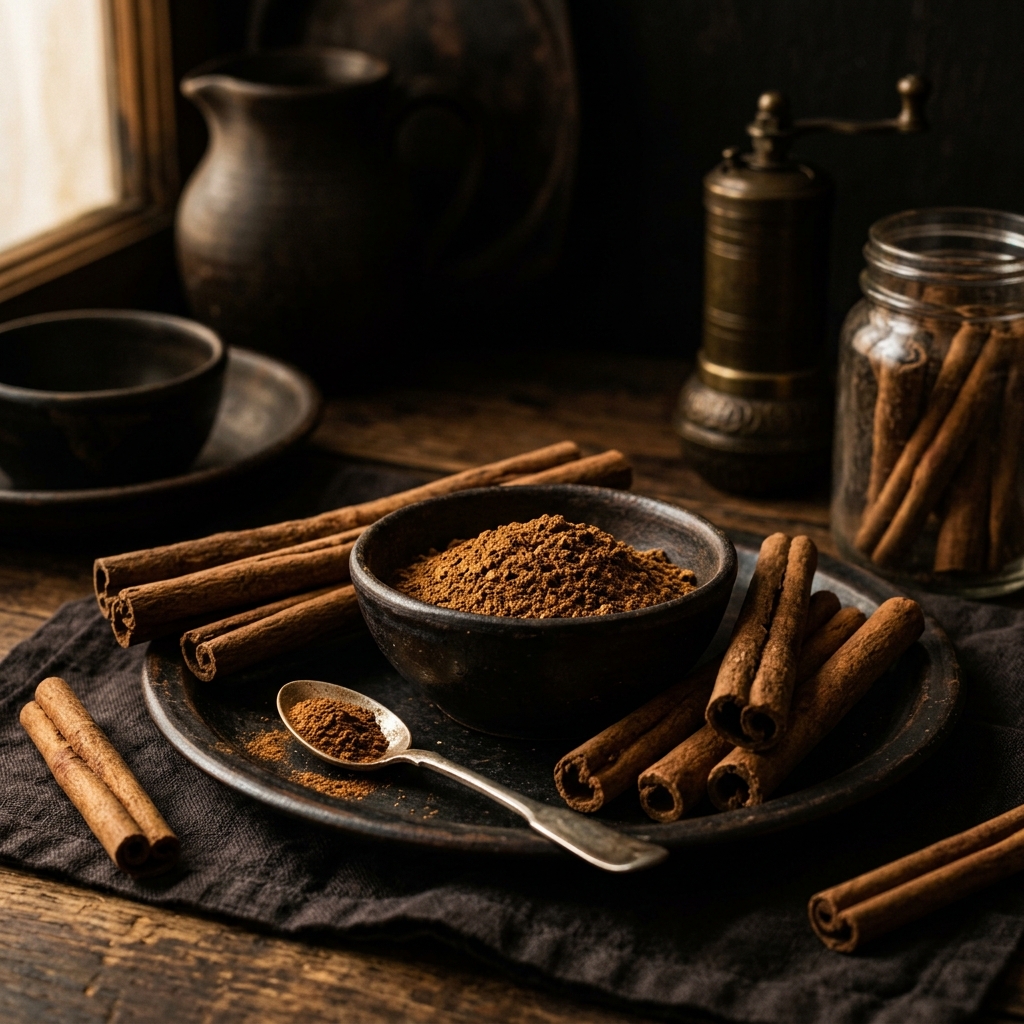
Mexican horchata is easy to make: soak white rice with a cinnamon stick for a few hours, blend with water and a little sugar, and sometimes almonds or vanilla, then strain through a fine mesh or cloth. Serve over ice. Store-bought horchata works too, especially in horchata lattes. If you want the original, look for horchata de chufa, the tiger-nut version, at Spanish shops. For the matcha boom and the drink's broader cafe context, read below.
📖 Read the full history
Trend Desk notes are timely. The durable history behind each trend lives in these articles and collections.

Comments
Community comments are coming soon. Check back later to join the discussion!