
U.S. purchase guide

Which Cinnamon Should You Buy? Ceylon vs Cassia vs Saigon for Baking and Cooking

Three U.S.-available cinnamons compared by botanical species, coumarin concentration, quill vs ground format, unit price per ounce, and culinary use.
Published Updated Market: United StatesBy
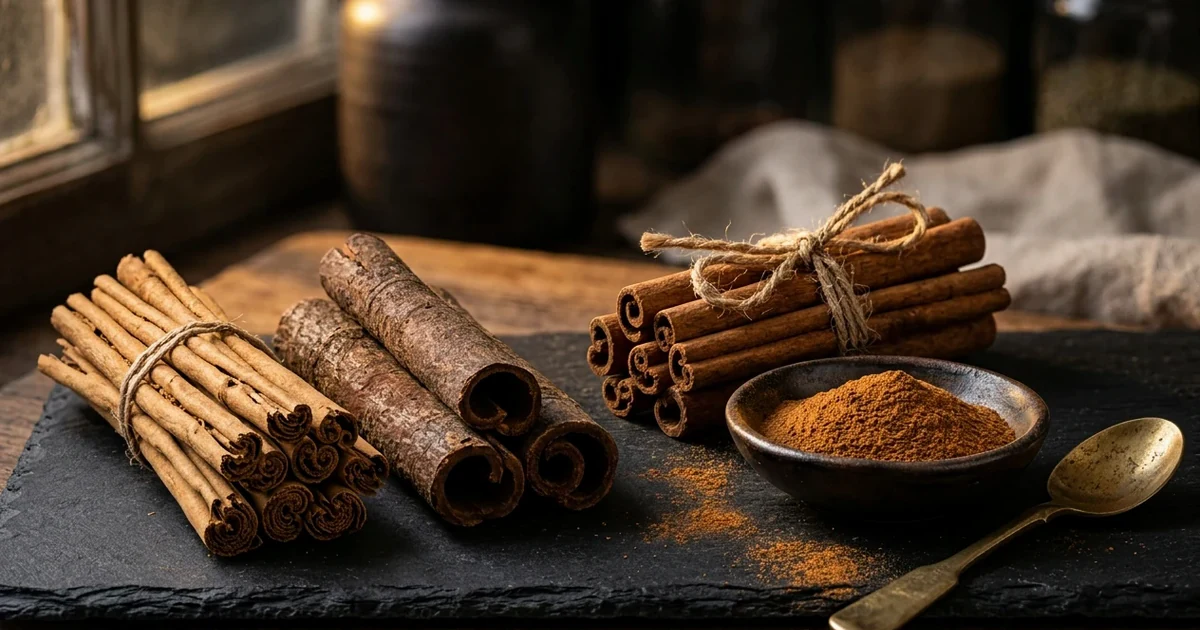
Three unlabelled bundles of cinnamon sticks comparing multi-layered Ceylon quills, thick Cassia bark, and ground spice in a ceramic bowl
Cinnamon in the U.S. spans four distinct tree species, ranging from delicate low-coumarin Ceylon quills to potent high-oil Saigon bark. Image: The Foods That Shaped Us Research Desk. Image terms. Request permission.

Purchase verdict

For sweet baked goods and spiced drinks where punchy sweetness and high essential oil content are priorities, Vietnamese Saigon cinnamon (Cinnamomum loureiroi) from Burlap & Barrel is the most aromatic documented choice. For daily oatmeal, smoothies, or medicinal use where low coumarin is required, Frontier Co-op Ceylon cinnamon (Cinnamomum verum) is the safest botanical fit. McCormick ground cinnamon provides a standardized grocery baseline using Indonesian Korintje cassia (Cinnamomum burmannii). These are label-based botanical distinctions, not a sensory ranking.

Track this category through time

Quick choices

Observed prices are U.S. snapshots from August 30, 2026. Seller links are direct and non-affiliate.

Product choices, documented use, observed U.S. price, package size, unit price, and seller
ProductDocumented fitObserved priceSeller
Burlap & Barrel Royal Cinnamon (Saigon / Cinnamomum loureiroi)Heirloom single-origin ground Saigon cinnamon bark; 1.8 oz (51 g) jarFor bakers and beverage makers seeking a high-cinnamaldehyde, intensely sweet Vietnamese cinnamon for cinnamon rolls, pies, and stovetop chai.$9.991.8 oz$5.55 per ozAvailable when checkedCheck Burlap & BarrelVerified 2026-08-30
Frontier Co-op Regenerative Organic Certified® Ceylon Cinnamon GroundGround organic Ceylon cinnamon (Cinnamomum verum); 1.76 oz (50 g) glass bottleFor daily oatmeal, smoothies, tea, and health-focused recipes requiring authentic Ceylon cinnamon with negligible coumarin content.$8.091.76 oz$4.60 per ozAvailable when checkedCheck Frontier Co-opVerified 2026-08-30
McCormick Ground Cinnamon (Korintje Cassia)Ground Indonesian Korintje cinnamon (Cinnamomum burmannii); 2.37 oz plastic bottleFor an everyday pantry staple offering familiar warm bakery flavor and accessible price per ounce for standard household baking.$5.492.37 oz$2.32 per ozAvailable when checkedCheck McCormickVerified 2026-08-30

Where to buy in the U.S.

These direct, non-affiliate seller pages were checked on August 30, 2026. Stock, shipping, taxes, and checkout prices can vary by location and date.

How products were selected

  • We selected products with a manufacturer-controlled U.S. product page, a readable ingredient list, a stated package size, and a price observed on August 30, 2026.
  • The comparison separates documented botanical species and chemical facts from sensory judgments. The Research Desk has not completed a side-by-side taste test of these spices.
  • Unit prices use the observed single-jar price before shipping, tax, subscriptions, bundles, or checkout discounts.

Product evidence

documented only

Burlap & Barrel Royal Cinnamon (Saigon / Cinnamomum loureiroi)

Heirloom single-origin ground Saigon cinnamon bark; 1.8 oz (51 g) jar

Check seller

For this use: For bakers and beverage makers seeking a high-cinnamaldehyde, intensely sweet Vietnamese cinnamon for cinnamon rolls, pies, and stovetop chai.

Ingredients documented
100% ground Royal Cinnamon (Cinnamomum loureiroi).
Stated origin / claims
Single-origin heirloom cinnamon harvested in the Quang Nam Mountains, Vietnam.; Non-irradiated; Direct trade claim; Non-GMO claim
Suitable uses
Cinnamon rolls, babka, and apple pies; Chai concentrates and spiced ciders; Barbecue rubs and chili bases
Allergens to check
Check the current package and facility statement.

Documented advantages

  • Documented 4-5% essential oil content (significantly higher than typical grocery cassia)
  • Heirloom single-origin harvesting from Quang Nam Vietnam
  • Natural sweetness reduces need for added sugar in doughs

Limitations

  • Higher coumarin content than Ceylon cinnamon, making it less suitable for heavy daily wellness consumption
  • Highest unit price per ounce in this comparison
  • Potent flavor can overpower delicate custard desserts

documented only

Frontier Co-op Regenerative Organic Certified® Ceylon Cinnamon Ground

Ground organic Ceylon cinnamon (Cinnamomum verum); 1.76 oz (50 g) glass bottle

Check seller

For this use: For daily oatmeal, smoothies, tea, and health-focused recipes requiring authentic Ceylon cinnamon with negligible coumarin content.

Ingredients documented
Organic Ceylon Cinnamon (Cinnamomum verum).
Stated origin / claims
Sourced from organic smallholder growers in Sri Lanka.; USDA Organic; Regenerative Organic Certified®; Non-GMO Project Verified; Kosher Certified
Suitable uses
Daily morning oatmeal, yogurt, and smoothies; Mexican hot chocolate and horchata; Middle Eastern lamb and rice pilafs
Allergens to check
Check the current package and facility statement.

Documented advantages

  • Botanical Cinnamomum verum with ultra-low coumarin (typically <0.004%)
  • Regenerative Organic Certified® and USDA Organic verification
  • Delicate, complex floral-citrus flavor profile

Limitations

  • Milder flavor can bake out or get lost in heavy, high-fat pastry doughs
  • Higher unit price than standard supermarket cassia
  • Lacks the fiery, sharp heat associated with bakery-style cinnamon

documented only

McCormick Ground Cinnamon (Korintje Cassia)

Ground Indonesian Korintje cinnamon (Cinnamomum burmannii); 2.37 oz plastic bottle

Check seller

For this use: For an everyday pantry staple offering familiar warm bakery flavor and accessible price per ounce for standard household baking.

Ingredients documented
Ground Cinnamon (Cinnamomum burmannii).
Stated origin / claims
Indonesian Korintje cassia bark.; Non-GMO claim; Kosher certified
Suitable uses
Everyday cookies, pancakes, and toast; Apple crisps and fruit pies; Savory spice rubs and stews
Allergens to check
Check the current package and facility statement.

Documented advantages

  • Lowest unit price per ounce in this comparison
  • Standardized flavor profile recognized in American baked goods
  • Widely available across nationwide U.S. grocery aisles

Limitations

  • Moderate coumarin content typical of Indonesian cassia bark
  • Standard grocery grind loses volatile aromatics faster once opened
  • Single plastic container format rather than airtight glass

What to check on the label

  • Identify the Latin botanical name on the label. "Cinnamomum verum" (or C. zeylanicum) denotes true Ceylon cinnamon from Sri Lanka. "Cinnamomum cassia" (Chinese), "Cinnamomum loureiroi" (Saigon/Vietnamese), and "Cinnamomum burmannii" (Korintje/Indonesian) are cassia varieties.
  • Check coumarin content if consuming daily in spoonful quantities. European food safety authorities (BfR/EFSA) set a tolerable daily intake for coumarin; Ceylon cinnamon contains only trace levels (<0.004%), whereas cassia varieties can contain 0.1% to 1.0% coumarin.
  • Distinguish whole stick structures. Ceylon cinnamon quills are composed of paper-thin, delicate, multi-layered sheets rolled into a tight cigar-like cylinder. Cassia sticks consist of a thick, hard, single-layer woody curl that is difficult to break by hand.
  • Understand origin and processing claims. "True Cinnamon" is an ancient market designation for Sri Lankan bark, not a legal guarantee that it will taste sweeter in high-heat oven baking than high-oil Saigon bark.

Ceylon vs Cassia: Botanical differences and coumarin considerations

What consumers purchase as "cinnamon" in the United States typically represents one of four distinct botanical species within the Lauraceae family. Ceylon cinnamon (Cinnamomum verum), native to Sri Lanka, is harvested by shaving the ultra-thin inner bark of young shoots and rolling them into dense, multi-layered quills [2][4]. Cassia cinnamons—including Indonesian Korintje (C. burmannii), Chinese Cassia (C. cassia), and Vietnamese Saigon (C. loureiroi)—use the thicker, rougher outer and inner bark layers of mature trees, yielding harder quills and darker, more pungent powders [1][3].

The critical biochemical divergence between these species centers on cinnamaldehyde and coumarin. Saigon cinnamon contains the highest concentration of cinnamaldehyde (up to 4-5% essential oil), giving it a fiery, intensely sweet profile favored in American commercial bakeries [1]. However, all cassia varieties contain measurable amounts of coumarin, a naturally occurring hepatotoxic compound regulated in Europe. Ceylon cinnamon contains negligible coumarin (<0.004%), making it the scientifically recommended choice for daily supplementation or regular high-volume dietary use [4][5].

Choosing cinnamon for oven baking vs stovetop chai and savory stews

Culinary performance varies significantly based on heat exposure and fat content in the recipe. In high-heat oven baking—such as yeast rolls, cookies, and fruit pies—the subtle floral and citrus volatile notes of Ceylon cinnamon easily dissipate, leaving behind a faint sweetness. For these baked goods, the robust, spicy cinnamaldehyde backbone of Saigon or Korintje cassia holds up far better under prolonged oven heat [1][3].

Conversely, in stovetop infusions, delicate pastry creams, Mexican horchata, or savory Middle Eastern and South Asian rice pilafs, Ceylon cinnamon shines. Its subtle woody warmth and absence of astringent bitterness allow other delicate spices—such as cardamom, cloves, and saffron—to remain balanced rather than overwhelmed. When purchasing whole sticks for simmering in broths or mulled wine, crack the quills lightly to release essential oils without releasing woody sediment.

The history behind the purchase

Cinnamon was among the most fiercely guarded commodities of the ancient and medieval spice trade, with Arab merchants inventing mythical stories of giant birds and deadly serpents to conceal its Sri Lankan and Southeast Asian origins from Greco-Roman buyers. The full Cinnamon history article traces the botanical expeditions, Portuguese conquests, and Dutch monopoly wars that defined global spice politics; this buying guide evaluates current United States retail labels, species differences, coumarin safety, and culinary use cases.

Read the full history of Cinnamon

Recipes that make the choice matter

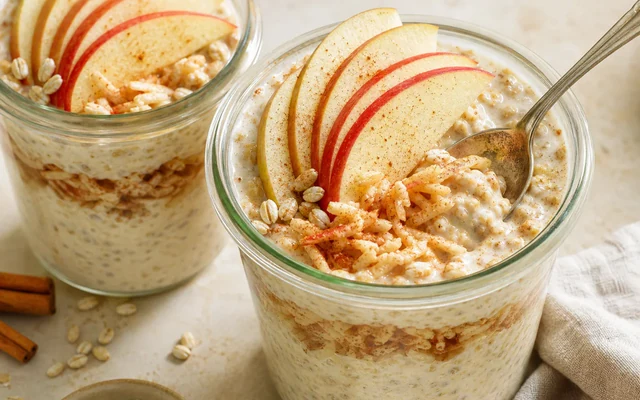
These recipes show where format, concentration, allergens, or package choice changes the cooking method.
Sources and price records

  1. [1]Royal Cinnamon Product Specifications. Burlap & Barrel (2026).
  2. [2]Regenerative Organic Certified® Ceylon Cinnamon Ground. Frontier Co-op (2026).
  3. [3]Ground Cinnamon Indonesian Korintje. McCormick (2026).
  4. [4]Frequently Asked Questions about Cinnamon and Coumarin. German Federal Institute for Risk Assessment (BfR) (2021).
  5. [5]Cinnamon: Botanical Overview and Regulatory Standards. U.S. Food and Drug Administration / USDA FoodData Central (2023).
🏛️

Written by The Foods That Shaped Us Research Desk

The Foods That Shaped Us Research Desk is the publication byline for collaboratively maintained food-history articles, Case Files, Trend Desk analysis, and original Recipe Desk development. Historical work is grounded in cited sources. Recipes use measured formulations and receive an editorial consistency, safety-note, and image-provenance review before release.

Source-led editorial process·Read our Editorial Standards