U.S. purchase guide

Which Soy Sauce Should You Buy for Sushi, Stir-Fry, and Everyday Cooking?

Three brewed soy sauces compared by wheat content, bottle size, unit price, certification claims, and the uses their labels can support without pretending every style is interchangeable.
Published Updated Market: United StatesBy
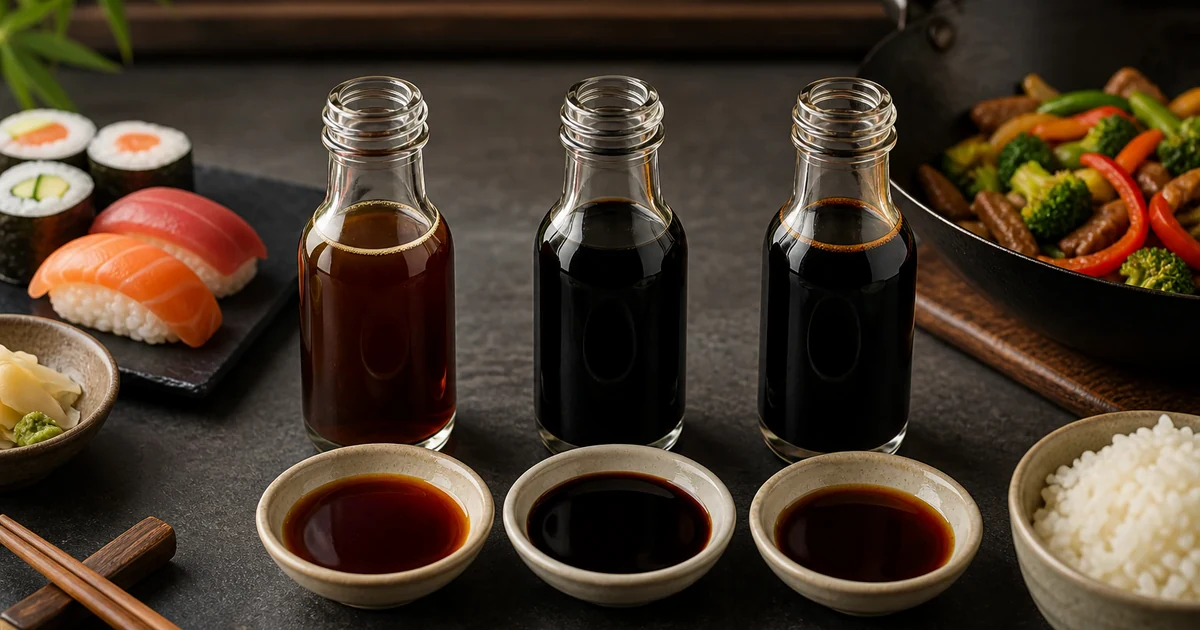
Three unlabelled glass bottles and tasting bowls of soy sauce beside sushi rice, stir-fried vegetables, and soybeans
Shoyu and tamari can differ in wheat content, concentration, package size, and intended use; the label should decide before branding does. Image: The Foods That Shaped Us Research Desk. Image terms. Request permission.

Purchase verdict

For a general-purpose wheat-and-soy shoyu, Kikkoman and Yamasa are the lower-cost documented choices here; Yamasa had the lowest observed unit price in a larger bottle. For a wheat-free need, San-J Organic Tamari is the relevant comparison, but it costs more per ounce. Confirm gluten-free requirements from the current package rather than treating all tamari as identical.

Quick choices

Observed prices are U.S. snapshots from August 28, 2026. Seller links are direct and non-affiliate.

Product choices, documented use, observed U.S. price, package size, unit price, and seller
ProductDocumented fitObserved priceSeller
Kikkoman Traditionally Brewed Soy Sauce, Non-GMOBrewed shoyu; 15 fl oz bottle for the price observationFor a widely available general-purpose soy sauce when wheat is acceptable.$3.7915 fl oz$0.25 per fl ozVaries by locationCheck Food Lion via InstacartVerified 2026-08-28
San-J Organic Tamari Soy SauceWheat-free tamari; 10 fl oz bottleFor a shopper who needs a product explicitly labelled wheat-free and gluten-free and accepts a higher observed unit price.$7.4910 fl oz$0.75 per fl ozVaries by locationCheck Instacart marketplaceVerified 2026-08-28
Yamasa Marudaizu Shoyu Soy SauceBrewed shoyu; 34 fl oz bottleFor frequent general cooking when wheat is acceptable and a large bottle with a low observed unit price is useful.$5.9934 fl oz$0.18 per fl ozVaries by locationCheck Instacart marketplaceVerified 2026-08-28

Where to buy in the U.S.

These direct, non-affiliate seller pages were checked on August 28, 2026. Stock, shipping, taxes, and checkout prices can vary by location and date.

How products were selected

  • We compared nationally visible U.S. products with an official ingredient record and a retailer price for a specific bottle size.
  • This is not a sodium, aroma, blind-tasting, or fermentation-age ranking. The guide compares label facts and purchase fit only.
  • Marketplace prices are location-dependent and exclude tax, delivery, subscriptions, and promotions not shown in the observation.

Product evidence

documented only

Kikkoman Traditionally Brewed Soy Sauce, Non-GMO

Brewed shoyu; 15 fl oz bottle for the price observation

Check seller

For this use: For a widely available general-purpose soy sauce when wheat is acceptable.

Ingredients documented
Water, soybeans, wheat, and salt.
Stated origin / claims
Brewed in the United States, according to Kikkoman USA.; OU Kosher claim; Vegan claim; Non-GMO claim
Suitable uses
Stir-fry and marinades; Dipping; Soups and rice dishes
Allergens to check
Soy; Wheat

Documented advantages

  • Short ingredient list
  • Lower observed unit price than San-J
  • Multiple common U.S. bottle sizes

Limitations

  • Contains wheat
  • Not suitable for a medically required gluten-free diet
  • No sensory comparison was completed

documented only

San-J Organic Tamari Soy Sauce

Wheat-free tamari; 10 fl oz bottle

Check seller

For this use: For a shopper who needs a product explicitly labelled wheat-free and gluten-free and accepts a higher observed unit price.

Ingredients documented
Water, organic soybeans, salt, and organic alcohol, according to the product record.
Stated origin / claims
USDA Organic claim; Certified gluten-free claim; Non-GMO claim; Vegan claim
Suitable uses
Gluten-free dipping and seasoning; Sauces and marinades; Stir-fry
Allergens to check
Soy

Documented advantages

  • Wheat-free formula is explicit
  • Gluten-free and organic claims are stated
  • Short ingredient list

Limitations

  • Highest observed unit price in this comparison
  • Tamari is not a flavor substitute for every shoyu recipe
  • Certification should be checked on the current package

documented only

Yamasa Marudaizu Shoyu Soy Sauce

Brewed shoyu; 34 fl oz bottle

Check seller

For this use: For frequent general cooking when wheat is acceptable and a large bottle with a low observed unit price is useful.

Ingredients documented
Water, soybeans, wheat, salt, and alcohol, according to the marketplace product record.
Stated origin / claims
No additional origin or certification claim used in this comparison.
Suitable uses
Everyday cooking; Stir-fry and marinades; Dipping
Allergens to check
Soy; Wheat

Documented advantages

  • Lowest observed unit price in this comparison
  • Large bottle for frequent use
  • Whole-soybean Marudaizu product identity is stated

Limitations

  • Contains wheat
  • Large bottle is poor value if not used while fresh
  • Retail price and stock vary by location

What to check on the label

  • Check wheat explicitly. Standard shoyu commonly contains wheat, while a specific tamari product may be wheat-free.
  • Do not infer gluten-free status from the word tamari alone; look for current certification and allergen statements.
  • Compare bottle size and unit price against how quickly the sauce will be used after opening.
  • Treat light, dark, usukuchi, koikuchi, tamari, and chemically hydrolyzed seasoning as distinct categories rather than one quality scale.

Choose soy sauce by dish and dietary constraint

For an everyday shoyu profile in sushi dipping, marinades, soups, or stir-fry, Kikkoman and Yamasa are comparable categories because both list soybeans and wheat. San-J tamari answers a different requirement: an explicitly wheat-free formula. The right choice begins with the dish and allergen constraint, not a universal brand winner.

Salt concentration, aroma, color, and fermentation character can differ even inside one category. Those attributes require a controlled kitchen comparison and are not inferred from price or label wording here.

When the cheapest bottle is not the best value

Yamasa’s larger bottle produced the lowest observed price per fluid ounce, but unit price assumes the entire bottle is useful. A household that uses soy sauce rarely may preserve quality better with a smaller bottle. A gluten-free household may rationally pay more for San-J because the wheat-free requirement is the decision, not price alone.

Marketplace prices are snapshots. Recheck the live seller, package size, and current label before purchase, especially when a page contains multiple variants.

The history behind the purchase

Soy sauce grew from East Asian fermented soybean traditions and developed into distinct regional styles. Industrial bottling made it a global pantry product, but shoyu, tamari, and other soy seasonings are not interchangeable identities. The Soy Sauce history article explains that longer fermentation and trade story.

Read the full history of Soy Sauce

Recipes that make the choice matter

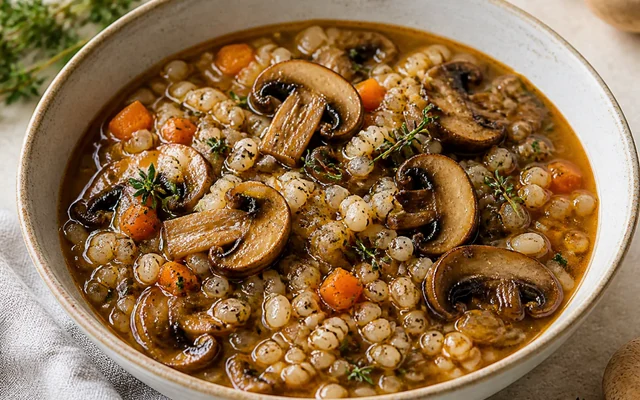
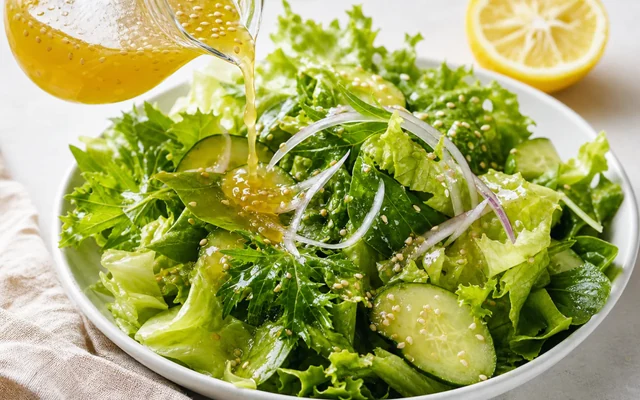
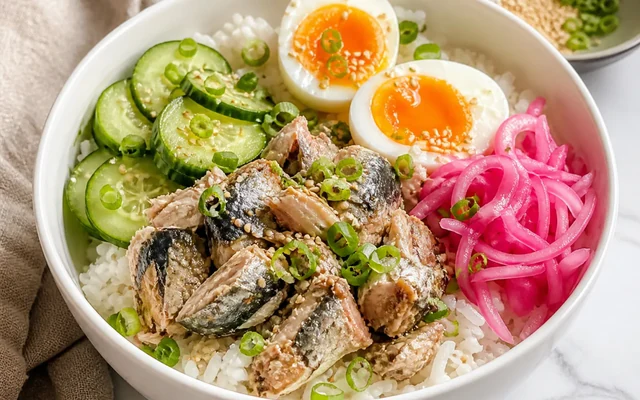
These recipes show where format, concentration, allergens, or package choice changes the cooking method.
Sources and price records

  1. [1]Traditionally Brewed Soy Sauce, Non-GMO. Kikkoman USA (2026).
  2. [2]Kikkoman Soy Sauce 15 fl oz retailer listing. Instacart / Food Lion (2026).
  3. [3]Tamari products. San-J (2026).
  4. [4]San-J Organic Tamari 10 fl oz retailer listing. Instacart (2026).
  5. [5]Our Shoyus. Yamasa USA (2026).
  6. [6]Yamasa Marudaizu Shoyu 34 fl oz retailer listing. Instacart (2026).
🏛️

Written by The Foods That Shaped Us Research Desk

The Foods That Shaped Us Research Desk is the publication byline for collaboratively maintained food-history articles, Case Files, Trend Desk analysis, and original Recipe Desk development. Historical work is grounded in cited sources. Recipes use measured formulations and receive an editorial consistency, safety-note, and image-provenance review before release.

Source-led editorial process·Read our Editorial Standards