💡 Key Takeaways
- Soy sauce grew from older East Asian jiang, jang, hishio, and miso-like fermentation traditions rather than from a single inventor.
- The crucial historical shift was turning fermented soybean or grain pastes into liquid seasonings such as Chinese jiangyou, Korean ganjang, Japanese tamari, and Japanese shoyu.
- Soy sauce mattered because soybeans, wheat or other grains, salt, molds, yeasts, bacteria, aging, trade, and migration turned local fermentation into a global umami system.
Where Did Soy Sauce Originate? (History & Origins)
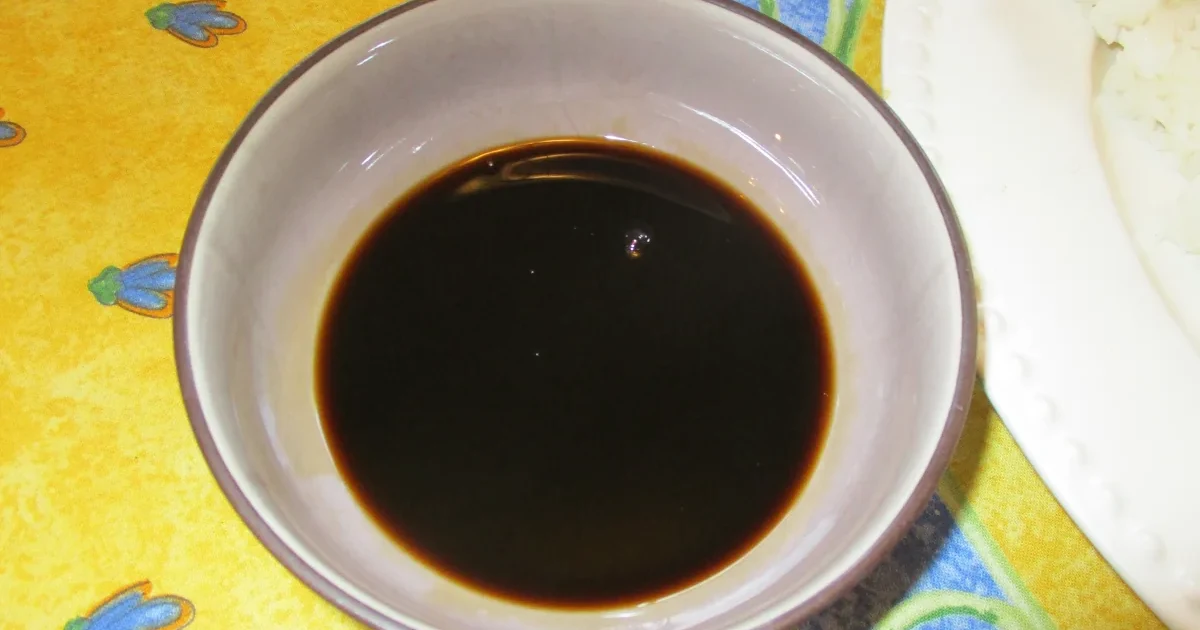
Soy sauce is a salty, dark liquid seasoning made by fermenting soybeans with grain, salt, water, and microbial cultures, then aging and pressing the mixture into a concentrated umami sauce. Its history begins in China and wider East Asia, not with one inventor, but with older fermented paste traditions: Chinese jiang, Korean jang, Japanese hishio, and later miso-like soybean ferments [1][2][4]. These foods used salt and fermentation to preserve protein, stretch flavor, and turn difficult raw materials into durable seasonings. Chinese sources describe jiang and soybean ferments long before soy sauce became the familiar bottled liquid known as jiangyou in Chinese and shoyu in Japanese [2][4].
Soy sauce mattered because it transformed preservation into tradeable flavor. Soybeans supplied protein, wheat and other grains supplied starch and aroma, salt controlled spoilage, and molds, yeasts, and bacteria created amino acids, sugars, acids, alcohols, and roasted notes [3][5].
From Paste to Liquid: How Soy Sauce Became a Pourable Seasoning
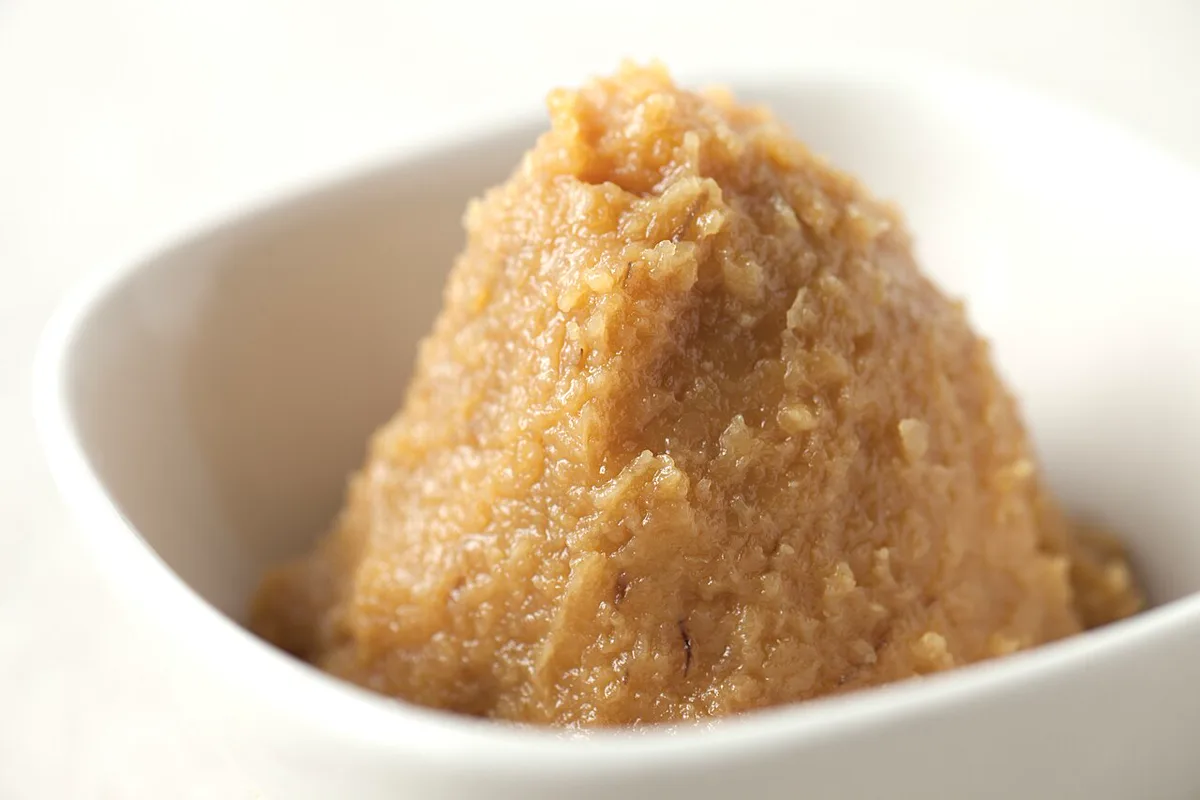
The most important soy sauce story is the shift from paste to liquid. Early East Asian soybean seasonings were often thick, miso-like or porridge-like ferments, closer to jiang, jang, hishio, or miso than to modern bottled soy sauce. Over time, cooks discovered that the liquid collecting in or pressed from these salty fermented pastes was intensely savory. In China, jiangyou literally points toward liquid extracted from jiang, while Japanese tamari and miso-damari traditions preserve a similar memory of liquid accumulating from fermented soybean pastes [2][3].
This was not a single eureka moment. It was a practical evolution inside fermentation workshops, monasteries, court kitchens, and households. A thick paste could season soup or vegetables, but a liquid could drip, pour, travel, and blend. Pressing, filtering, and aging turned fermented soybean mash into a sauce that could season rice, noodles, fish, tofu, pickles, broths, and later street food and restaurant cooking across East Asia.
The Rise of Chinese Jiangyou and Japanese Shoyu
Chinese jiang and jiangyou traditions gave soy sauce its deepest historical roots. China developed multiple dark, light, thick, thin, brewed, and blended soy sauces, often tied to regional cooking habits and the needs of stir-frying, braising, dipping, and preserving. The safest framing is that Chinese fermented-paste traditions preceded soy sauce, while the exact timing of liquid soy sauce as a widely used product remains debated in historical sources [1][2].
Japan developed shoyu through its own food system. Continental hishio and miso-like ferments entered Japanese court, temple, and village culture, but Japanese producers gradually refined liquid seasonings such as tamari, miso-damari, and shoyu [3][4]. A major difference was wheat. Japanese koikuchi shoyu came to rely on substantial wheat alongside soybeans, giving it a sweeter, more aromatic profile than many soybean-heavier sauces [1][3]. Korean ganjang, Southeast Asian soy sauces, Indonesian kecap, and local diasporic versions all show that soy sauce is one family of related ferments, not one fixed formula.
The Science of Soy Sauce: Molds, Grains, and Brine
Soy sauce is food science with a long memory. In traditional Japanese shoyu, steamed soybeans and roasted cracked wheat are inoculated with koji mold, especially Aspergillus oryzae or related molds, to make koji. Enzymes from the mold break soybean proteins into amino acids and wheat starches into sugars. The koji then enters salty brine as moromi mash, where salt-tolerant yeasts and lactic acid bacteria continue the fermentation during aging [3][5].
Each ingredient has a historical job. Soybeans provide protein and umami. Wheat or other grains add carbohydrates, sweetness, aroma, and the raw material for alcohols and esters. Salt is both flavor and gatekeeper: it discourages dangerous spoilage microbes while allowing selected salt-tolerant organisms to work slowly [3][5]. Time matters too. Months of aging deepen color, aroma, acidity, and savoriness. This is why fermented soy sauce is more than brown salty liquid. It is a managed microbial ecosystem.
How Soy Sauce Conquered the Global Pantry
Soy sauce spread because it traveled well and solved a global kitchen problem: how to add salt, depth, color, and savor in a small amount. Japanese sources describe Edo-period exports through Nagasaki, where Dutch and Chinese ships carried Japanese soy sauce to other parts of Asia and Europe [3][4]. By the 17th century, English and European references to soy sauce appear in records, and the word soy entered English through the sauce before it became a common word for the bean [2].
Modern globalization added new routes. Chinese, Japanese, Korean, Filipino, Indonesian, Vietnamese, and other Asian migrant communities carried soy sauce into port cities, plantations, restaurants, grocery shops, military kitchens, and home pantries. Japanese shoyu became especially visible in the United States after wartime and postwar contact, supermarket tastings, teriyaki culture, and local production [3]. Industrial manufacturing also changed the sauce, separating slow-fermented products from faster hydrolyzed vegetable protein seasonings [1][2].
How Soy Sauce is Used in Modern Cooking
Today, soy sauce is one of the world's most influential fermented seasonings. It seasons rice, ramen, stir-fries, dumplings, sushi, marinades, dipping sauces, braises, soups, dressings, glazes, eggs, tofu, vegetables, and grilled meats. Chinese light and dark soy sauces, Japanese koikuchi, usukuchi, tamari, saishikomi, and shiro styles, Korean soup ganjang, Indonesian kecap manis, and many regional sauces carry different balances of salt, color, sweetness, wheat, aging, and aroma.
For this site's food-history network, soy sauce is a bridge ingredient. It links soybean to miso, rice to ramen, gochujang to East Asian fermentation, and salt to global trade. Its story is not generic condiment history. It is the story of how fermentation made plants taste meaty, how liquid seasonings emerged from pastes, and how East Asian umami moved through ships, migrants, factories, restaurants, and everyday cooking.
In the news
Recent 2026 food-culture notes that reference this article.
Historical Timeline
Chinese jiang traditions use salt and fermentation to preserve and flavor meat, fish, grains, vegetables, and later soybeans
The Chinese agricultural text Qimin Yaoshu describes soybean jiang and related fermented preparations
Hishio-style salted and fermented foods enter Japanese court and temple food culture from continental East Asia
Japanese cooks and temple communities develop miso-damari, tamari-like liquids, and pressed seasonings from fermented pastes
The term shoyu appears in Japanese records, while commercial production expands around Kansai, Yuasa, Noda, Choshi, and Edo food markets
Japanese soy sauce travels through Nagasaki trade with Dutch and Chinese ships, reaching other parts of Asia and Europe
Migration, restaurants, military contact, supermarkets, and industrial production make soy sauce a global pantry ingredient
Evidence Explorer
Review the Source Trail
Inspect the article sources, scoped review credits, and copyable citation details without leaving the page.
Sources Listed
Comments
Community comments are coming soon. Check back later to join the discussion!