💡 Key Takeaways
- Vanilla comes from the cured fruit pods of climbing orchids, especially Vanilla planifolia, a species rooted in Mesoamerican and wider American tropical ecologies.
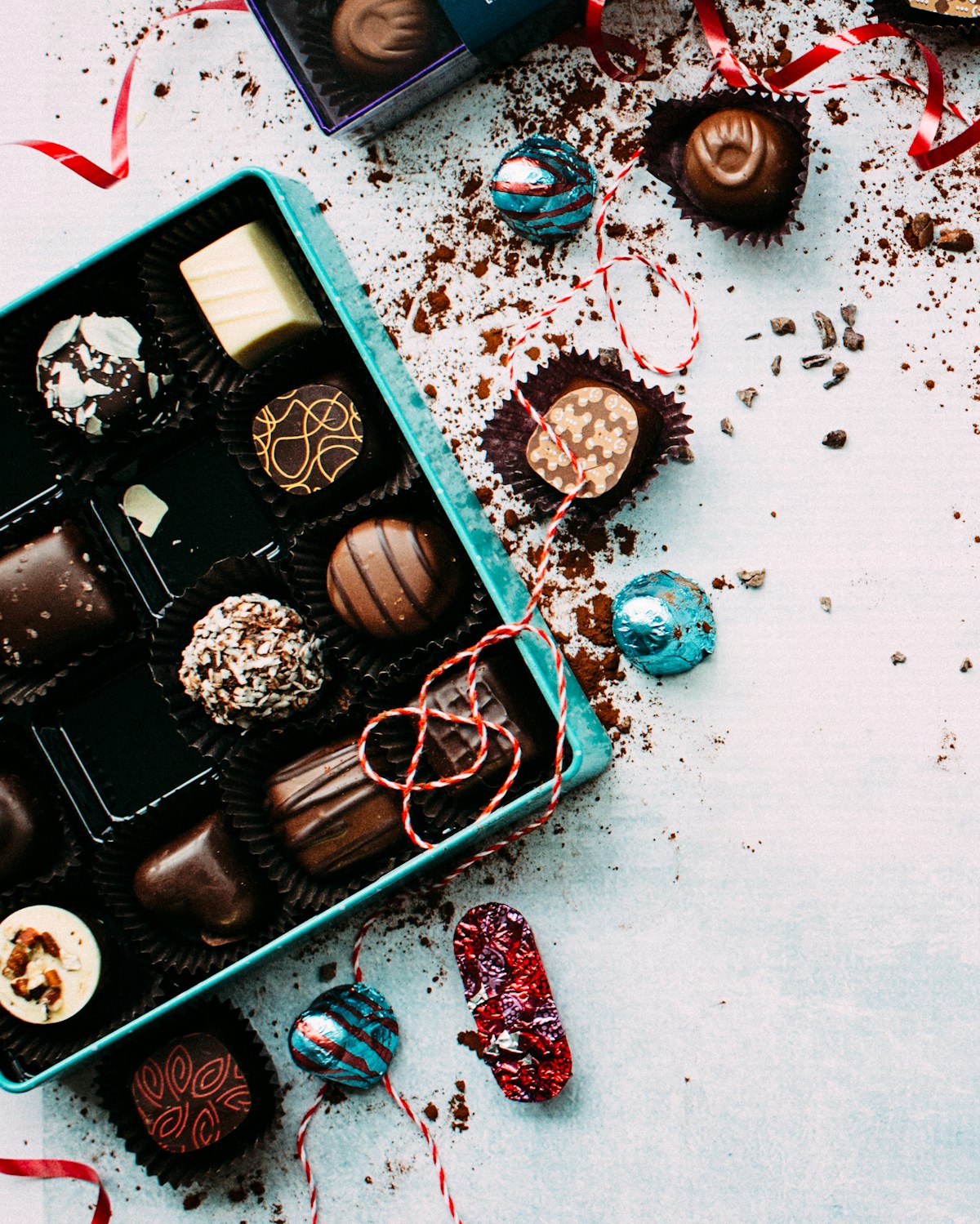
- Mesoamerican vanilla became famous through its relationship with cacao, because vanilla helped scent and soften elite chocolate drinks before chocolate ever became a European sweet.
- In 1841, Edmond Albius, an enslaved boy on Réunion, developed the hand-pollination technique that made large-scale vanilla production possible outside Mexico.
- Modern vanilla is both luxury and simulation: natural vanilla depends on labor-intensive orchids, while most vanilla flavor in global food comes from synthetic vanillin.
Where Did Vanilla Originate?
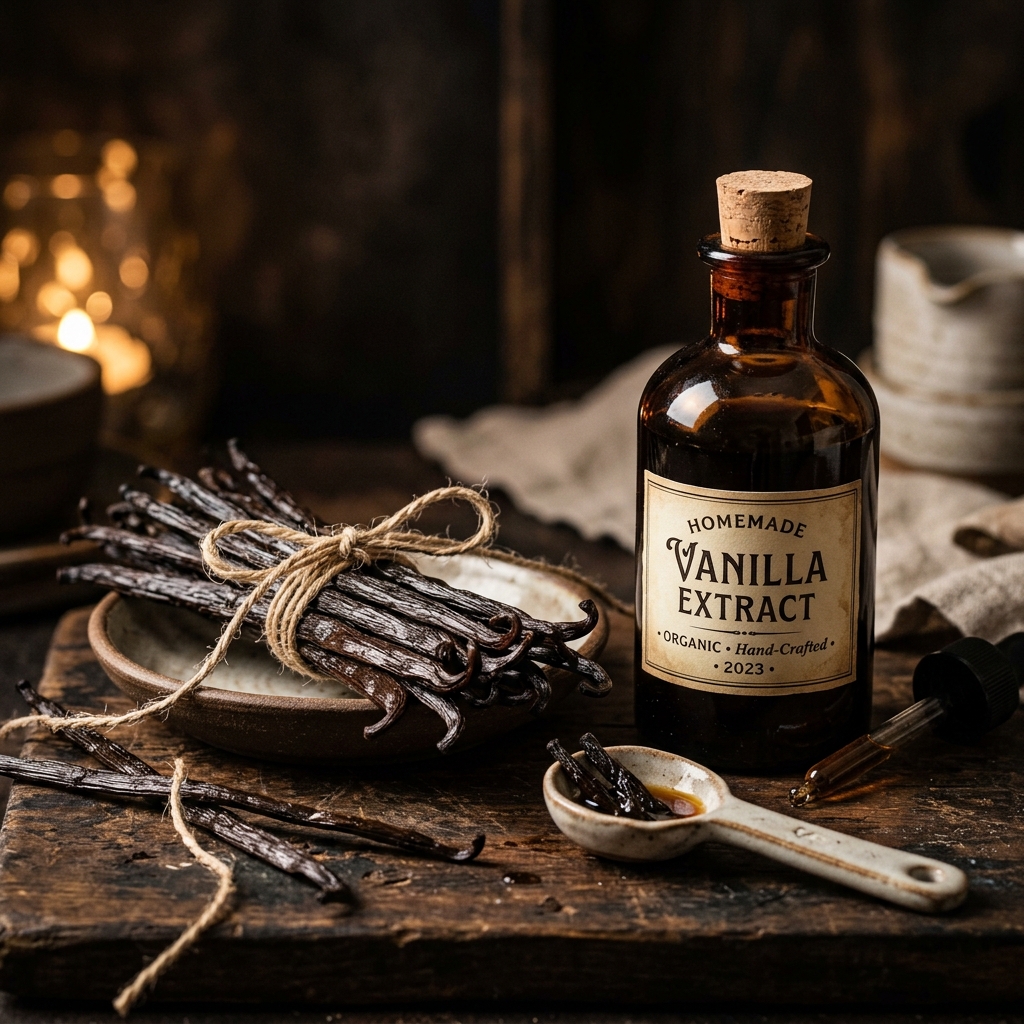
Vanilla is a spice made from the cured fruit pods of orchids in the genus Vanilla, especially Vanilla planifolia. Kew describes Vanilla planifolia as a climbing orchid whose processed fruits produce the familiar vanilla flavor [1]. That botanical fact is part of the surprise: vanilla is not a bean, bark, seed, or resin. It is an orchid fruit transformed by pollination, harvest, curing, drying, and time.
Its most famous early food history belongs to Mesoamerica. Vanilla was cultivated and traded in the region that includes eastern Mexico, where it became closely associated with cacao. Smithsonian notes that vanilla and chocolate have intertwined ancient histories, with vanilla helping scent and enrich cacao drinks long before either ingredient became a European dessert flavor [5].
How Vanilla Became a Luxury Flavor
Vanilla traveled globally through chocolate. Spanish colonial trade carried cacao and vanilla into Europe, where sugar reshaped both ingredients. The bitter, aromatic cacao drinks of Mesoamerica became sweeter European chocolate beverages served in elite households, monasteries, courts, and later coffeehouses. Vanilla's role was quiet but powerful: it softened bitterness, added perfume, and made chocolate feel more refined [3][5].
By the eighteenth century, vanilla had moved beyond chocolate into creams, ices, custards, cakes, and perfumed sweets. Its colonial history followed the same pattern as many luxury ingredients: Indigenous knowledge and American plants were pulled into European systems of taste, botany, plantation experimentation, and status display.
Edmond Albius and the Breakthrough That Made Vanilla Global
For centuries, vanilla vines grew outside Mexico but rarely produced pods. The problem was pollination. In the orchid's native range, specialized pollination could occur naturally, but colonial growers in the Indian Ocean world could not rely on those ecological relationships. Vanilla became a botanical puzzle: beautiful vines, no reliable fruit [1][3].
The breakthrough came in 1841 on Réunion. Edmond Albius, an enslaved boy, developed a practical hand-pollination method that allowed growers to lift the flower's separating membrane and press the male and female parts together. Smithsonian and Kew both identify Albius's technique as the method that made commercial vanilla cultivation possible far beyond Mexico [2][4]. The labor-intensive method is still central to natural vanilla production. Each flower has to be handled by human hands at the right moment.
Why Madagascar Became Central to Vanilla
After hand-pollination spread, French colonial vanilla production expanded through Réunion, Madagascar, the Comoros, and other tropical regions. The name Bourbon vanilla comes from Île Bourbon, the former name of Réunion, but Madagascar became the dominant modern center. FAO describes Madagascar's SAVA region as an epicenter of vanilla cultivation, processing, and export [6].
That concentration makes vanilla powerful and fragile. Weather, cyclones, theft, curing quality, speculative buying, and global demand can all change prices sharply. TIME reported that 2017 cyclones and market pressure pushed vanilla prices above $600 per kilogram and intensified theft and early harvesting in Madagascar [7]. The lesson is bigger than one spice: luxury flavor can depend on small farmers, long curing times, and unstable commodity systems.
Real Vanilla vs. Synthetic Vanillin
Vanilla also changed modern food because chemistry learned how to imitate it. In the nineteenth century, chemists isolated and synthesized vanillin, the main aroma compound associated with vanilla. Britannica notes the importance of natural and synthetic vanilla in modern food economics [3]. Synthetic vanillin made vanilla-like flavor cheap enough for mass ice cream, candy, baked goods, soft drinks, and packaged foods.
But natural vanilla is not just vanillin. Cured pods contain a complex mix of aromatic compounds shaped by species, climate, harvest timing, curing technique, and storage. That is why premium bakers, chocolatiers, ice cream makers, and perfume houses still prize real vanilla even when imitation flavor is far cheaper. Vanilla became ordinary because synthetic flavor scaled it; it remains luxurious because the orchid is difficult.
How Vanilla Is Used Today
Today vanilla appears in ice cream, custards, cakes, cookies, chocolate, coffee drinks, pastries, syrups, perfumes, candles, medicines, and luxury desserts. It pairs naturally with sugar, chocolate, cinnamon, coffee, strawberry, dairy, and cream because it rounds sharper flavors and adds warmth without demanding attention.
The irony is that "vanilla" now means plain. Historically, it is anything but plain: a Mesoamerican orchid, a chocolate companion, a colonial luxury, an enslaved child's botanical breakthrough, a Madagascar commodity, a synthetic flavor revolution, and a marker of premium taste. Vanilla is the flavor people stop noticing only because it became so successful.
Historical Timeline
Vanilla is cultivated and traded in Mesoamerica, where it becomes closely associated with cacao drinks
Spanish colonial trade carries cacao and vanilla into Europe, where sugar reshapes both flavors
European cooks increasingly use vanilla in chocolate, creams, ices, custards, and perfumed sweets
Edmond Albius develops a reliable hand-pollination method for vanilla on Réunion
Vanilla production expands across Réunion, Madagascar, Comoros, Tahiti, and other tropical colonies
Ferdinand Tiemann and Wilhelm Haarmann synthesize vanillin, opening the age of artificial vanilla flavor
Cyclones, theft, and speculation expose the volatility of the Madagascar vanilla market
Evidence Explorer
Review the Source Trail
Inspect the article sources, scoped review credits, and copyable citation details without leaving the page.
Reviewed for Stated Scope
Sources Listed
Comments
Community comments are coming soon. Check back later to join the discussion!