💡 Key Takeaways
- Garum was a Roman fermented fish sauce made from fish, fish offal, and salt, prized for salty umami depth rather than eaten as a fish dish.
- Production sites, amphorae, tituli picti labels, and Pompeii mosaics show that garum and related fish sauces were major Mediterranean trade goods.
- Its history connects salt preservation, coastal factories, Roman dining, elite branding, maritime commerce, and later Mediterranean fish-sauce traditions.
Where did garum originate?
Garum was the most famous fermented fish sauce of the Roman Mediterranean: a salty liquid seasoning made by fermenting small fish, fish parts, or fish offal with large amounts of salt. It was not a fish entree. It was a concentrated flavor technology, used to season vegetables, meats, sauces, eggs, legumes, and breads with salt and savory depth [1][2]. Roman garum belongs to a wider ancient Mediterranean world of salted fish and fish sauces, with Greek, Phoenician, Punic, and Iberian precedents, but Rome turned the product into an empire-scale commodity. Coastal factories, salting vats, amphorae, painted jar labels, ship routes, and urban demand all made garum part of Roman commerce [2][3].
Its importance lies in the way it connected preservation and luxury. Garum began with fish and salt, but it became a branded trade good that linked Pompeii, Baetica, North Africa, Lusitania, coastal workshops, elite dining rooms, and everyday Roman kitchens.
Salt, Fish, and Fermentation: How Garum Was Made
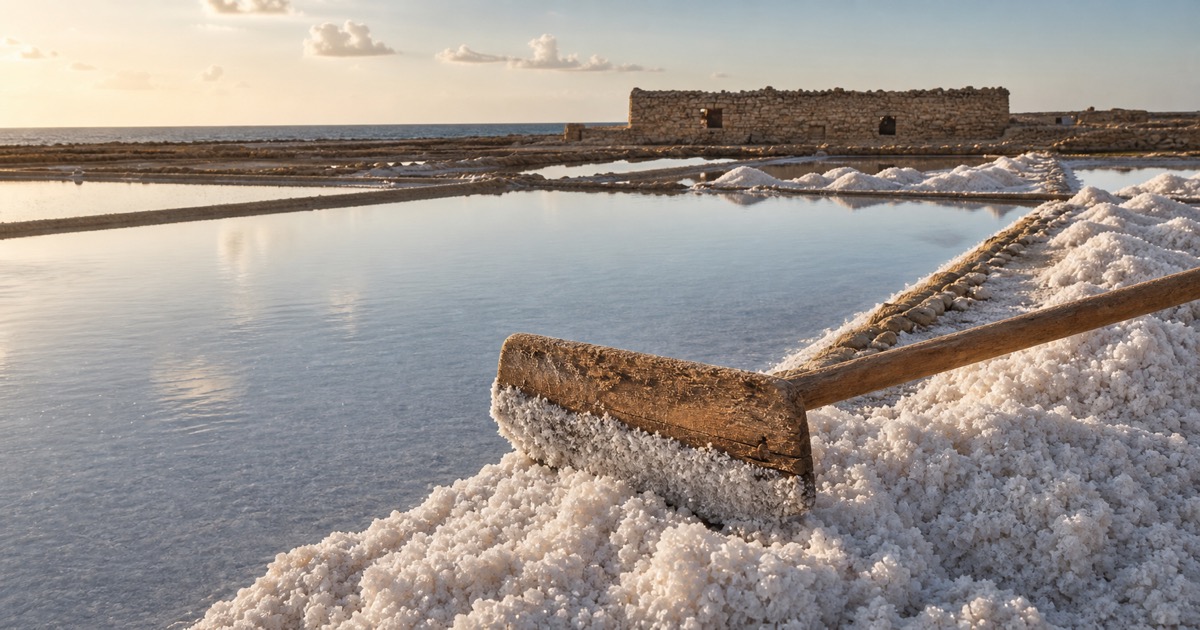
Garum depended on salt. Fish and viscera were layered with enough salt to suppress dangerous spoilage while allowing enzymatic breakdown and microbial transformation. Over time, proteins broke down into amino acids, creating a clear or amber liquid rich in savory flavor [2][3]. The remaining solids could become related products, while finer liquid sauces were strained, bottled, and sold at different grades.
Roman terminology is tricky. Garum, liquamen, muria, allec, and salsamenta appear in texts and labels, and scholars debate how sharply ancient cooks distinguished them [2][3]. That uncertainty should be part of the story, not hidden. What is clear is that Romans valued fermented and salted fish products as seasonings, preserved foods, and trade goods. The technique let coastal abundance become a durable commodity that could travel inland.
Pompeii, Branding, and the Taste of Roman Status
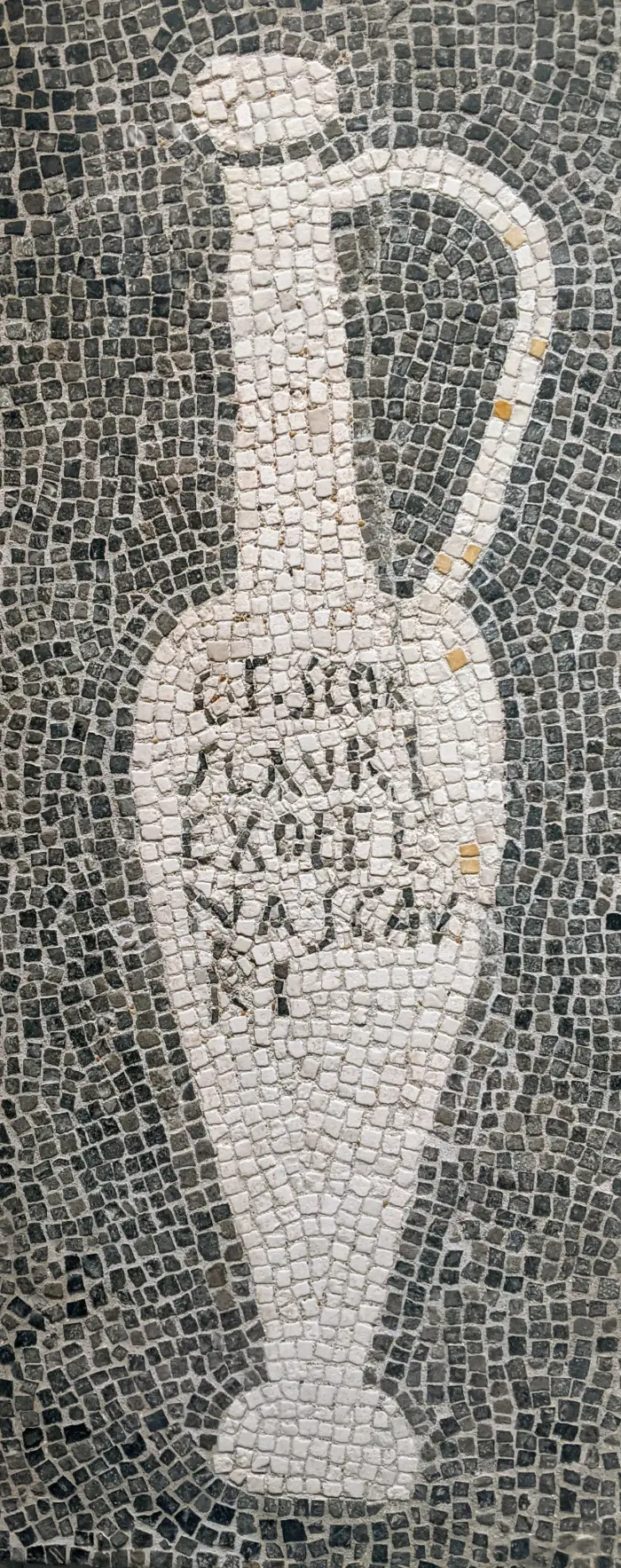
Pompeii gives garum one of its most vivid archaeological faces. The house of Aulus Umbricius Scaurus, a wealthy Pompeian fish-sauce merchant, preserves mosaics showing amphorae labeled with premium sauces. These images matter because they show ancient branding: maker, product, quality, and reputation were part of the sale [5].
Roman authors also reveal garum's social range. Elite versions could be expensive and prized, while cheaper fish sauces seasoned more ordinary meals. Like olive oil and wine, garum moved through a market with grades, origins, and reputations. It was not simply a rustic preservation product. It could signal taste, status, and access to Mediterranean trade.
Trade Routes and Fish-Sauce Factories Across the Mediterranean
The Roman fish-sauce economy followed coastlines. Production sites needed fish, salt, sun, labor, containers, and access to shipping. Archaeologists have identified salting vats and amphora evidence in places such as southern Spain's Baetica, Portugal's Lusitania, North Africa, Sicily, Campania, and other Mediterranean and Atlantic-facing regions [2][3].
Amphorae made the sauce legible to the empire. Their shapes, residues, stamps, and painted inscriptions help scholars trace production and distribution. A jar of fish sauce could move from a coastal workshop to Rome, Pompeii, a military post, or a provincial town. In that sense, garum belongs naturally beside salt, olive oil, wine, and vinegar as a food that reveals Roman logistics as much as Roman taste.
How is garum used today?
Garum mostly disappeared as a named everyday product, but its logic survived. Mediterranean anchovy sauces, colatura di alici from Cetara, Worcestershire sauce, and Southeast Asian fish sauces all show how fermented fish can become a powerful seasoning rather than a main ingredient. They are not all direct descendants of Roman garum, but they help modern cooks understand why Romans valued it.
Today, archaeologists, food historians, and experimental cooks reconstruct garum from recipes, residues, salting tanks, inscriptions, and comparative fish-sauce traditions. The result is a clearer picture of Roman cuisine: not bland marble-table food, but a salty, aromatic, fermented, highly traded kitchen built on preservation, commerce, and appetite.
In the news
Recent 2026 food-culture notes that reference this article.
Historical Timeline
Salted fish and fish sauces circulate around the Mediterranean before Roman garum becomes famous
Roman fish-sauce production expands through coastal factories, amphorae, and long-distance maritime trade
Pompeii merchant Aulus Umbricius Scaurus advertises high-status fish sauces in mosaics showing labeled amphorae
Baetica, Lusitania, North Africa, Campania, and other coastal regions supply fish sauces and salted fish to Roman markets
Changing trade systems and urban demand reshape the fish-sauce economy, though related Mediterranean preserved-fish traditions continue
Archaeologists reconstruct garum through amphora residues, production tanks, recipes, inscriptions, and experimental fermentation
Evidence Explorer
Review the Source Trail
Inspect the article sources, scoped review credits, and copyable citation details without leaving the page.
Sources Listed
Comments
Community comments are coming soon. Check back later to join the discussion!