💡 Key Takeaways
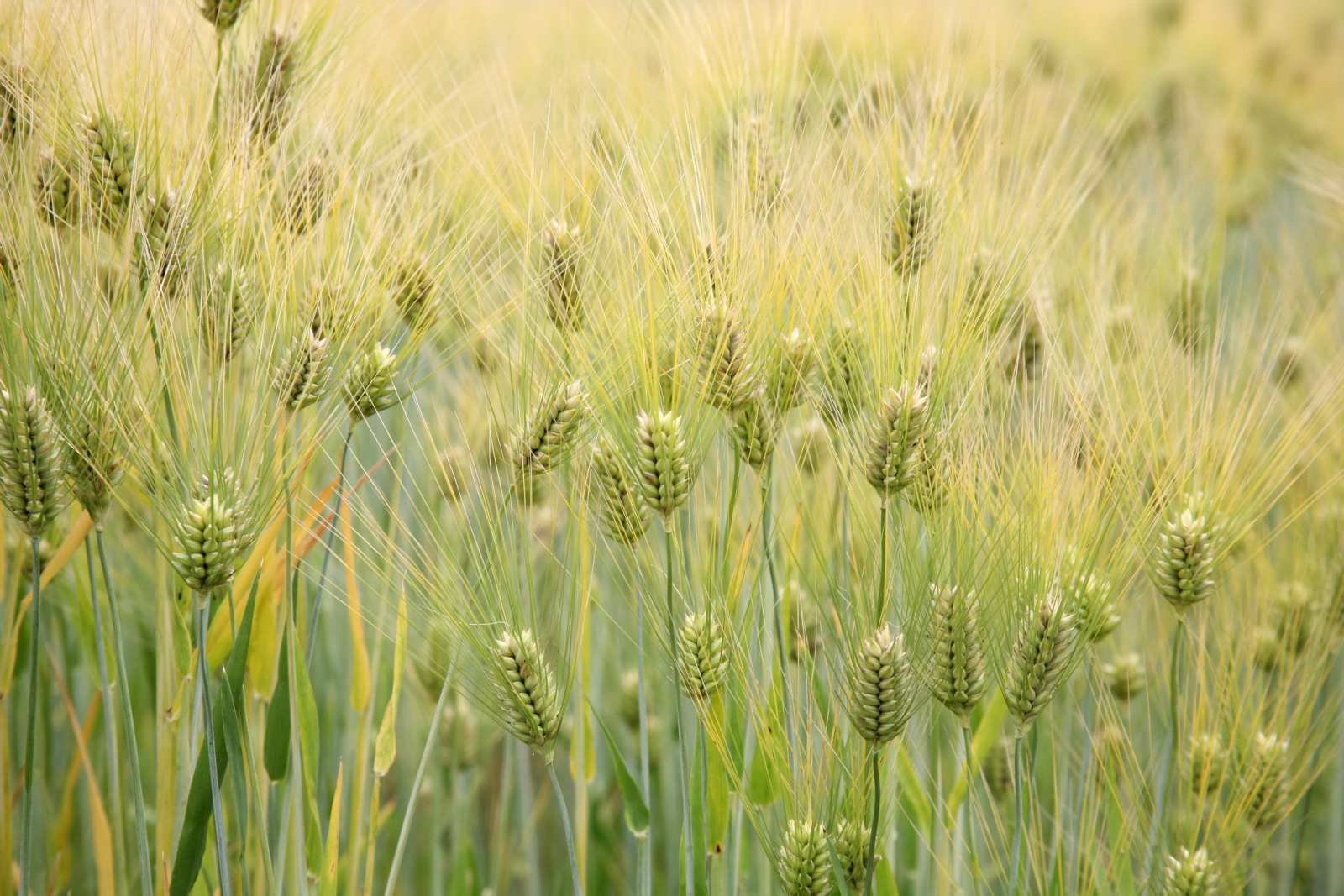
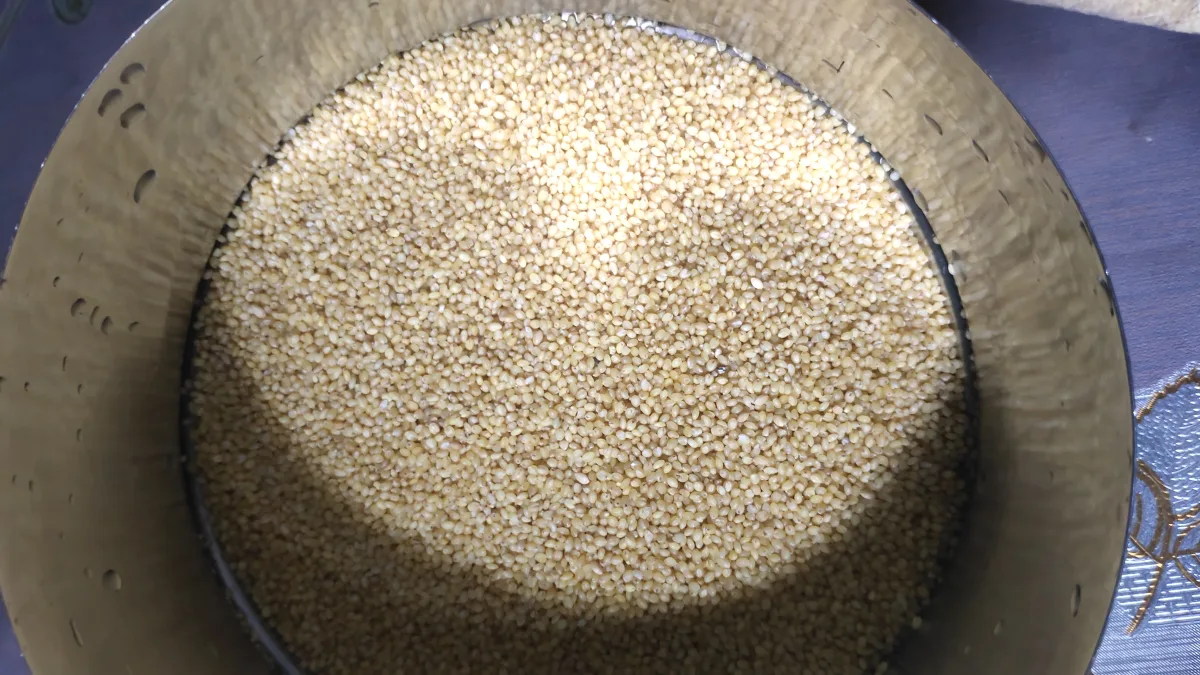
- Millet is not one crop but a group of small-seeded cereals, including foxtail, broomcorn, pearl, finger, and proso millets.
- Foxtail and broomcorn millet were among the earliest domesticated grains in North China, while pearl millet became a crucial Sahel and West African staple.
- Millet mattered because it grew quickly, stored well, tolerated drought, and fed farmers, herders, armies, migrants, and households in places where rice or wheat were less reliable.
Where Did Millet Originate?
Millet does not originate from a single region; it was domesticated independently in multiple global centers. Foxtail and broomcorn millets originated in Neolithic North China (c. 6,000–8,000 BCE) along the Yellow River basin, while pearl and finger millets originated in the drylands of the West African Sahel and East Africa (c. 2,500 BCE) before spreading to South Asia [3][4].
Millet is a name for several small-seeded cereal grasses rather than one single crop. The most historically important millets include foxtail millet, broomcorn or proso millet, pearl millet, and finger millet. Their histories began in different regions, which is why millet should not be treated as a single domestication story. In North China, foxtail and broomcorn millet became foundational dryland crops by the Neolithic period, with archaeological work pushing broomcorn millet use at sites such as Cishan back thousands of years [3]. In West Africa and the Sahel, pearl millet developed as one of the great drought-tolerant staples, probably from wild relatives adapted to arid environments [4].
Millet mattered because it was fast, tough, and flexible. It could grow where rainfall was uncertain, store for long periods, feed people and animals, and support farming societies beyond the best rice and wheat lands.
North China and Early Farming
North China is one of the clearest centers of early millet agriculture. Long before wheat became central to northern Chinese food, foxtail and broomcorn millet supported villages in the Yellow River and surrounding dryland regions. These crops suited a climate with cold winters, summer rains, and frequent risk. They matured quickly, needed less water than rice, and could be stored as grain for household security [3].
Archaeological evidence from sites such as Cishan, Peiligang, and later Yangshao communities shows why millet belongs beside wheat, rice, and maize in world food history. Millet farming helped anchor settled life, pottery use, storage, and social organization in early northern China. It also shaped taste: porridges, steamed grains, cakes, and fermented drinks all developed from small-grain agriculture.
The Sahel, Africa, and South Asia
Pearl millet tells a different but equally important story. Rather than emerging in China, it belongs to the drylands of Africa. Genetic and archaeobotanical research points to a western Sahara or Sahelian domestication zone, with pearl millet later spreading through West Africa and into India [4]. This made it one of the world's major crops for hot, semi-arid regions.
In the Sahel, pearl millet supported farming and herding communities facing short rainy seasons and fragile soils. In India, millets such as bajra, ragi, jowar-adjacent sorghum, and small local millets became part of flatbreads, porridges, fermented batters, and rural food security. Finger millet, especially important in parts of East Africa and South Asia, added another branch to the millet story. The shared theme is resilience: millets fed people where more water-hungry grains were risky.
Staple Food and Cultural Memory
Millet has often been overshadowed by prestige grains. Wheat made white bread, rice defined state granaries and ritual meals, and maize became a global industrial crop. Millet, by contrast, was frequently treated as peasant food, famine food, or animal feed in regions where elite diets shifted toward other grains.
That reputation misses its historical importance. Millet fed households through drought, poor soils, war, migration, and seasonal hunger. It appears in porridges, flatbreads, steamed grains, fermented drinks, couscous-like preparations, and ritual foods. In some places, millet was humble precisely because it was dependable. The crop's cultural memory is tied to survival, rural knowledge, and everyday labor rather than royal banquets.
How is millet used today?
Today, millet is returning to global attention because climate stress has made dryland crops newly urgent. The Food and Agriculture Organization used the 2023 International Year of Millets to highlight their role in nutrition, biodiversity, farmer livelihoods, and climate-resilient agriculture [2].
Modern cooks use millet in porridges, pilafs, salads, flatbreads, gluten-free baking, fermented batters, beer, and grain bowls. Its future is not just a health-food trend. Millet's deeper value is historical and ecological: it reminds us that the world's food systems have always depended on crops that thrive outside perfect conditions. In that sense, millet connects ancient Chinese fields, Sahelian farms, Indian kitchens, and modern climate adaptation in one small grain.
In the news
Recent 2026 food-culture notes that reference this article.
Historical Timeline
Archaeological evidence from northern China points to very early use and cultivation of broomcorn millet
Foxtail and broomcorn millet farming becomes increasingly important in Neolithic North China
Pearl millet becomes established in West African and Sahelian farming systems
Millet crops spread through exchange, migration, pastoral networks, and mixed farming systems across Eurasia and Africa
Millets remain everyday grains in parts of Africa, India, China, Central Asia, and Europe, especially in porridges, flatbreads, and fermented foods
The United Nations marks the International Year of Millets to highlight nutrition, biodiversity, and climate-resilient agriculture
Evidence Explorer
Review the Source Trail
Inspect the article sources, scoped review credits, and copyable citation details without leaving the page.
Reviewed for Stated Scope
Sources Listed
Comments
Community comments are coming soon. Check back later to join the discussion!