💡 Key Takeaways
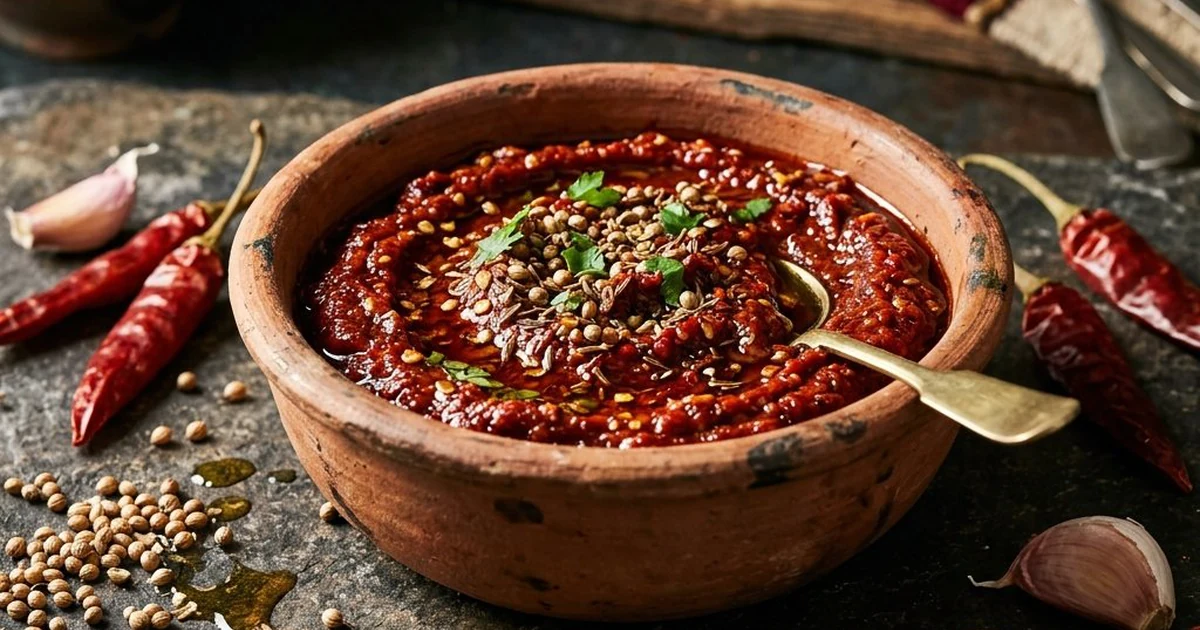
- Harissa is a North African chili paste, especially associated with Tunisia, made from red peppers, garlic, oil, salt, and spices.
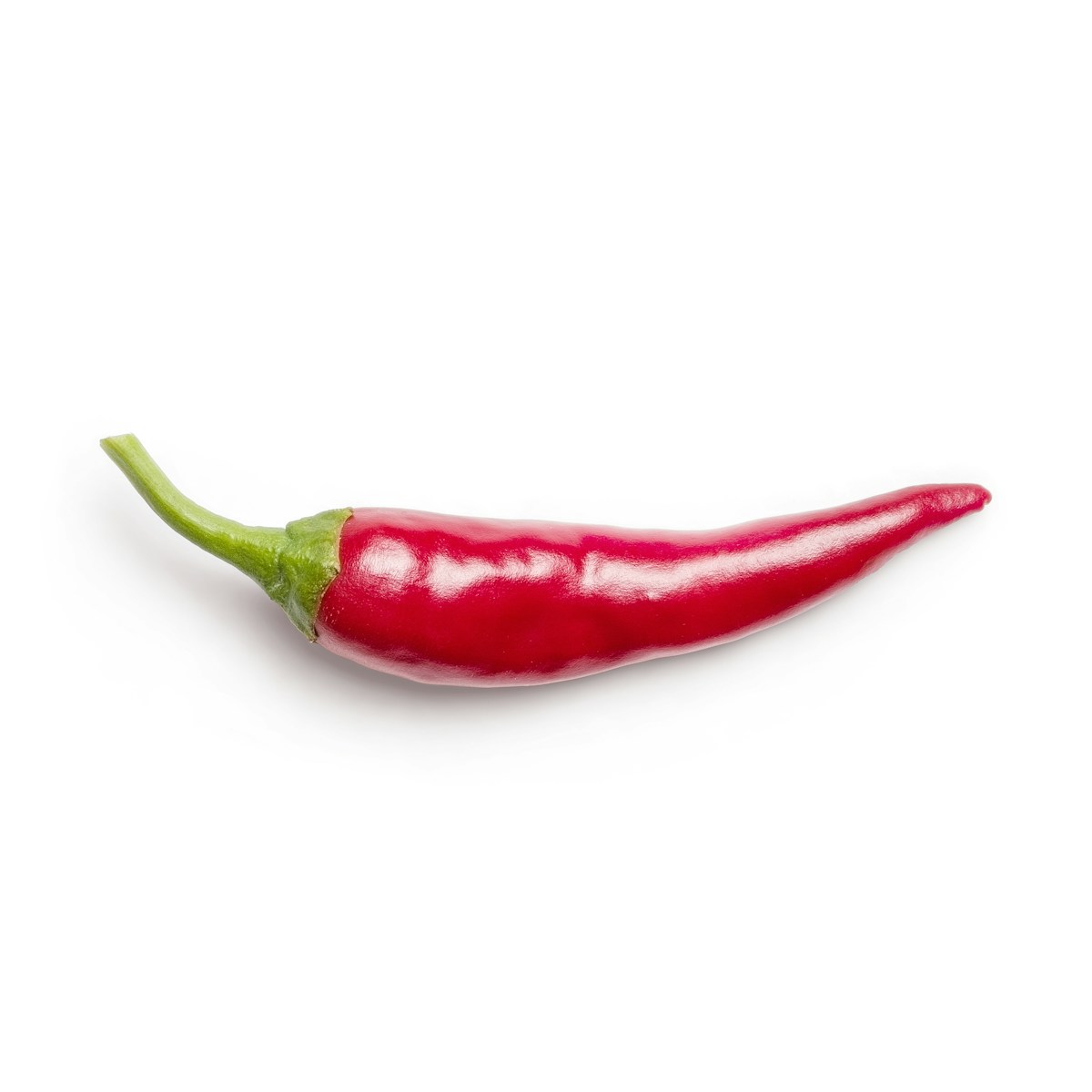
- Its familiar red-chili form could only develop after Capsicum peppers from the Americas entered Mediterranean and North African foodways after the Columbian Exchange.
- Harissa became important because it concentrated heat, oil, salt, garlic, and spice into a portable condiment for couscous, stews, grilled foods, sandwiches, and migration-era pantry cooking.
Where did harissa originate?
Harissa is a North African chili paste made by pounding or grinding red peppers with garlic, salt, oil, and spices such as coriander, caraway, or cumin. It is especially associated with Tunisia, where the UNESCO Intangible Cultural Heritage representative list officially recognizes harissa knowledge, skills, and culinary practices as part of national food heritage [1]. Its history must begin with a timeline correction: the red chili peppers that define modern harissa are not ancient Mediterranean ingredients. Chili peppers originated in the Americas and reached North Africa only after the Columbian Exchange, through early modern trade connecting the Atlantic, Ottoman, Iberian, and Mediterranean worlds [2][4].
Harissa mattered because it turned imported chili peppers into a local preservation and flavor system. In one spoonful, it concentrated heat, garlic, olive oil, salt, and spice into a condiment that could transform couscous, stews, bread, eggs, fish, meat, and vegetables.
Chili Peppers and the Maghreb
Before chili peppers arrived, North African cooking already had strong flavor architecture: olive oil, garlic, onions, coriander, caraway, cumin, black pepper, saffron, preserved lemons, herbs, and coastal or Saharan trade ingredients. The arrival of American Capsicum peppers did not replace that system. It entered it.
Tunisia became especially identified with harissa because red peppers could be dried, stored, pounded, and blended with local seasonings. The Encyclopaedia Britannica notes harissa's association with Tunisia and North Africa, while UNESCO emphasizes the knowledge of pepper cultivation, drying, preparation, and social use behind the condiment [1][2]. The actual introduction of Capsicum pepper seeds to Tunisia is historically linked to the Spanish occupation of Tunis (1535-1574) and subsequent trade under the Ottoman Empire. Spanish soldiers and merchants brought New World chili seeds to the Cape Bon peninsula, particularly around Nabeul, where they adapted perfectly. The migration and agriculture were further accelerated by Andalusian refugees following the expulsion of the Moriscos from Spain in 1609, who brought advanced farming techniques and integrated these peppers into Tunisian daily life [2][4]. The safest historical framing is not that one person invented harissa. It is that early modern chili adoption met older Maghrebi spice, oil, and preservation traditions, creating a paste powerful enough to become a marker of regional taste.
Couscous, Oil, and Everyday Meals
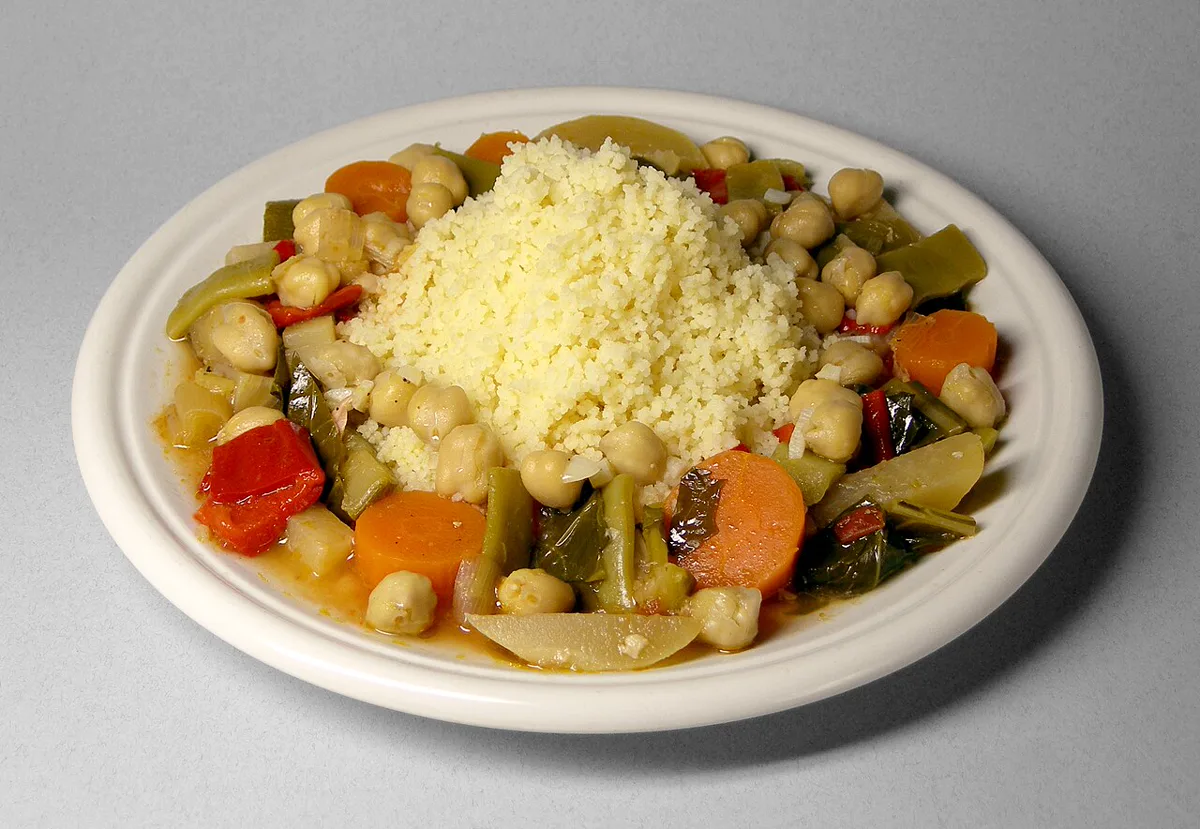
Harissa's importance is practical. It is dense, portable, and efficient. A small spoonful can season a pot of chickpeas, brighten couscous broth, coat grilled seafood, deepen tomato stews, sharpen olive oil dressings, or turn bread into a meal. This makes harissa a natural partner for couscous, olive oil, garlic, salt, and chili-pepper history on this site.
In Tunisian cooking, harissa often appears at the table as a condiment and inside recipes as a foundation. It can be mixed into lablabi, added to ojja, spread in sandwiches, stirred into sauces, or served with olives, tuna, eggs, and bread. The paste gives everyday food heat, color, and depth without requiring a long ingredient list at every meal.
Migration and Global Pantry Culture
Harissa traveled through colonial contact, labor migration, restaurants, packaged foods, and diaspora kitchens. North African communities carried it to France, Italy, Israel, Canada, and the United States, where it moved from immigrant groceries into restaurant menus and supermarket shelves. Like couscous, it became a food that could signal North African identity while adapting to new kitchens.
The global version is sometimes simplified into generic hot sauce, but harissa is historically more specific than heat. Its flavor depends on pepper type, drying, garlic, oil, salt, and spice balance. Some versions are smoky and earthy; others are bright, sharp, and oily. That range is why harissa can work in both traditional dishes and modern uses such as roasted vegetables, grain bowls, marinades, aioli, pasta, and dressings.
How is harissa used today?
Today, harissa is one of the clearest North African ingredients in global pantry culture. It appears in couscous, shakshuka-like egg dishes, chickpea soups, fish stews, lamb, chicken, roasted carrots, cauliflower, potatoes, sandwiches, yogurt sauces, and olive oil marinades. Chefs use it because it brings color, spice, and savory depth at once. It represents another chili paste shaped by New World peppers, comparable to East Asian gochujang.
For food history, harissa is a useful reminder that cuisines are not frozen in antiquity. A New World crop became a North African identity food because local cooks made it their own. Harissa's story links chili-pepper history, Mediterranean trade, Maghrebi spice knowledge, couscous culture, migration, and modern global comfort food in one red paste.
Historical Timeline
North African cooks use garlic, olive oil, salt, coriander, caraway, cumin, and other local spices before American chili peppers are available
Capsicum peppers from the Americas move into Mediterranean and North African foodways through post-Columbian trade networks
Red chili pastes and pepper condiments become established in parts of the Maghreb, especially Tunisia
Harissa becomes a pantry staple in Tunisian, Algerian, Libyan, and wider North African cooking, used with couscous, stews, fish, meat, and bread
UNESCO inscribes Tunisian harissa knowledge, skills, and culinary practices on the Representative List of Intangible Cultural Heritage
Harissa spreads through global restaurant, pantry, sandwich, grain-bowl, and condiment culture
Evidence Explorer
Review the Source Trail
Inspect the article sources, scoped review credits, and copyable citation details without leaving the page.
Reviewed for Stated Scope
Sources Listed
Comments
Community comments are coming soon. Check back later to join the discussion!