💡 Key Takeaways
- Quinoa was domesticated in the Andes and became a resilient high-altitude staple long before European contact.
- Spanish conquest disrupted quinoa cultivation, but Indigenous communities preserved it across centuries.
- The modern superfood boom brought global attention while raising questions about sustainability, price, and cultural ownership.
Where did quinoa originate?
Quinoa was born in the high Andes, where farming requires unusual resilience. Thin air, cold nights, intense sun, poor soils, and short growing seasons shaped a crop that could survive where many grains could not. Indigenous Andean farmers domesticated quinoa and selected varieties suited to valleys, plateaus, and the harsh lands around Lake Titicaca.
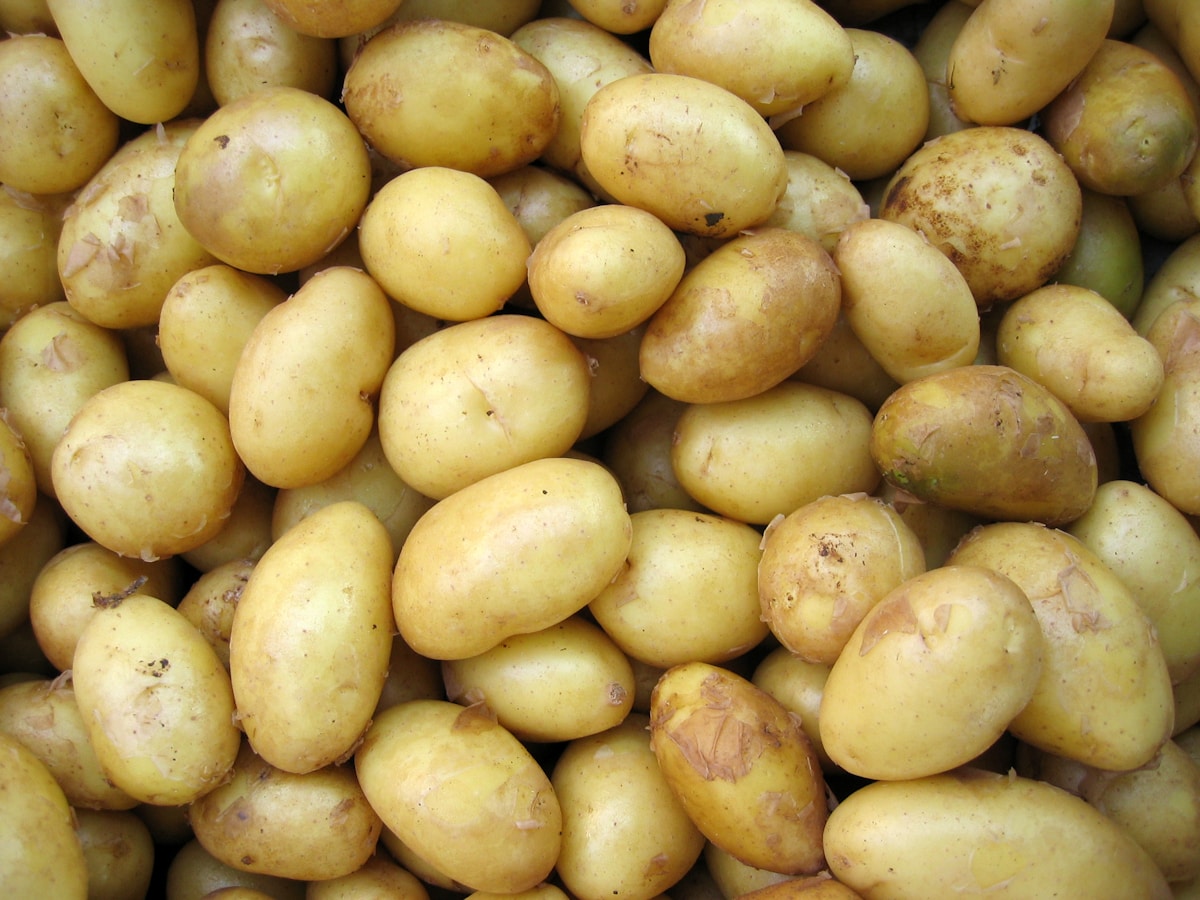
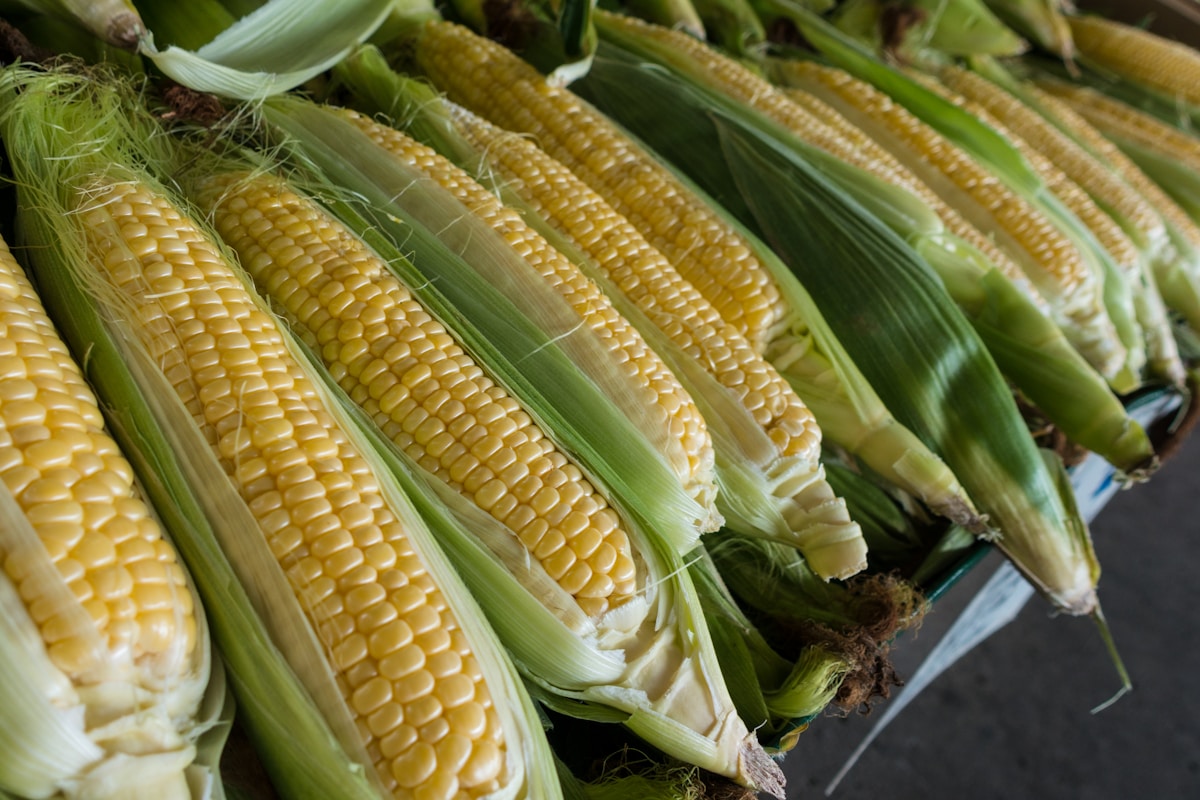
Though often called a grain, quinoa is a pseudocereal: a seed cooked and eaten like grain. Its value came from both nutrition and adaptability. Alongside potatoes, maize, beans, and camelid herding, quinoa helped support complex societies in environments that outsiders often misunderstood as marginal.
How did quinoa evolve over time?
In the Inca world, quinoa was one of several essential crops woven into agriculture, storage, ritual, and tribute. Spanish chroniclers sometimes described it with fascination, but colonial systems favored wheat, barley, and European food habits. In some regions, quinoa's ritual associations and Indigenous identity contributed to its marginalization.
Yet quinoa never disappeared. Rural Andean communities kept cultivating it, saving seed, adapting varieties, and preserving knowledge through household farming. Its survival is a story of Indigenous continuity rather than rediscovery. The crop remained important in Bolivia, Peru, Ecuador, Chile, and surrounding regions long before health-food markets noticed it.
In the late 20th and early 21st centuries, quinoa entered global supermarkets as a high-protein, gluten-free superfood. Demand brought income opportunities for some farmers, but also price swings, land pressure, and debates about who benefits when an Indigenous staple becomes a global commodity.
Why is quinoa culturally important?
Quinoa carries the history of Andean agriculture: patient seed selection, ecological intelligence, and survival under colonial disruption. It also challenges the idea that world history was shaped only by wheat, rice, and maize. In the Andes, quinoa helped sustain civilizations in one of the planet's most demanding farming zones.
Its modern fame can be double-edged. Calling quinoa an ancient superfood may attract attention, but it can flatten the living cultures that protected it. The crop is not merely a nutrient profile. It belongs to foodways of soups, porridges, breads, drinks, rituals, markets, and family farms.
Respecting quinoa means seeing both the seed and the people behind it. Its story is about biodiversity, Indigenous knowledge, and the politics of global appetite.
How is quinoa used today?
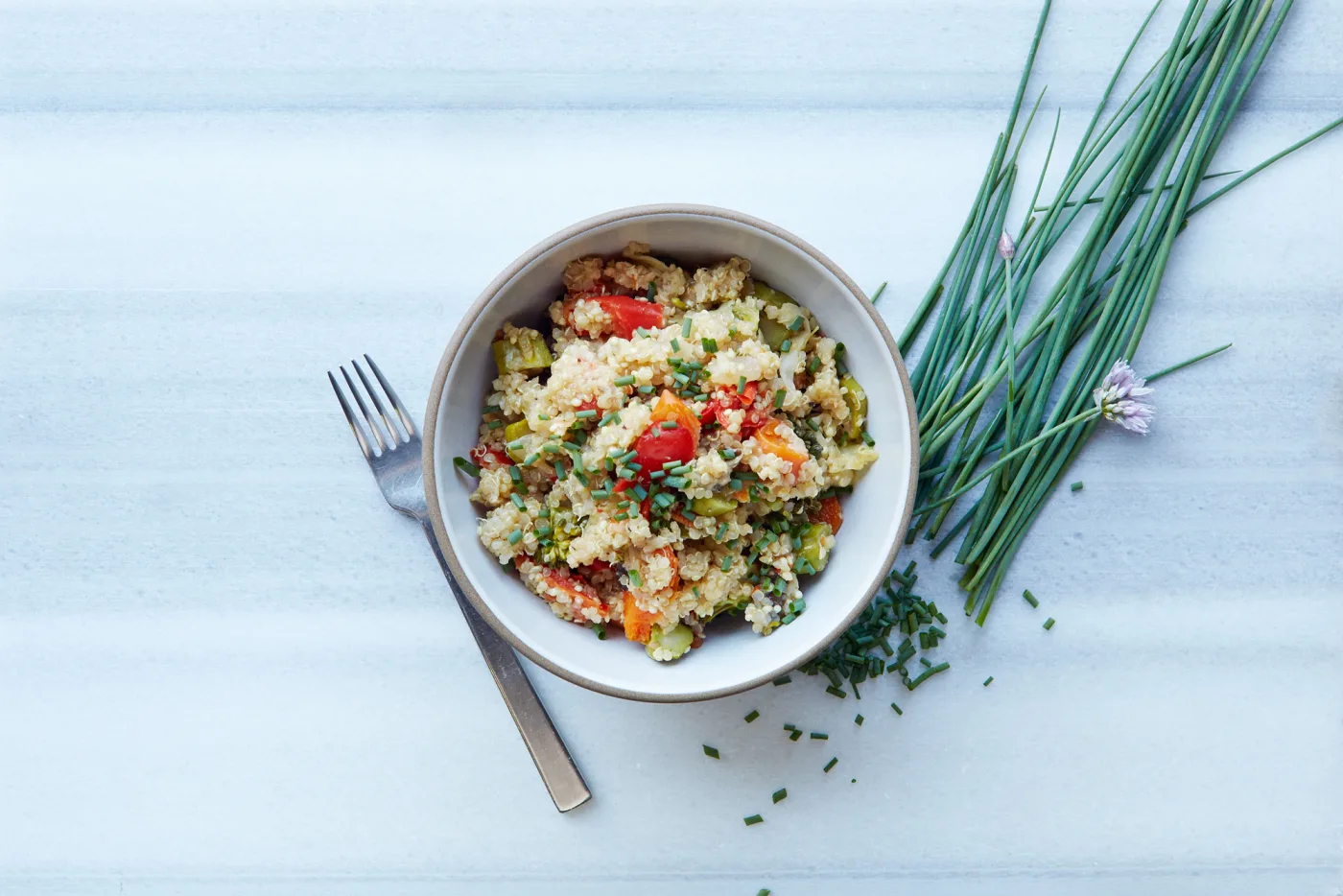
Today, quinoa appears in bowls, salads, porridges, veggie burgers, gluten-free baking, and ready-to-eat meals. Agronomists study it for climate resilience, especially because some varieties tolerate drought, frost, and salinity better than many staple crops.
The future of quinoa will depend on balance. Global demand can reward farmers, but only if supply chains protect biodiversity, fair prices, and local food security. The most meaningful version of quinoa's modern success is not just wider consumption. It is recognition of Andean farmers as innovators whose work shaped one of the world's most remarkable crops.
Historical Timeline
Wild quinoa relatives are used and gradually domesticated in the Andean region
Quinoa becomes a major high-altitude crop alongside potato and maize systems
The Inca Empire incorporates quinoa into agriculture, tribute, and ritual life
Spanish conquest disrupts Indigenous crops and promotes European grains in many areas
The United Nations marks the International Year of Quinoa as global demand rises
Evidence Explorer
Review the Source Trail
Inspect the article sources, scoped review credits, and copyable citation details without leaving the page.
Sources Listed
Comments
Community comments are coming soon. Check back later to join the discussion!