💡 Key Takeaways
- Stracciatella cheese is a mixture of hand-torn pasta-filata strands and cream.
- It is the filling inside burrata but can also be sold separately.
- The name shares a root with stracciatella soup and gelato because all evoke torn pieces or shreds.
- Its global fame followed burrata and refrigerated fresh-cheese distribution.
What Is Stracciatella Cheese?
Stracciatella cheese is made by tearing stretched curd into irregular strands and mixing those strands with cream. The mixture is loose, rich, and spoonable. It is best known as the filling inside burrata, but it can also be sold and served on its own [1].
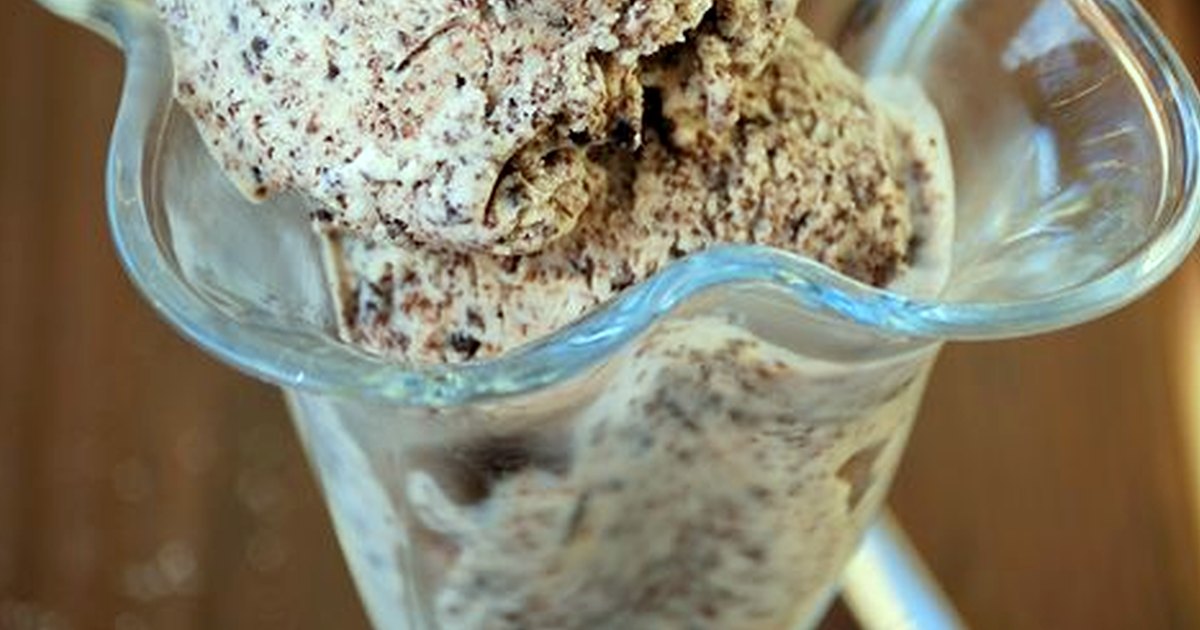
The name causes confusion because stracciatella also describes an egg-drop soup and a chocolate-flecked gelato. The shared idea is tearing or shredding. The ingredients and histories are different; the visual metaphor connects them.
How Stracciatella Emerged in Apulia
Stracciatella's history is inseparable from burrata and Apulian pasta-filata craft. Cheesemakers already knew how to heat and stretch curd. Tearing some of that curd into strands and bathing it in cream created a filling that could be sealed inside a fresh pouch [2].
The process made practical use of dairy material while producing a new texture. Its origin belongs to a regional system of milk, curd, cream, hand skill, and rapid consumption rather than a single isolated flash of invention.
Why Hand-Torn Strands Matter
The current Burrata di Andria specification requires irregular pasta-filata strips shredded by hand. Their uneven surface and thickness allow cream to cling between strands, producing the characteristic texture [1]. Machine-minced curd would create a different mouthfeel and weaken the visible link to craft.
This is a useful example of how protected-food rules encode technique. The regulation does not merely list ingredients; it identifies a physical gesture as part of the product's identity.
From Filling to Standalone Cheese
For much of its public history, stracciatella was described through burrata. Modern restaurants changed that relationship by serving the filling directly, often with bread, tomatoes, roasted vegetables, olive oil, or fruit. Removing the outer pouch makes the creamy strands the entire experience.
That shift also suited global kitchens. A producer can sell tubs of stracciatella without forming and sealing individual burrata pouches, while chefs gain a spreadable fresh cheese. The product moved from hidden center to menu headline.
How to Read the Name Today
Context tells the reader which stracciatella is meant. In a gelateria it usually means milk gelato with fine chocolate shards. In a soup bowl it can mean Roman egg-drop soup. At a cheese counter it means cream and torn pasta filata.
The overlap is not a branding accident. Italian food names often describe texture or action rather than one protected recipe. Stracciatella cheese is the dairy branch of that word family, rooted in Apulian craft and globalized through burrata's success.
Historical Timeline
Apulian cheesemakers combine torn stretched curd with cream in the burrata tradition
Stracciatella becomes more visible as both burrata filling and a separate fresh cheese
Burrata di Andria PGI codifies hand-shredded stracciatella as the protected filling
Restaurants serve stracciatella directly with bread, tomatoes, vegetables, and oil
Evidence Explorer
Review the Source Trail
Inspect the article sources, scoped review credits, and copyable citation details without leaving the page.
Reviewed for Stated Scope
Sources Listed
Comments
Community comments are coming soon. Check back later to join the discussion!