💡 Key Takeaways
- Yogurt likely developed among early herding communities as milk naturally fermented in warm conditions.
- Its acidity made milk safer, longer lasting, and easier to digest for many populations.
- Modern probiotic culture transformed yogurt from a regional staple into a global health food.
Where did yogurt originate?
Yogurt was probably discovered many times wherever people milked animals in warm climates. Fresh milk spoils quickly, but in the right vessel and temperature it can sour into something safer, thicker, and delicious. Early herders in Central Asia, Anatolia, the Caucasus, and the Middle East learned to encourage this transformation, turning a fragile liquid into portable nourishment.
The science is simple and elegant. Beneficial bacteria consume lactose and produce lactic acid. As acidity rises, milk proteins set into a soft gel, creating yogurt's texture and tang. For communities that depended on sheep, goats, cattle, camels, or buffalo, this was not a luxury. It was food security in a bowl.
How did yogurt evolve over time?
Fermented milk traveled with pastoralists, traders, armies, and migrants. Turkic, Persian, Arab, Balkan, Indian, and Mediterranean cuisines all developed related traditions: yogurt drinks, strained yogurt, sauces, soups, marinades, and preserved dairy. In hot regions, yogurt's acidity made it especially valuable because it lasted longer than fresh milk.
In Ottoman cuisine, yogurt became a central ingredient in soups, kebab accompaniments, and cooling sauces. In South Asia, curd and yogurt-based preparations became part of daily cooking, religious foodways, and festive dishes. In the Levant, strained yogurt became labneh, a dense spread preserved under olive oil or rolled into balls.
The modern scientific chapter began in the early 20th century, when Nobel laureate Elie Metchnikoff argued that fermented milk might support longevity. His claims were broader than the evidence, but they helped transform yogurt into a health food. Industrial dairies then standardized starter cultures, packaging, and refrigeration, carrying yogurt into supermarkets around the world.
Why is yogurt culturally important?
Yogurt's cultural power lies in its flexibility. It can be humble or ceremonial, savory or sweet, a drink, sauce, breakfast, marinade, or medicine. It cools chili heat, tenderizes meat, enriches soups, and balances grains and vegetables. Few foods move so easily between everyday sustenance and culinary refinement.
It also sits at the intersection of biology and culture. Lactose tolerance varies across populations, but fermentation reduces lactose, making dairy accessible to many people who might not tolerate fresh milk well. In this sense, yogurt is a cultural technology: humans used microbes to reshape nutrition.
Today, yogurt is tied to wellness language, but its older meaning is more practical. It is the taste of households that learned to cooperate with bacteria long before microbiology had a name.
How is yogurt used today?
Modern yogurt ranges from plain live-culture tubs to sweetened snack cups, drinkable yogurt, frozen yogurt, labneh, skyr-style products, and thick strained varieties. The supermarket aisle can make yogurt look new, but most of its uses are ancient: preserving milk, adding acidity, and stretching nutrition.
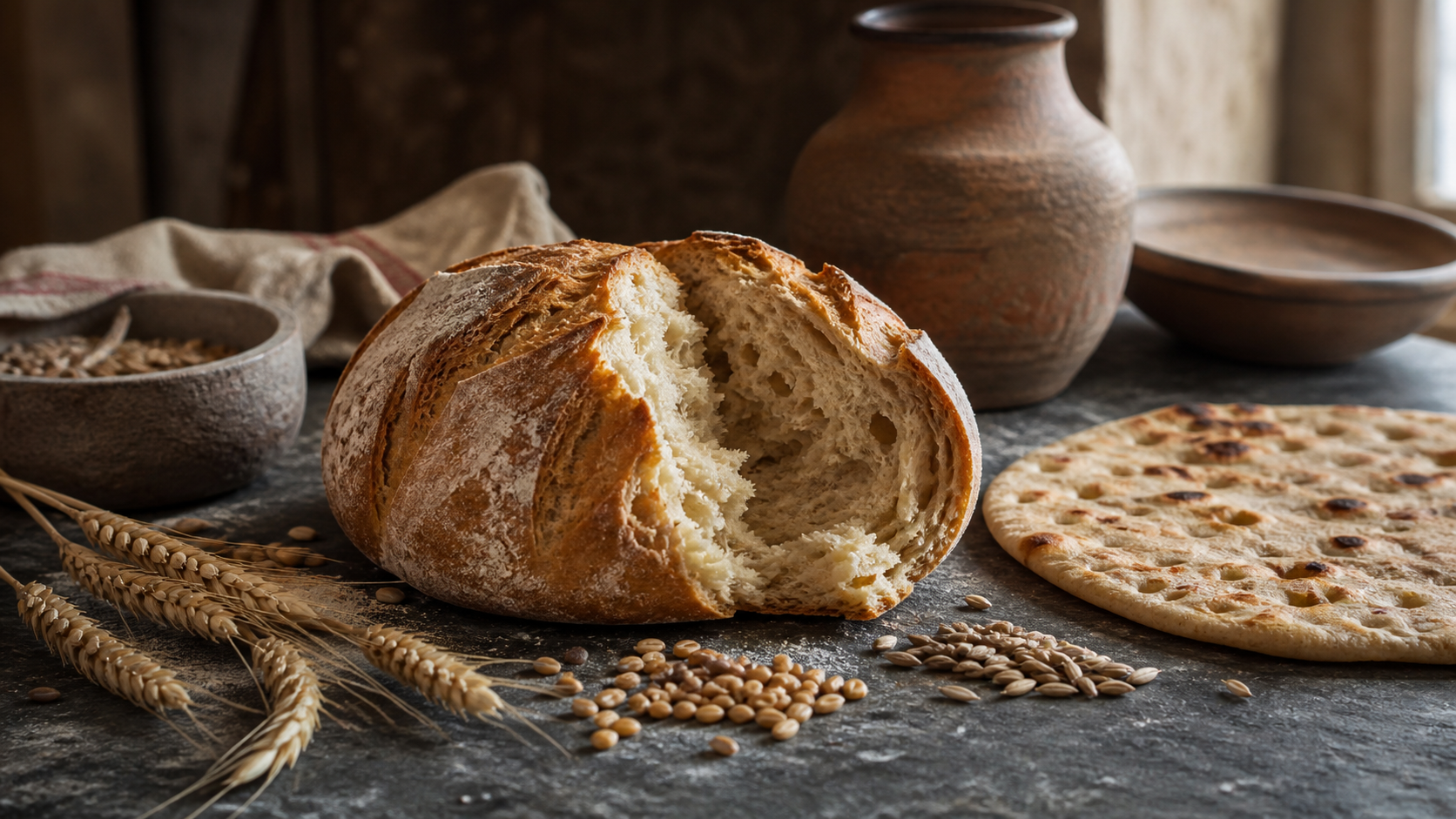
The current probiotic conversation has revived interest in live cultures, though traditional yogurt should not be reduced to a supplement. Its deeper history is culinary. Whether spooned with honey, whisked into cucumber and garlic, stirred into curry, or eaten with bread, yogurt remains one of humanity's most successful fermented foods, parallel to sourdough as another everyday food built by repeated microbial care.
In the news
Recent 2026 food-culture notes that reference this article.
- Jul 5, 2026Prebiotic vs Probiotic vs Postbiotic→
- Jun 24, 2026Postbiotics Explained: Dead Ferments, Living Marketing→
- Jun 24, 2026Skyr: Nordic Dairy Ferment History→
- Jun 20, 2026Frozen Yogurt NYC Revival 2026→
- Jun 19, 2026What Is Chaat? The Sour-Spicy Street Snack Breaking Into U.S. Menus→
- Jun 11, 2026Kefir Is Having a 2026 Moment — Its Origins Are in the Caucasus, Not the Smoothie Bar→
Historical Timeline
Early herding communities ferment milk as dairying spreads across Eurasia
Fermented milk foods become important among pastoral peoples from Central Asia to the Middle East
Turkic languages help transmit words related to yogurt across Anatolia and surrounding regions
Elie Metchnikoff popularizes fermented milk as a food linked to longevity
Industrial starter cultures and refrigeration make yogurt a mass-market dairy product
Evidence Explorer
Review the Source Trail
Inspect the article sources, scoped review credits, and copyable citation details without leaving the page.
Sources Listed
Comments
Community comments are coming soon. Check back later to join the discussion!