💡 Key Takeaways
- Kimchi began as a Korean preservation strategy for vegetables long before chili peppers reached East Asia.
- The arrival of chili peppers after the Columbian Exchange transformed kimchi into the red, spicy food recognized today.
- Kimjang, the communal making and sharing of kimchi, remains a major expression of Korean family and community life.
Where did kimchi originate?
Kimchi began as a practical response to climate. Korea has cold winters, hot summers, and a long agricultural tradition, so preserving vegetables was essential. Early kimchi was not the fiery red napa cabbage dish many people picture today. It was more often salted, brined, or lightly seasoned vegetables fermented in jars and stored underground or in cool spaces.
The foundation of kimchi is lactic acid fermentation. Salt draws water from vegetables, discourages spoilage organisms, and creates a habitat where beneficial bacteria can produce acidity. This gives kimchi its tang, keeps vegetables edible through winter, and turns preservation into flavor. The technique is both ancient and deeply local, shaped by Korean crops, vessels, seasons, and household knowledge.
How did kimchi evolve over time?
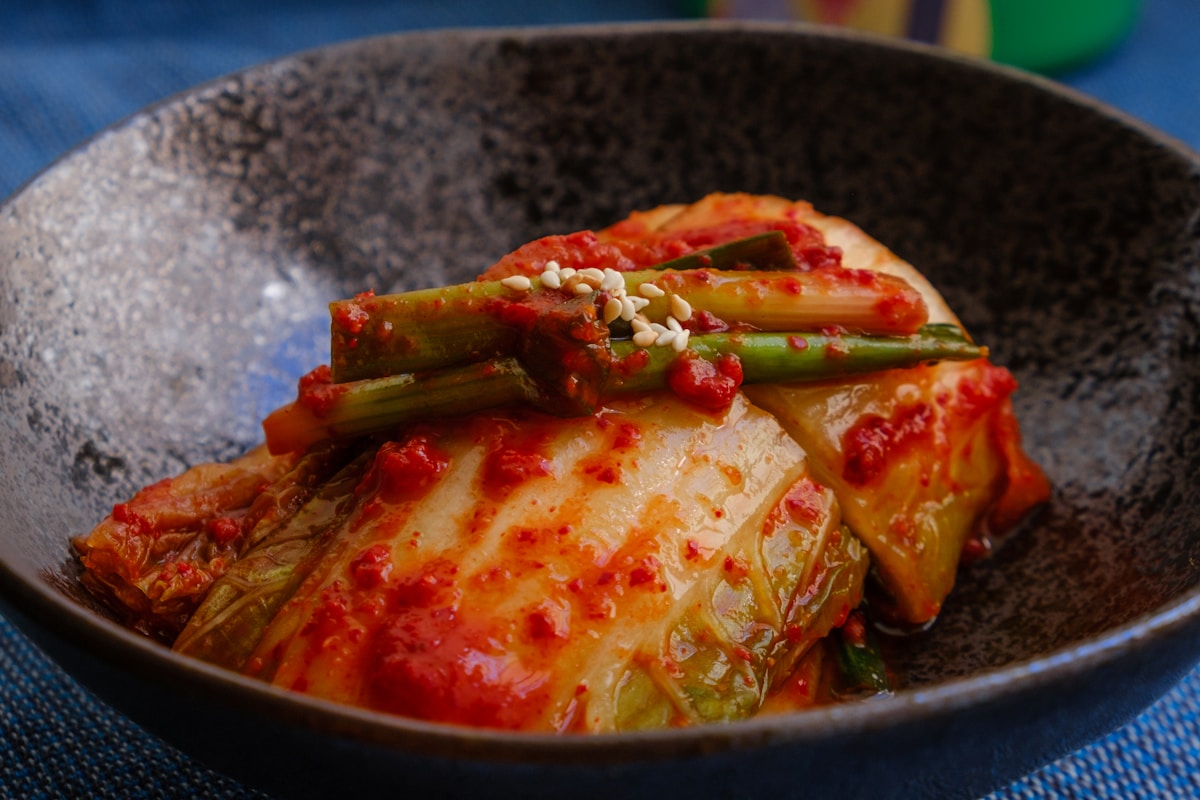
Kimchi changed dramatically after the 16th century, when chili peppers entered East Asia through the global exchanges that followed European contact with the Americas. Korean cooks gradually incorporated chili along with garlic, ginger, scallions, radish, seafood pastes, and other seasonings. Over time, the red color and bright heat became strongly associated with kimchi itself.
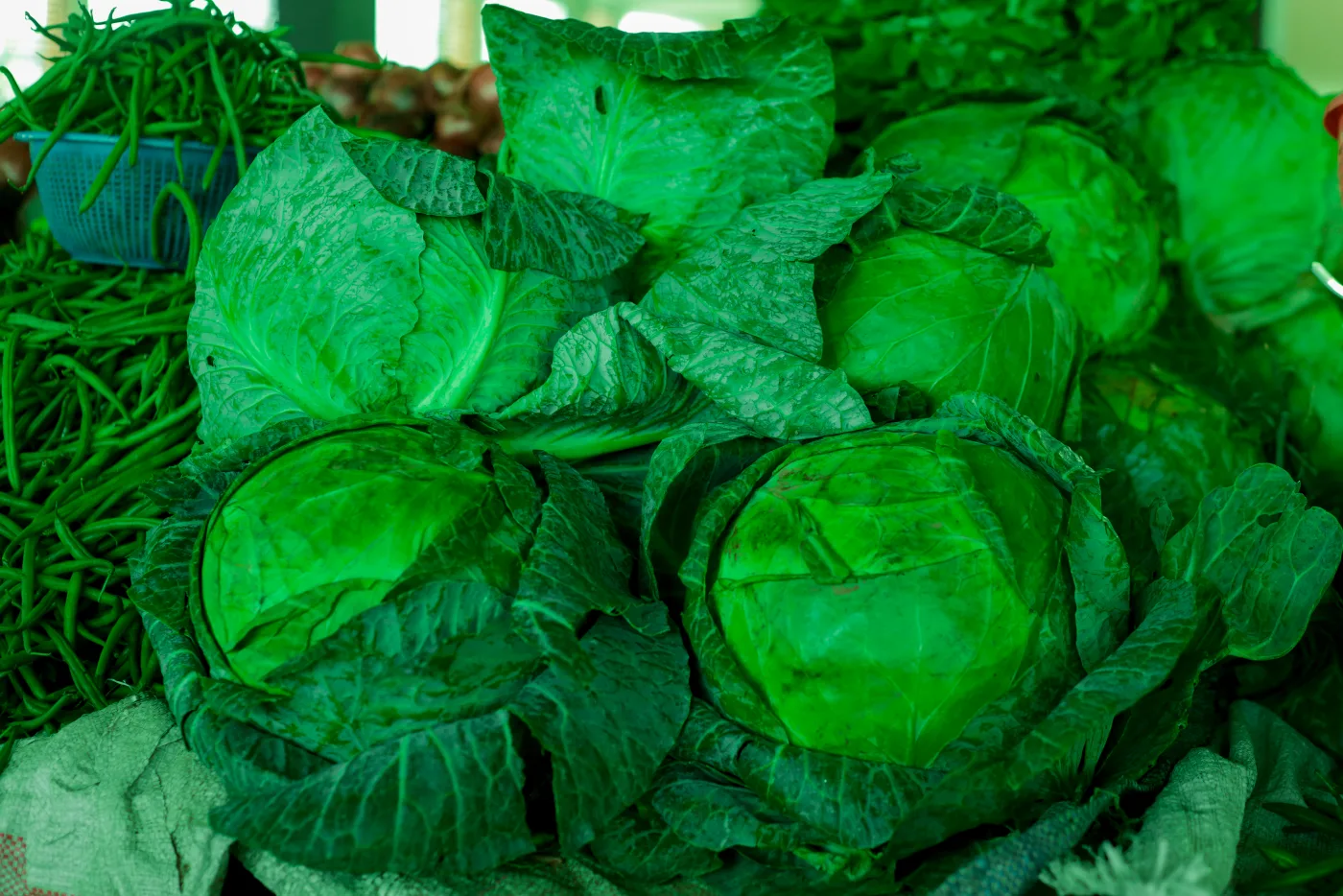
The rise of napa cabbage kimchi was another important shift. Earlier kimchi traditions used many vegetables, including radish, cucumber, and leafy greens. As napa cabbage became more widely cultivated, whole-cabbage kimchi emerged as a celebrated form. Regional geography mattered: coastal areas used more seafood, inland regions leaned on different aromatics, and royal kitchens developed refined variations.
Modern Korean history further elevated kimchi as a national symbol. During occupation, war, migration, and rapid industrialization, kimchi remained a taste of home. Korean communities abroad carried jars, recipes, and memories with them, helping kimchi become one of the world's best-known fermented foods.
Why is kimchi culturally important?
Kimchi is a daily food, but it is also a social practice. Kimjang, the late-autumn preparation of large quantities of kimchi, gathers families and neighbors for washing, salting, seasoning, packing, and sharing. The work can be demanding, yet it expresses care: a household prepares nourishment for the cold months and distributes it across kinship and community networks.
Because kimchi appears at nearly every Korean meal, it carries emotional weight. It can signal region, family style, season, class, and memory. A person's preferred kimchi often says as much about upbringing as taste. Its sourness also changes over time, so kimchi is a living food with a life cycle: fresh, ripe, sharp, and finally perfect for stews or fried rice.
Kimchi's global rise has sometimes led to simplified versions, but its cultural heart remains specific. It is Korean history in edible form: agriculture, fermentation, survival, adaptation, and collective labor.
How is kimchi used today?
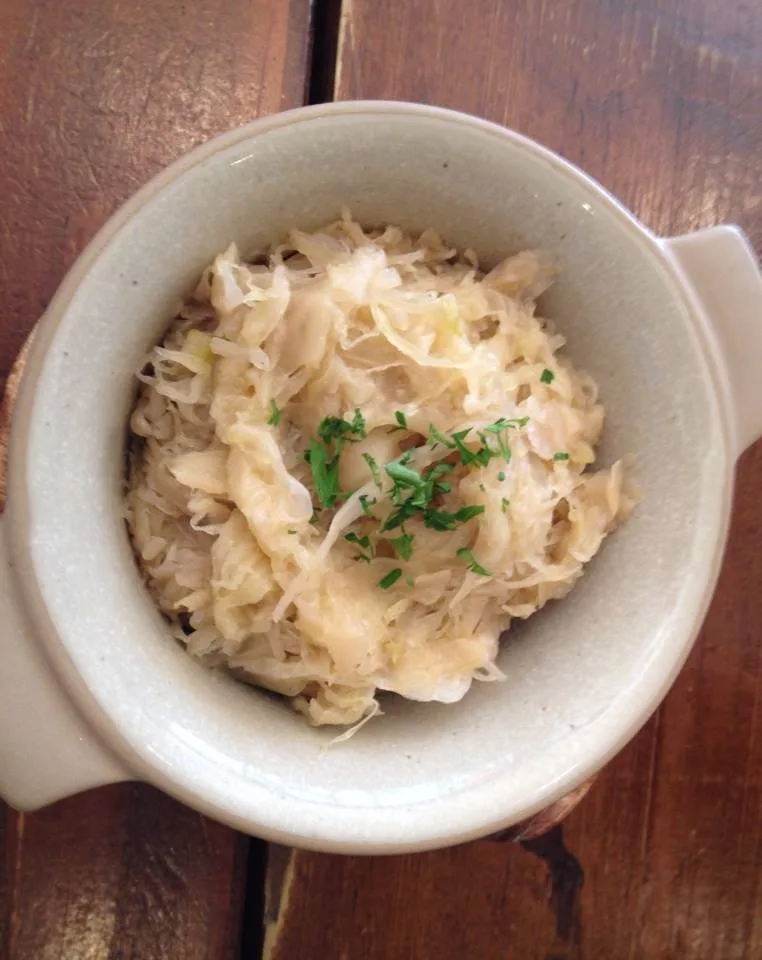
Today, kimchi sits at the center of a worldwide fermentation revival. It appears in traditional stews, pancakes, dumplings, noodles, fried rice, tacos, grilled cheese, and fine-dining sauces. Chefs value its acidity and umami, while nutrition writers often highlight its live cultures. That revival sits beside renewed interest in foods such as sourdough, where everyday microbes have become symbols of craft and continuity.
The most important modern story, however, is continuity. South Korean families may now buy kimchi commercially or store it in specialized refrigerators, but homemade kimjang remains meaningful. As climate change and urban life alter cabbage harvests and household routines, kimchi continues to adapt, just as it has for centuries.
In the news
Recent 2026 food-culture notes that reference this article.
Historical Timeline
Korean communities preserve vegetables with salt and fermentation for winter survival
Fermented vegetable traditions become part of settled agricultural life on the Korean Peninsula
Chili peppers arrive in Korea after the Columbian Exchange and gradually change kimchi recipes
Napa cabbage kimchi becomes increasingly prominent with new cabbage varieties and seasonings
Kimjang is inscribed on the UNESCO Representative List of Intangible Cultural Heritage
Evidence Explorer
Review the Source Trail
Inspect the article sources, scoped review credits, and copyable citation details without leaving the page.
Sources Listed
Comments
Community comments are coming soon. Check back later to join the discussion!