💡 Key Takeaways
- The cucumber (Cucumis sativus) was domesticated in South Asia and spread west into the Mediterranean and beyond as a cooling fresh fruit and pickling crop.
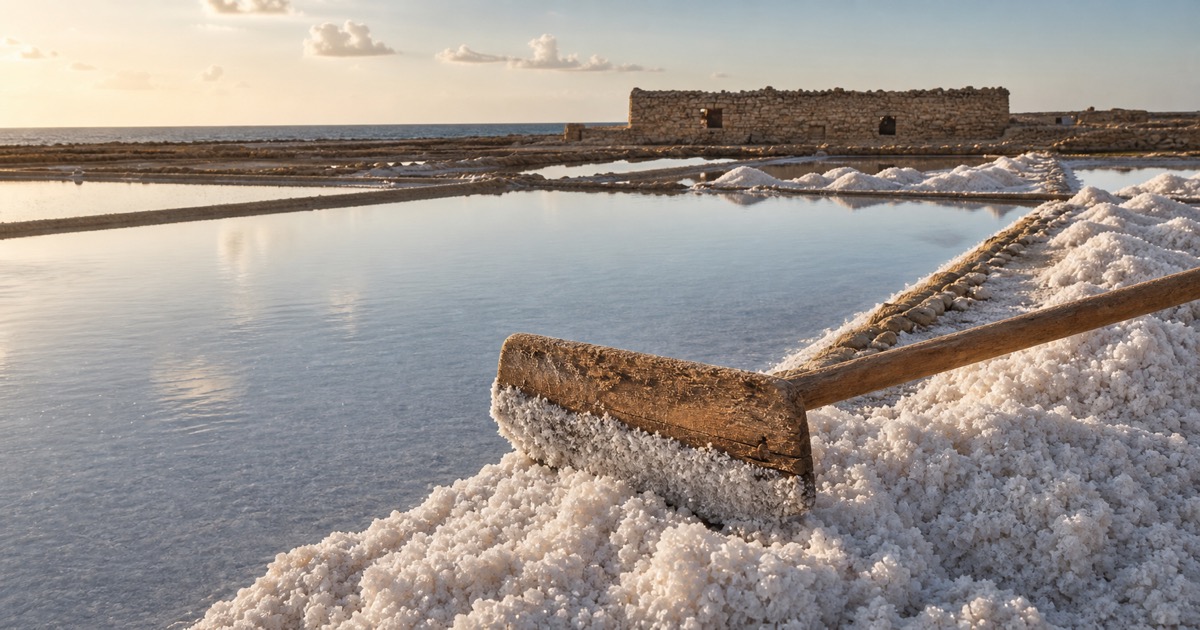
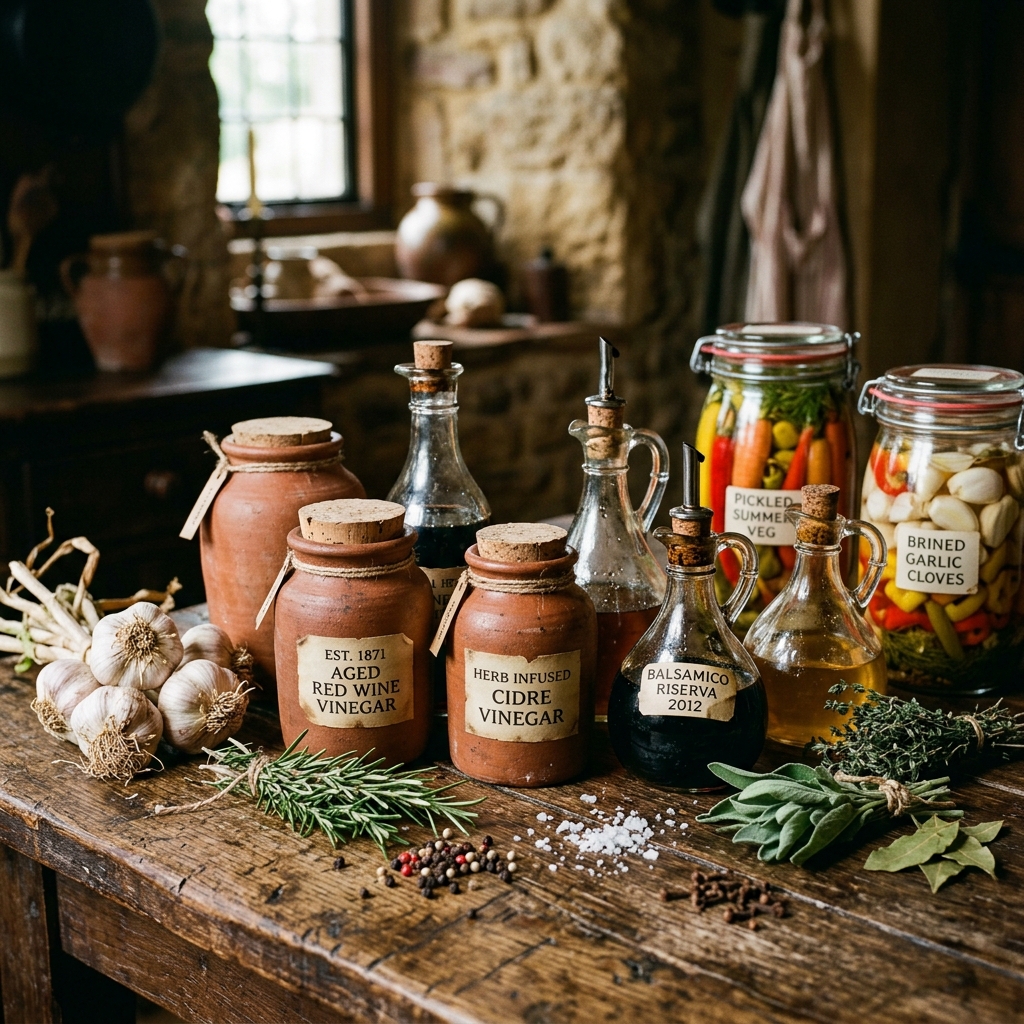
- Salt, vinegar, and fermentation turned perishable cucumbers into gherkins and dill pickles — a preservation story as important as the salad story.
- From Indian raita to sushi bars and deli spears, cucumber remains a global texture of crunch, water, and mild green flavor.
Where did cucumber originate?
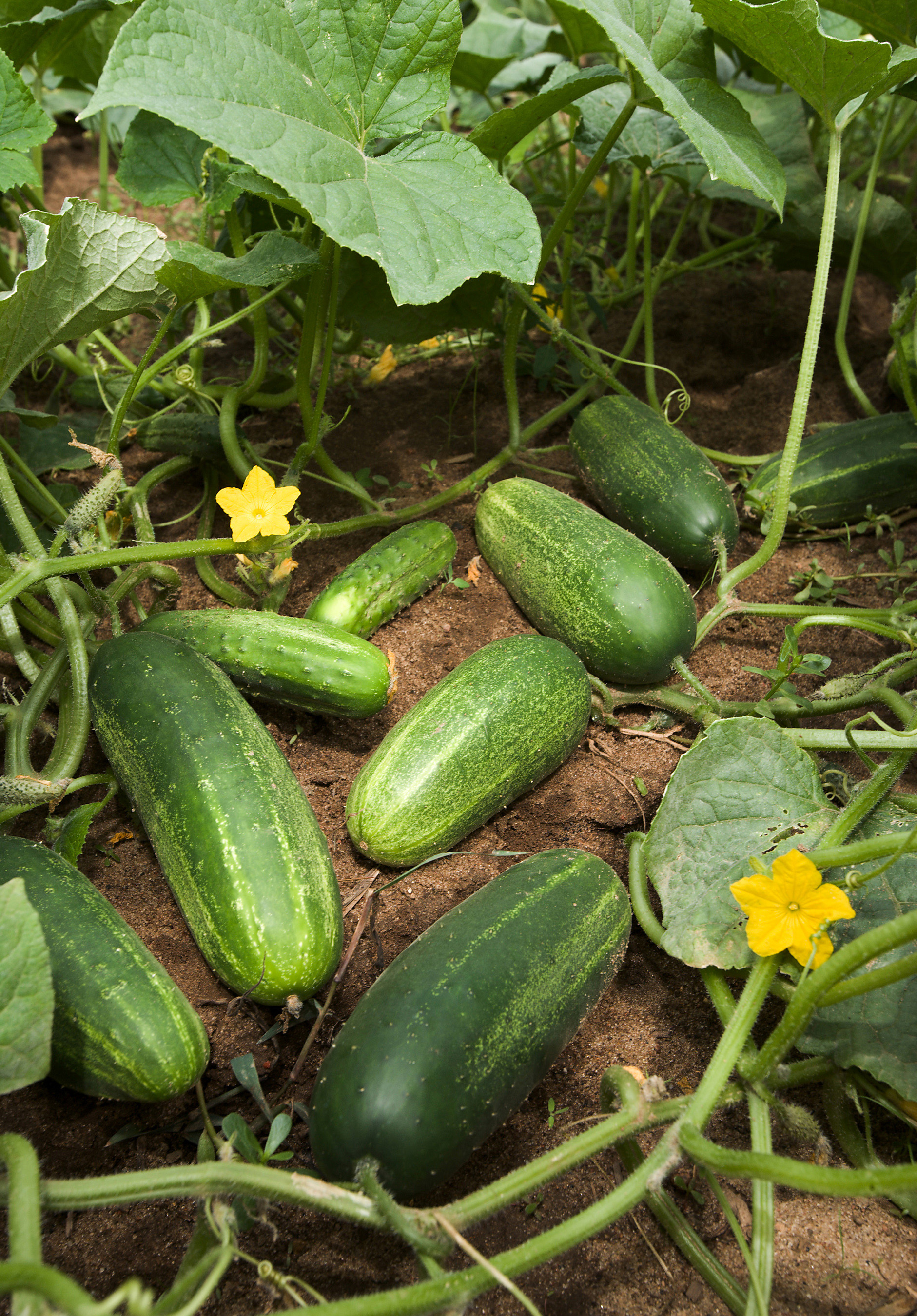
The cucumber (Cucumis sativus) is a cucurbit vine domesticated in South Asia, with India as the strongest center of early diversity and cultivation [1][2][3]. Growers selected milder, less bitter fruits from wild relatives and built a crop eaten fresh for its cool, watery crunch.
From the start, cucumber was a climate food: high water content, mild flavor, and a habit of being served to cut heat and richness. That sensory job still defines raita, salads, and spa-water clichés — but the plant's deeper history is agricultural and preservative [4].
Westward to Roman Gardens
Cucumbers moved west through Southwest Asia into the Mediterranean. Roman elites prized them as garden produce; classical writers treat the cucumber as a cultivated luxury rather than a wild forage [1][2]. Along the way, local varieties adapted to different climates and uses — fresh slicing versus small fruits destined for brine.
The Mediterranean chapter matters because it set up Europe's later pickle cultures: once cucumbers were common garden plants, salt and vinegar could turn a summer glut into winter jars.
Pickles, Brine, and the Gherkin
Fresh cucumbers spoil quickly. Brining and vinegar pickling solved that problem across Europe, the Middle East, and later North America, producing gherkins, dill spears, and bread-and-butter slices [5]. Jewish deli pickles, Eastern European barrel ferments, and British pickled onions-and-gherkins traditions all depend on the same cucurbit.
Our pickles article covers the wider preservation craft; cucumber is the star vegetable of that story in many temperate kitchens, alongside salt and vinegar as the enabling ingredients.
Raita, Sushi, and Salad Bowls
In South Asia, cucumber cools spice: grated or chopped into yogurt for raita and similar sides [1]. In East Asia and global sushi bars, thin cucumber sticks add crunch without fat. In the West, it anchors Greek salad, sandwiches, and spa cuisine.
Modern breeding split slicing, pickling, and seedless greenhouse types, and world production now runs in the tens of millions of tonnes [6]. The through-line is texture: cucumber is how many cuisines add water, crunch, and green freshness to rich or salty plates.
How Cucumbers Are Used Today
Today cucumbers appear in salads, sandwiches, juices, pickles, kimchi-adjacent banchan, tzatziki, raita, and sushi rolls. Craft pickle shops and home fermenters have revived barrel and refrigerator styles, while hothouse English cucumbers dominate supermarket produce aisles.
For The Foods That Shaped Us, cucumber links pickles, salt, vinegar, and yogurt. It is a South Asian vine that taught the world to eat water with a crunch — fresh or preserved.
Historical Timeline
Cucumbers are domesticated in South Asia; early cultivation spreads through the subcontinent
Cucumbers reach the Mediterranean; Roman writers describe them as garden luxuries
Pickling in brine and vinegar turns cucumbers into long-keeping gherkins across Europe and the Middle East
European colonists and global trade carry cucumber varieties to the Americas and beyond
Commercial pickle industry and greenhouse production scale slicing and pickling types
Cucumbers remain central to salads, sushi, raita, and craft pickle revivals
Evidence Explorer
Review the Source Trail
Inspect the article sources, scoped review credits, and copyable citation details without leaving the page.
Sources Listed
Comments
Community comments are coming soon. Check back later to join the discussion!