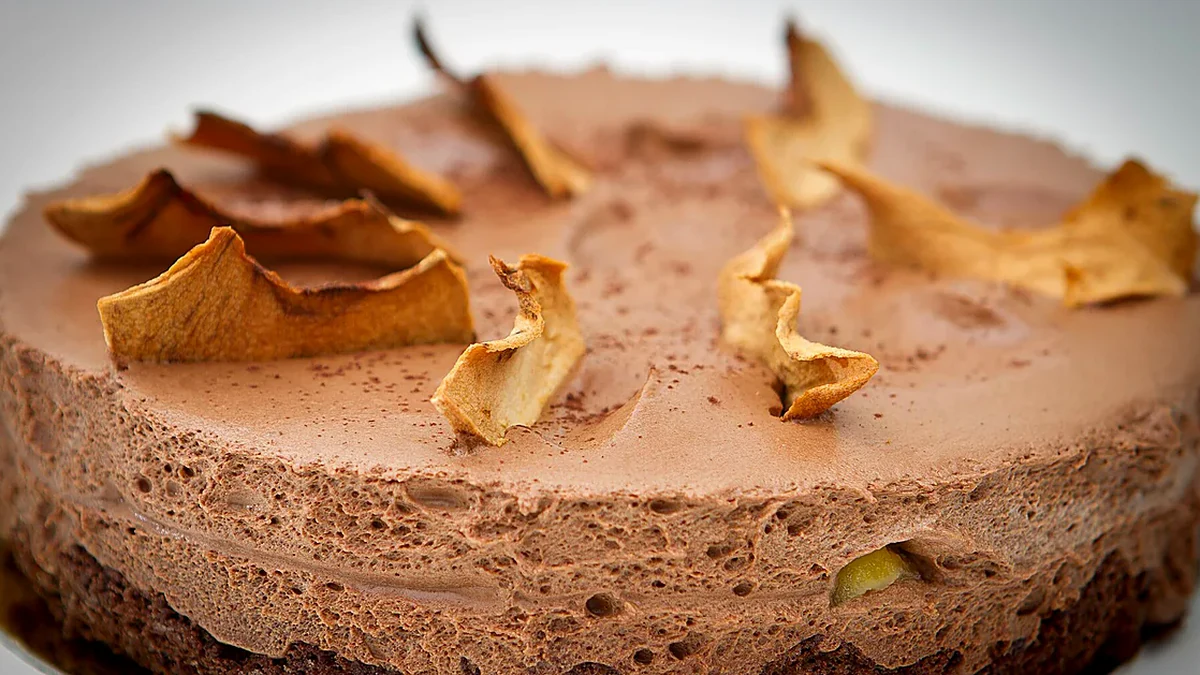
Dessert recipe
Chocolate Mousse Recipe
A practical, source-aware recipe for chocolate mousse, with the history kept close to the method.
Jump to recipeDeveloped by the Recipe Desk. This original editorial recipe uses measured ingredients, explicit timing and yield, allergen notes, storage guidance, and step-by-step visual cues. Use the stated doneness and texture cues because ingredients, ovens, and kitchen equipment vary.
Ingredients
- 1 cup chilled heavy cream, divided
- 4 large egg yolks
- ¼ cup brewed espresso or strong coffee, room temperature
- ½ tsp. Diamond Crystal or ¼ tsp. Morton kosher salt
- 3 Tbsp. sugar, divided
- 6 oz. semisweet chocolate (60–64% cacao), chopped
- 3 large egg whites*
Method
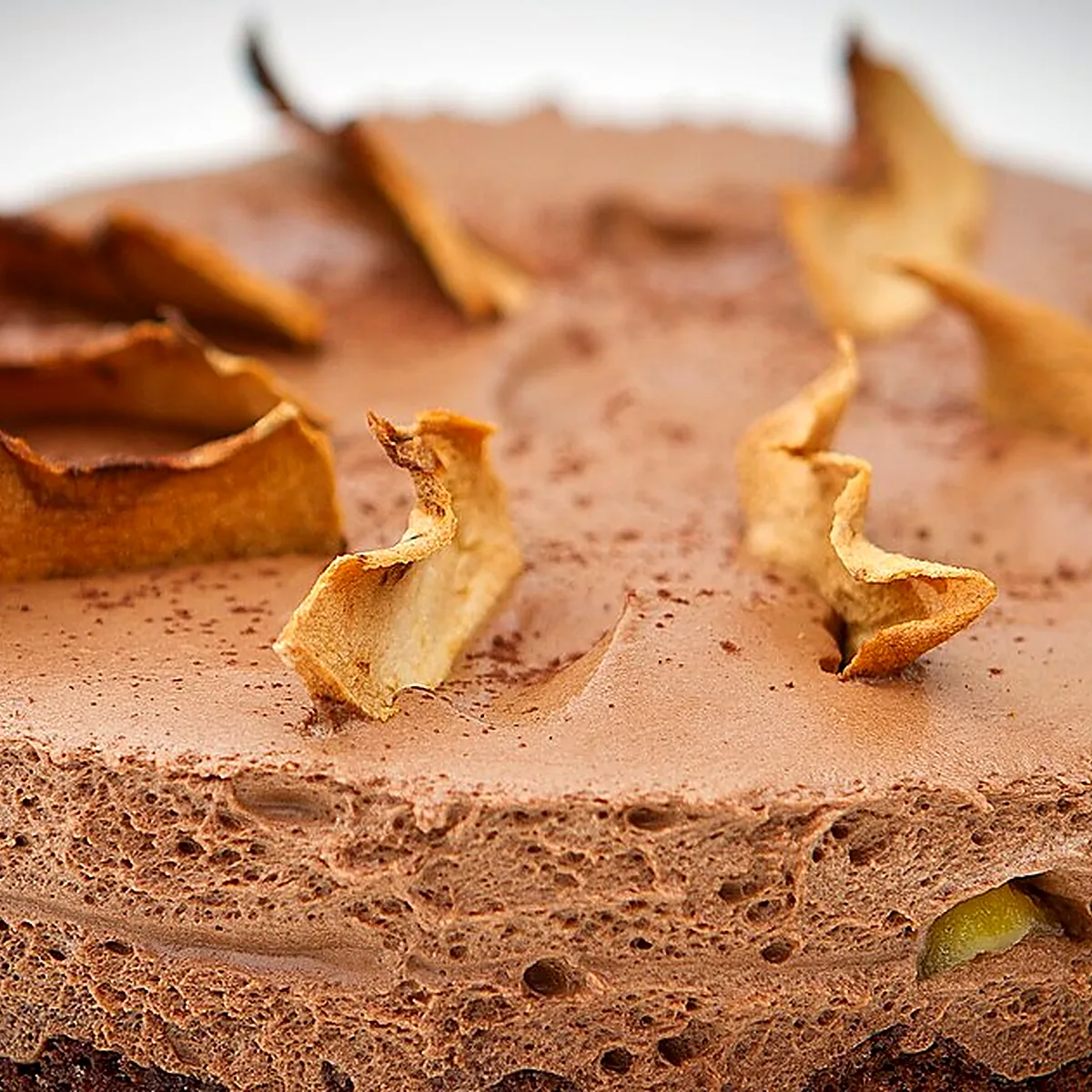
Step 1: Step 1 for Chocolate Mousse. 1Step 1
Whisk ½ cup chilled heavy cream in a small bowl to stiff peaks; cover and chill.
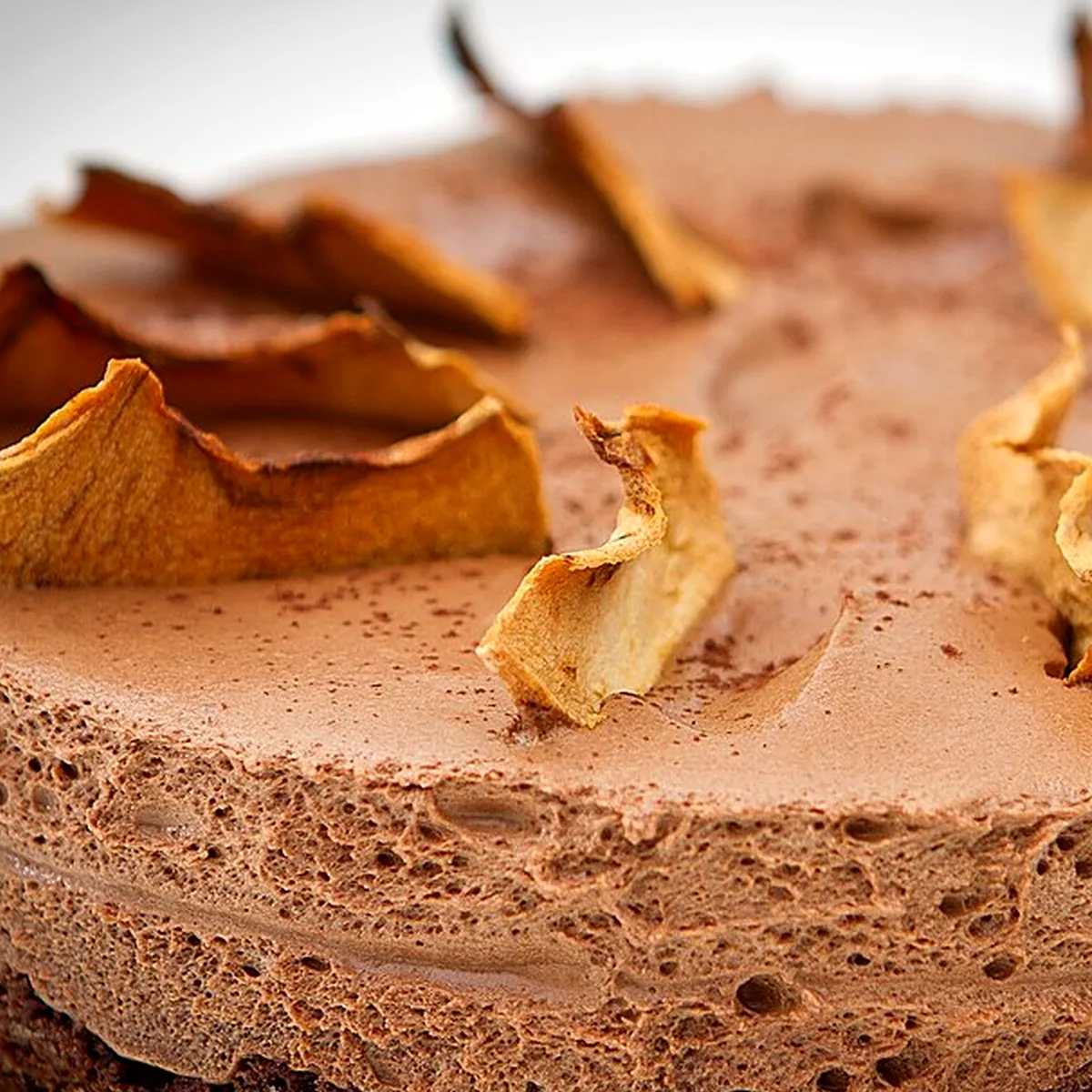
Step 2: Step 2 for Chocolate Mousse. 2Step 2
Combine 4 large egg yolks, ¼ cup brewed espresso or strong coffee, room temperature, ½ tsp. Diamond Crystal or ¼ tsp. Morton kosher salt, and 2 Tbsp. sugar in a heatproof mixing bowl. Set over a saucepan of gently simmering water (do not let bowl touch water). Cook, whisking constantly, until mixture is lighter in color and almost doubled in volume and an instant-read thermometer inserted into the mixture registers 160°, 1½–2½ minutes. Remove bowl from heat. Add 6 oz. semisweet chocolate, chopped, and stir until melted and mixture is smooth. (If chocolate is not melting, place the bowl back over the simmering water for about 10 seconds.) Let sit, whisking occasionally, until room temperature.
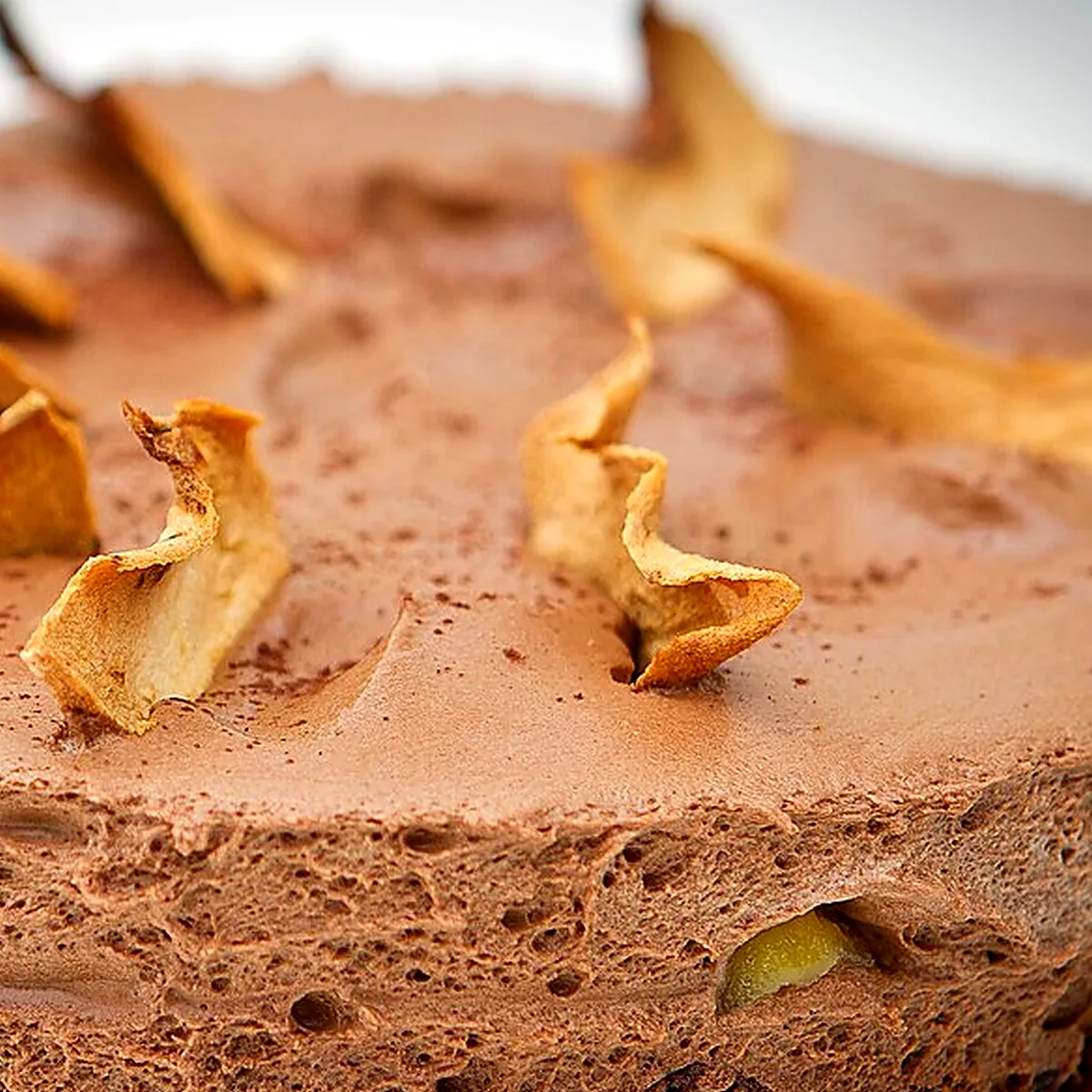
Step 3: Step 3 for Chocolate Mousse. 3Step 3
Using an electric mixer fitted with a whisk attachment, beat 3 large egg whites in a medium bowl on medium speed until foamy, 1½–2½ minutes. With mixer running, gradually beat in remaining 1 Tbsp. sugar. Increase speed to high and beat until stiff peaks form, about 1 minute. Fold egg whites into melted chocolate mixture in 2 additions; fold reserved whipped cream into mixture just to blend. Divide mousse among six 4-oz. ramekins, dessert glasses, or teacups. Chill until firm, at least 2 hours. Do Ahead: Mousse can be made 1 day ahead. Cover with plastic wrap or wax paper and keep chilled. Let sit at room temperature 10 minutes before serving.
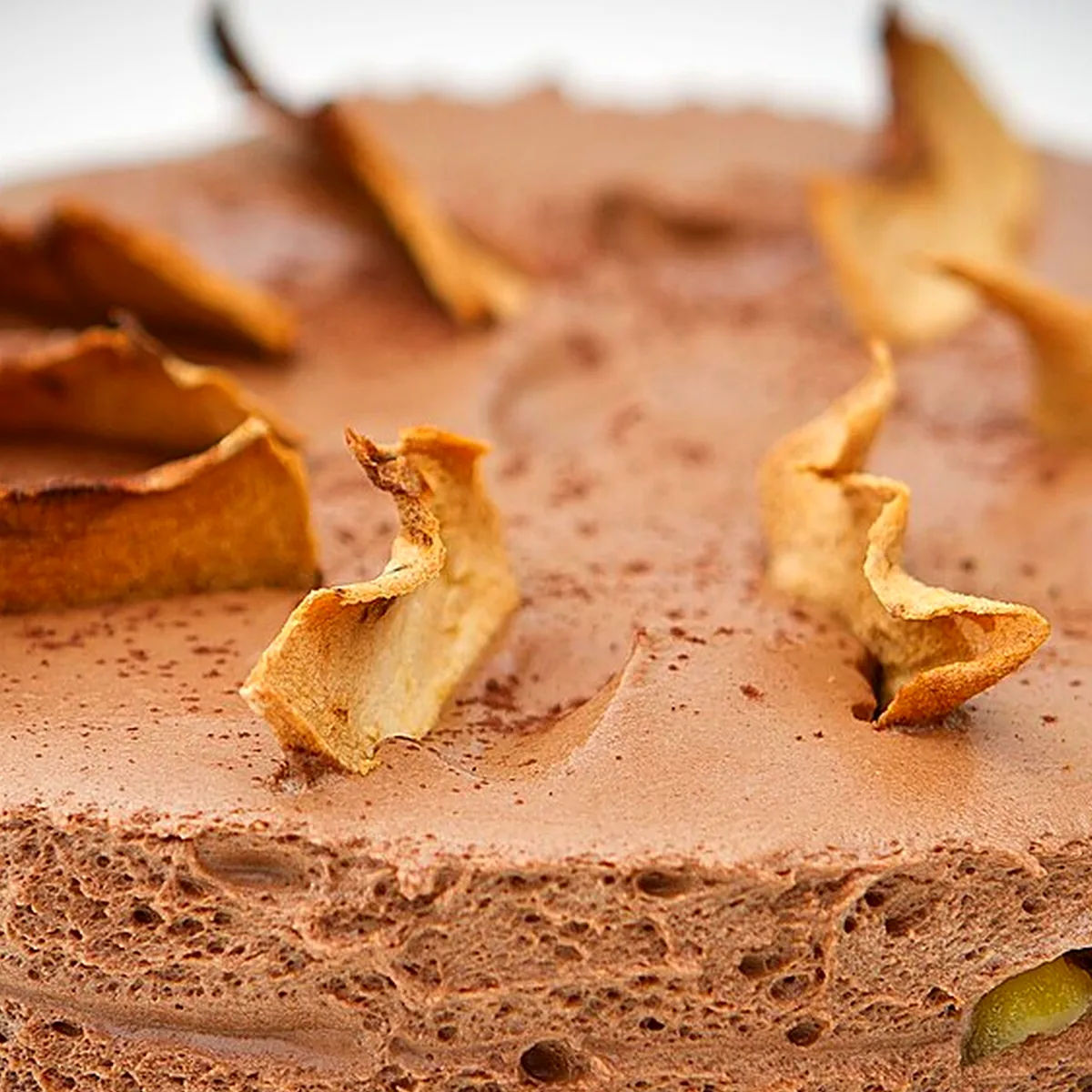
Step 4: Step 4 for Chocolate Mousse. 4Step 4
Just before serving, whisk remaining ½ cup chilled heavy cream in a small bowl to soft peaks; top each cup of mousse with a dollop of whipped cream.
Why this dish belongs here
The history behind the method
This dessert builds on the history of the cacao drink that moved from amazonian domestication and mesoamerican ritual into colonial sugar, industrial bars, and global luxury, linking the dish to chocolate’s longer story in food culture.