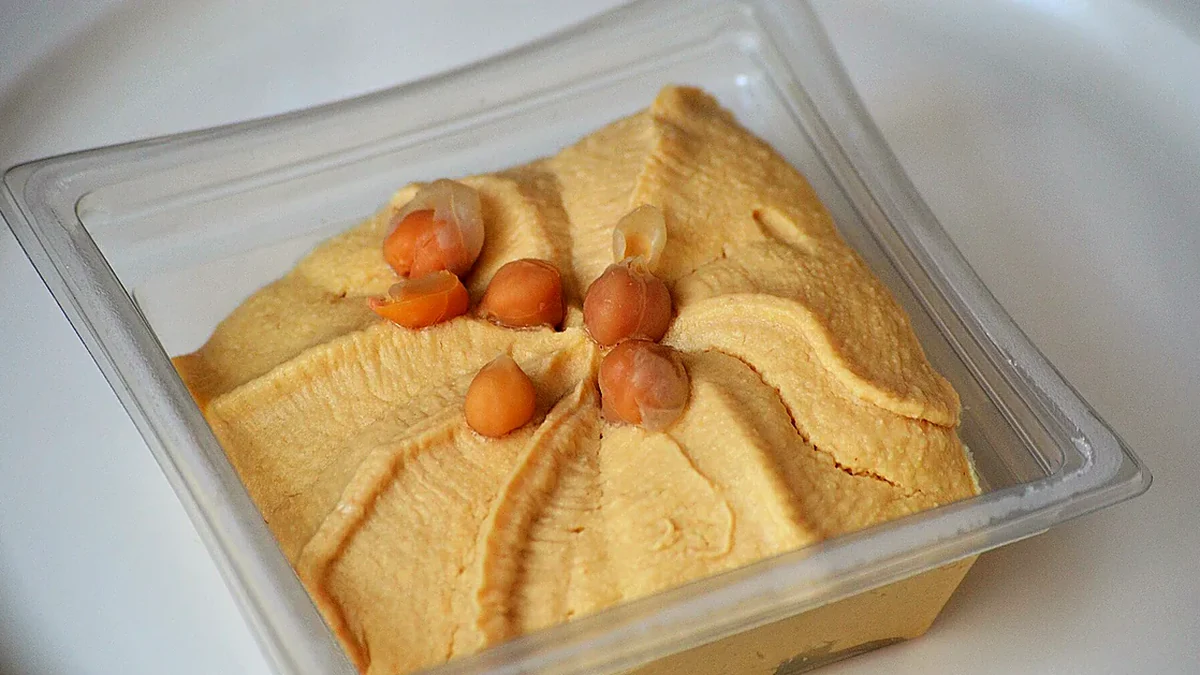
Appetizer recipe
Classic Hummus Recipe
A practical, source-aware recipe for classic hummus, with the history kept close to the method.
Jump to recipeDeveloped by the Recipe Desk. This original editorial recipe uses measured ingredients, explicit timing and yield, allergen notes, storage guidance, and step-by-step visual cues. Use the stated doneness and texture cues because ingredients, ovens, and kitchen equipment vary.
Ingredients
- 1 15.5-oz. can chickpeas
- 1 large lemon
- 1 garlic clove
- ½ cup tahini, well mixed
- ¾ tsp. (or more) kosher salt
- 10 cranks freshly ground black pepper
- ¼ tsp. ground cumin
- 3 Tbsp. extra-virgin olive oil, plus more for drizzling
- Za’atar and/or sesame seeds (for serving)
Method
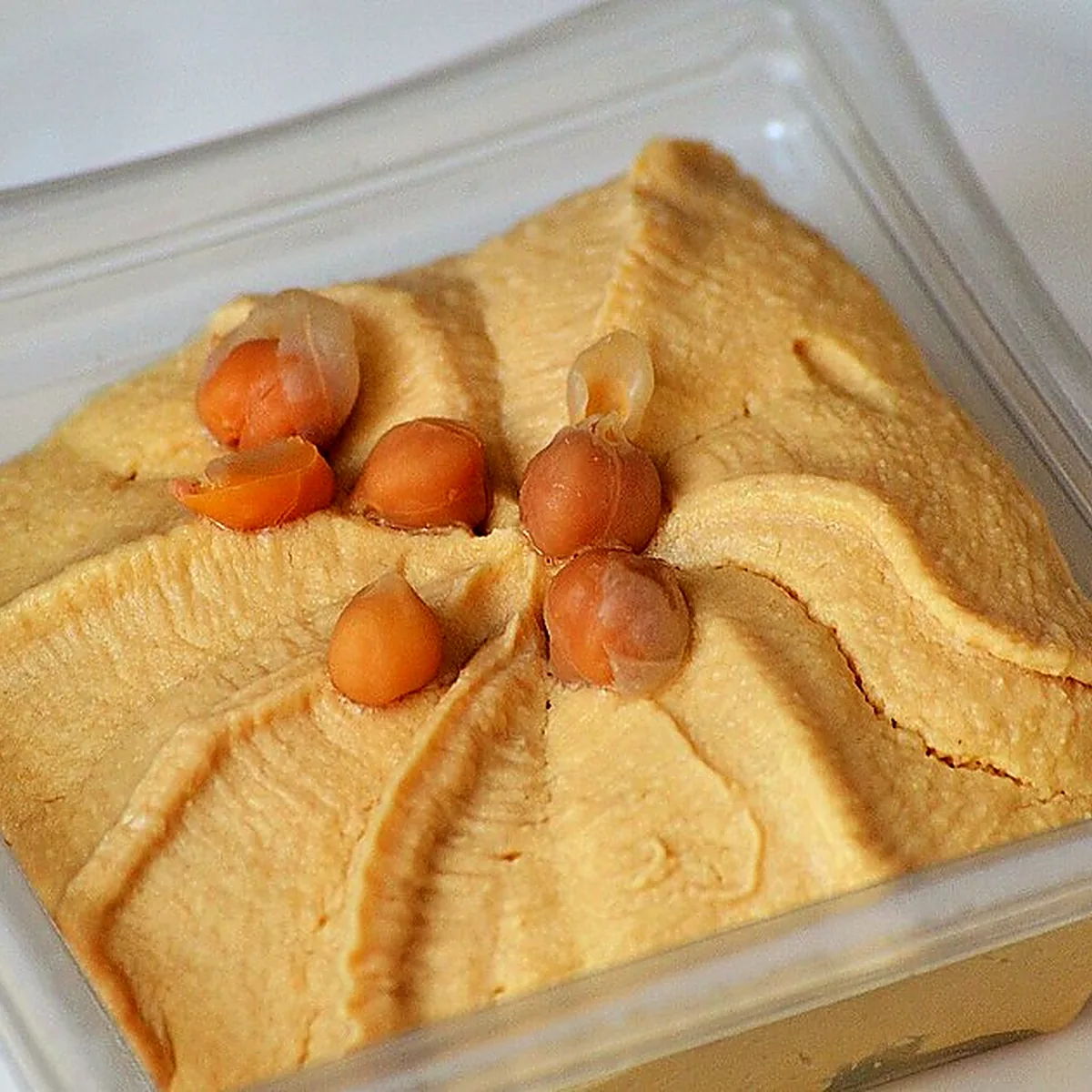
Step 1: Step 1 for Classic Hummus. 1Step 1
Start by prepping all of your ingredients: Drain 15.5 oz. chickpeas in a strainer or colander and rinse thoroughly. Let drain again while you do the other prep.
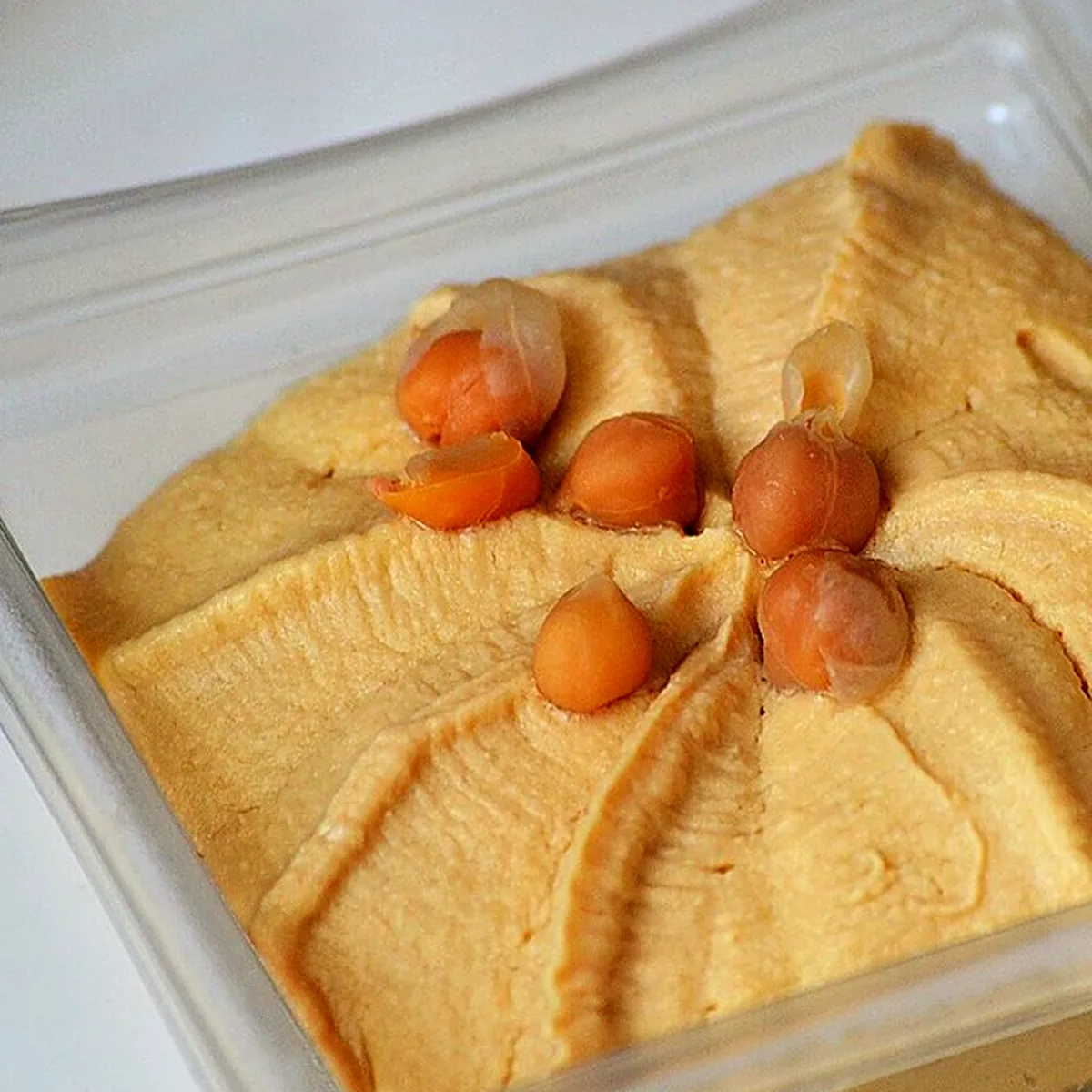
Step 2: Step 2 for Classic Hummus. 2Step 2
Cut 1 lemon in half, remove any visible seeds, and squeeze juice into a small bowl. You should have 3–4 Tbsp.
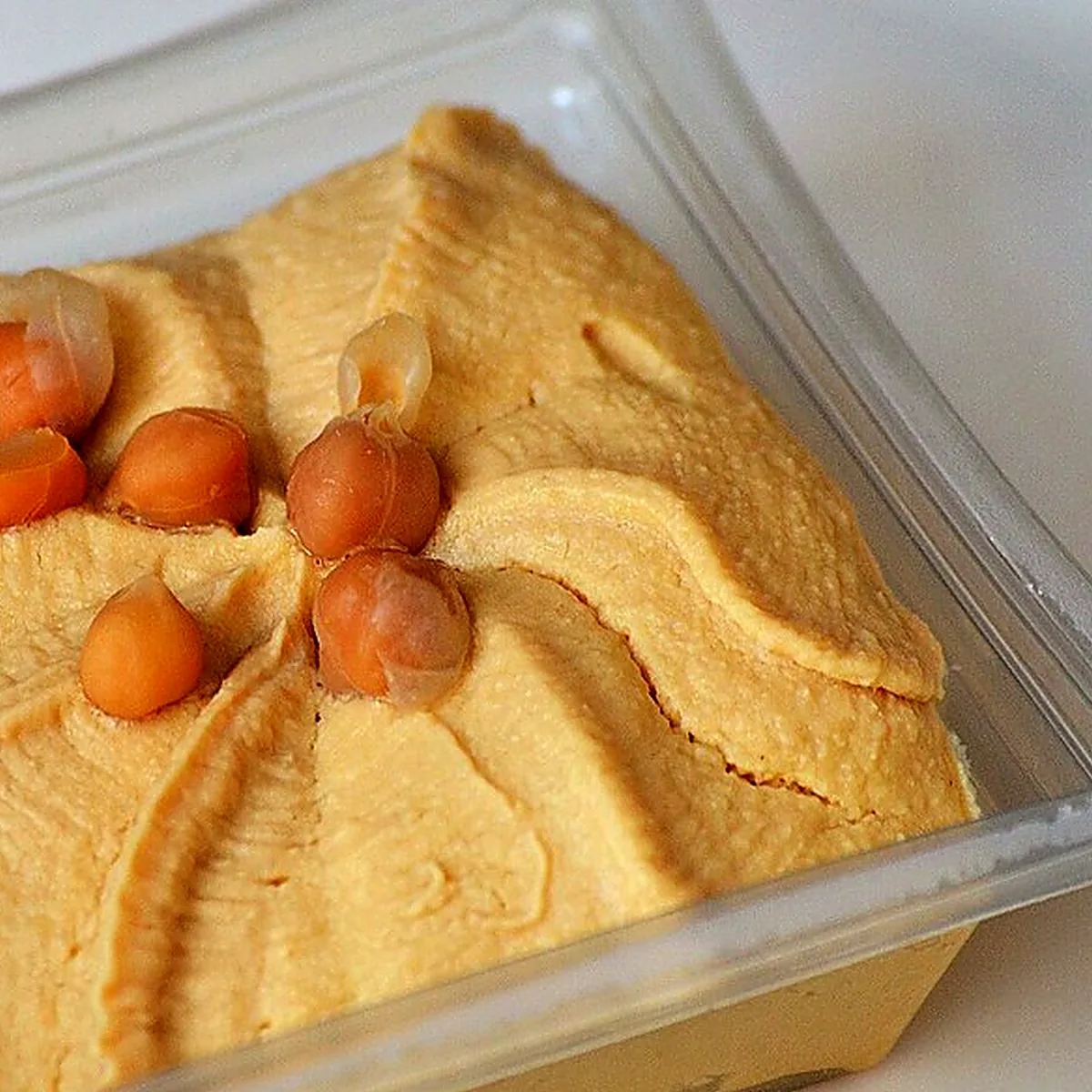
Step 3: Step 3 for Classic Hummus. 3Step 3
Smash 1 garlic clove with the flat side of your knife on a cutting board and remove peel. Continue to mash with side of knife until a paste forms. (You can also grate garlic on a microplane if you have one—you're just looking for a fine paste.)
Step 4: Step 4 for Classic Hummus. 4Step 4
Combine drained chickpeas, 3 Tbsp. lemon juice, garlic, ½ cup tahini, ¾ tsp. salt, 10 cracks pepper, ¼ tsp. cumin, and 2 Tbsp. water in a food processor.
Step 5: Step 5 for Classic Hummus. 5Step 5
Process until smooth, about 1 minute.
Step 6: Step 6 for Classic Hummus. 6Step 6
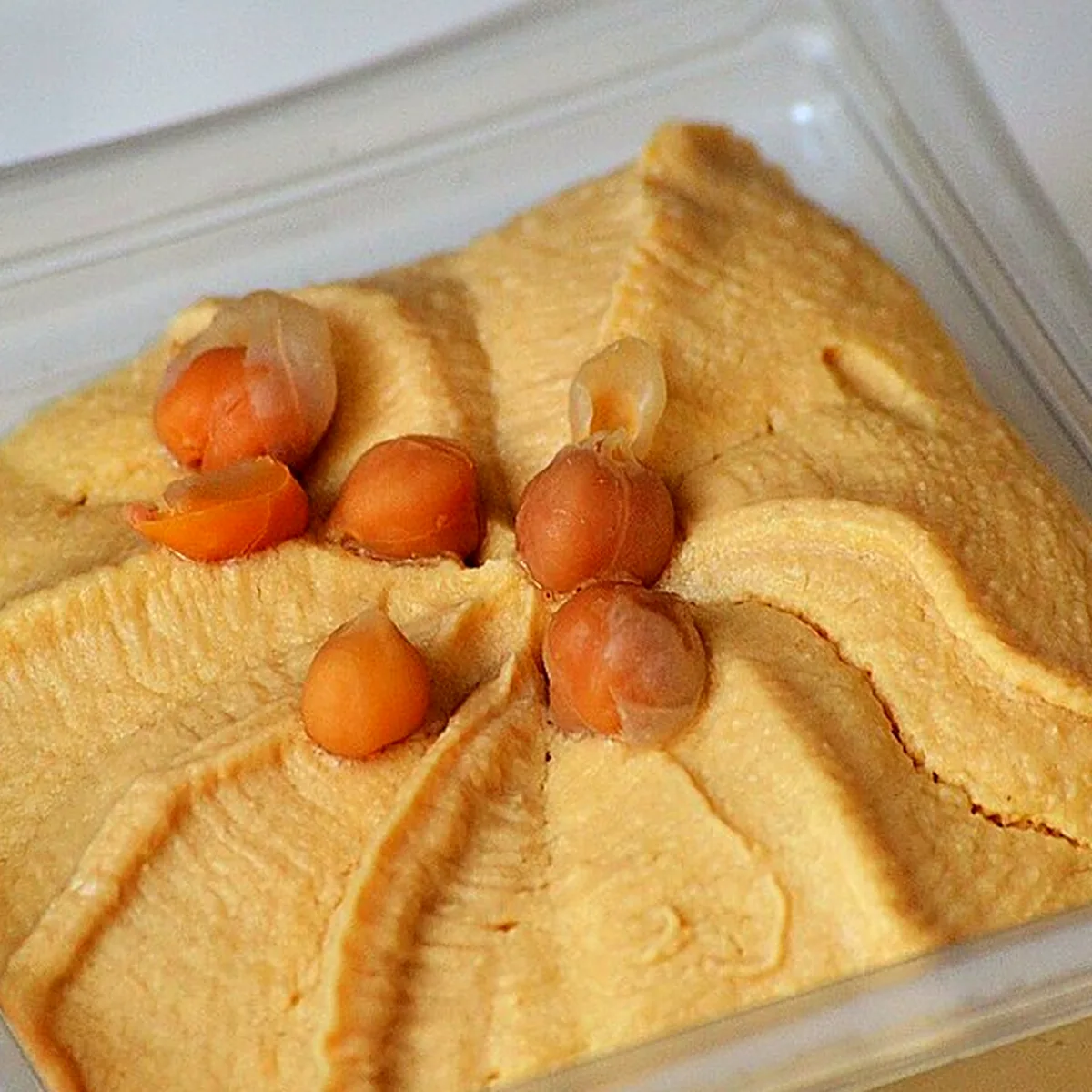
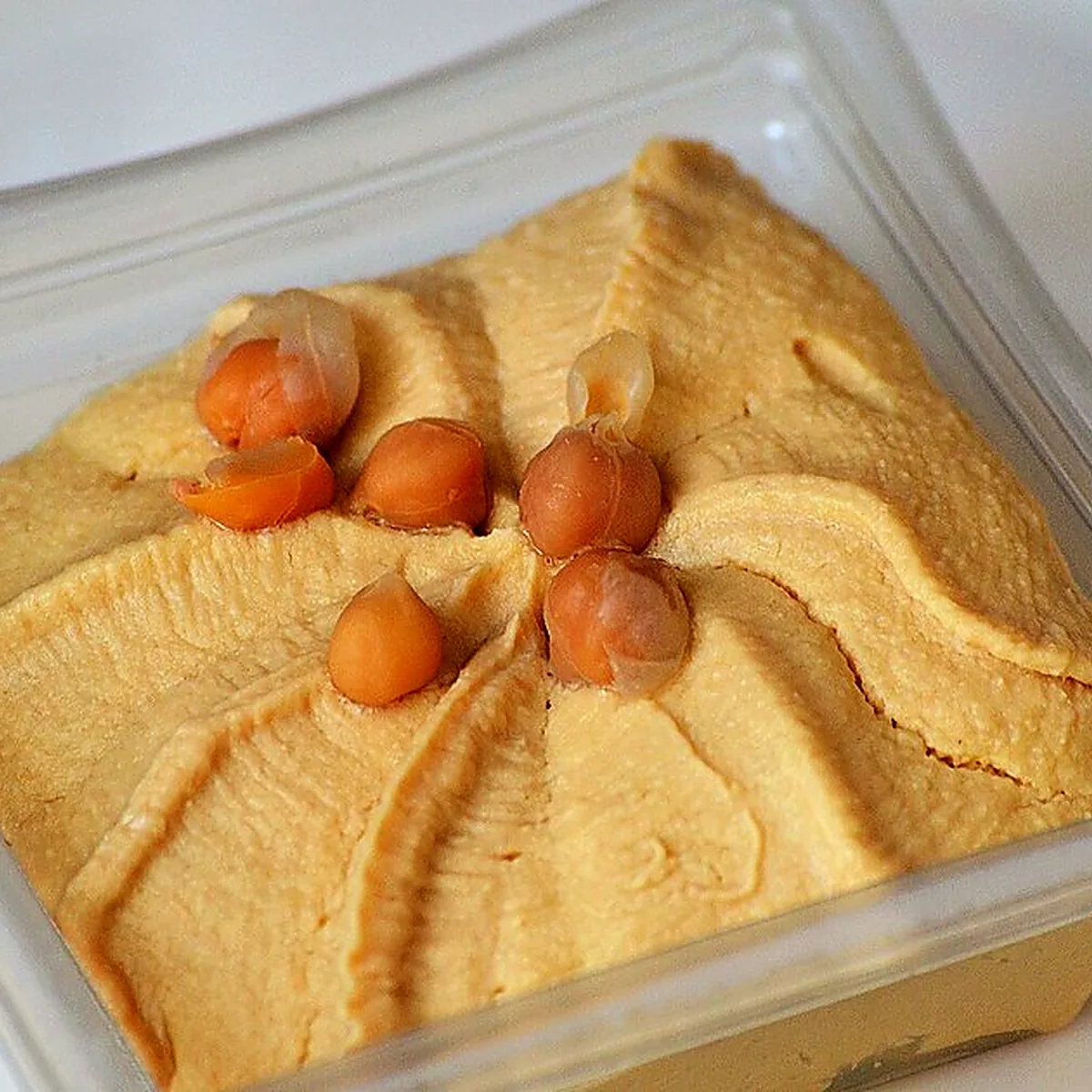
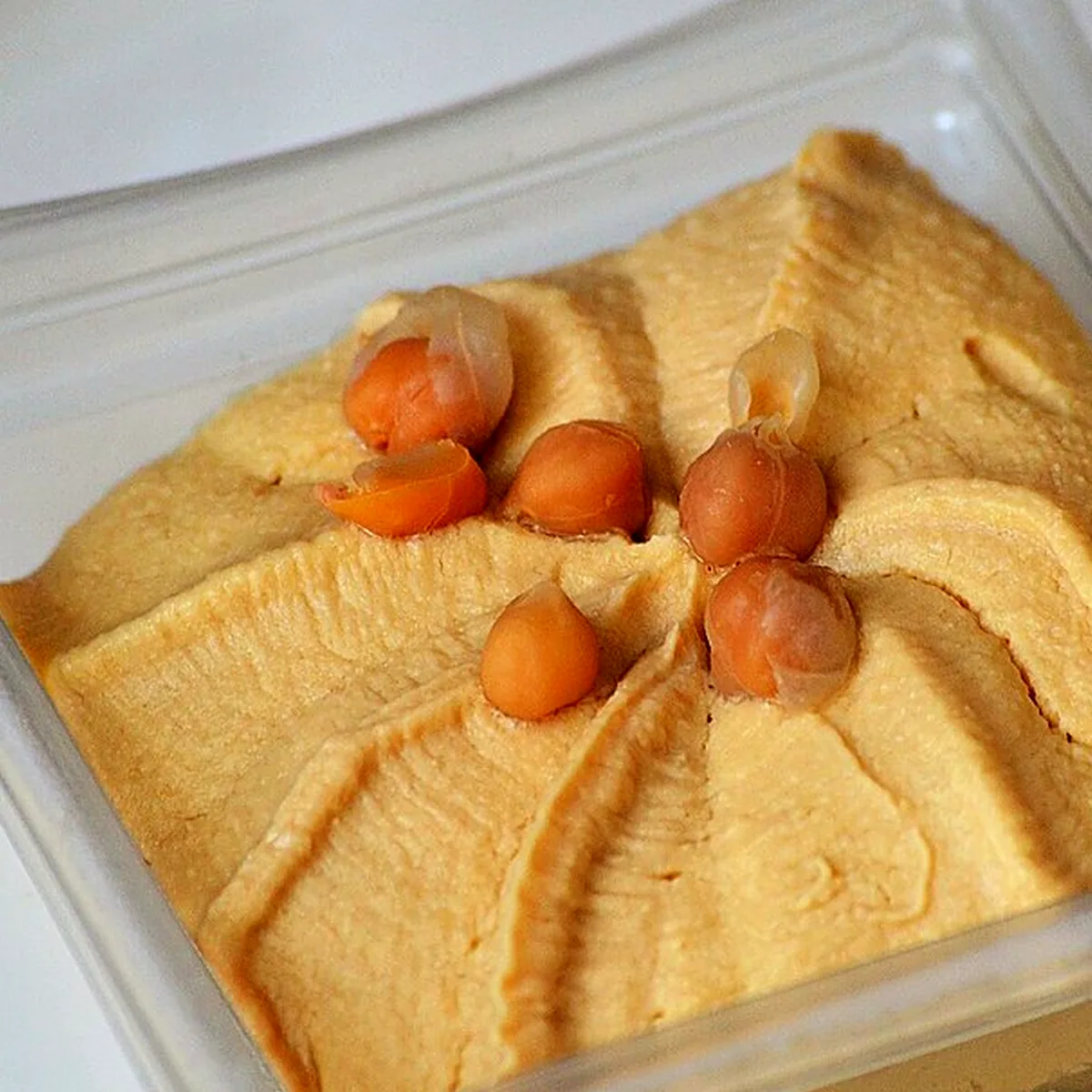
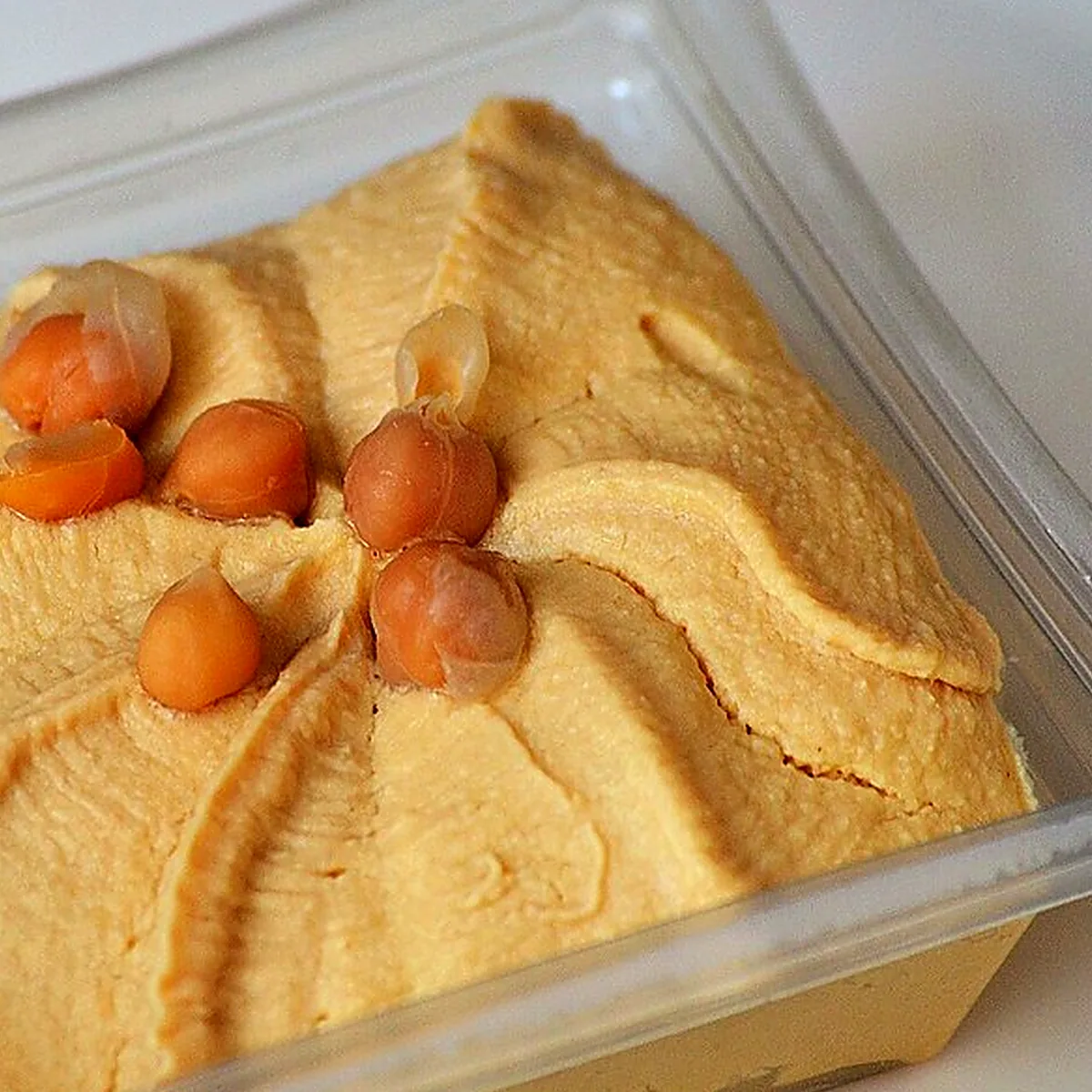
With the motor running, stream in 3 Tbsp. oil, then continue to process until hummus is very light and creamy, about 1 minute longer. Taste and season with more salt if needed.
Step 7: Step 7 for Classic Hummus. 7Step 7
Transfer hummus to a shallow bowl, top with za’atar and/or sesame seeds, and drizzle with more oil. → Mastered this base recipe? Here are 4 ways to mix it up. Do ahead: Hummus can be made 4 days ahead. Transfer to an airtight container and chill.
Why this dish belongs here
The history behind the method
This appetizer builds on the history of the ancient legume behind hummus, falafel, chana masala, and the modern plant-protein pantry, linking the dish to chickpea’s longer story in food culture.