Dessert recipe
Mango Sticky Rice Recipe
A practical, source-aware recipe for mango sticky rice, with the history kept close to the method.
Jump to recipeDeveloped by the Recipe Desk. This original editorial recipe uses measured ingredients, explicit timing and yield, allergen notes, storage guidance, and step-by-step visual cues. Use the stated doneness and texture cues because ingredients, ovens, and kitchen equipment vary.
Ingredients
- 1 15-oz. can unsweetened coconut milk
- 1½ cups Thai sweet rice, such as Three Rings
- 3 Tbsp. packed grated palm sugar (about 1.5 oz.), raw sugar, or brown sugar
- 1¼ tsp. kosher salt
- 2 ripe Champagne or regular mangoes, cut into pieces, chilled
- Toasted white sesame seeds, black sesame seeds, finely grated lime zest, and lime wedges (for serving)
Method
Step 1: Step 1 for Mango Sticky Rice. 1Step 1
Pour coconut milk into a large measuring cup or medium bowl. Fill empty can with cold water and add to coconut milk, whisking to combine. Add rice, cover, and let sit at room temperature 8–12 hours (coconut cream will rise to the top as rice soaks; whisk to combine before straining). Strain rice through a fine-mesh sieve set over a bowl; reserve ¾ cup soaking liquid.
Step 2: Step 2 for Mango Sticky Rice. 2Step 2
If cooking on a stovetop: Choose a large saucepan with a lid. Spread a clean kitchen towel on a work surface and place lid in the center, handle up. Tie 4 corners of towel together on top of lid (you’ve just turned the lid into a special airtight steam absorber that prevents the rice from getting gummy). Bring rice, sugar, salt, and reserved ¾ cup soaking liquid to a simmer in saucepan over medium-high heat, stirring to dissolve sugar. Reduce heat to low, cover, and cook until liquid is absorbed, 15–25 minutes—try not to lift the lid at all for the first 15 minutes. At the 15-minute mark, uncover and scrape a spoon against bottom of pan to make sure rice isn’t sticking and all liquid is gone. If there’s still liquid, replace lid and keep cooking. If using a rice cooker: Combine rice, sugar, salt, and reserved ¾ cup soaking liquid in machine’s bowl and stir to dissolve sugar. Close lid and set cooker to “sweet rice” setting.
Step 3: Step 3 for Mango Sticky Rice. 3Step 3
Remove from heat and let sit, covered, 15 minutes. Using a fork, break up rice (it will have taken shape of bottom of pan) and separate into smaller clumps; rice will be very sticky so it will not separate into individual grains.
Step 4: Step 4 for Mango Sticky Rice. 4Step 4
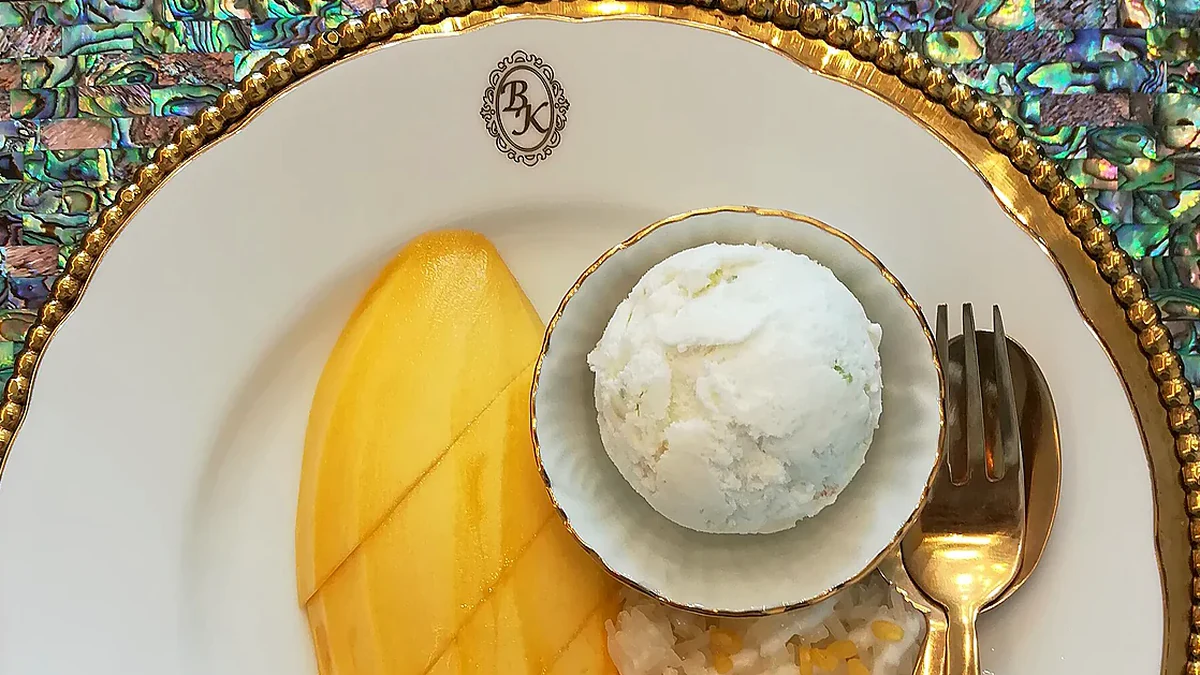
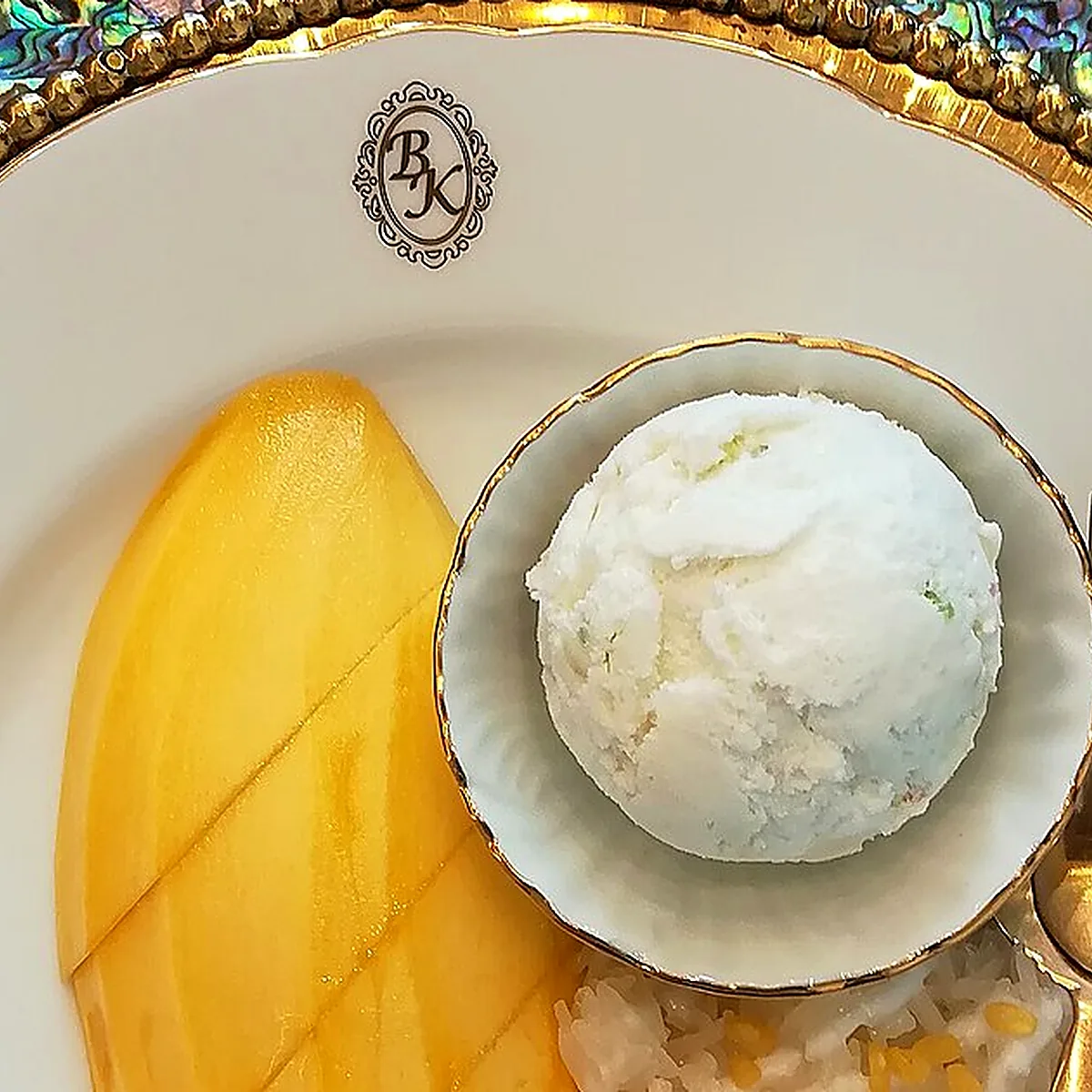
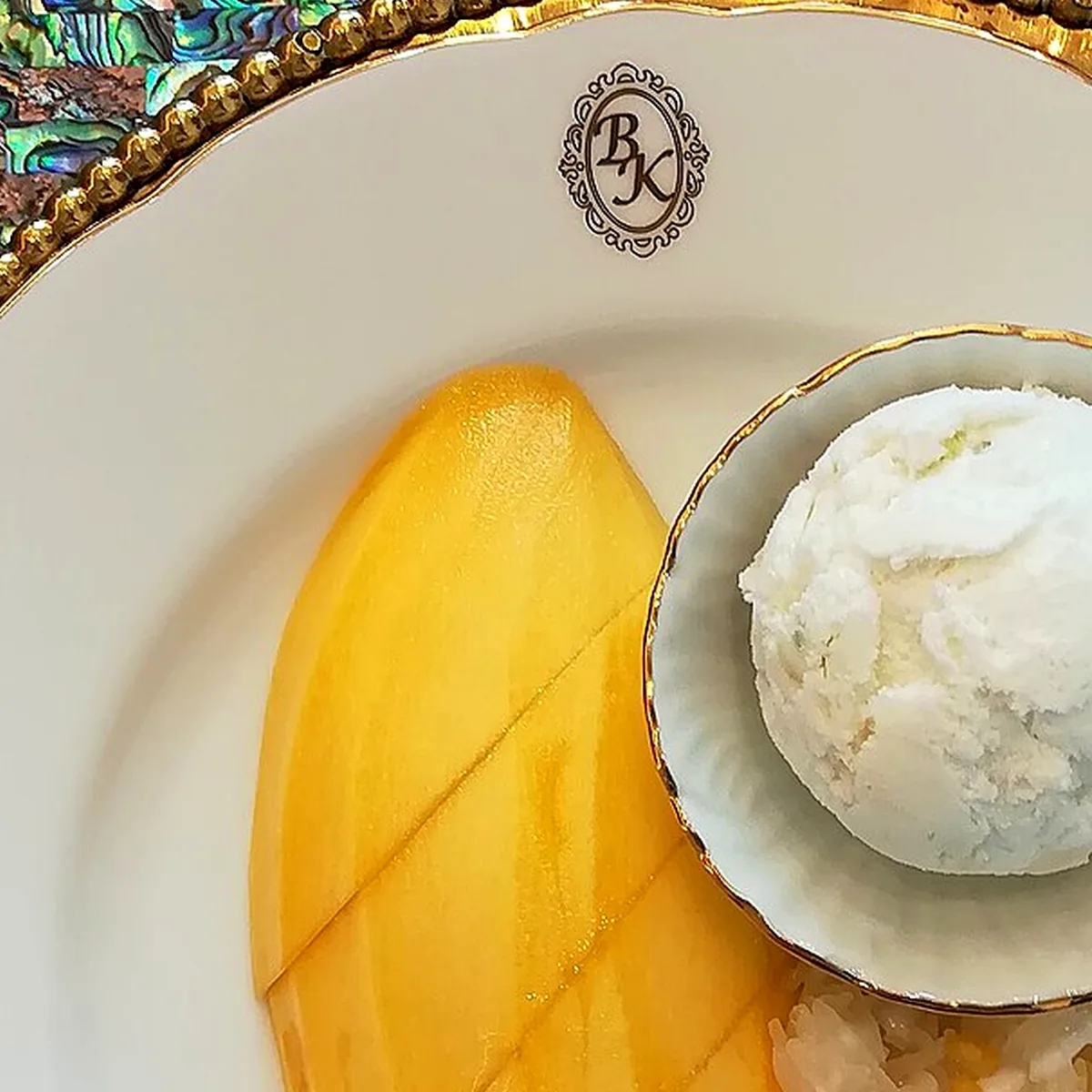
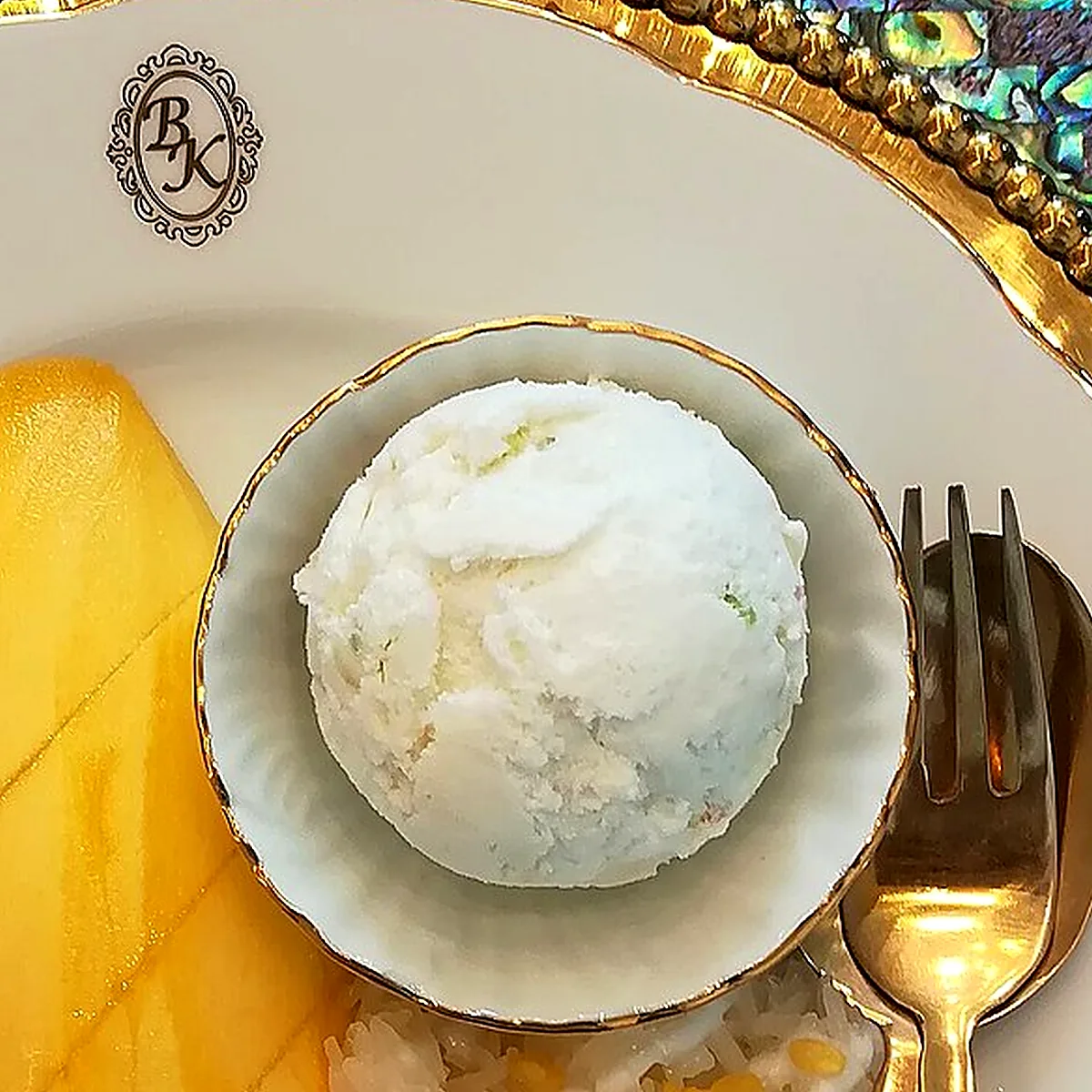
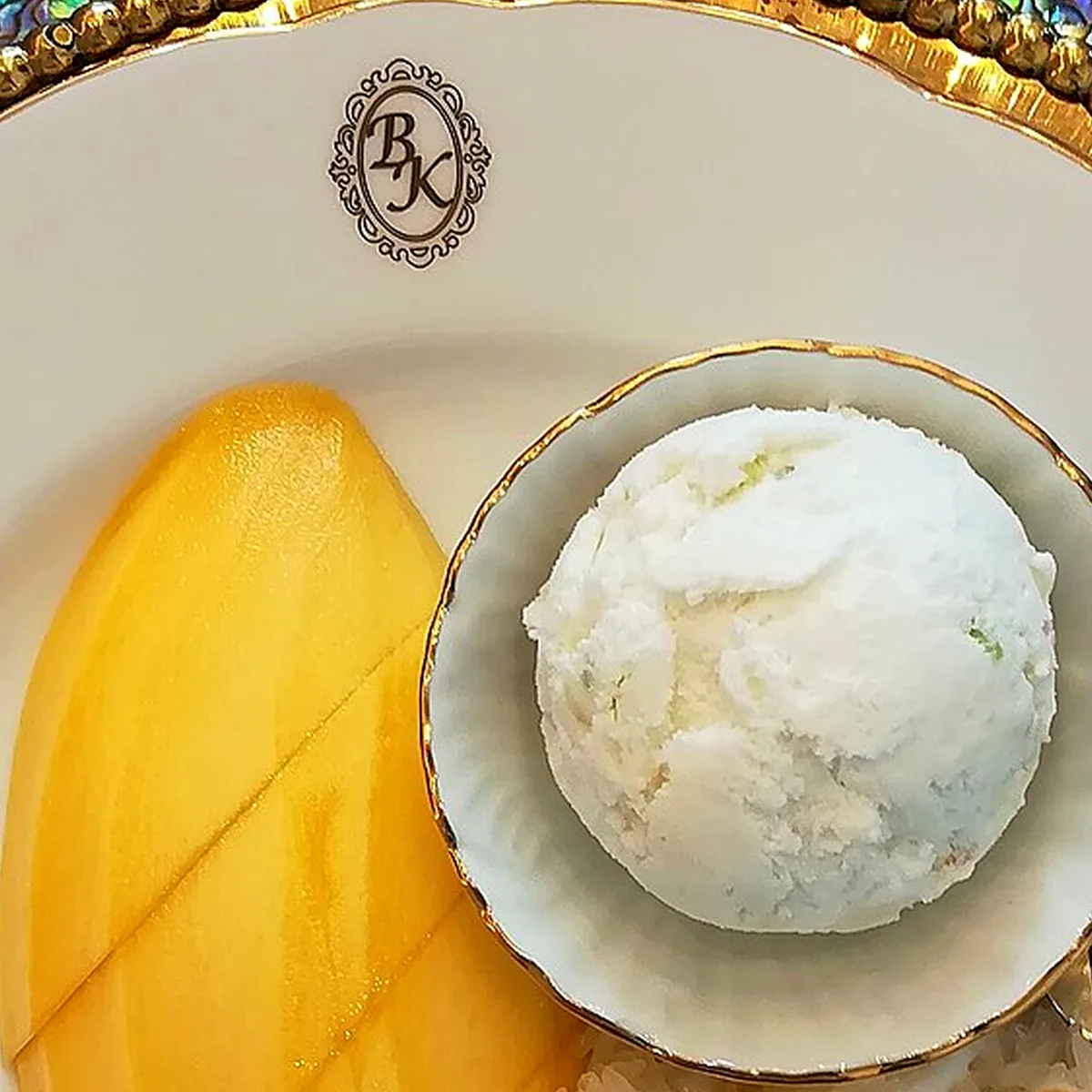
Divide warm rice among small bowls. Serve with mango alongside. Sprinkle with sesame seeds, then top with lime zest and a squeeze of lime juice.
Why this dish belongs here
The history behind the method
This dessert builds on the history of how mangifera indica moved from south and southeast asian orchards into pickles, drinks, and worldwide summer fruit culture, linking the dish to mango’s longer story in food culture.