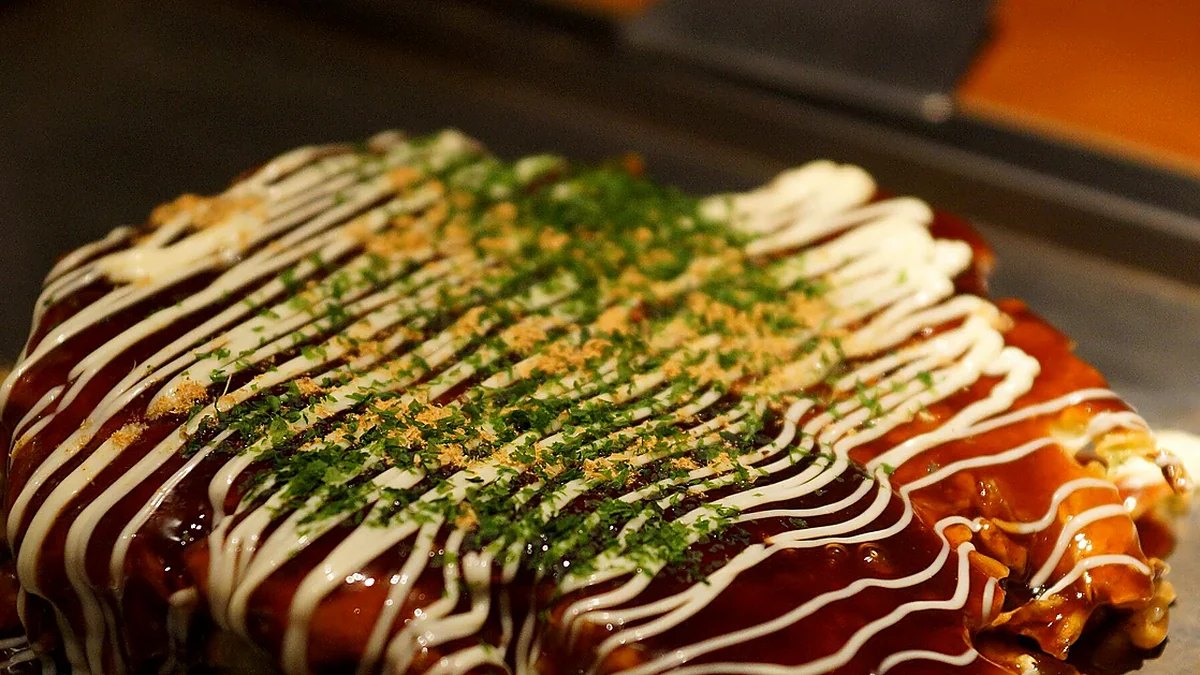
Dinner recipe
Okonomiyaki Recipe
A practical, source-aware recipe for okonomiyaki, with the history kept close to the method.
Jump to recipeDeveloped by the Recipe Desk. This original editorial recipe uses measured ingredients, explicit timing and yield, allergen notes, storage guidance, and step-by-step visual cues. Use the stated doneness and texture cues because ingredients, ovens, and kitchen equipment vary.
Ingredients
- 2 large eggs
- 1 1" piece ginger, peeled, finely grated
- 2 garlic cloves, finely grated
- ⅓ cup all-purpose flour
- 1 Tbsp. instant dashi powder or fish sauce
- 2 Tbsp. soy sauce, divided
- Kosher salt
- ⅓ large head of cabbage (about 12 oz.), very thinly sliced (use a mandoline if you have one; about 3 cups)
- 1 small onion, very finely chopped
- 5 bacon slices, halved crosswise
- ½ cup ketchup
- 1 Tbsp. Worcestershire sauce
- Mayonnaise (such as Kewpie) and furikake or sesame seeds (for serving)
Method
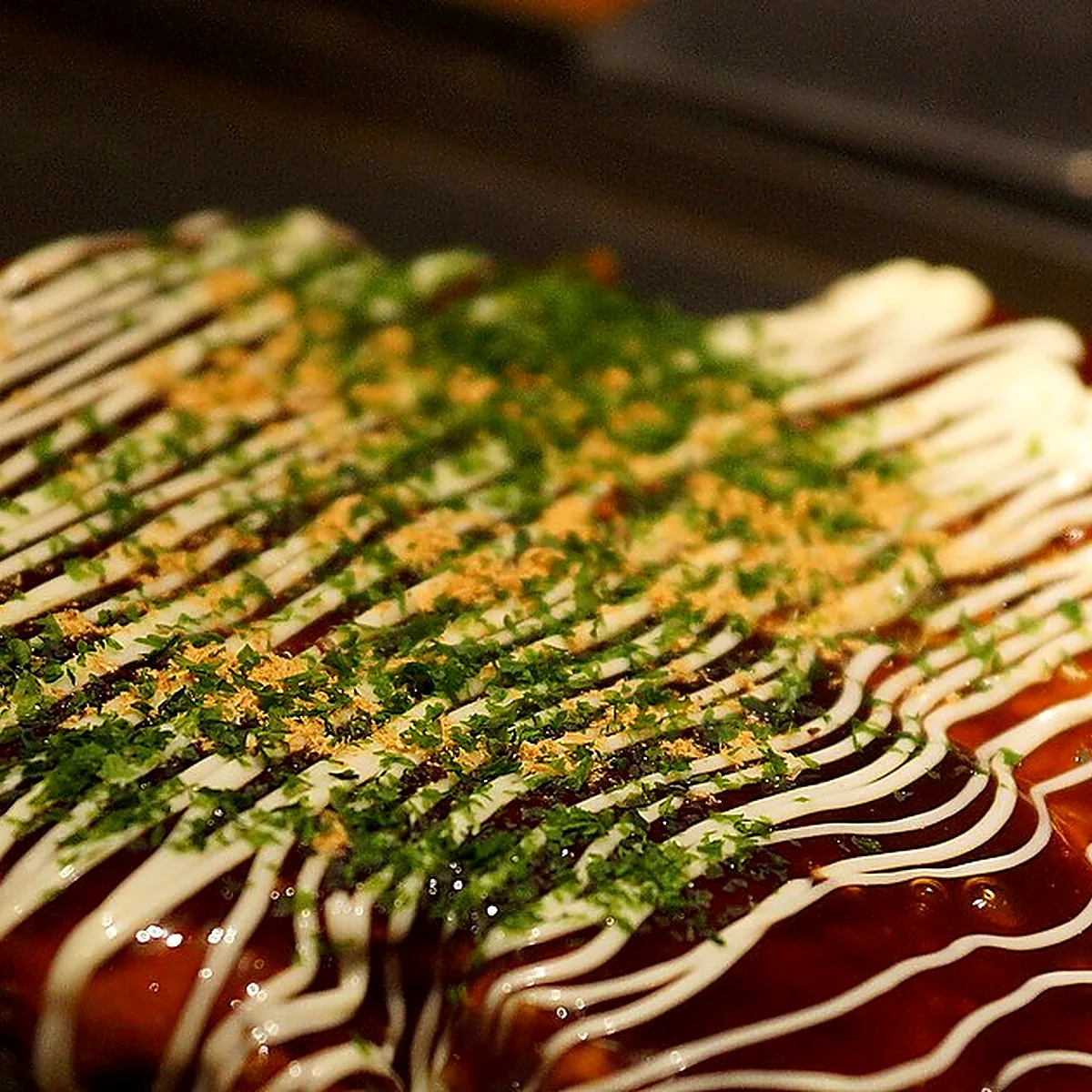
Step 1: Step 1 for Okonomiyaki. 1Step 1
Whisk 2 large eggs, one 1" piece ginger, peeled, finely grated, 2 garlic cloves, finely grated, ⅓ cup all-purpose flour, 1 Tbsp. instant dashi powder or fish sauce, 1 Tbsp. soy sauce, a pinch of kosher salt, and ½ cup water in a large bowl until smooth. Add ⅓ large head of cabbage (about 12 oz.), very thinly sliced (about 3 cups), and 1 small onion, very finely chopped; mix vigorously to coat.
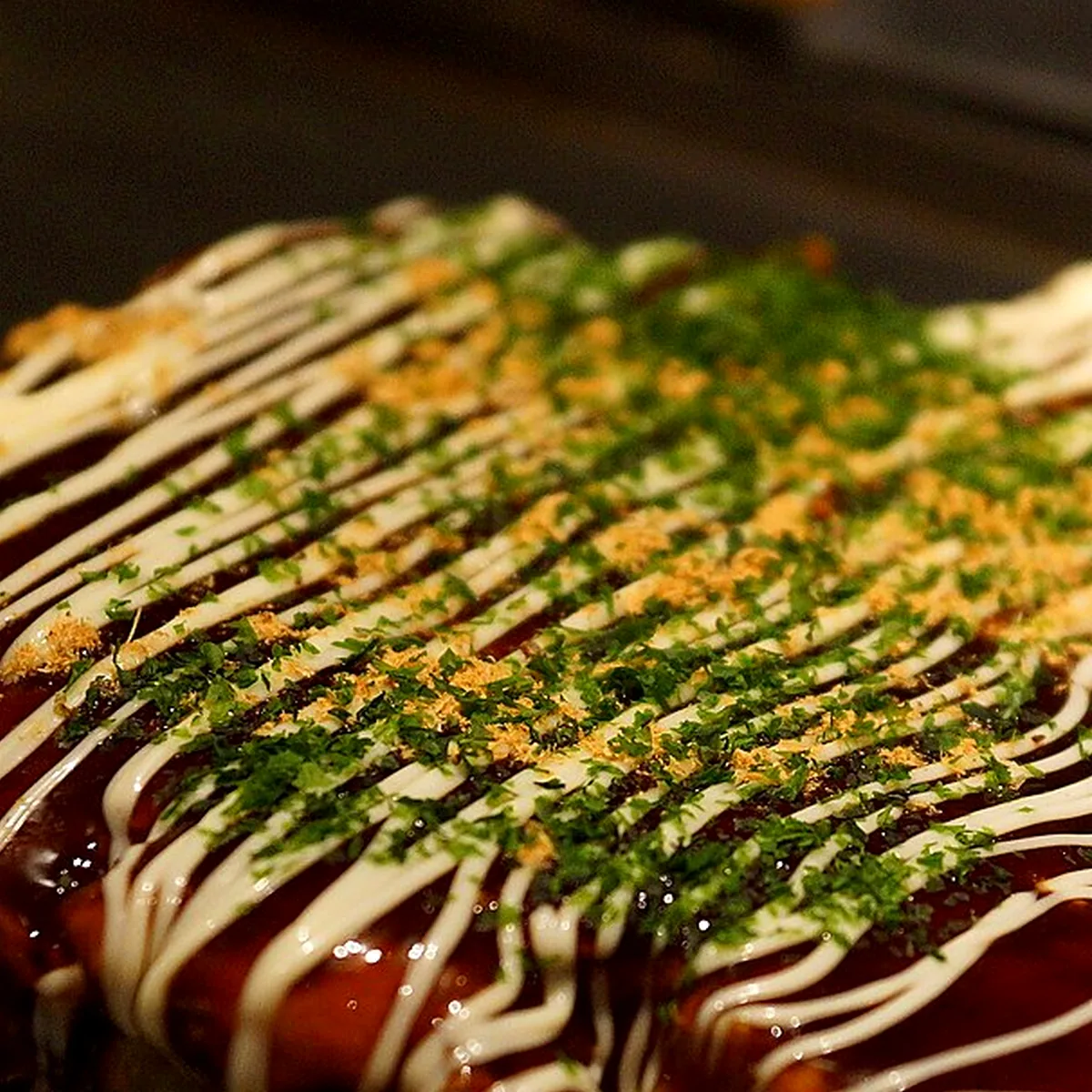
Step 2: Step 2 for Okonomiyaki. 2Step 2
Line bottom of a dry 10"-diameter nonstick skillet with 5 bacon slices, halved crosswise, in as even a layer as possible. Set over medium-high heat, then pile cabbage mixture on top of bacon and flatten into an even layer. Cook, tucking in sides and patting mixture with a rubber spatula to keep it in an even round and shaking pan occasionally, until bacon is browned and crisp,7–9 minutes.
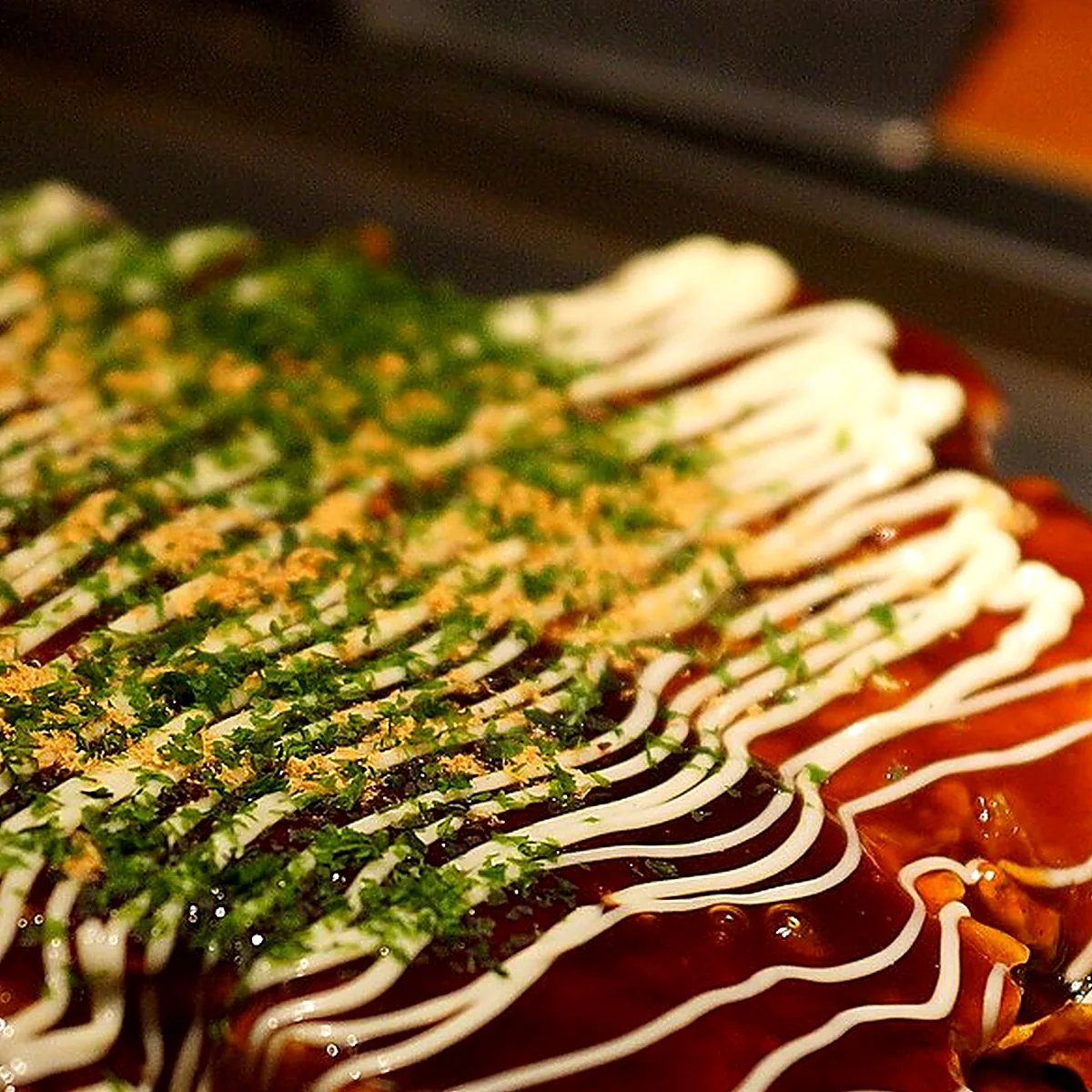
Step 3: Step 3 for Okonomiyaki. 3Step 3
Place a large plate upside down over pan and carefully flip plate and pan over in one quick motion so okonomiyaki is turned out onto plate, bacon side up (do this over the sink to catch any drips). Slide back into pan and cook until set on the outside but still tender inside, 6–8 minutes. Carefully transfer to a clean plate.
Step 4: Step 4 for Okonomiyaki. 4Step 4
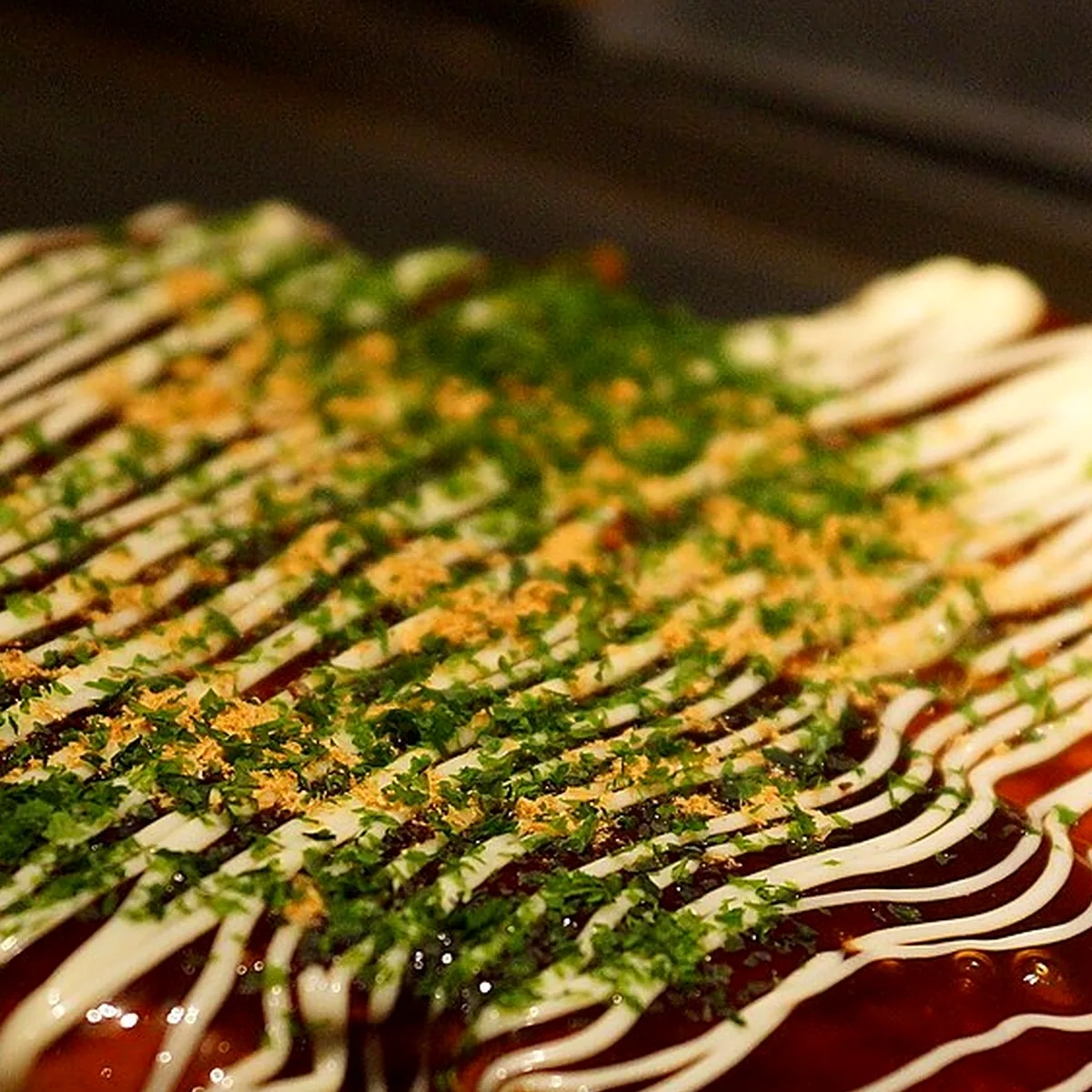
Mix ½ cup ketchup, 1 Tbsp. Worcestershire sauce, and remaining 1 Tbsp. soy sauce in a small bowl to combine. Squeeze mayonnaise over okonomiyaki as desired, then drizzle seasoned ketchup over. Sprinkle some furikake or sesame seeds on top.
Why this dish belongs here
The history behind the method
This dinner builds on the history of the 4,000-year-old brassica domesticated from wild sea cabbage, spread by romans and medieval farmers, and fermented into kimchi, sauerkraut, and the 2026 pinterest cabbage crush, linking the dish to cabbage’s longer story in food culture.