Beef Tallow Snacks Are a $1.1B Category — Built on a Fat McDonald's Dropped in 1990
Beef tallow product sales hit $1.1 billion in 2026 as Utz and Conagra embrace the rendered fat McDonald's left behind in 1990.
Beef tallow product sales hit $1.1 billion for the 52 weeks ending March 2026, up 275% over three years, per Spins data cited by Food Dive, as Utz and Conagra add tallow-cooked snacks. The boom is built on a fat McDonald's dropped in 1990 — a return of a 1,000-year-old rendered fat, not a new invention.
What's happening
Beef tallow has crossed from wellness subculture into mainstream snacks. Sales of foods containing beef tallow hit $1.1 billion for the 52 weeks ending March 2026, up 275% over three years, per Spins data cited by Food Dive, and major brands such as Utz and Conagra have launched tallow-cooked products [1]. Whole Foods named tallow its top 2026 trend [2].
The history behind it
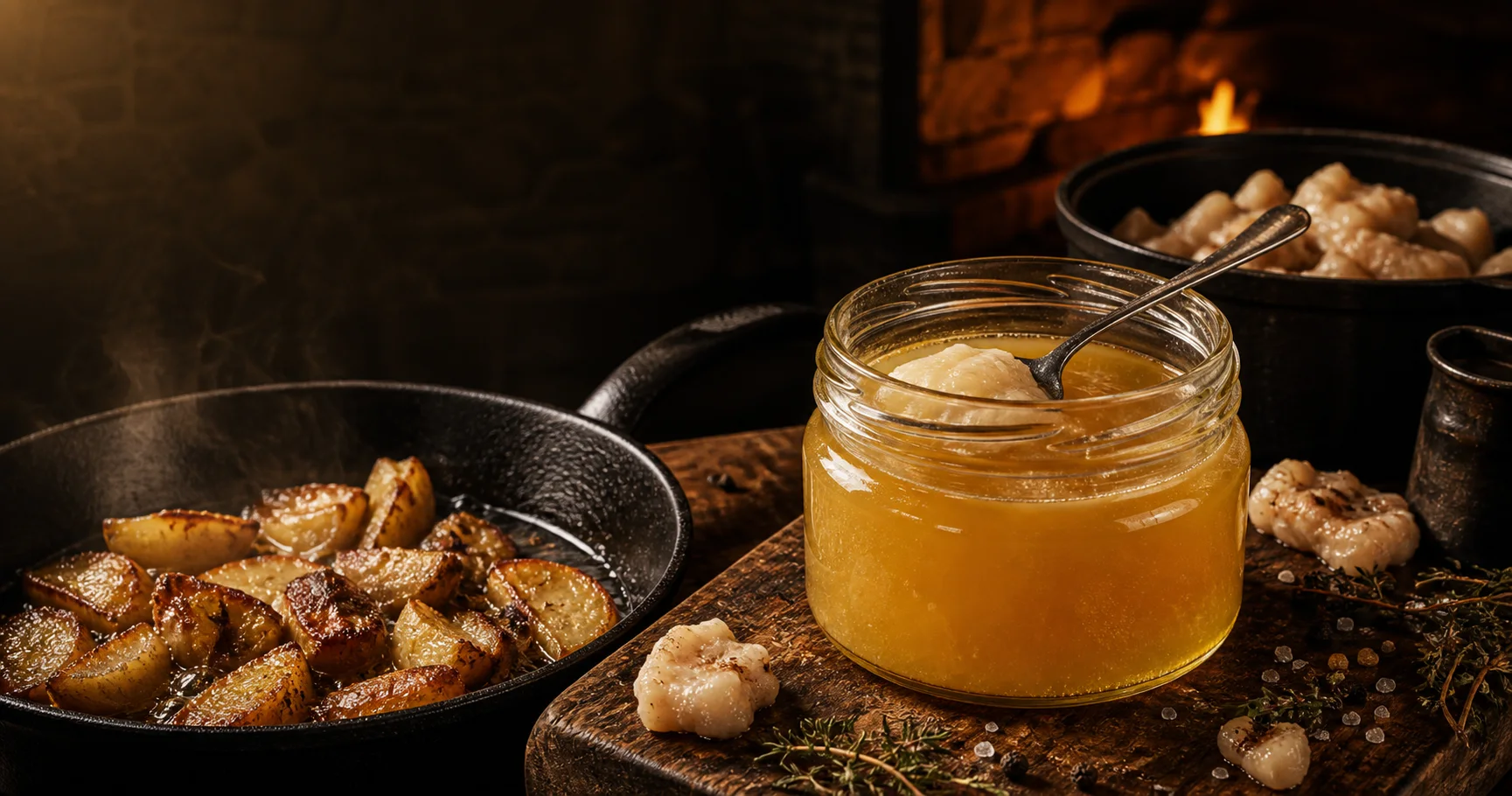
Tallow is rendered beef fat, solid at room temperature, used for frying, pastry and soap for centuries. It was the original fast-food fryer oil — McDonald's cooked its fries in beef tallow until 1990, when it switched to vegetable oil, a switch still argued about because the tallow fries are remembered as the flavor benchmark [3]. The 2026 snack boom is that fat returning to the pantry and the chip aisle.
Why it matters
The food-history value is that a $1.1 billion 2026 category is a fat returning from a 35-year exile. The "new" snack fat is the fat McDonald's left behind. For the full history of beef tallow and the french-fries origin dispute, see the articles below.
How to try it
Tallow-cooked snacks are still niche, so look for them at natural-food stores, online, and from brands moving into tallow lines. If you want to try the fat itself, buy food-grade beef tallow or render your own from suet, and use it for roasted potatoes, fries, or pie crust. A little goes a long way, and it has a high smoke point. Store tallow sealed in the fridge or freezer. For the full tallow history and the french-fries origin dispute, read below.
📖 Read the full history
Trend Desk notes are timely. The durable history behind each trend lives in these articles and collections.
Beef Tallow
The rendered cattle fat that moved from candles, pies, pemmican, and frying vats into seed-oil backlash, nostalgia, and modern fat politics
Butter
The churned gold of pastoral civilizations
The French Fries Origin Dispute
Explore the full collection →
Comments
Community comments are coming soon. Check back later to join the discussion!