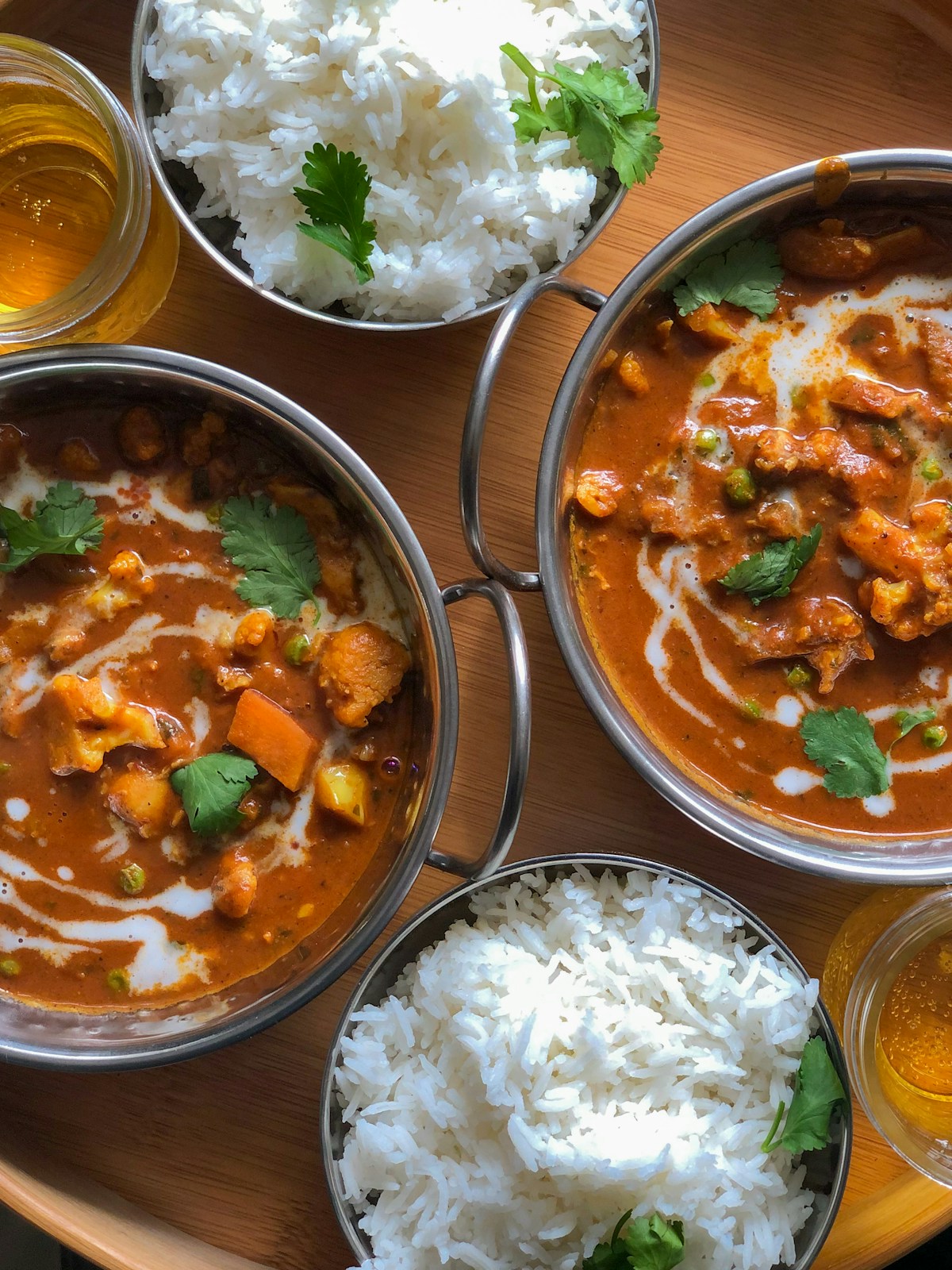
Biryani's Contested Origins: Hyderabad, Lucknow, and a Dish Too Famous for One Birthplace
Biryani searches keep rising — and so do origin fights. The layered rice-and-meat dish has Persianate roots and fiercely local South Asian identities.
Biryani is a layered rice-and-meat dish with Persianate technique and fiercely local South Asian identities — Hyderabadi, Lucknowi, and coastal styles among them. No single city owns the origin cleanly. Rising 2026 searches for biryani history are less a new invention story than a map of contested culinary pride.
What's happening
Searches for biryani history and Hyderabadi vs Lucknowi styles keep climbing as South Asian restaurants and home cooks treat biryani as a prestige dish, not a generic "curry rice" [1]. Food media and diaspora kitchens amplify regional claims: dum cooking, saffron, goat or chicken, and the question of whether a given pot is true biryani or closer to pulao.
The trend is literacy demand — people want the origin fight explained, not another recipe dump.
The history behind it
Biryani belongs to a wider Persianate and Indo-Islamic tradition of spiced rice cooked with meat, often in sealed pots (dum). Over centuries, courts and cities in the Deccan and North India developed distinct styles: Hyderabad's layered, aromatic pots; Lucknow's Awadhi refinements; coastal and other regional variants with local proteins and spice logics [2][3].
Scholars and cooks disagree on neat founding myths. What is solid is the method family — rice, fat, spice, meat, patience — and the pride each city attaches to its version.
Why it matters
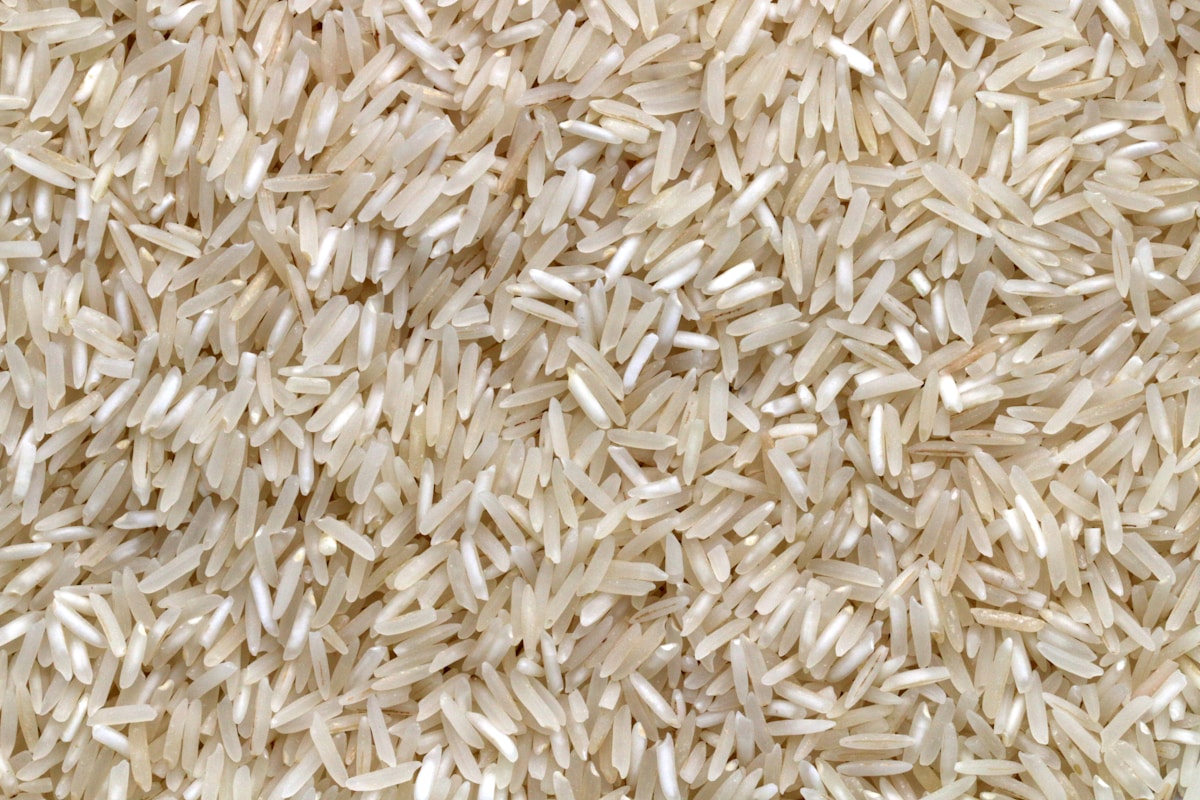
The food-history value is that "biryani" is a category under dispute, not a single inventor story. Contested origins are the point: they show how empire, migration, and court kitchens left multiple legitimate heirs. For the grain and spice context, see rice and curry below.
How to read the labels
When a menu says Hyderabadi, Lucknowi, or "dum biryani," treat the words as regional claims, not marketing fluff. Look for layered rice and meat cooked together with aromatic fat and spice — and expect arguments about whether a lighter pulao-style pot counts. Taste more than one city's version before picking a favorite origin story. For the wider spice-and-rice frame, read the rice and curry histories below.
📖 Read the full history
Trend Desk notes are timely. The durable history behind each trend lives in these articles and collections.
Comments
Community comments are coming soon. Check back later to join the discussion!