💡 Key Takeaways
- The word "curry" does not exist in traditional Indian languages; it is an Anglicized concept created by the British to describe a massive variety of complex, sauce-based Indian dishes.
- Archaeologists have found residues of turmeric, ginger, and garlic on cooking pots in the Indus Valley dating back to 2,600 BCE, making it the oldest known continuously prepared dish in human history.
- The global spread of curry was driven by the British Empire, who commercialized pre-mixed "curry powder" and spread the dish to Japan, the Caribbean, and Africa.
Where did curry originate?
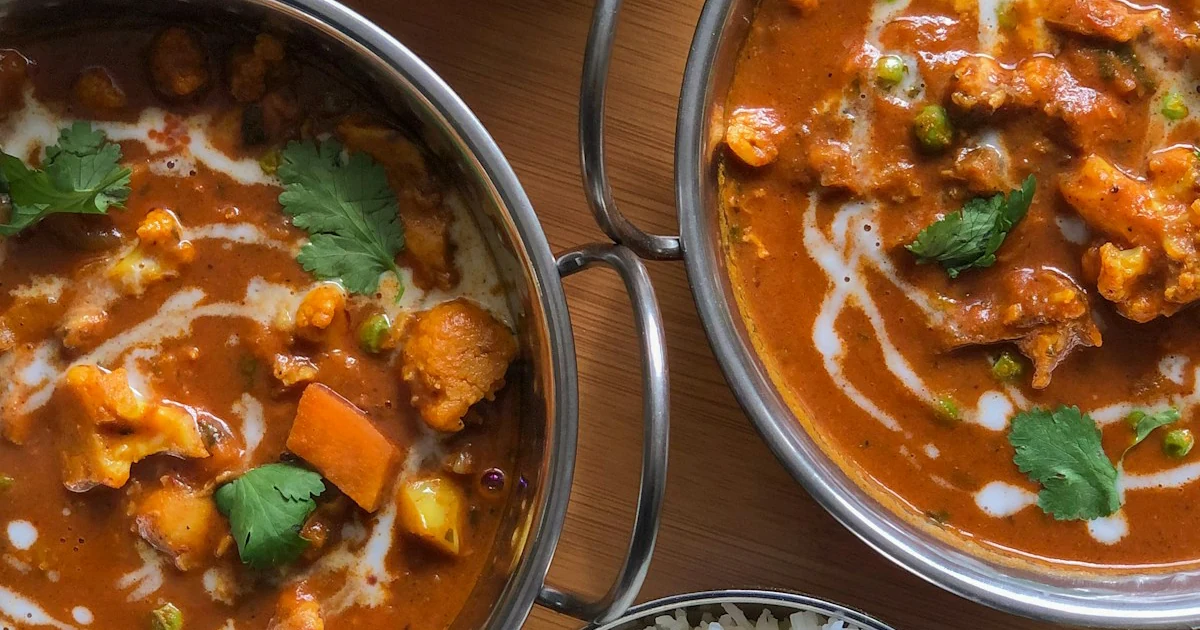
To understand curry, one must first understand that "curry" is a colonial construct. The diverse peoples of the Indian Subcontinent do not use the word to describe their own food; they refer to specific dishes by their actual names (korma, rogan josh, dopiaza, vindaloo). The word likely derives from the Tamil word *kari*, meaning a spiced sauce or relish for rice. When the Portuguese and later the British arrived in India, they couldn't comprehend the dizzying complexity of regional Indian cooking, so they applied the blanket term "curry" to almost any spiced, sauce-based dish [1].
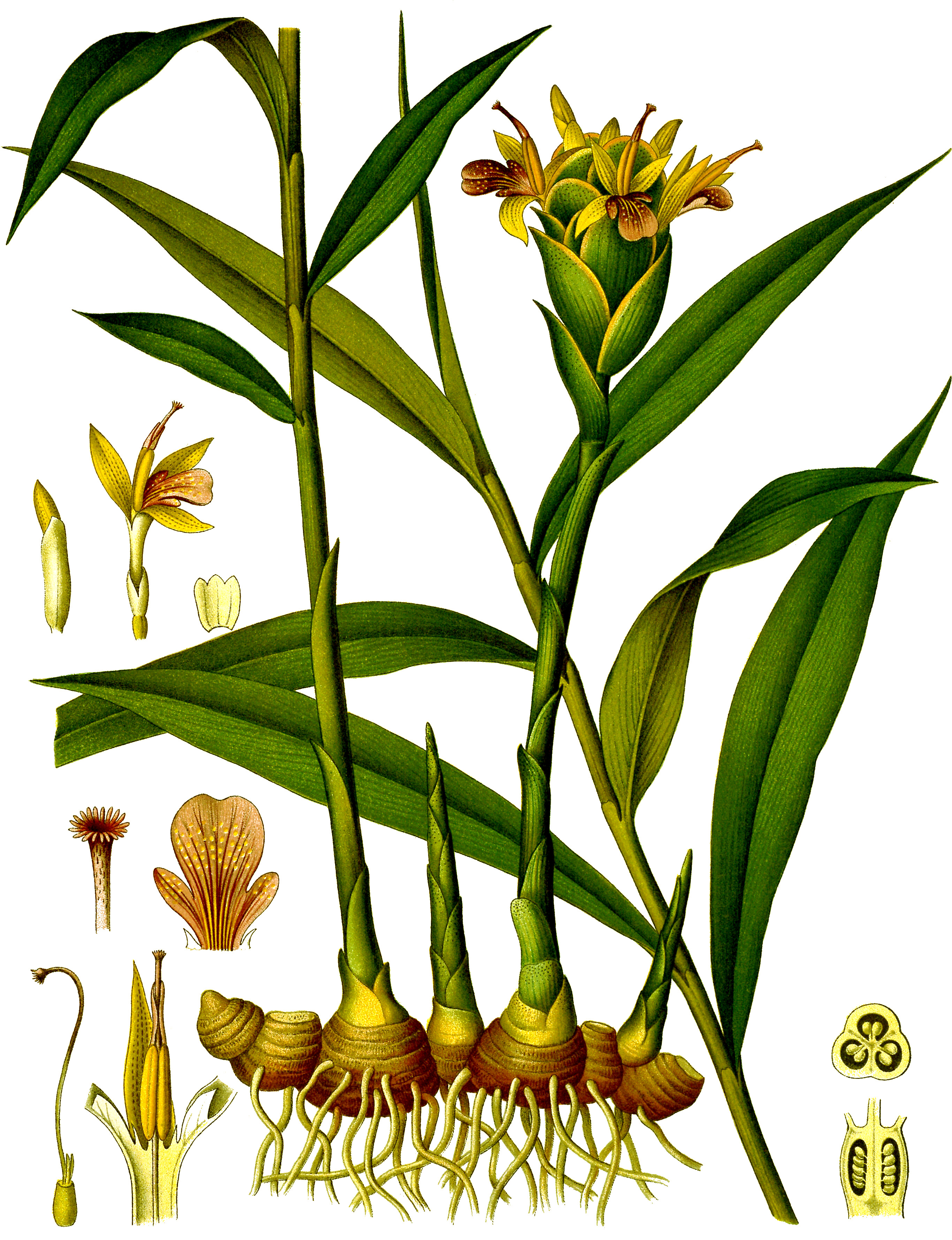
Despite the colonial nomenclature, the foundational technique of this cooking style is incredibly ancient. In 2013, archaeologists analyzing 4,500-year-old cooking pots from the Indus Valley Civilization found microscopic residues of garlic, ginger, and turmeric. This suggests that the basic flavor profile of a subcontinental stew is the oldest continuously prepared recipe in human history. For millennia, Indian cooks perfected the art of tempering spices—roasting whole spices in hot fat (ghee or oil) to release their essential oils before adding them to a dish, creating layers of profound, complex flavor [3].
How did curry evolve over time?
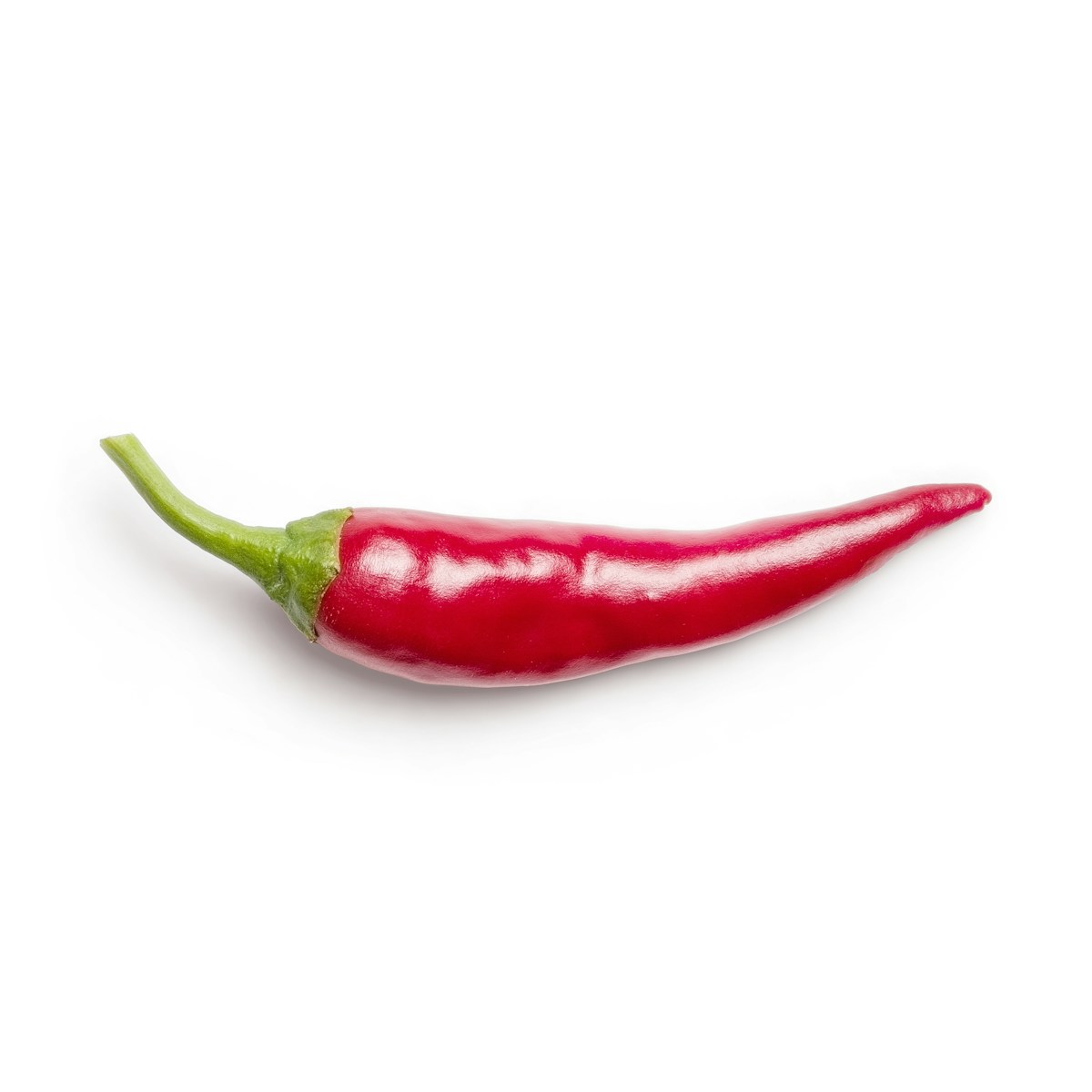
The evolution of Indian cuisine was heavily shaped by outside forces. In the 16th century, the Portuguese arrived in Goa and introduced a plant from the New World that would fundamentally alter the continent: the chili pepper. Before this, the heat in Indian food came entirely from black pepper and ginger. The chili pepper thrived in the Indian climate and was rapidly adopted, providing intense heat and vibrant color at a fraction of the cost of black pepper [1].
When the British East India Company established dominance in the 18th and 19th centuries, British officials (the "Raj") developed a taste for local food but demanded it be tailored to their milder palates. To make the complex blending of spices easier for British cooks back home, merchants invented "curry powder"—a pre-ground, commercial blend usually heavily leaning on turmeric, coriander, and cumin. This powder was a massive commercial success, fundamentally redefining how the Western world viewed Indian cuisine [2].
Why is curry culturally important?
The British Empire was the primary vehicle for the global globalization of curry. In the 19th century, following the abolition of slavery, the British transported millions of Indian indentured laborers to work on plantations across the Empire—from Fiji and Malaya to South Africa, Trinidad, and Guyana. These laborers brought their culinary traditions with them, but due to a lack of traditional ingredients, they adapted. This resulted in totally unique, vibrant diaspora cuisines, such as the Curry Goat of Jamaica and the Bunny Chow (curry served in a hollowed-out loaf of bread) of Durban, South Africa [1].
Perhaps the strangest journey of curry was to Japan. In the late 19th century, the British Royal Navy introduced a thick, stew-like curry to the Japanese military as a nutritional, easy-to-mass-produce meal. Because it came from the British, the Japanese categorized it as Western food. Today, Japanese Curry (Kare Raisu), characterized by its thick, sweet, roux-based sauce, is considered a national comfort food of Japan, entirely distinct from its Indian ancestor [2].
Modern Renaissance
In the post-WWII era, South Asian immigrants moving to the United Kingdom sparked a massive culinary revolution. "Curry houses," mostly run by Bangladeshi immigrants, opened across Britain. To appeal to British tastes, they invented new dishes, most notably Chicken Tikka Masala—chunks of tandoori chicken served in a rich, creamy, tomato-based sauce. It became so insanely popular that in 2001, the British government famously declared it a "true British national dish," perfectly encapsulating the complex, often fraught history of colonial culinary exchange [1].
Today, there is a powerful movement to decolonize the concept of "curry." Food writers, chefs, and historians are pushing back against the monolithic term, working to educate global consumers about the vast, distinct regional cuisines of the subcontinent—from the coconut-heavy seafood dishes of Kerala to the rich, nut-based gravies of Mughlai cuisine in the North. The era of the generic yellow "curry powder" is fading, replaced by a deep appreciation for the true, ancient complexity of South Asian spice blending [3].
In the news
Recent 2026 food-culture notes that reference this article.
- Jul 11, 2026Thali: Communal Dining Explained→
- Jul 10, 2026Vindaloo's Real Origin (Not Just Spicy)→
- Jul 10, 2026Goan Cuisine and Portuguese Influence→
- Jul 10, 2026Why Indian Buffet Searches Exploded→
- Jul 10, 2026Regional Indian Cuisines Map→
- Jul 9, 2026Kerala Cuisine Is Booming on Yelp — Coconut, Curry Leaves, and the Malabar Coast→
- Jun 24, 2026Heritage Cuisine, Not Fusion: The 2026 Restaurant Story→
- Jun 24, 2026Curry Leaf vs Curry Powder→
- Jun 23, 2026Asafoetida (Hing): Pungent Resin Explained→
- Jun 22, 2026Butter Chicken (Murgh Makhani) Origin→
- Jun 19, 2026Biryani's Contested Origins: Hyderabad, Lucknow, and a Dish Too Famous for One Birthplace→
Historical Timeline
Evidence of ginger, garlic, and turmeric found on Indus Valley civilization cooking pots
Portuguese traders introduce the South American chili pepper to India, forever changing local cuisine
Hannah Glasse publishes the first recipe for curry in English, instructing cooks to use coriander and black pepper
The British introduce curry powder to Japan during the Meiji era, leading to the creation of Kare Raisu
British Foreign Secretary Robin Cook declares Chicken Tikka Masala a true British national dish
Evidence Explorer
Review the Source Trail
Inspect the article sources, scoped review credits, and copyable citation details without leaving the page.
Reviewed for Stated Scope
Sources Listed
Comments
Community comments are coming soon. Check back later to join the discussion!