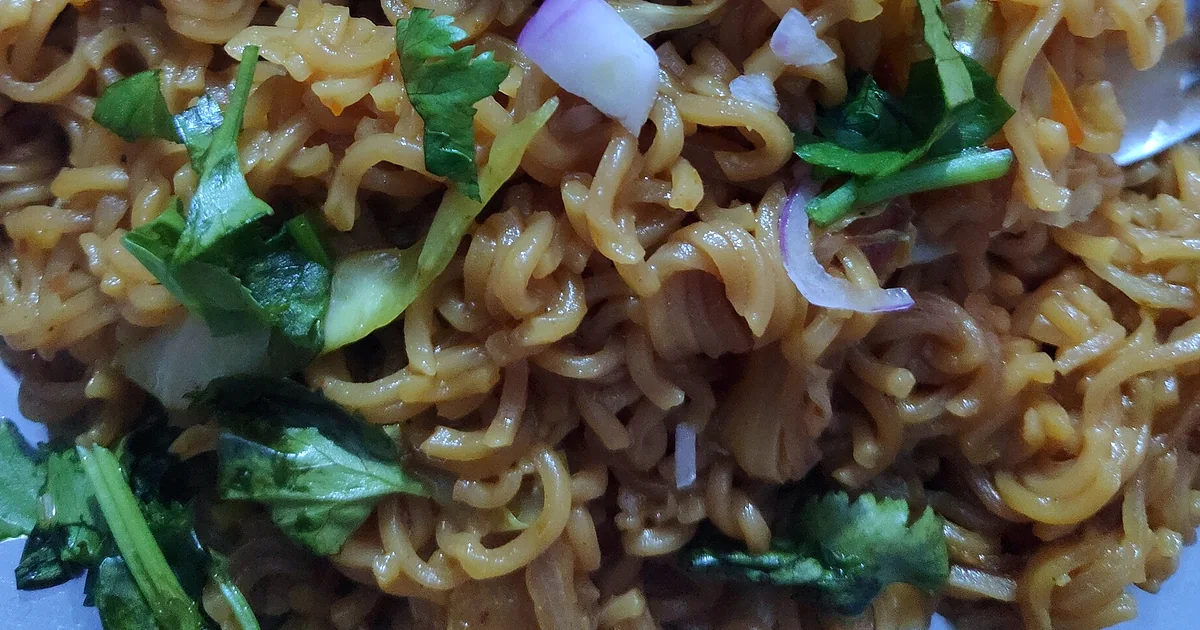
Instant Noodles Are Getting Fancy — They Were Invented in 1958
Reimagined instant noodles and desk-drawer ramen prestige are a 2026 retail story. Momofuku Ando’s Chicken Ramen (1958) and Cup Noodles (1971) built the category.
Instant noodles begin with Momofuku Ando’s 1958 Chicken Ramen in Japan; Cup Noodles followed in 1971. Whole Foods–style “reimagined instant foods” trends still depend on that dehydrated block-and-packet system — a prestige flip on a desk-drawer staple.
What's happening
Retailers and chefs keep elevating instant noodles with better broths, cleaner labels, and nostalgic prestige [1]. The desk drawer became a lifestyle object.
The invention dates do not move: 1958 for Ando’s breakthrough, 1971 for the cup.
The history behind it
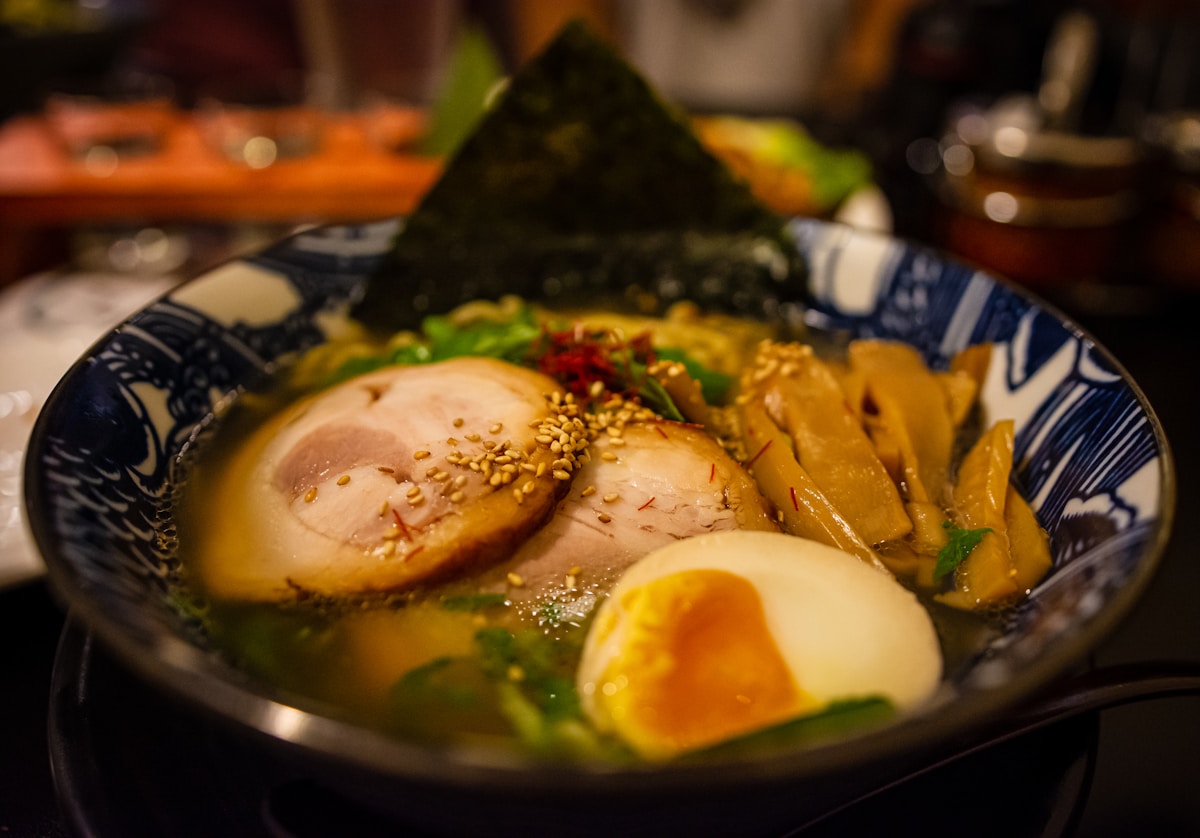
Ando’s Nissin product dehydrated noodles so hot water could finish the meal in minutes — a postwar Japanese convenience project that scaled globally [2][3]. Cup Noodles packaged the ritual for offices and travel. Fresh shop ramen is a cousin culture, not the same industrial object.
Read the evergreen for process and chronology detail.
Why it matters
Prestige instant lines are a status flip on cheap calories — exactly the poor-foods-to-prestige pattern this site tracks. Naming Ando keeps the trend honest.
The bottom line
Fancy packets do not rewrite 1958. Instant noodles are Japanese food engineering first, global desk culture second, and today’s gourmet SKU third.
📖 Read the full history
Trend Desk notes are timely. The durable history behind each trend lives in these articles and collections.

Comments
Community comments are coming soon. Check back later to join the discussion!