Status flip
From Peasant Food to Prestige Plates: The Cheap Eats That Got Rich
Some of the world's most beloved foods did not begin as luxury. They began as survival meals, street food, preserved protein, peasant staples, or cheap ways to stretch grain, fish, vegetables, and leftovers. Then cities, migration, branding, nostalgia, and restaurants turned them into prestige.
Street Food That Became Global Identity
Pizza, tacos, ramen, and pasta show how urban working food can become the edible shorthand for an entire culture.
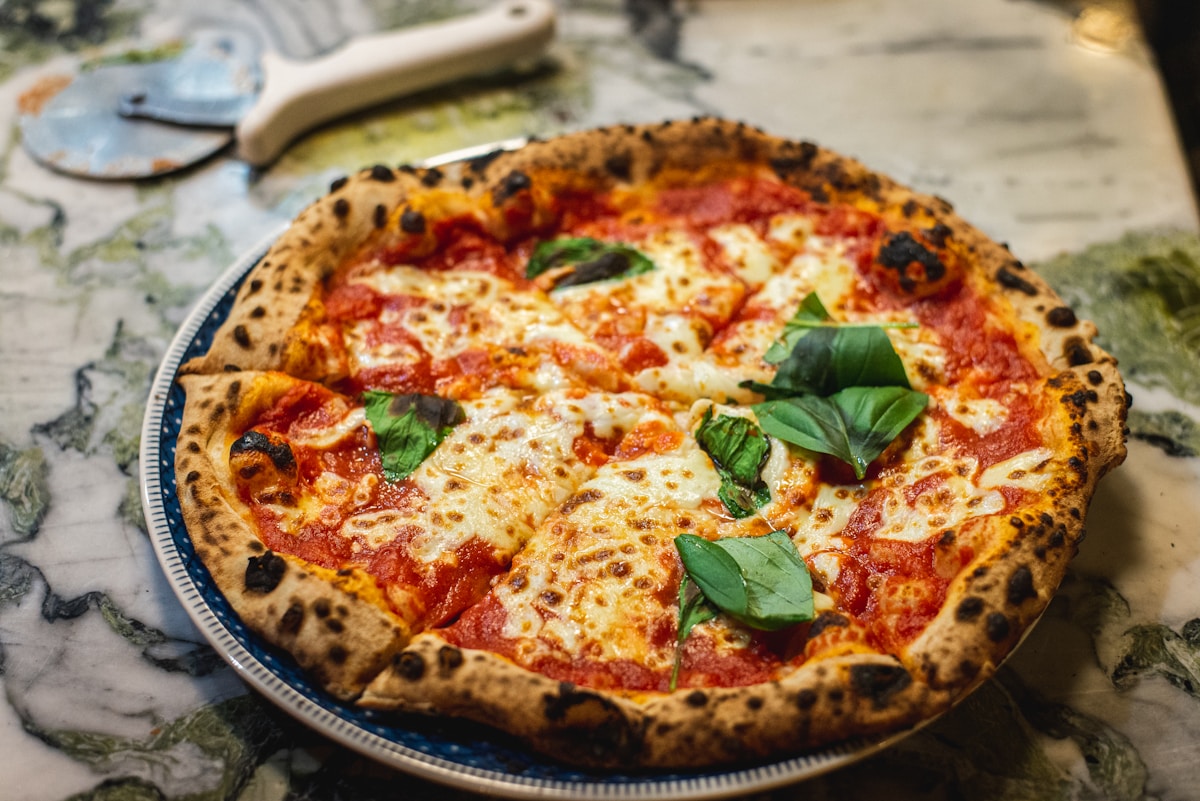 dishes
Pizza
From Neapolitan street food to global phenomenon
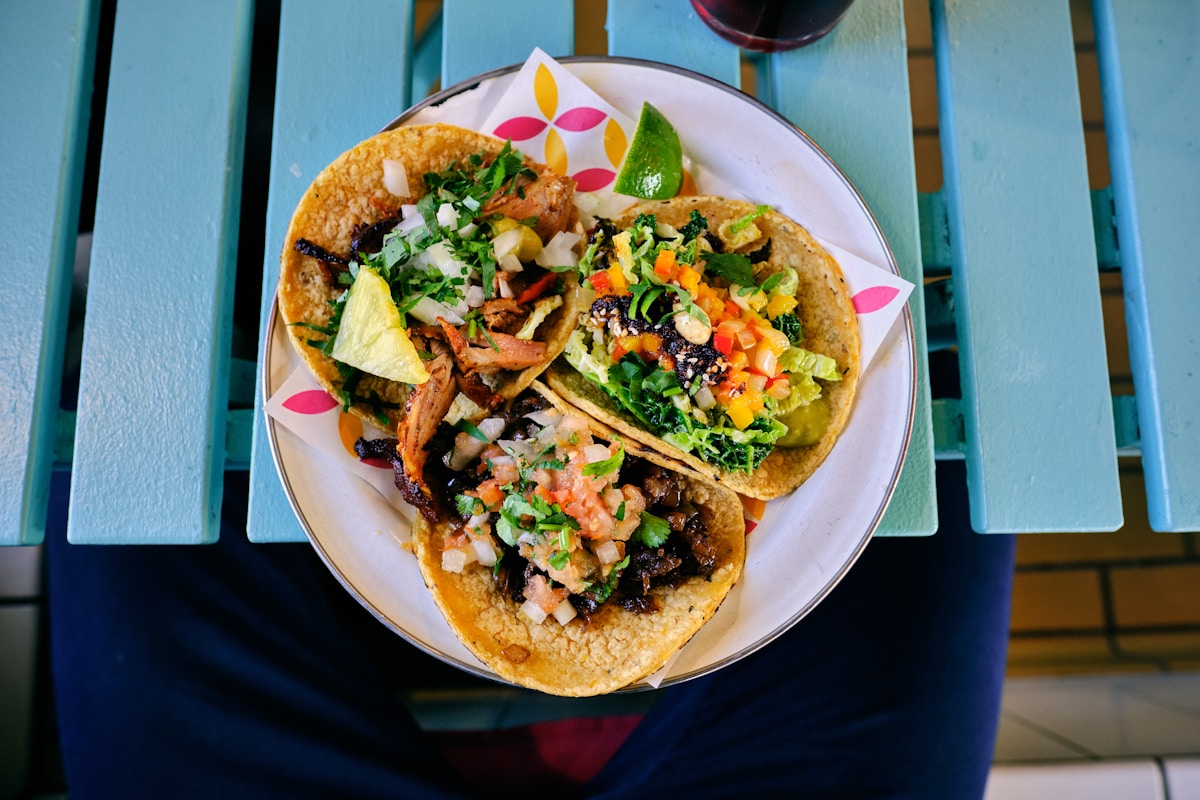 dishes
Tacos
The ancient Mesoamerican food that conquered the world
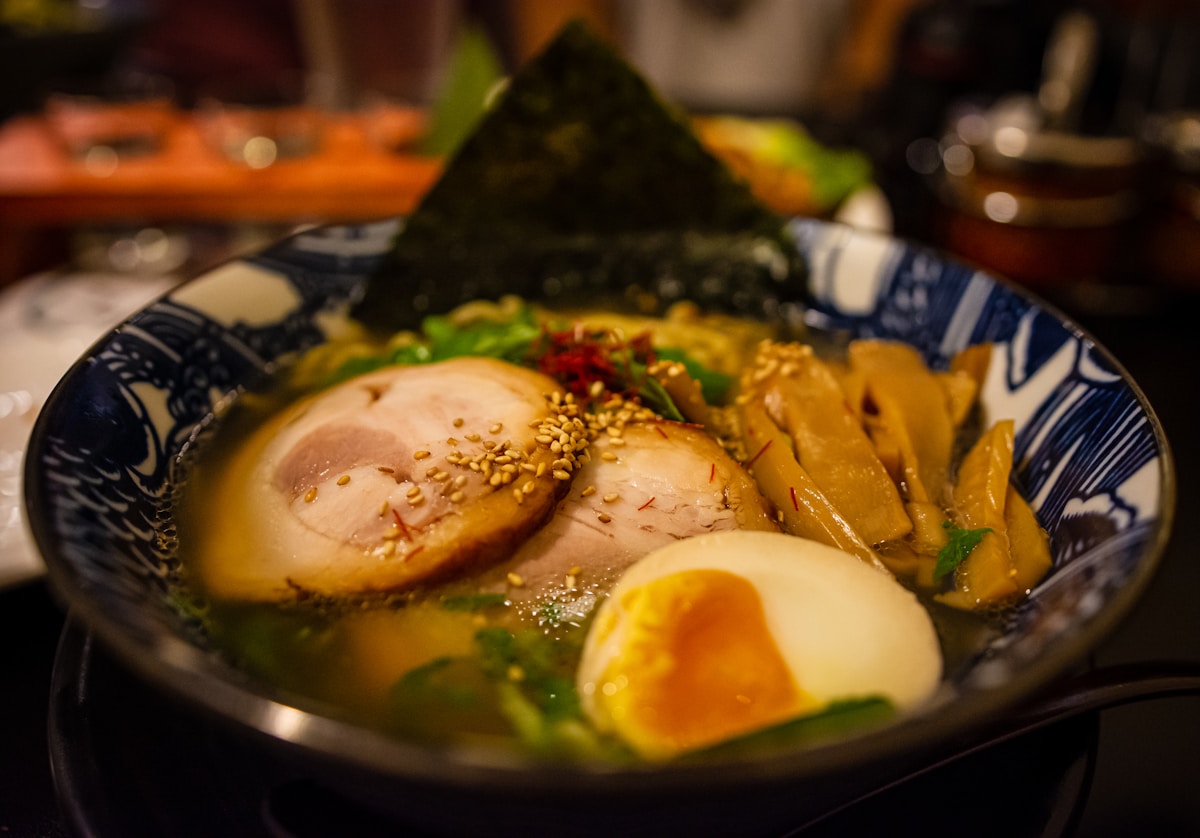 dishes
Ramen
The noodle soup that transformed postwar hunger into global obsession
 dishes
Pasta
The Italian icon with disputed origins
 dishes
Hot Dog
The German-American sausage-in-a-bun shaped by immigration, Coney Island spectacle, ballparks, branding, and patriotic reinvention
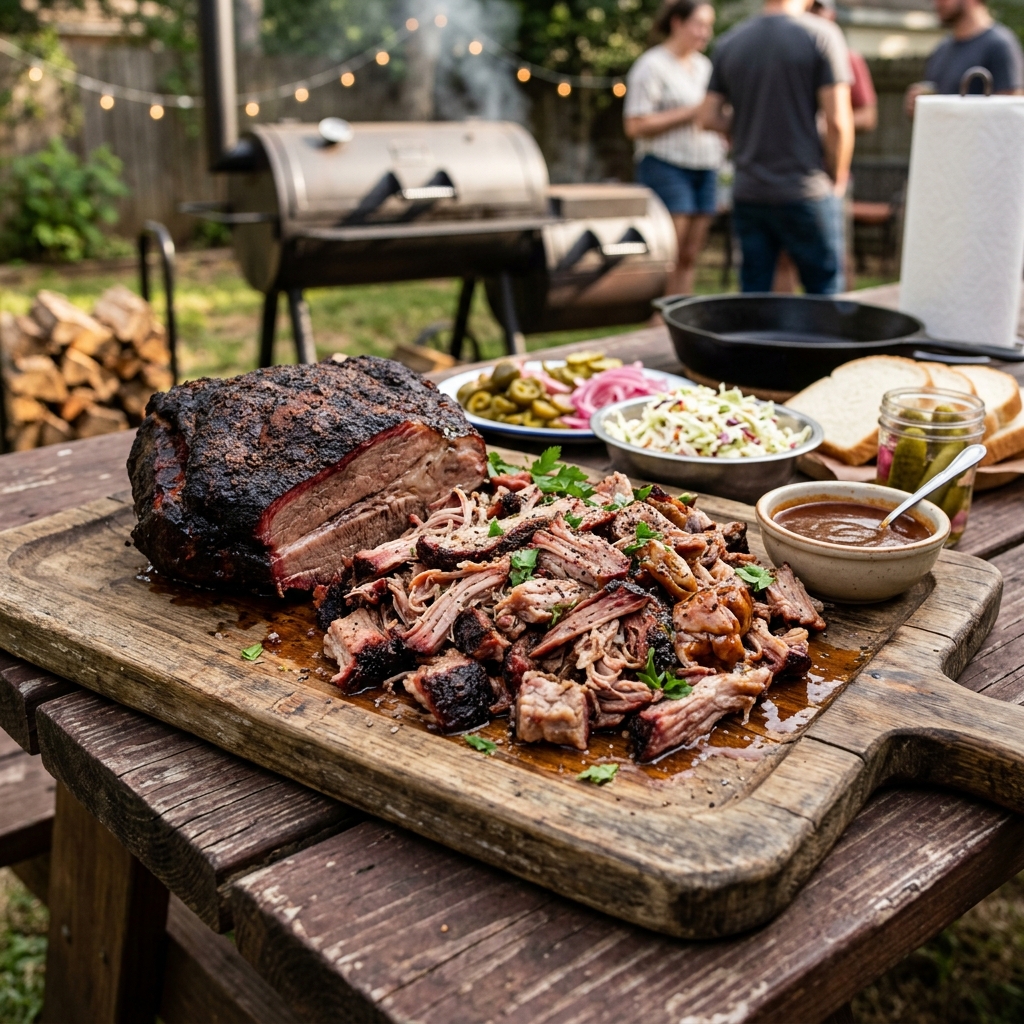 dishes
The Stolen Smoke
How Enslaved Pitmasters Invented American BBQ
 dishes
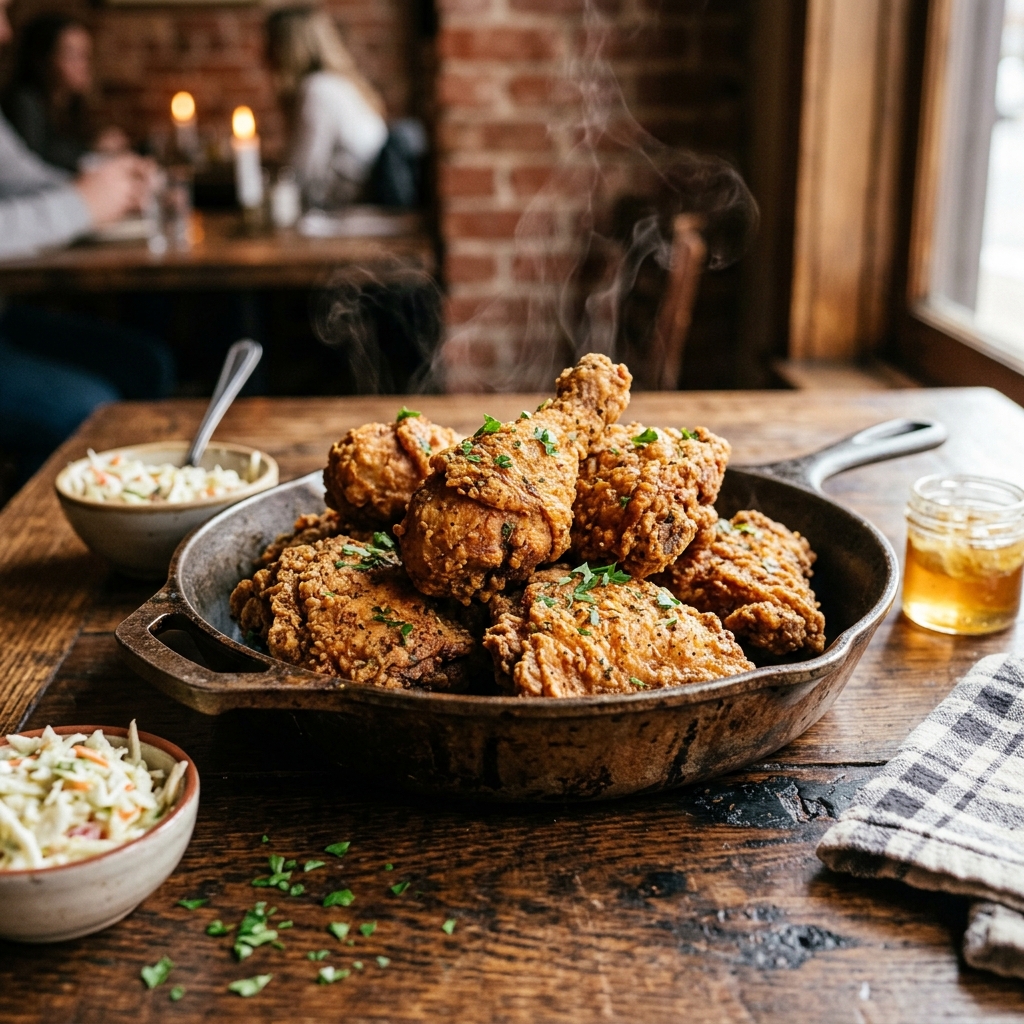
The Great Batter Battle
How Scotland and West Africa Accidentally Created Southern Fried Chicken
 dishes
Birria
How a regional Mexican meat stew became consommé-dunked tacos and a U.S. viral food
Survival Staples That Became Comfort Food
Bread, rice, potatoes, couscous, and sourdough began as durable calorie systems before becoming emotional comfort foods.
 ingredients
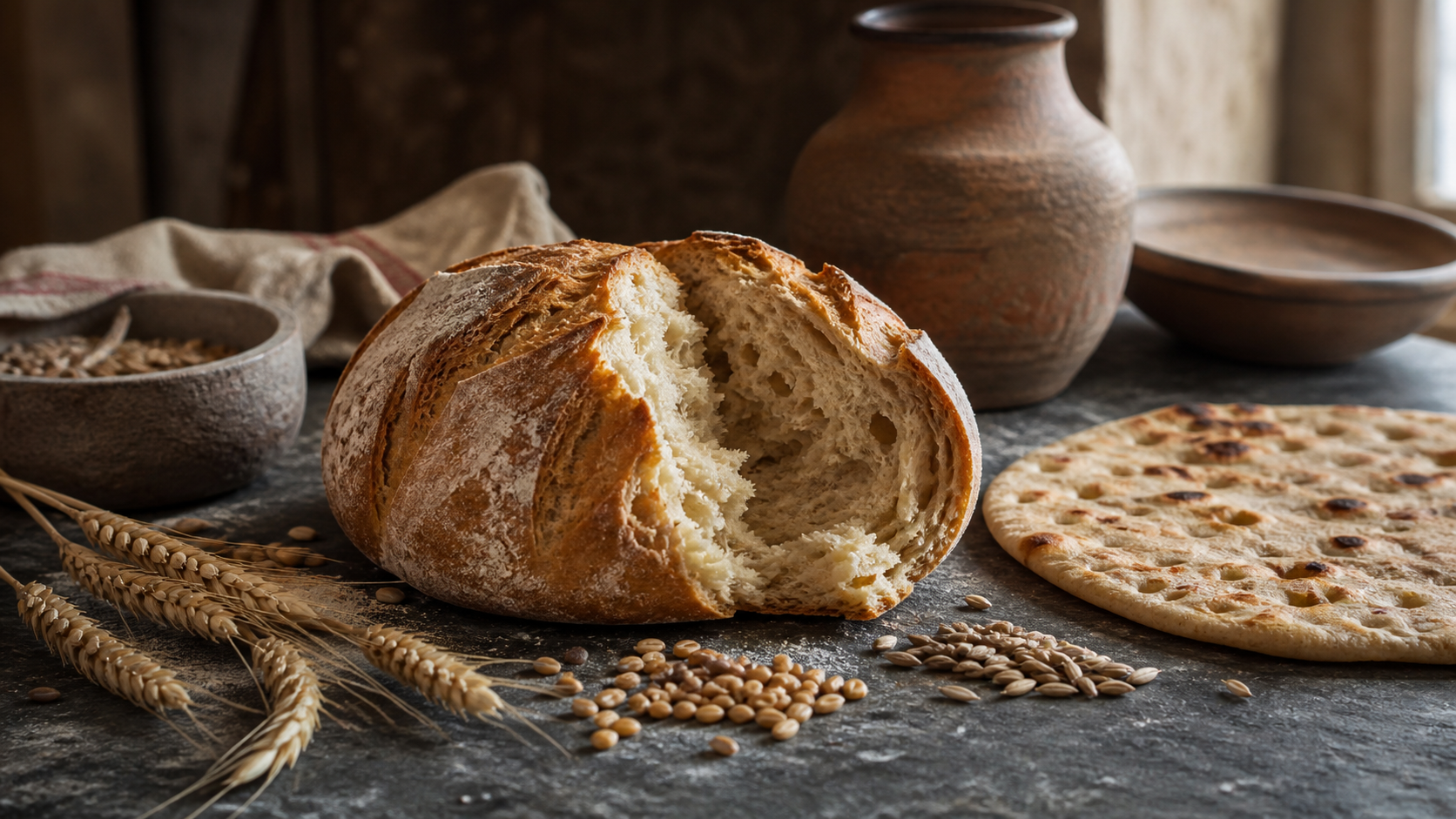
Bread
The staff of life that built civilizations
 ingredients
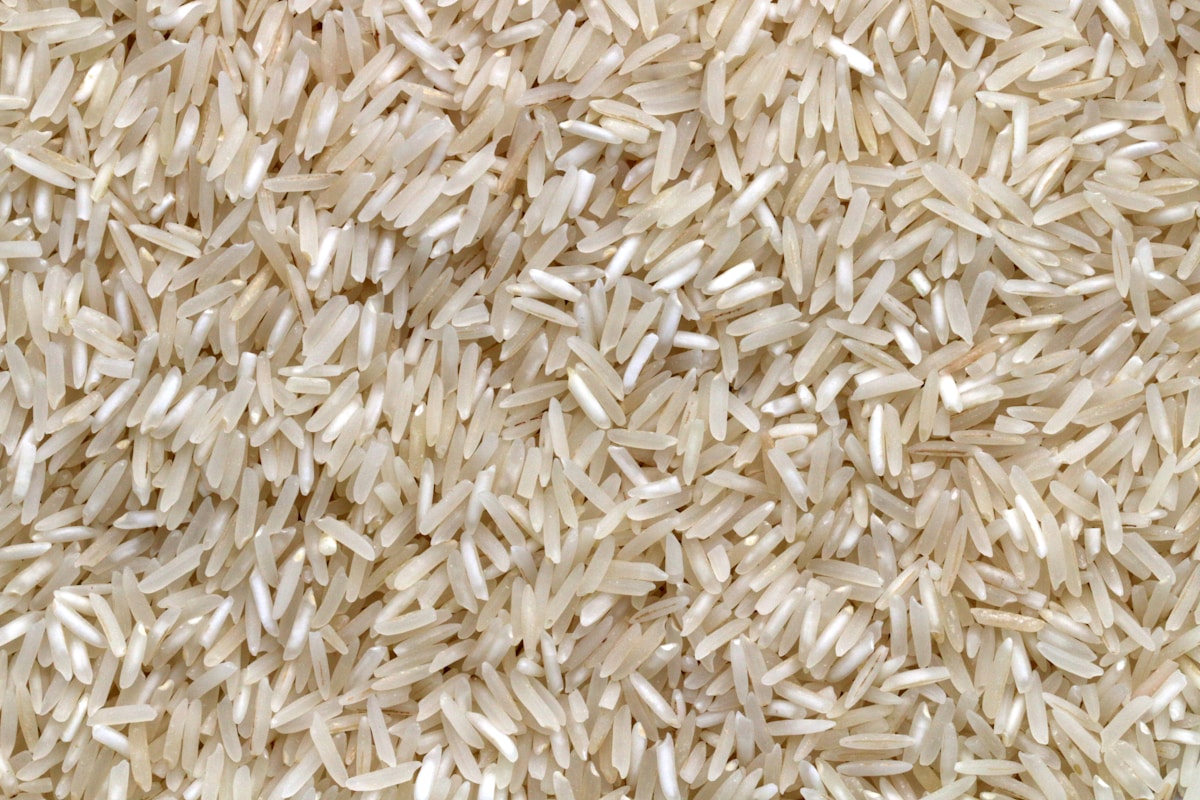
Rice
The grain that feeds half the world
 ingredients
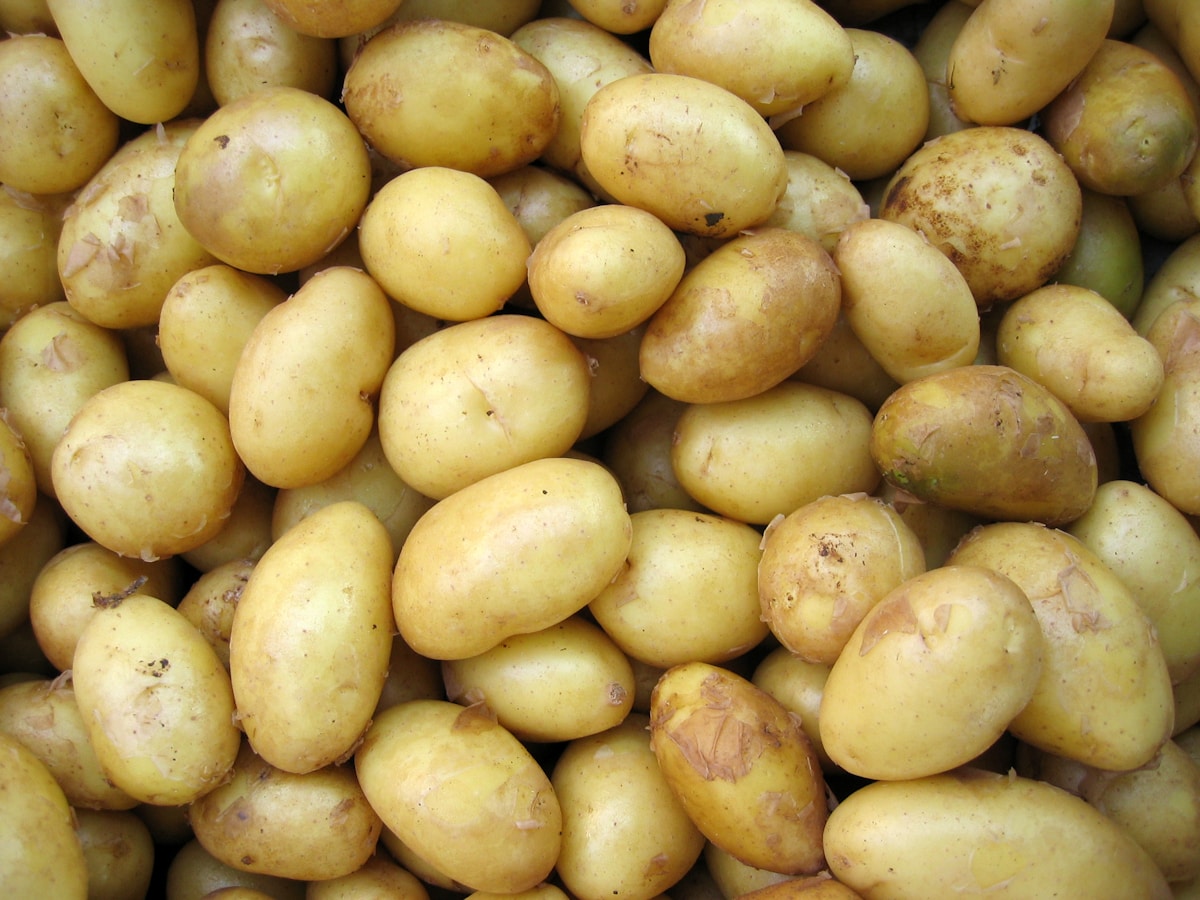
Potato
The humble tuber that conquered the world
 dishes
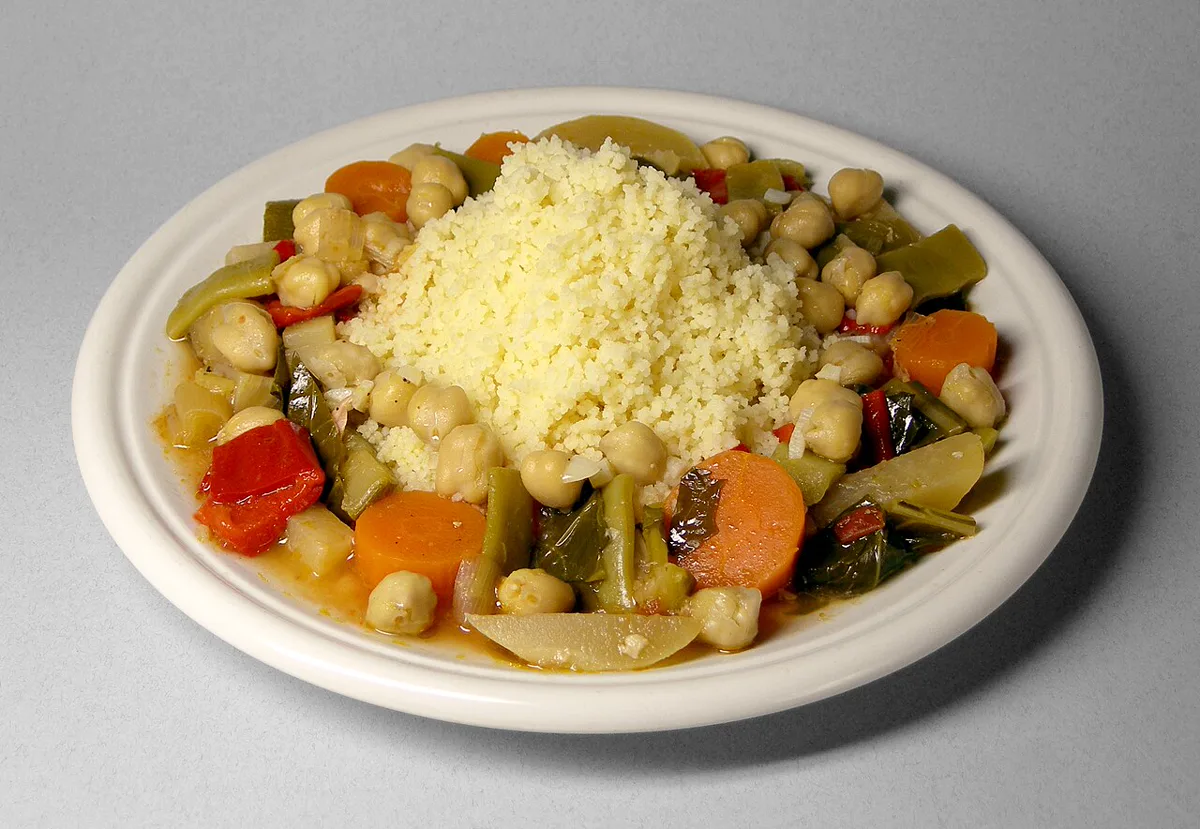
Couscous
The North African grain dish that traveled with empires and caravans
 dishes
Sourdough
The living bread culture that turned flour, water, wild yeast, and bacteria into flavor, preservation, and craft
 ingredients
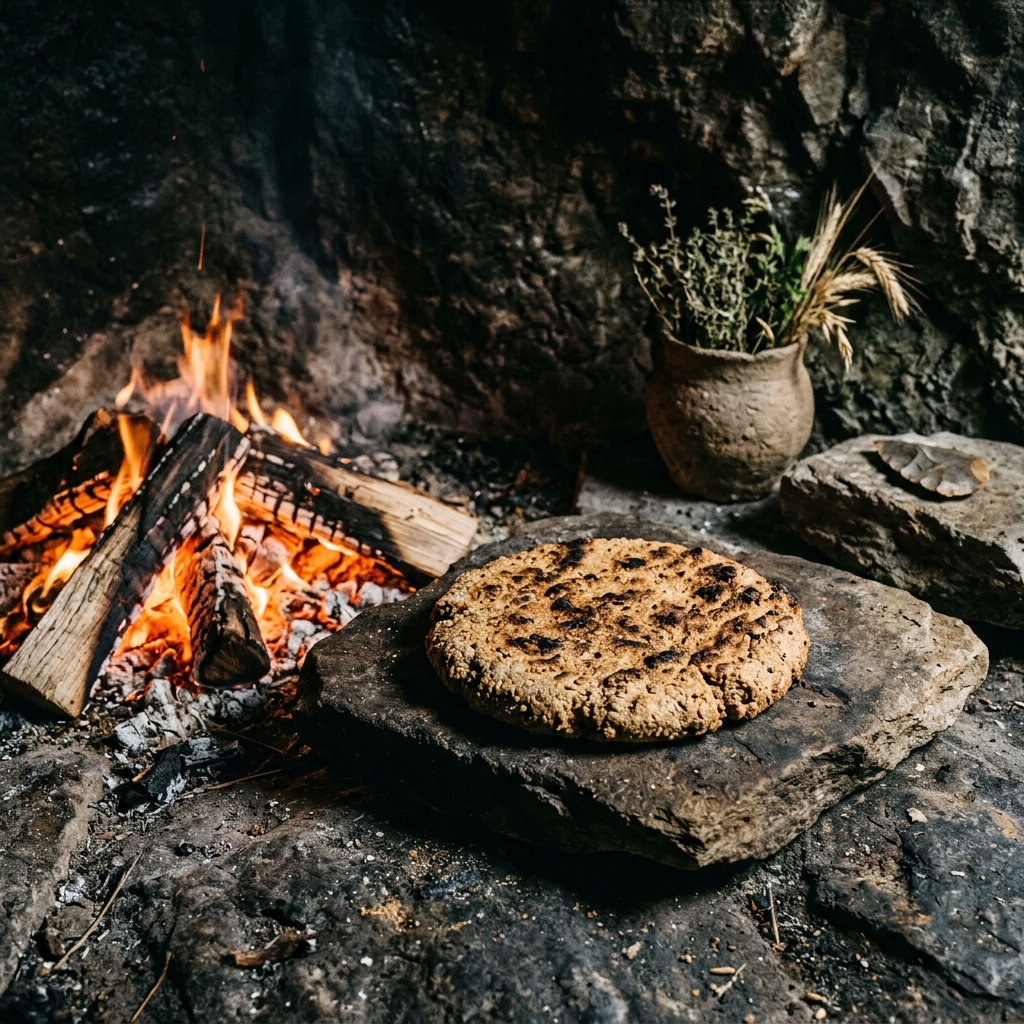
The 5,300-Year-Old Starter
Recreating the Oldest Sourdough on Earth
 dishes
Instant Noodles
How postwar Japan turned wheat noodles, steam-frying, and packaging into a worldwide desk-drawer staple
Preserved Protein With a Status Glow-Up
Oysters, salted cod, and hummus reveal how coastal, preserved, or humble foods can become restaurant language, national identity, or lifestyle branding.
 ingredients
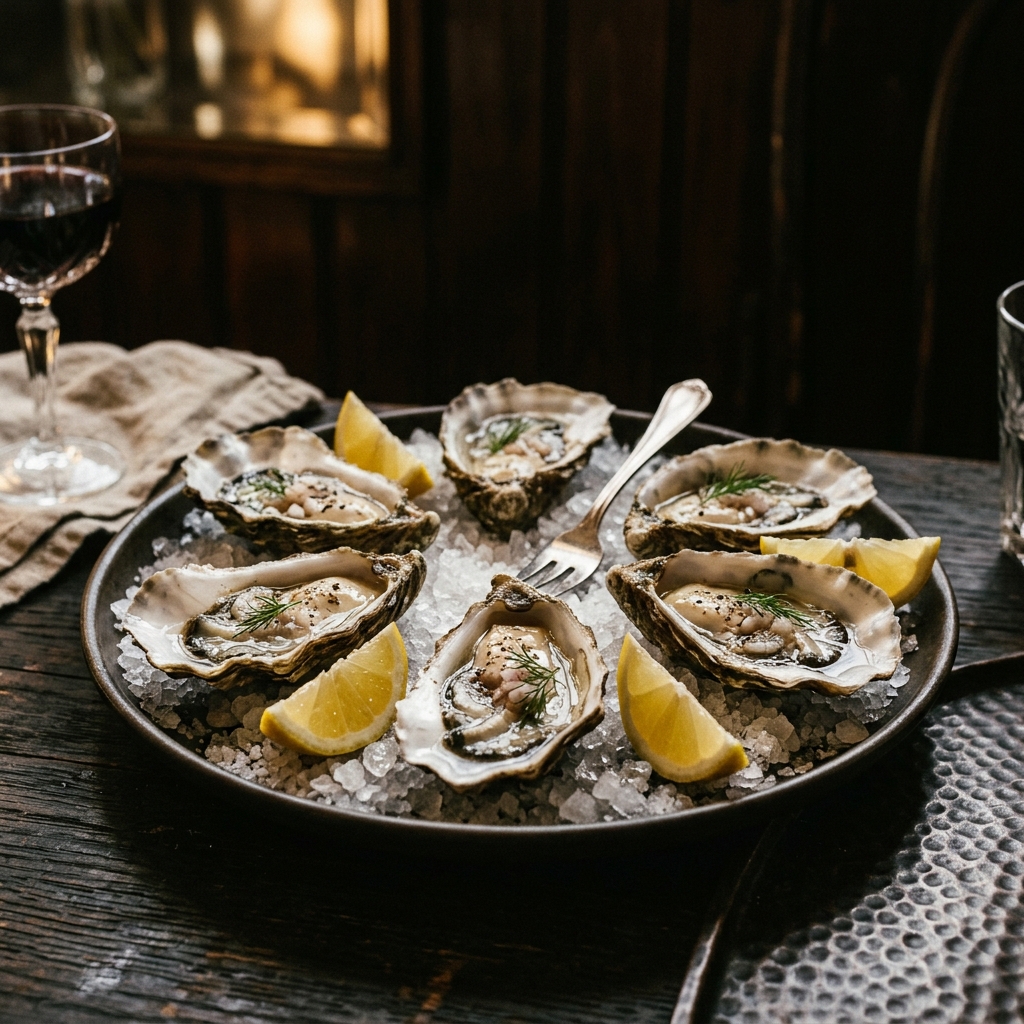
Oysters
From poor man's food to luxury delicacy
 ingredients
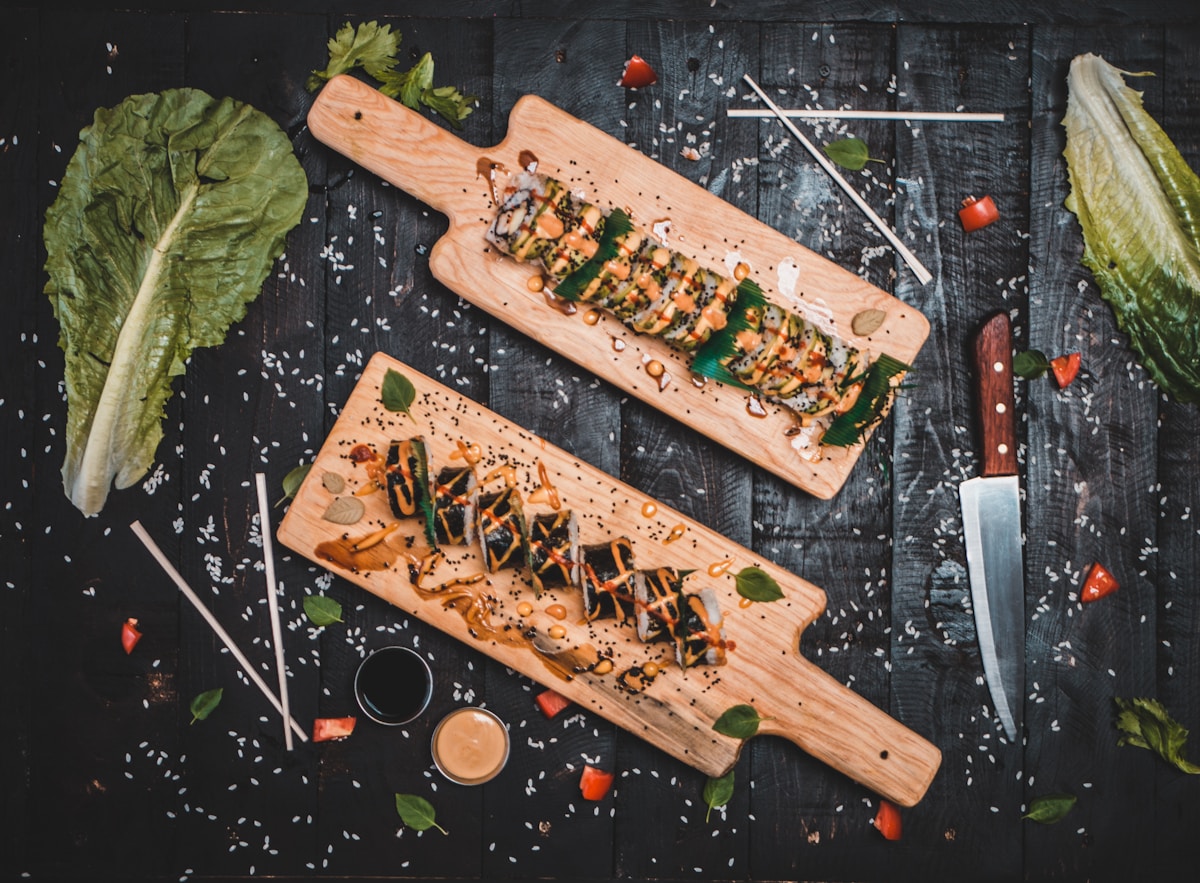
Fish (Salted Cod)
The preserved fish that fed empires and crossed oceans
 dishes
Hummus
The ancient dip that united and divided nations