The Date Snickers Dupe Is Trending — and Dates Are a 6,000-Year-Old Fruit
The TikTok "date Snickers" dupe is a 2026 "mindful sweetener" trend. Dates are among the oldest cultivated fruits, farmed in the Middle East for about 6,000 years.
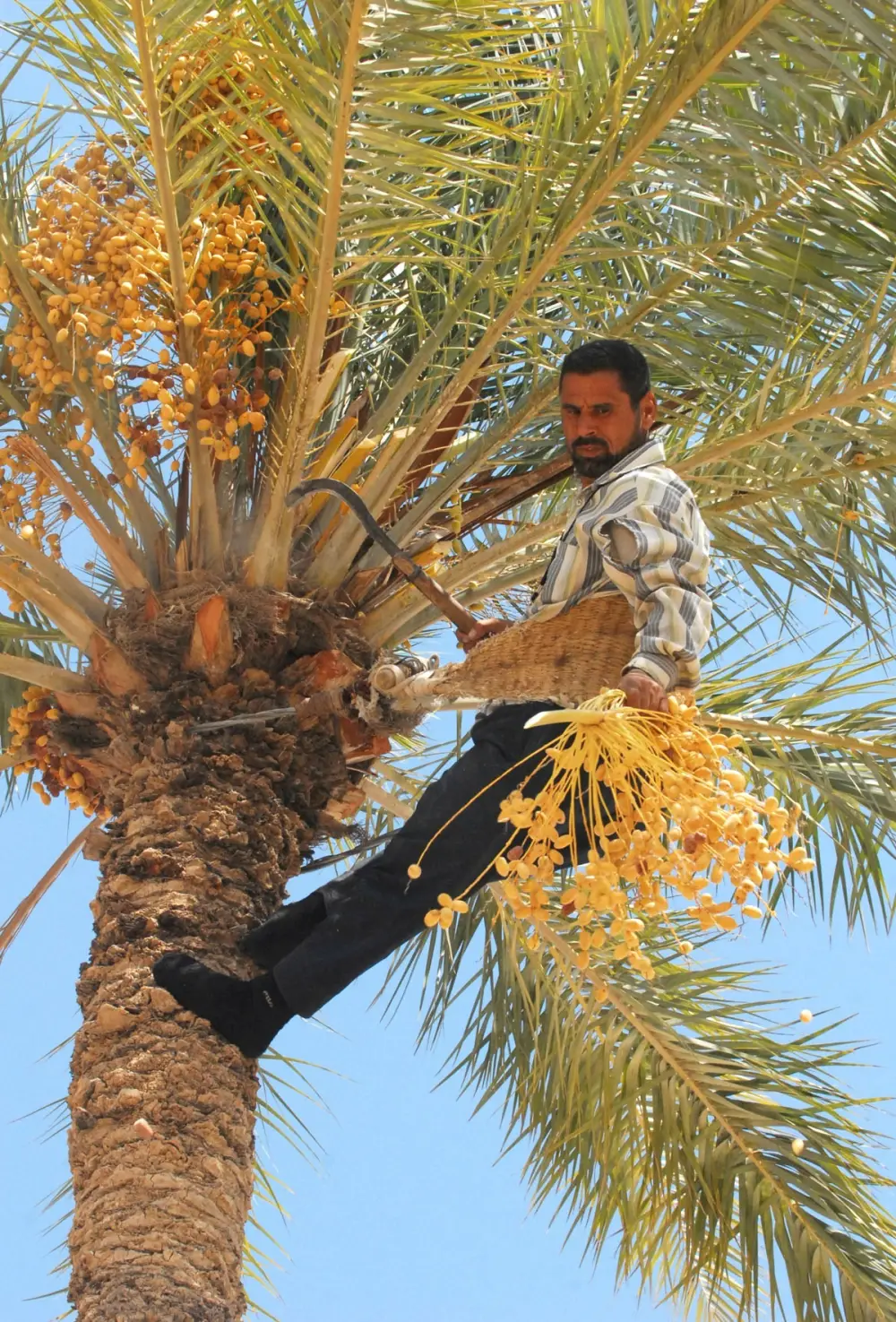
The "date Snickers" dupe — a pitted Medjool date stuffed with peanut butter and dipped in chocolate — is a 2026 TikTok trend and part of Whole Foods' "Sweet But Make It Mindful" movement. The fruit behind it is among the oldest cultivated: dates were farmed in the Middle East for roughly 6,000 years, prized as caravan food, medicine and a natural candy.
What's happening
The "date Snickers" dupe is a 2026 viral treat: a pitted Medjool date filled with peanut butter, sometimes with a peanut and salt, then dipped in chocolate [1]. It rides Whole Foods' "Sweet But Make It Mindful" 2026 trend, which reframes whole-fruit and less-processed sweeteners as candy alternatives [2].
The history behind it
Dates are among the oldest cultivated fruits, grown in the Middle East and North Africa for roughly 6,000 years — a staple of desert caravans, oasis agriculture and Mesopotamian and Islamic food culture [3]. Medjool dates, now the dupe's go-to, were once reserved for Moroccan royalty. The fruit's natural caramel sweetness is why a 2026 candy dupe works: dates already taste like toffee.
Why it matters
The food-history value is that a 2026 "healthy Snickers" is a 6,000-year-old Middle Eastern fruit in a candy-bar format. The "new" mindful sweetener is an ancient fruit rebranded. For the full histories of dates, honey, maple syrup and sugar, see the articles below.
How to try it
The date Snickers dupe is simple. Pit a Medjool date, fill it with peanut butter and a single roasted peanut and a pinch of flaky salt, then dip it in melted dark chocolate and chill until set. Use Medjool dates, because they are soft, large, and caramel-sweet. Keep them in the fridge; the texture firms up and they taste closer to a candy bar. For the full histories of dates, honey, maple syrup, and sugar, read below.
📖 Read the full history
Trend Desk notes are timely. The durable history behind each trend lives in these articles and collections.
Dates
The date palm fruit that sweetened desert trade for millennia — and now anchors mindful candy, energy bites, and whole-fruit sweetener culture in 2026
Honey
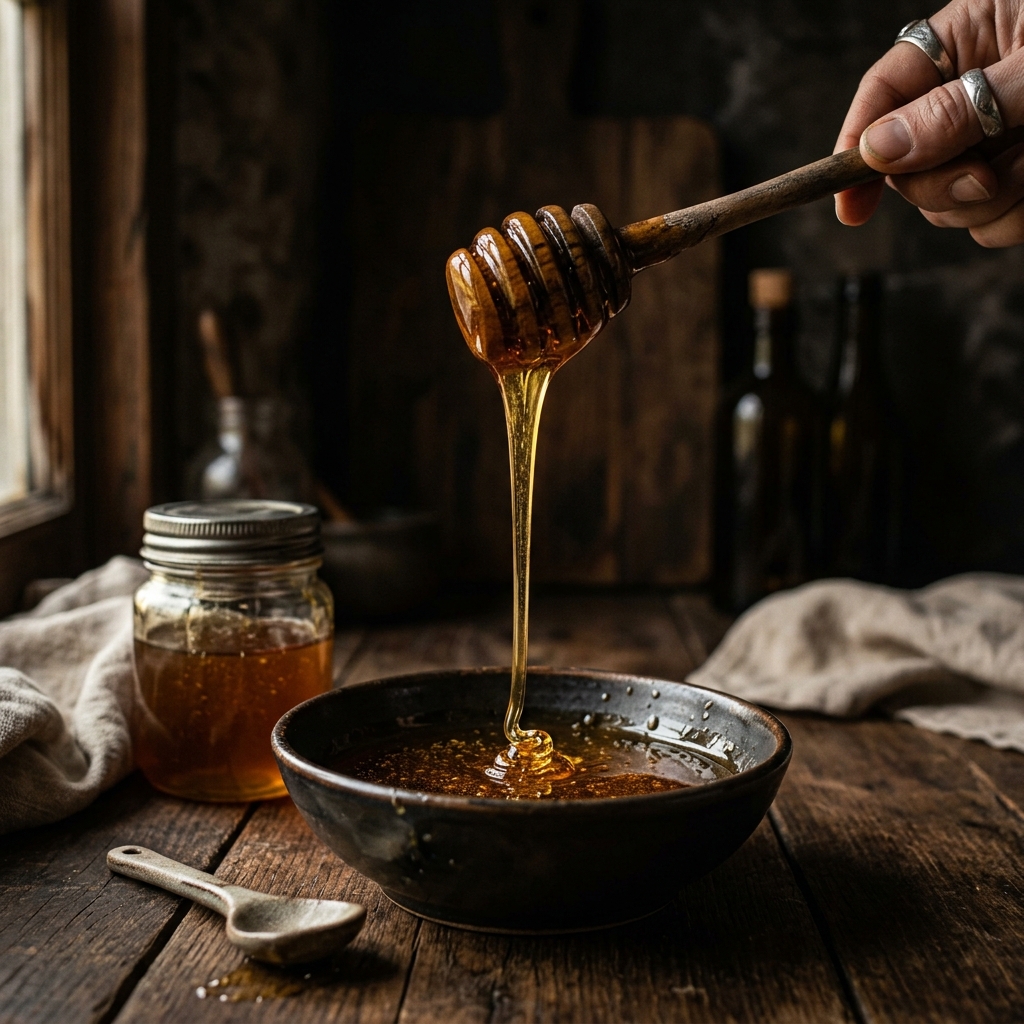
Nature's first sweetener, unchanged for millennia
Maple Syrup
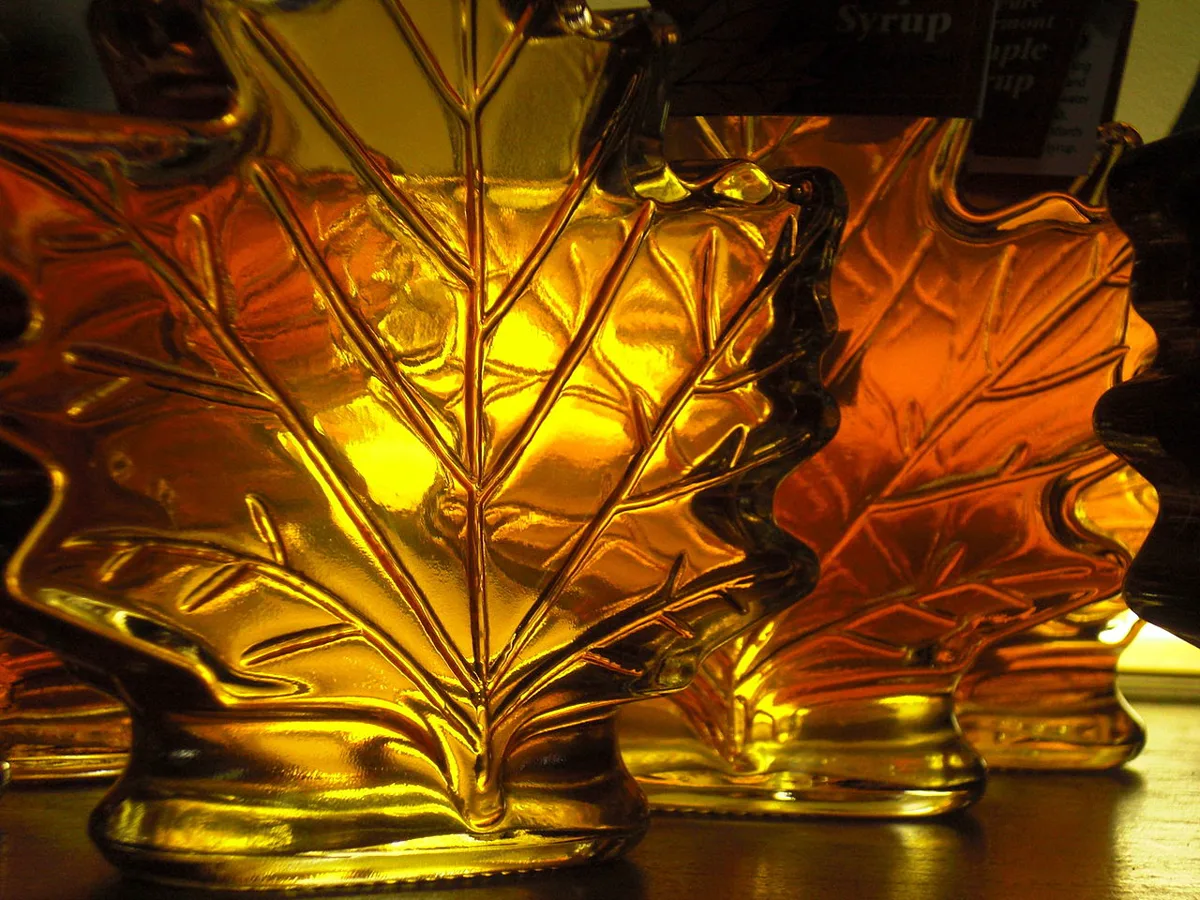
The forest sweetener born from Indigenous knowledge and spring thaw
Sugar
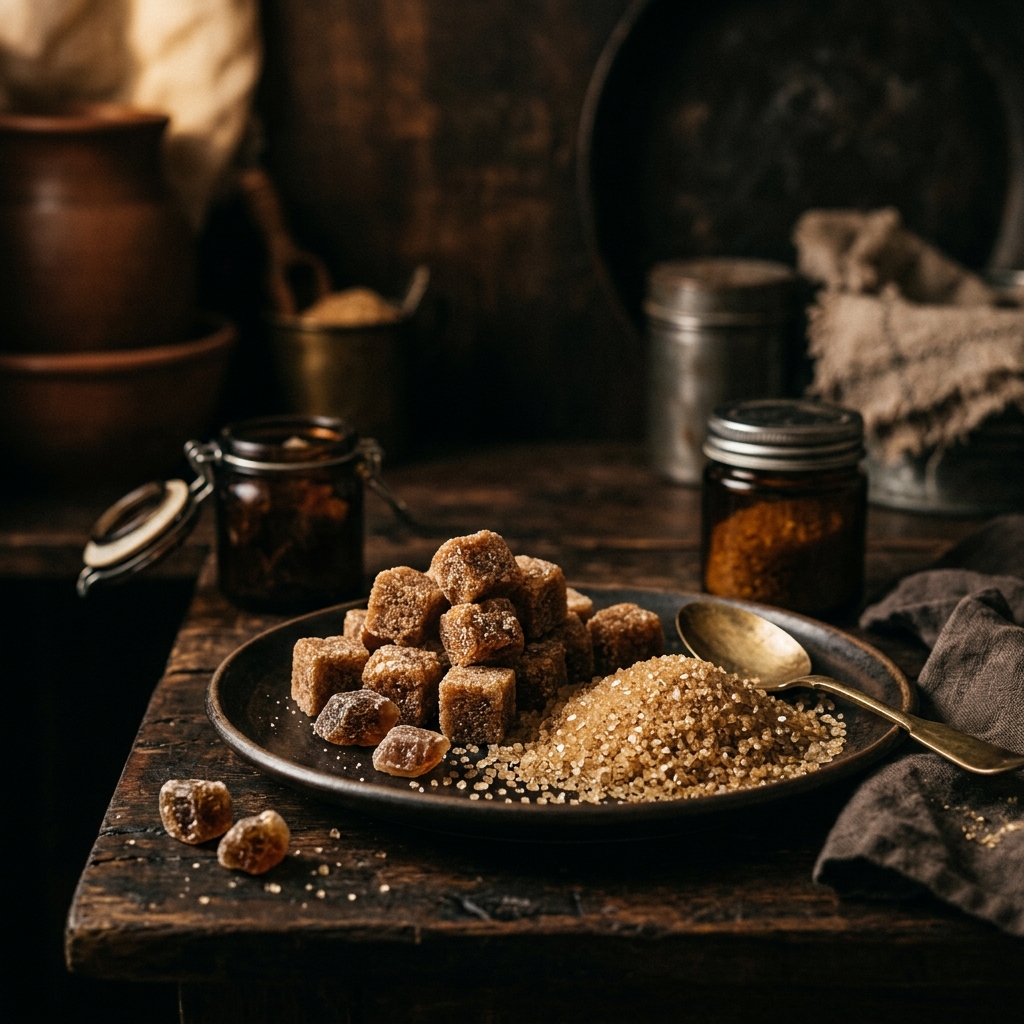
The sweet commodity that turned cane into empire, labor, and daily habit
Comments
Community comments are coming soon. Check back later to join the discussion!