💡 Key Takeaways
- Dates are the fruit of the date palm (Phoenix dactylifera), domesticated in the arid Near East and North Africa by roughly the 4th–3rd millennia BCE.
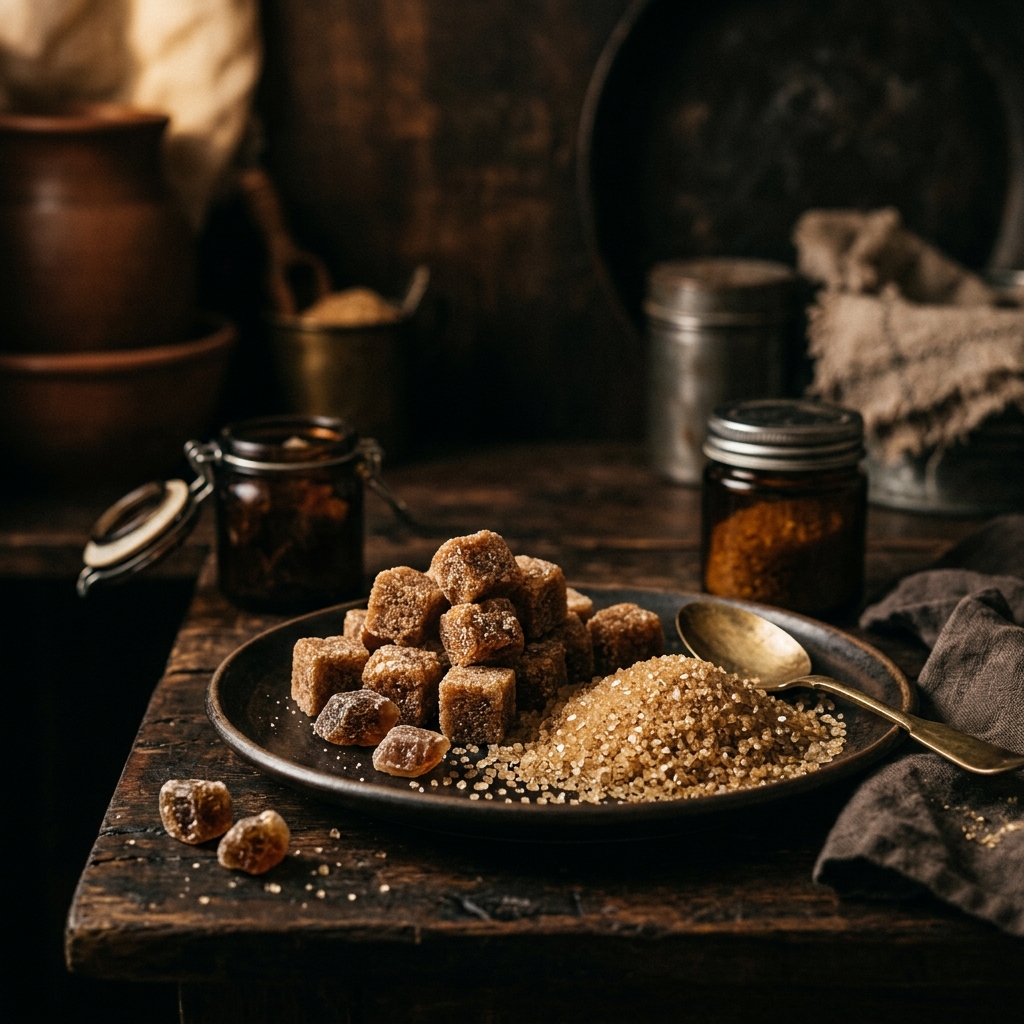
- Dried dates were portable sugar and calories for oasis communities and caravan trade long before refined cane sugar became cheap.
- In 2026, dates ride a mindful-sweetener wave as whole-fruit candy bases, energy bites, and substitutes for refined sugar in home and cafe desserts.
Where did dates originate?
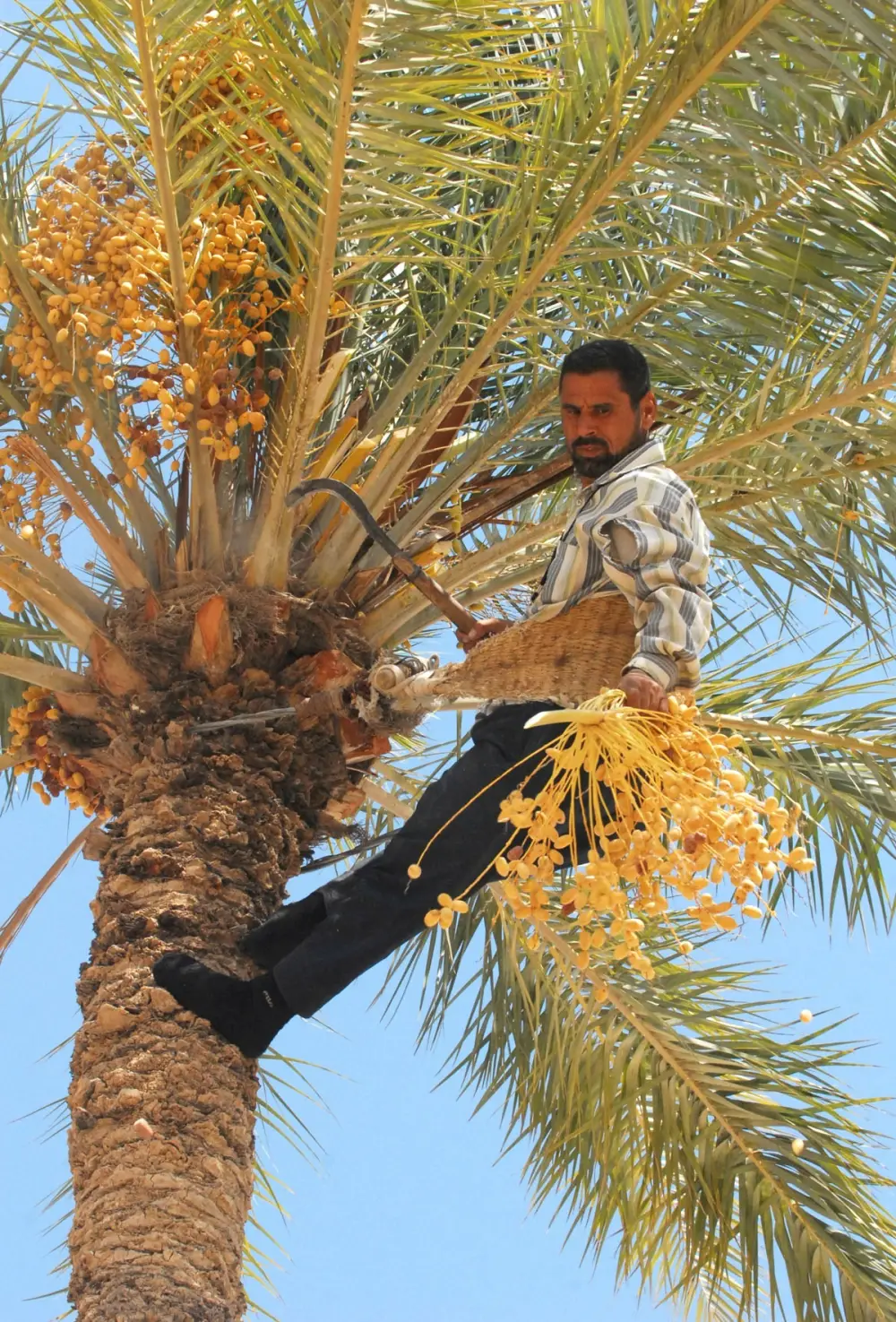
Dates are the fruit of the date palm, Phoenix dactylifera, a long-lived palm domesticated around the dry river valleys and oasis landscapes of the ancient Near East and North Africa. Archaeobotanical and textual evidence places cultivation in Mesopotamia, the Persian Gulf, Egypt, and Arabia by roughly the 4th–3rd millennia BCE [1][3][4].
Dates mattered because they solved a desert food problem: the fruit could be eaten fresh, dried for storage, pressed into syrup, fermented, or carried as compact sugar and energy [2]. In oasis settlements the palm also shaped agriculture, creating shade under which grains, legumes, and fodder crops could grow. Unlike jujube — sometimes called a Chinese date — true dates belong to the agricultural world of the Nile, Mesopotamia, Arabia, and later Islamic garden systems [1].
Oasis Agriculture and Caravan Trade
Date palms became a foundation of oasis agriculture because they tolerated heat, saline soils, and irrigation better than many fruit trees. In Mesopotamian and Egyptian economies, dates entered temple stores, tax records, syrup and beer production, and animal fodder [3]. The palm created a vertical farming system: tall canopies shaded fig trees, pomegranates, vegetables, and fodder below.
As caravan routes linked Arabia, the Levant, North Africa, and the Sahara, dried dates became practical travel food. Their durability mattered in arid regions where grain harvests were uncertain and fresh fruit was seasonal. Islamic-era agronomists and merchants helped move date varieties, irrigation knowledge, and orchard practices across the Middle East, North Africa, and al-Andalus [1][2].
Dates as the Pre-Sugar Sweetener
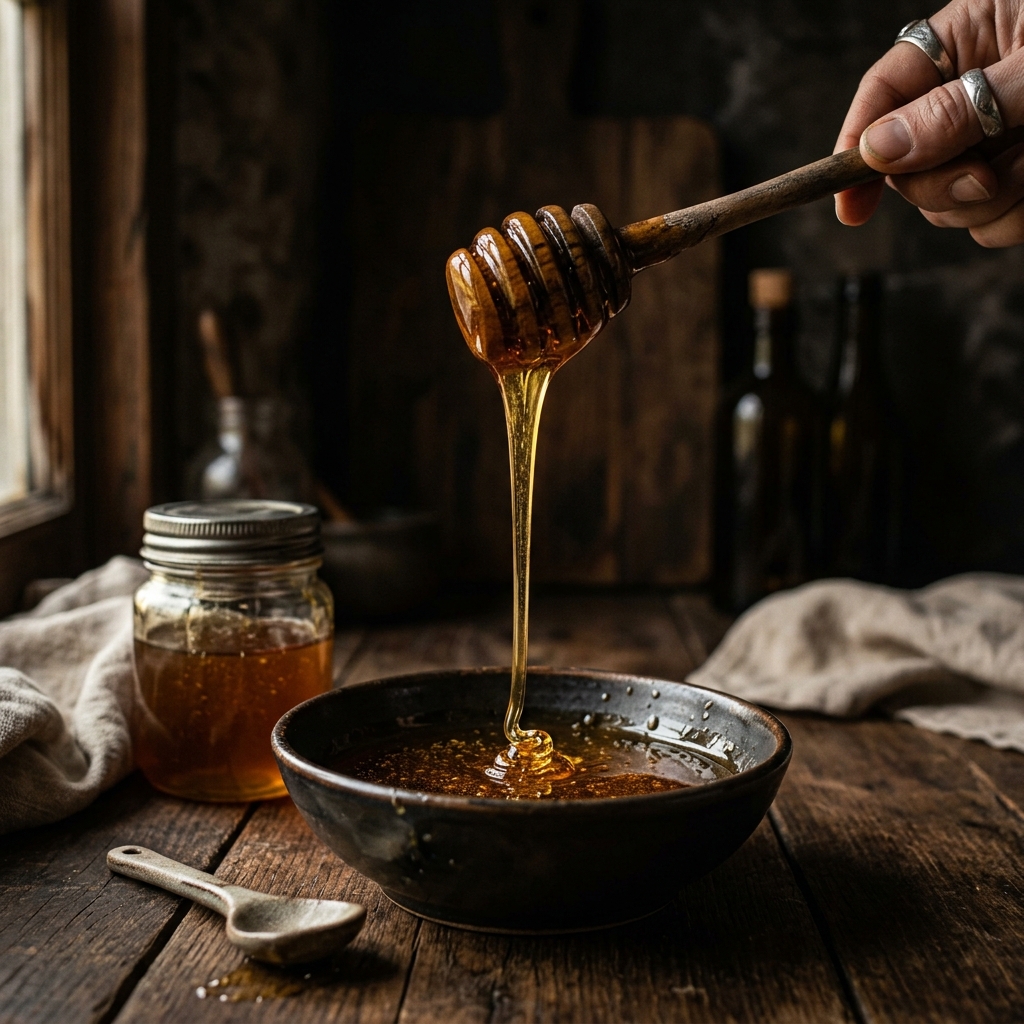
Long before cheap cane sugar remade global taste, dates and honey were the concentrated sweeteners of the arid Old World. Date syrup, pressed paste, and whole dried fruit sweetened porridges, breads, and festive foods without refining [5][6]. That history still shapes Middle Eastern and North African desserts, where dates sit beside nuts such as pistachio in stuffed and rolled sweets.
The palm was infrastructure as much as dessert: a mature grove could anchor settlement, feed people and animals, and support trade in syrup, dried fruit, fiber, and wood. Modern production still maps that ancient geography — Egypt, Saudi Arabia, Iran, Iraq, Algeria, Tunisia, and the Gulf remain strongly associated with dates, while California and Arizona host New World commercial groves [4][7].
Mindful Sweeteners and Date Candy in 2026
In 2026, dates ride a mindful-sweetener wave: cooks and cafes treat whole Medjool and Deglet Noor dates as candy bases, energy-bite binders, and swaps for refined sugar in brownies, caramel-style sauces, and stuffed date confections. The pitch is not that dates are calorie-free — they are dense natural sugar — but that they are a recognizable whole fruit with fiber, minerals, and a soft caramel texture that photographs well and needs little processing [5].
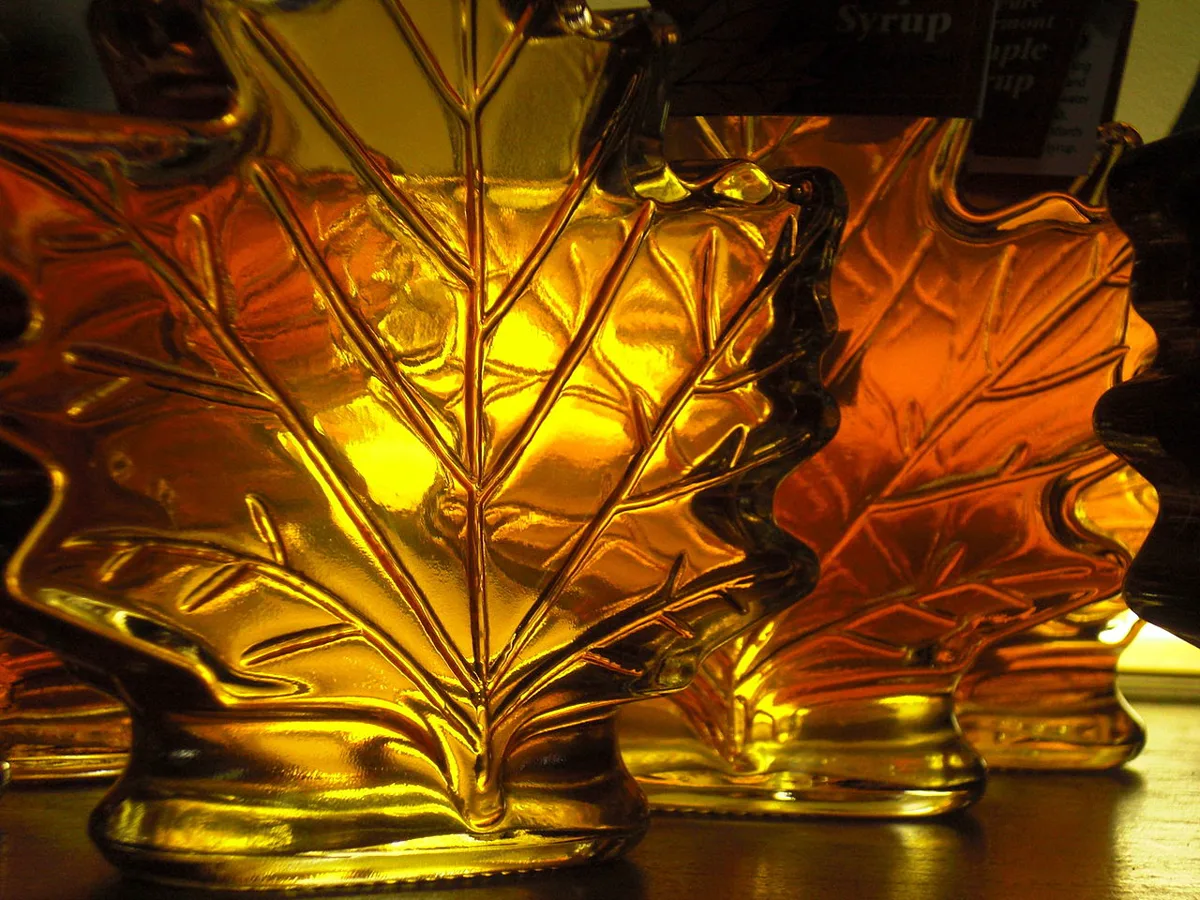
Stuffed dates with nut butters, dark chocolate, or pistachio paste sit next to maple syrup and honey in the same "less refined" sweetener conversation. The trend reframes an ancient desert staple as contemporary wellness candy without inventing a new crop.
How Dates Are Used Today
Today dates appear as fresh dessert fruit, baking paste, syrup, vinegar, and snack bars. Soft cultivars such as Medjool dominate premium retail; firmer types dry well for travel and cooking. World production remains concentrated in the Middle East and North Africa, with growing specialty markets in Europe and North America [7].
In the kitchen, dates bind energy bites, sweeten smoothies, stand in for caramel in vegan desserts, and finish cheese boards beside fig and nuts. The food-history through-line is continuous: a fruit bred for heat, storage, and sweetness still does the same job — only now the caravan is a cafe counter and a social feed.
In the news
Recent 2026 food-culture notes that reference this article.
- Jul 2, 2026Date Syrup vs Sugar: The Ancient Sweetener Making a Comeback→
- Jul 1, 2026The Date Snickers Dupe Is Trending — and Dates Are a 6,000-Year-Old Fruit→
- Jun 21, 2026Date Caramel TikTok Candy Bars, in Depth→
- Jun 9, 2026Jaggery Is the Mindful Sweetener of 2026 — Unrefined Cane With a Much Older South Asian Story→
Historical Timeline
Date palm cultivation is established in Mesopotamia, the Persian Gulf, Egypt, and Arabian oases
Dates appear in Near Eastern temple stores, tax records, and orchard systems
Islamic-era agronomy and trade spread date varieties and irrigation knowledge across North Africa and the Middle East
Date palms reach California and Arizona; commercial New World groves take root
Medjool and other soft dessert cultivars expand global fresh-date markets
Dates become a go-to whole-fruit sweetener for energy bites, stuffed date candy, and refined-sugar swaps
Evidence Explorer
Review the Source Trail
Inspect the article sources, scoped review credits, and copyable citation details without leaving the page.
Sources Listed
Comments
Community comments are coming soon. Check back later to join the discussion!