💡 Key Takeaways
- Maple syrup begins with Indigenous North American knowledge of tapping trees and boiling sap during spring thaw.
- European colonists adopted maple sugaring and later used maple sugar in political arguments against cane sugar produced by enslaved labor.
- Modern maple syrup remains tied to season, forest ecology, regional identity, and climate vulnerability.
Where did maple syrup originate?
Maple syrup begins in the forests of northeastern North America. Long before European colonists arrived, Indigenous peoples understood how to tap maple trees during the brief spring season when sap rises. They collected sap, concentrated it by freezing or boiling, and produced sweet syrup or sugar at a time of year when fresh food could be scarce.
This knowledge required close attention to trees, weather, and season. Maple sugaring depends on freeze-thaw cycles: cold nights and warmer days create pressure changes that move sap. The harvest is not simply agricultural. It is a collaboration with forest ecology.
How did maple syrup evolve over time?
European colonists learned maple sugaring from Indigenous communities and adapted the practice with iron and copper kettles, augers, wooden spiles, and later metal buckets and evaporators. Maple sugar became a local sweetener in regions where cane sugar was expensive or politically troubling.
In the 18th and 19th centuries, maple sugar carried moral meaning for some abolitionists. Because Caribbean cane sugar was deeply tied to enslaved labor, maple sugar could be promoted as a free-labor alternative. This did not make maple production free from colonial dispossession, but it shows how sweeteners were entangled with politics.
Commercial syrup production expanded with better equipment, roads, cans, grading systems, and eventually plastic tubing and vacuum collection. Quebec became the dominant producer, while Vermont, New York, Maine, and other regions built strong maple identities.
Why is maple syrup culturally important?
Maple syrup is one of North America's most seasonal foods. Sugaring season marks the end of winter and the beginning of spring, turning muddy thaw into celebration. Sugar shacks, community boils, pancakes, snow candy, and family woods all carry emotional weight.
It also represents Indigenous knowledge that was often borrowed without proper credit. Any honest maple history must begin with the Native communities who developed and shared the practice. The modern maple industry rests on that foundation.
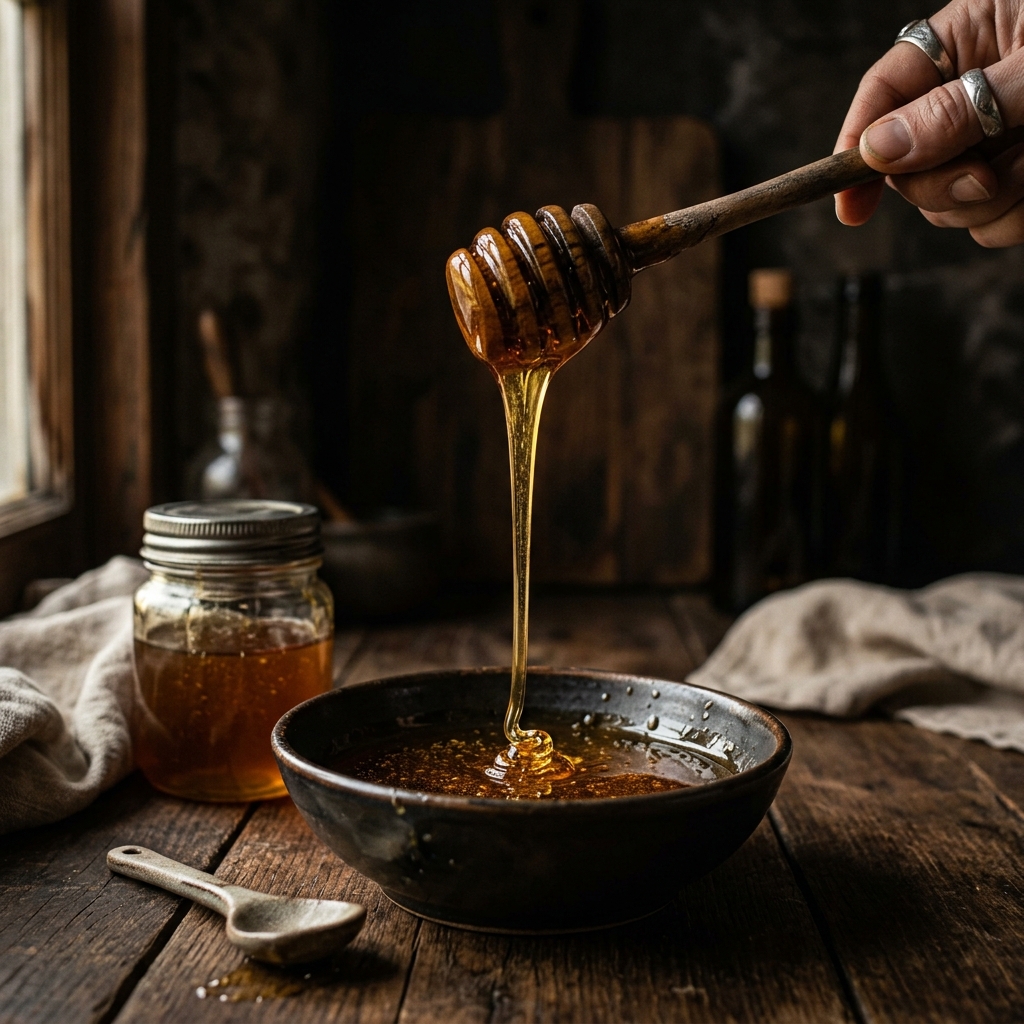
As a flavor, maple is distinct from cane sugar or honey: woody, caramelized, mineral, and sometimes smoky. It tastes like a place as much as a sweetener.
How is maple syrup used today?
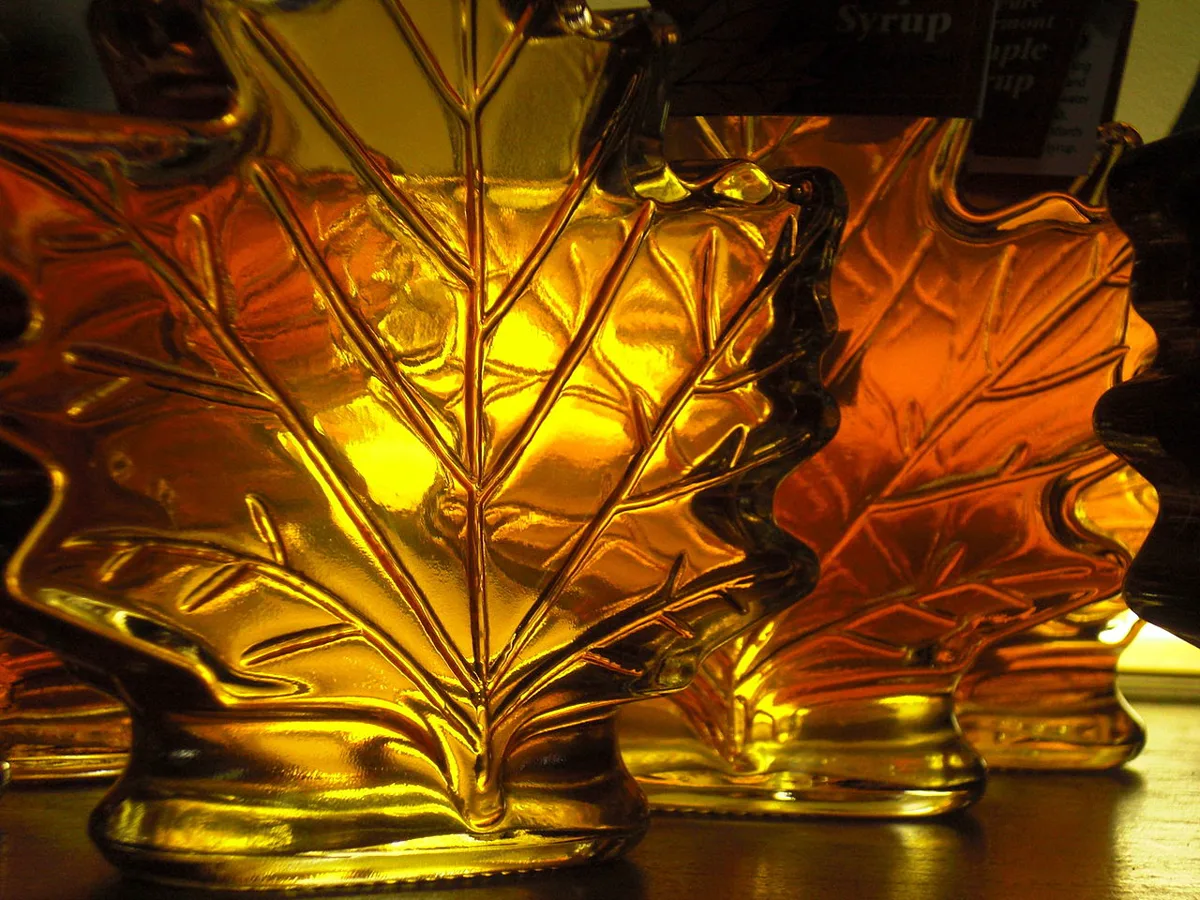
Today, maple syrup appears on pancakes, in glazes, cocktails, granola, barbecue sauces, candies, roasted vegetables, and fine desserts. Producers increasingly talk about terroir, highlighting how soil, weather, tree health, and boiling technique shape flavor.
Climate change poses a serious challenge. Warmer winters can shorten sugaring seasons and shift suitable maple habitat northward. The future of maple syrup depends on forest stewardship as much as culinary demand. Its history has always been seasonal; now its season is changing.
In the news
Recent 2026 food-culture notes that reference this article.
Historical Timeline
Indigenous peoples of northeastern North America tap maple trees and process sap
European colonists learn maple sugaring techniques from Indigenous communities
Maple sugar is promoted by some abolitionists as an alternative to cane sugar tied to slavery
Metal kettles, buckets, and evaporators increase syrup production efficiency
Quebec and the northeastern United States become centers of commercial maple syrup production
Evidence Explorer
Review the Source Trail
Inspect the article sources, scoped review credits, and copyable citation details without leaving the page.
Sources Listed
Comments
Community comments are coming soon. Check back later to join the discussion!