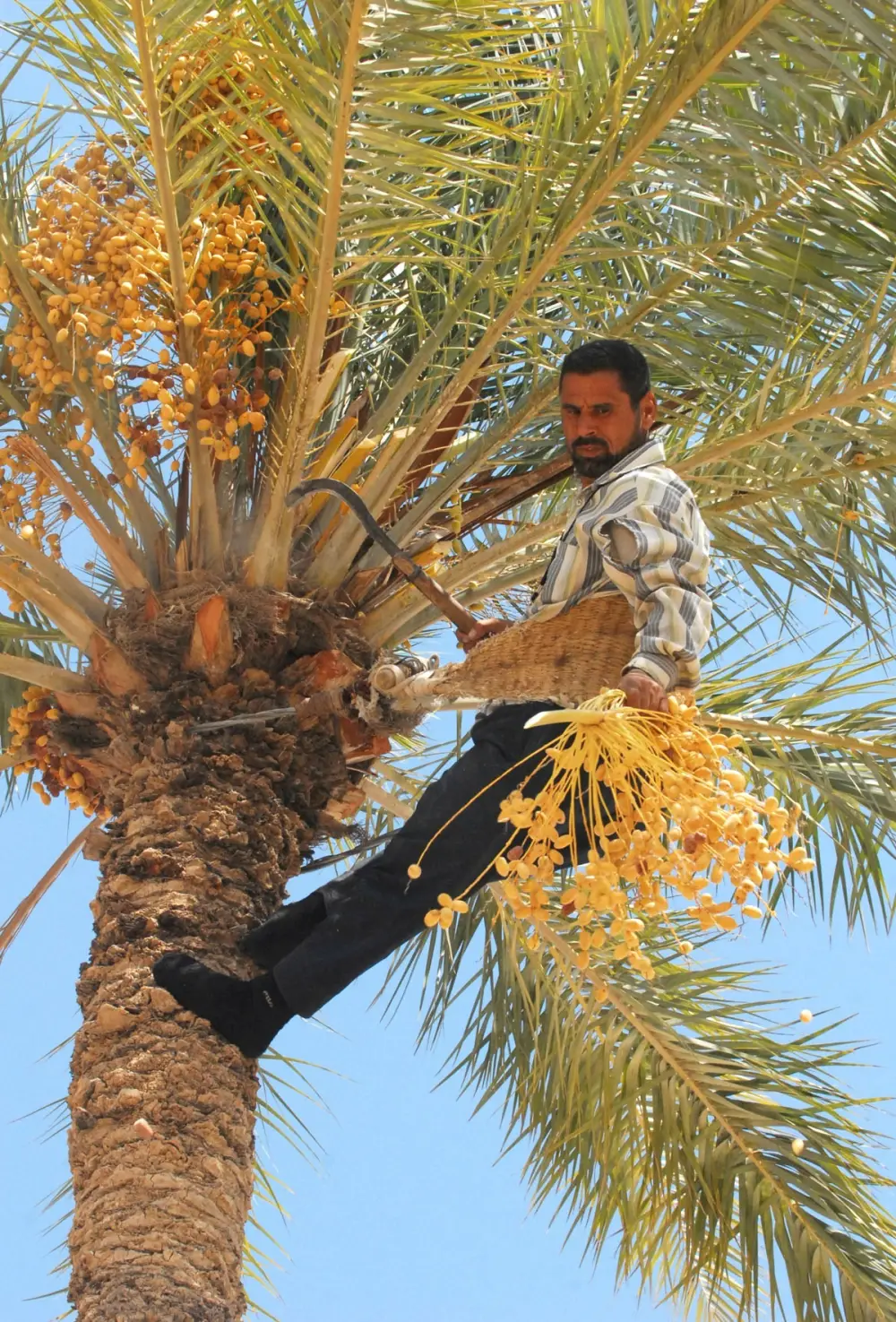
Date Syrup vs Sugar: The Ancient Sweetener Making a Comeback
Date syrup, trending in 2026 as a "mindful sweetener," is one of the oldest sweeteners on Earth — far older than refined sugar, which arrived in the medieval Mediterranean via Arab trade.
Date syrup, trending in 2026 as a "mindful sweetener," is one of the oldest sweeteners on Earth — boiled down from dates in the Middle East for thousands of years, long before refined sugar. Refined cane sugar reached the medieval Mediterranean through Arab trade and later drove the Atlantic plantation economy; date syrup is a far older, less-processed alternative now being rediscovered.
What's happening
Date syrup is one of 2026's rising "mindful sweeteners," part of Whole Foods' "Sweet But Make It Mindful" trend, as shoppers swap refined sugar for whole-fruit syrups they perceive as less processed [1]. The comparison driving searches is "date syrup vs sugar."
The history behind it
Date syrup — date dibs — is one of the oldest sweeteners humans made, boiled down from dates in the Middle East for thousands of years, used in Mesopotamian and later Islamic cooking [2]. Refined cane sugar is far newer: it spread from India through the Arab world into the medieval Mediterranean, then drove the Atlantic plantation economy after the 15th century [3]. Honey and maple syrup are the other ancient sweeteners; refined white sugar is the industrial outlier.
Why it matters
The food-history value is that the 2026 "date syrup vs sugar" comparison is an ancient sweetener meeting an industrial one. A "new" mindful sweetener is a thousands-of-years-old Middle Eastern syrup. For the full histories of dates, honey, maple syrup and sugar, see the articles below.
What date syrup actually is
Date syrup is exactly what it sounds like: a syrup made by boiling down dates and straining them, concentrated until thick. It is a sugar, mostly glucose and fructose, with a deep, molasses-ish flavor and trace minerals, but it is not a low-calorie or diabetic-safe sweetener. Calling it mindful means less processing and a richer flavor, not a free pass. It is closer to maple syrup and honey than to any zero-calorie alternative, and it behaves like one in baking. For the full histories of dates and sugar, read below.
📖 Read the full history
Trend Desk notes are timely. The durable history behind each trend lives in these articles and collections.
Dates
The date palm fruit that sweetened desert trade for millennia — and now anchors mindful candy, energy bites, and whole-fruit sweetener culture in 2026
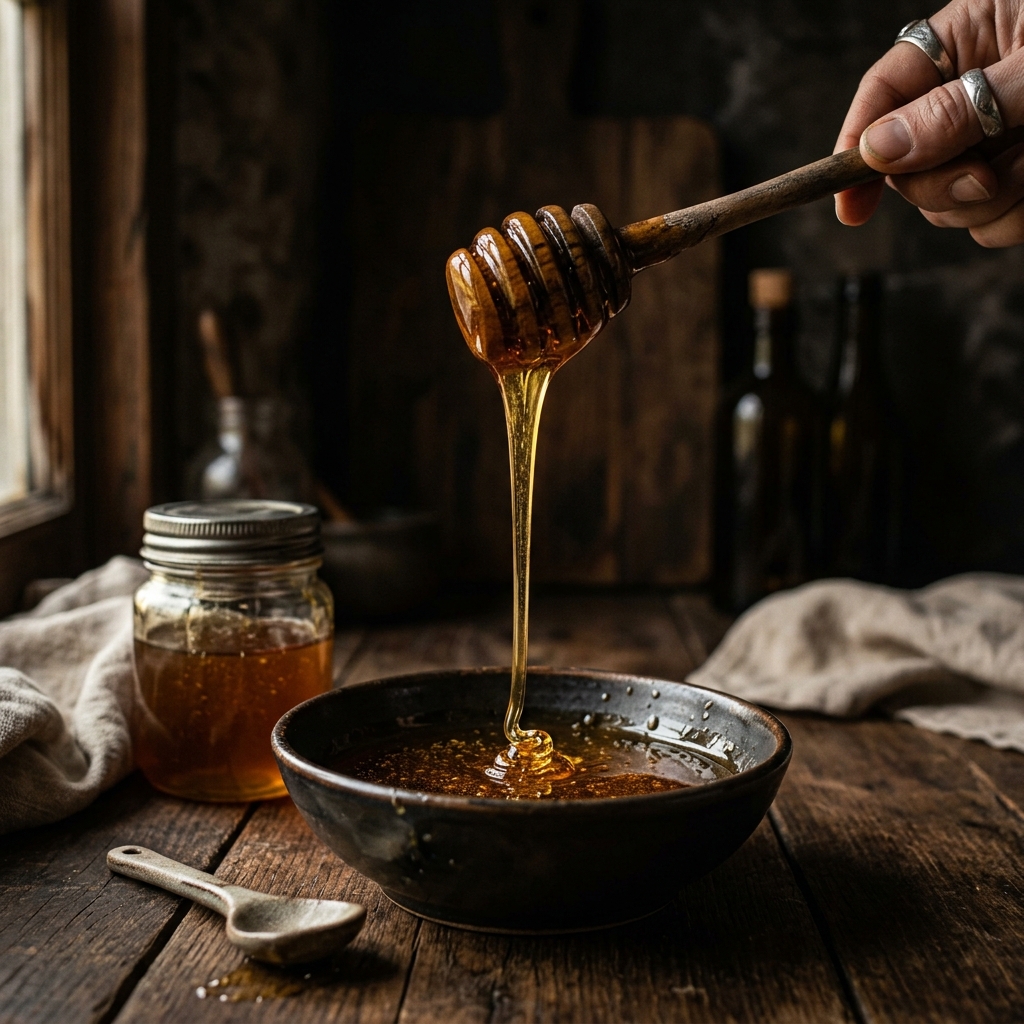
Honey
Nature's first sweetener, unchanged for millennia
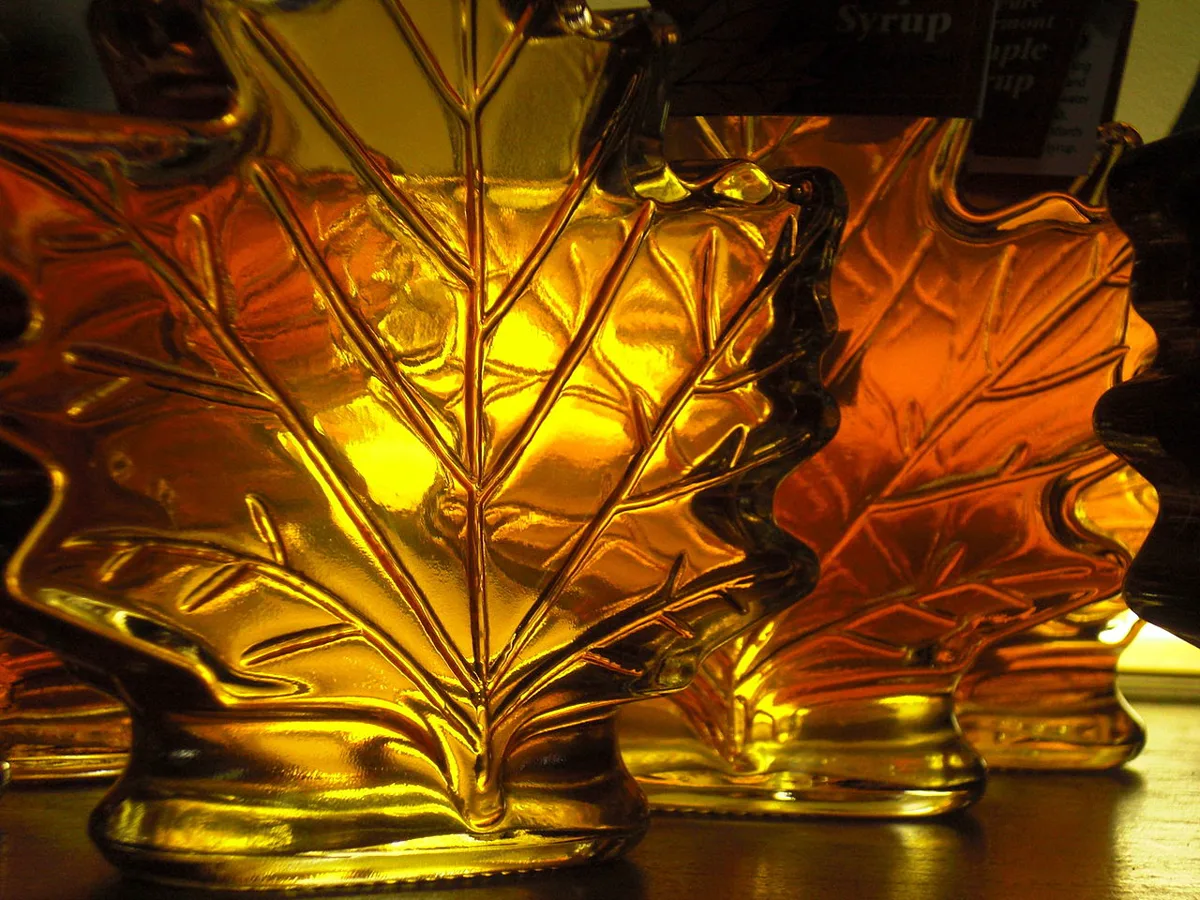
Maple Syrup
The forest sweetener born from Indigenous knowledge and spring thaw
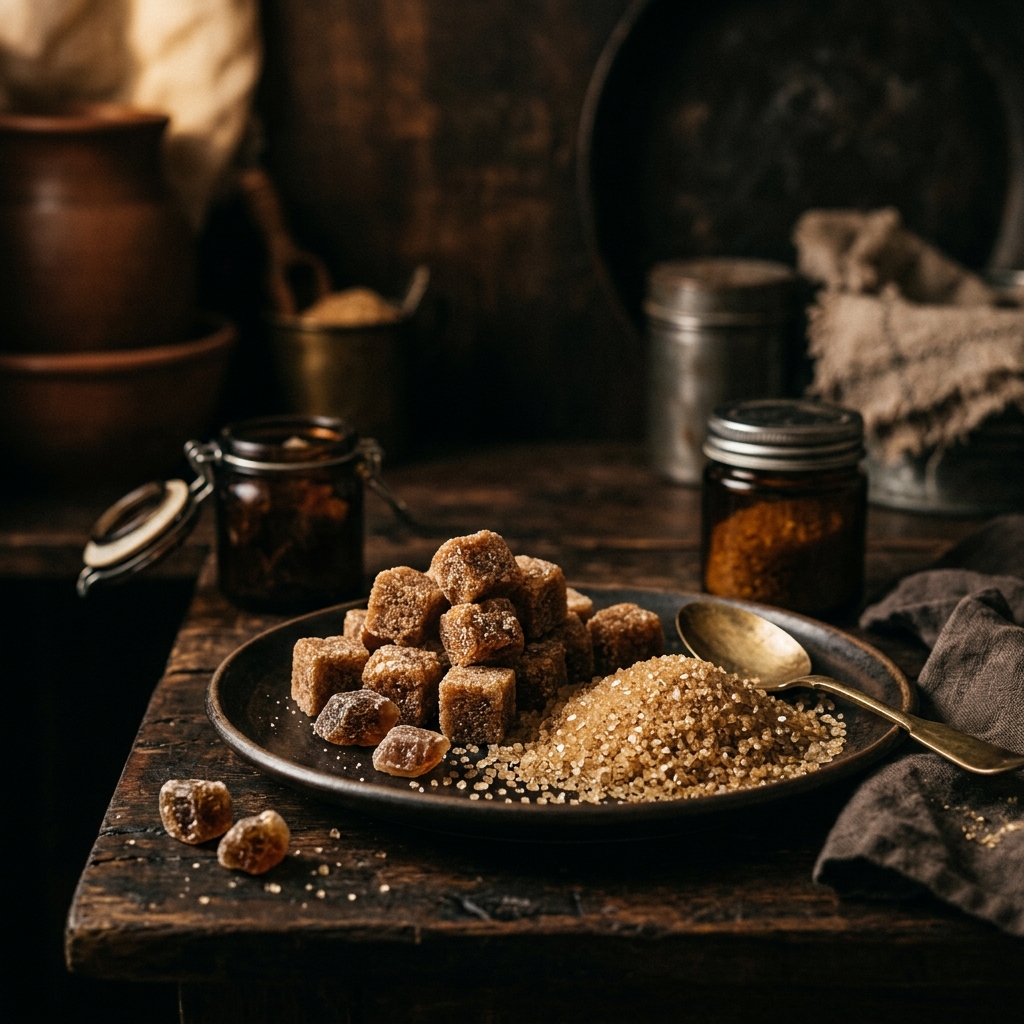
Sugar
The sweet commodity that turned cane into empire, labor, and daily habit
Comments
Community comments are coming soon. Check back later to join the discussion!