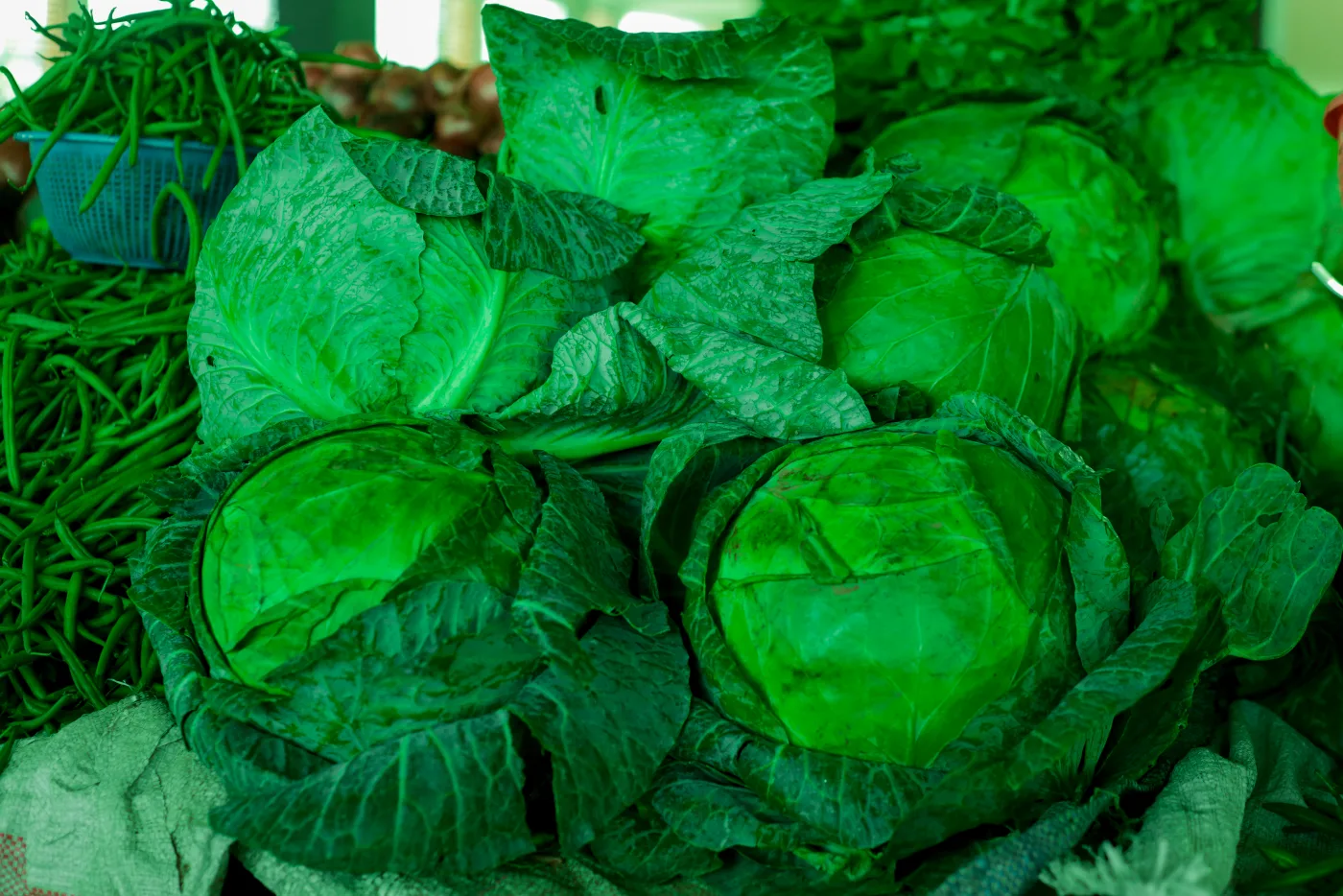
Golumpki Soup Is Trending — and It Is Polish Cabbage Roll History in a Bowl
Golumpki soup, up 95% on Pinterest in 2026, turns the Polish stuffed cabbage roll (golumpki) into a soup — a 19th-century peasant dish in a new format.
Golumpki soup, up 95% on Pinterest in 2026, is the Polish stuffed cabbage roll — golumpki — turned into a soup. Golumpki are a 19th-century Polish peasant dish of cabbage leaves stuffed with rice and meat in tomato sauce, part of a wider Eastern European stuffed-cabbage family (Ukrainian holubtsi, Jewish holishkes) built on a 4,000-year-old brassica.
What's happening
Golumpki soup is up 95% on Pinterest in 2026, per Pinterest Predicts, part of the wider Cabbage Crush [1]. The trend takes a classic Polish stuffed cabbage roll and deconstructs it into a one-pot soup — cabbage, rice, ground meat, tomato broth.
The history behind it
Golumpki (also spelled gołąbki, "little pigeons") are a Polish dish of cabbage leaves stuffed with rice and meat, simmered in tomato sauce — a 19th-century peasant format built on cheap cabbage and grains [2]. They sit in a wider Eastern European stuffed-cabbage family: Ukrainian holubtsi, Jewish holishkes and Romanian sarmale, all built on the same 4,000-year-old domesticated brassica that also produced kimchi and sauerkraut [3].
Why it matters
The food-history value is that a 2026 Pinterest soup is a 19th-century Polish peasant dish in a new format. The "new" soup is an old stuffed-cabbage roll deconstructed. For the full history of cabbage and sauerkraut, see the articles below.
How to try it
To turn golumpki into a soup, skip the rolling. Brown ground beef with onion and garlic, add chopped cabbage, rice, a little tomato sauce, and broth, and simmer until the cabbage and rice are tender. It is the same ingredients as stuffed cabbage rolls, deconstructed into a one-pot weeknight soup. A dollop of sour cream on top is traditional. For the full cabbage and sauerkraut histories, read below.
📖 Read the full history
Trend Desk notes are timely. The durable history behind each trend lives in these articles and collections.
Cabbage
The 4,000-year-old brassica domesticated from wild sea cabbage, spread by Romans and medieval farmers, and fermented into kimchi, sauerkraut, and the 2026 Pinterest Cabbage Crush
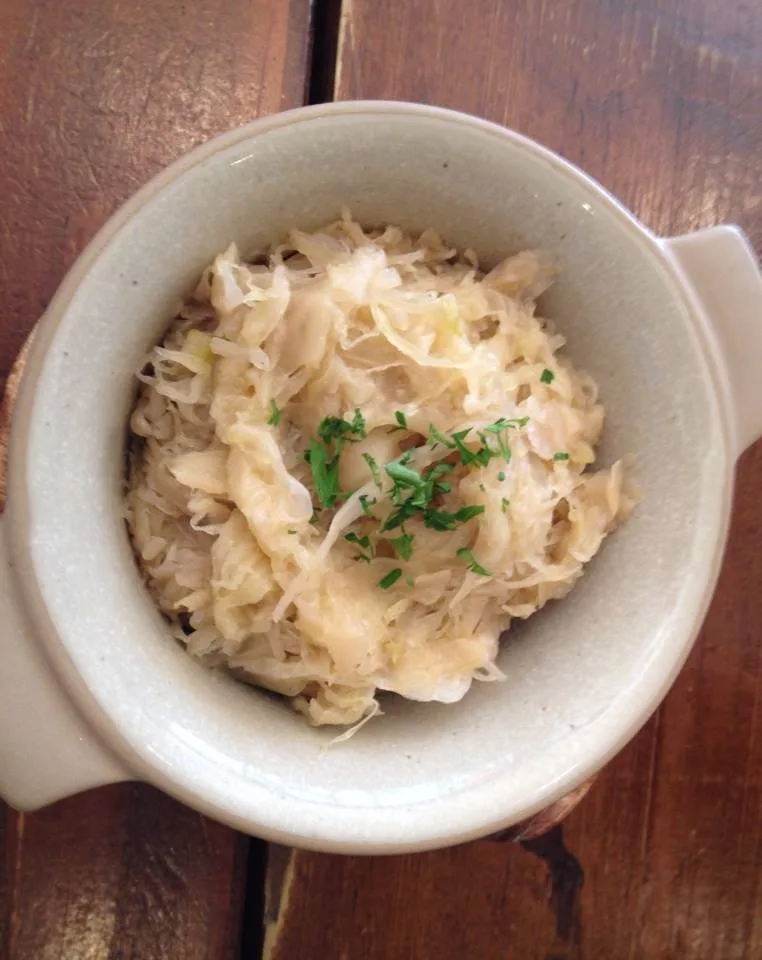
Sauerkraut
The fermented cabbage that carried salt, winter storage, and migration history
Spoiled on Purpose: Fermented Foods
Explore the full collection →
Comments
Community comments are coming soon. Check back later to join the discussion!