💡 Key Takeaways
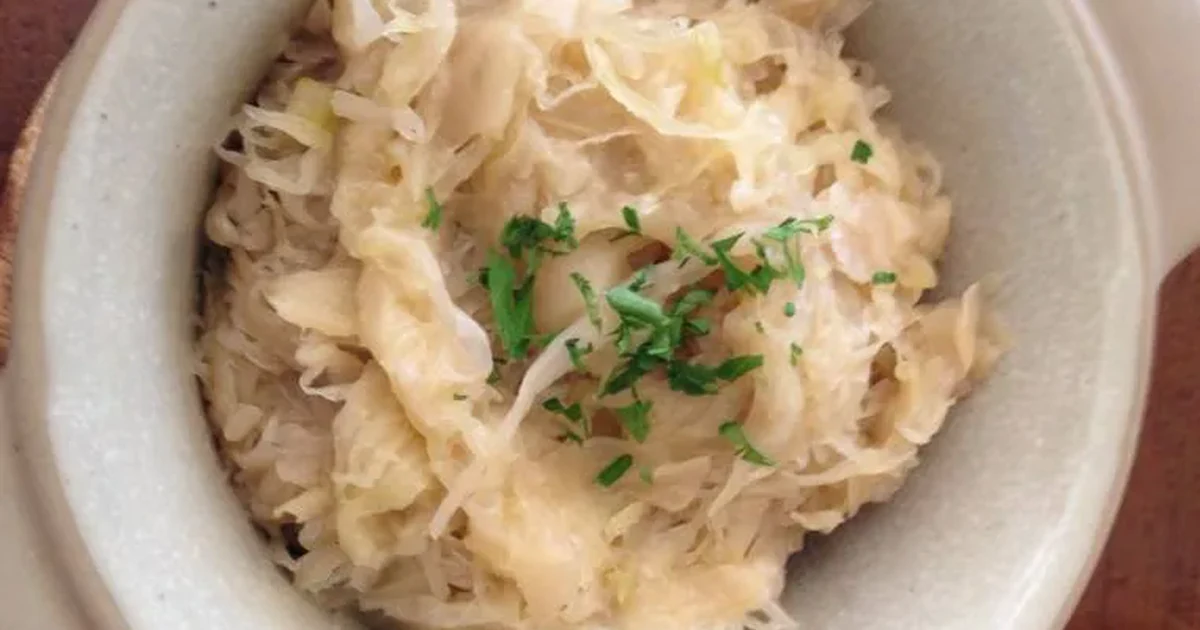
- Sauerkraut is shredded cabbage preserved by salt and lactic acid fermentation, not by vinegar pickling.
- Its historical importance comes from winter survival: cabbage, salt, brine, and microbes turned a seasonal crop into durable food.
- Sauerkraut became especially associated with Central, Eastern, German-speaking, and migrant foodways, while remaining part of a wider global cabbage-fermentation family.
Where did sauerkraut originate?
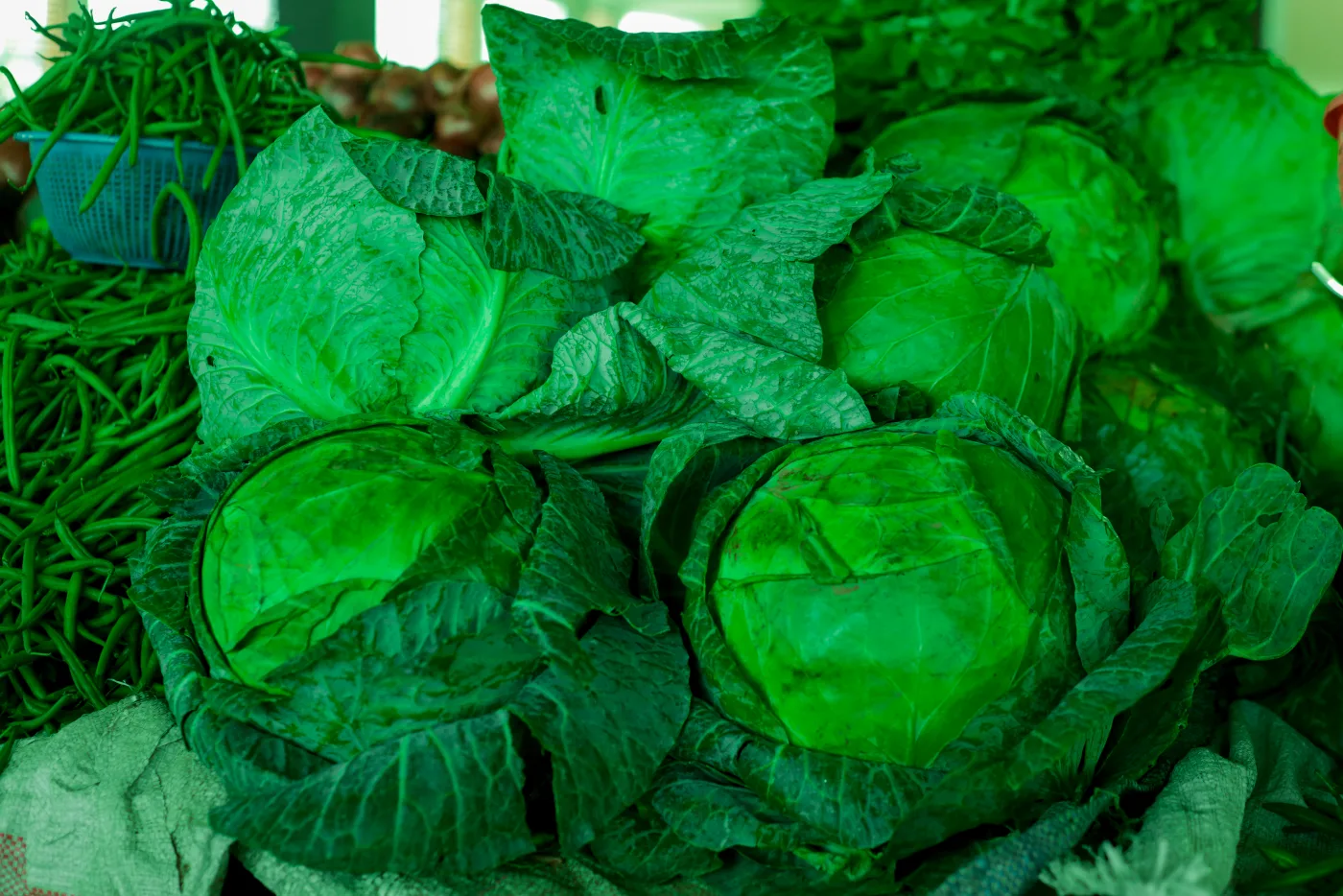
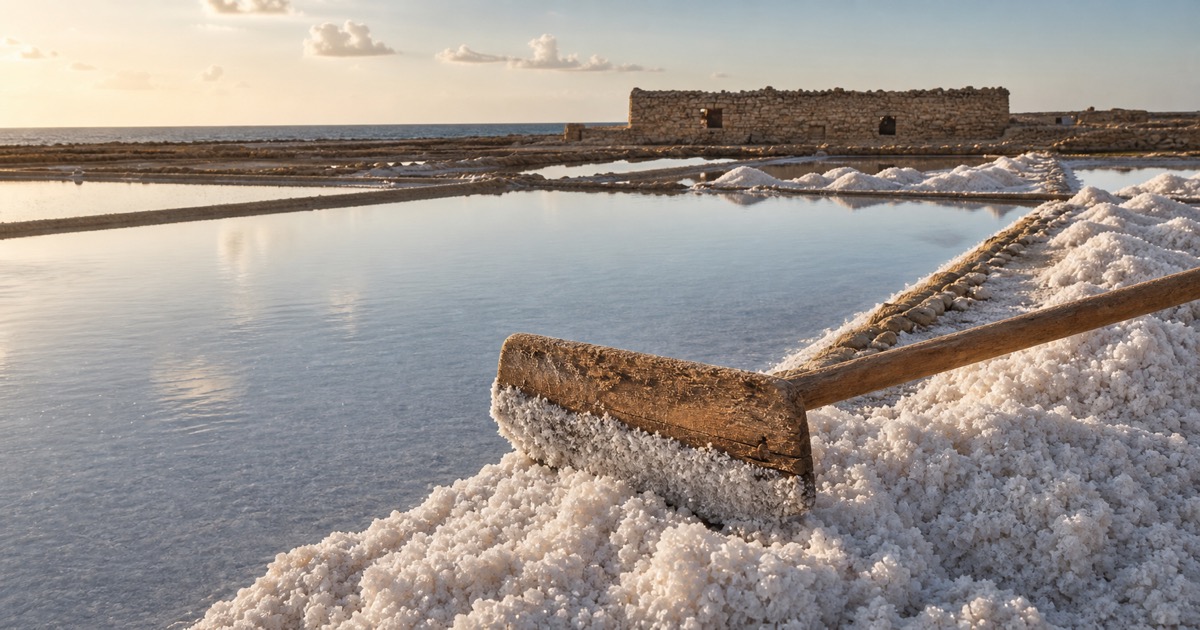
Sauerkraut is finely shredded white cabbage preserved by salt and lactic acid fermentation, a method that turns a fragile autumn crop into sour, durable winter food. Cooks mix cabbage with roughly 2-3 percent salt, pack it under its own brine, and keep oxygen away. Salt pulls liquid and sugars from the leaves, while naturally present lactic acid bacteria, especially Leuconostoc and Lactobacillus species, lower the pH and make the cabbage resistant to spoilage [1][2]. Historically, that mattered across Central and Eastern Europe because cabbage grew well in cool climates, stored imperfectly when fresh, and supplied acidity, flavor, and nutrients during months when gardens were dormant. Sauerkraut is not cabbage pickled in vinegar. Its sourness is made by microbes, time, salt, and the carbohydrates already inside the vegetable.
No single inventor story is strong enough to carry sauerkraut history responsibly. Salted and fermented vegetables appear in many societies, and cabbage itself belongs to a broad European Brassica tradition. Sauerkraut is best understood as a cold-climate European preservation system that became especially visible in German-speaking, Central European, Slavic, Baltic, and Balkan foodways.
Cabbage, Salt, and Winter Storage
The historical power of sauerkraut came from a simple agricultural equation: cabbage was abundant after harvest, salt was costly but durable, and winter demanded food that could survive without fresh fields. Fermentation solved that problem. A household could shred or pound cabbage, salt it, weigh it under brine, and let microbes do the preservation work in barrels, crocks, cellars, or cool storage rooms [4].
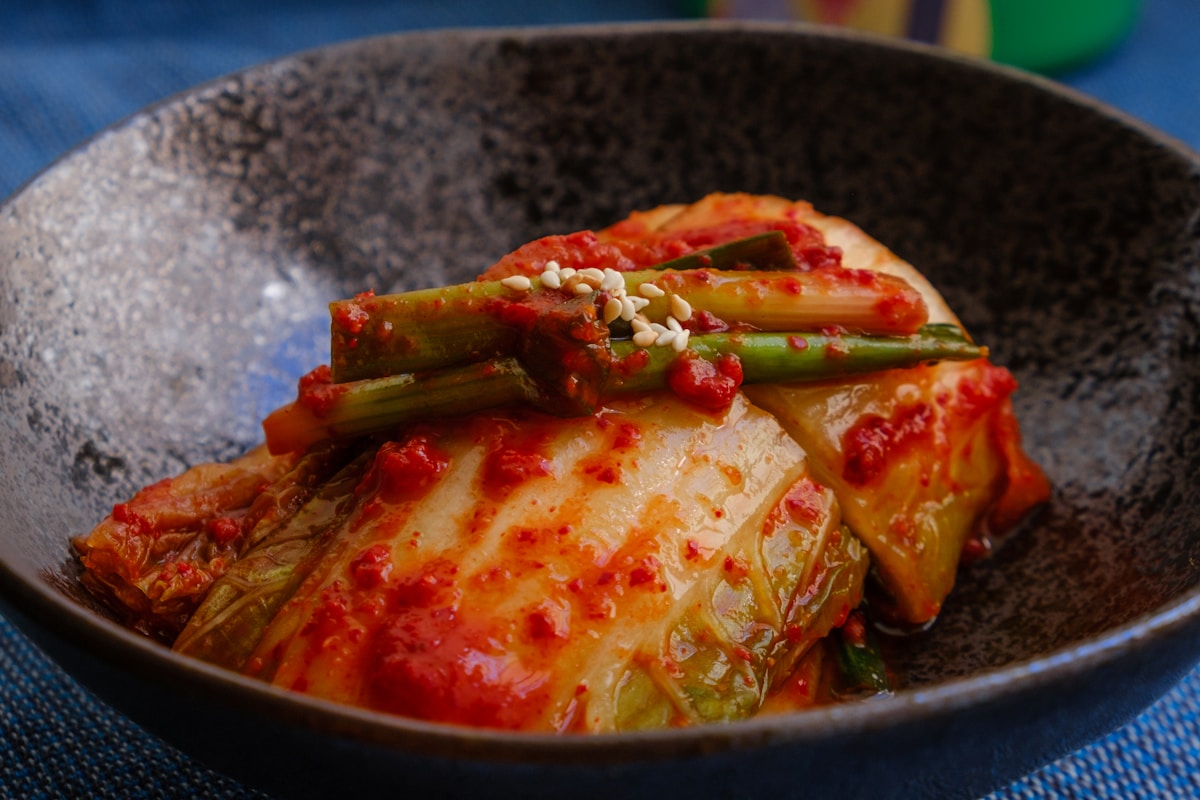
That system links sauerkraut directly to other preservation foods on the site. Like kimchi, it turns cabbage into a living sour food through lactic fermentation. Like miso and gochujang, it depends on controlled microbial transformation rather than quick seasoning. Like sourdough, it makes microbial time part of household food craft. Like vinegar, it uses acidity to protect food, but the acid is produced during fermentation rather than poured in from a separate sour liquid.
European Foodways and Migration
Sauerkraut is often labeled German, and the German word became the English name, but the food is wider than Germany. Alsace has choucroute garnie, Poland has kapusta kiszona, Ukrainian and Russian kitchens use kvashena kapusta, and Balkan cooks preserve whole cabbage heads or shredded cabbage for winter dishes. The exact seasoning changes by region: caraway, juniper, apple, wine, pork, smoked sausage, potatoes, and dumplings all appear in different local traditions.
Migration carried sauerkraut outward. German-speaking and Central European communities brought it to North America, where it became associated with Pennsylvania Dutch cooking, delicatessens, sausages, hot dogs, and later the Reuben sandwich. Jewish, Polish, Ukrainian, and other immigrant cuisines also kept sour cabbage in soups, fillings, and braises. In that sense, sauerkraut is not just a side dish; it is a record of movement, adaptation, and winter memory.
Fermentation Science
Sauerkraut fermentation usually begins with bacteria that tolerate salt and low oxygen. Early organisms help start acid production, then more acid-tolerant lactic acid bacteria continue the process until the brine becomes sour enough to stabilize the cabbage [1]. Temperature, salt level, cabbage freshness, and oxygen exposure all affect texture and flavor.
This is why good sauerkraut tastes layered rather than merely sharp. Early fermentation can smell fresh and vegetal. Later fermentation brings deeper sourness, softer texture, and more complex aroma. If the cabbage is too warm, too salty, too dry, or exposed to air, fermentation can become uneven. Traditional practice developed careful rules before microbiology explained them: use clean vessels, enough salt, enough pressure, and enough patience.
How is sauerkraut used today?
Today, sauerkraut sits in several worlds at once. It is a traditional winter food beside sausages, pork, potatoes, pierogi, dumplings, and rye bread. It is a supermarket staple sold in jars, cans, bags, and refrigerated tubs. It is also part of the modern fermentation revival, where home cooks keep crocks on counters and compare brine levels, cabbage varieties, and sourness.
For this publication, sauerkraut matters because it completes an important fermentation bridge. Kimchi shows Korean vegetable fermentation with chili, seafood, and kimjang culture. Gochujang and miso show fermented paste traditions built around grains and soybeans. Sauerkraut shows the European cabbage-and-salt version of the same deeper human strategy: use microbes to carry harvests through time.
In the news
Recent 2026 food-culture notes that reference this article.
Historical Timeline
European communities preserve cabbage and other vegetables with salt, drying, storage pits, and souring methods before sauerkraut is standardized as a named food
Salted fermented cabbage becomes established in cold-climate European foodways where winter vegetable storage is essential
German-speaking, Central European, Slavic, Jewish, and migrant communities carry sauerkraut traditions across Europe and to the Americas
Fermented cabbage is used as a practical shipboard food in European maritime contexts because it stores well and helps diversify sailors' diets
Industrial canning, refrigeration, and renewed fermentation culture make sauerkraut both a supermarket food and a home-fermentation staple
Evidence Explorer
Review the Source Trail
Inspect the article sources, scoped review credits, and copyable citation details without leaving the page.
Sources Listed
Comments
Community comments are coming soon. Check back later to join the discussion!