Food history collection
Spoiled on Purpose: The Rotten Foods We Secretly Obsess Over
Fermentation is one of humanity's oldest food technologies. It preserved cabbage through winter, turned milk into yogurt and cheese, made grain into bread and beer, and gave East Asian kitchens the deep savory power of miso, gochujang, and other aged seasonings.
Vegetables, Salt, and Winter Survival
Cabbage, salt, and controlled souring turned seasonal harvests into winter food. This branch links Korean kimchi, Central European sauerkraut, vinegar preservation, and the older economics of salt.
 dishes
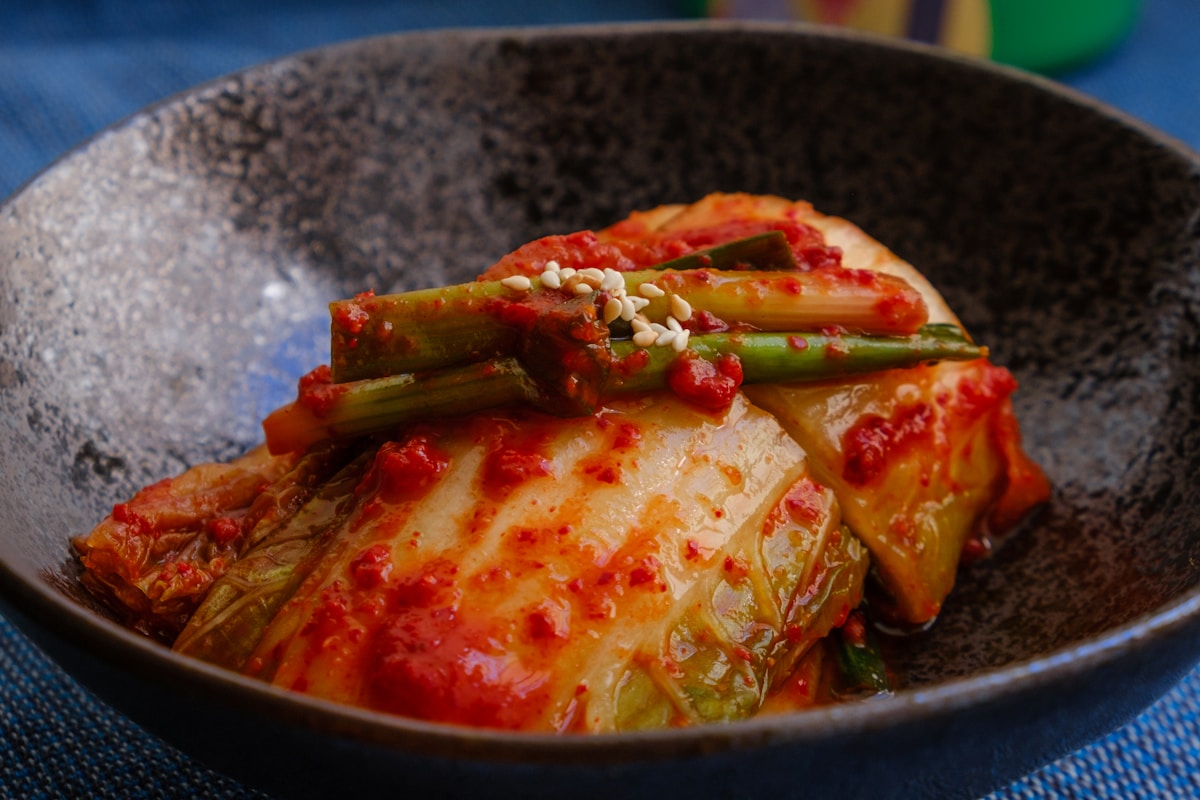
Kimchi
The fermented Korean staple that turned preservation into identity
 ingredients
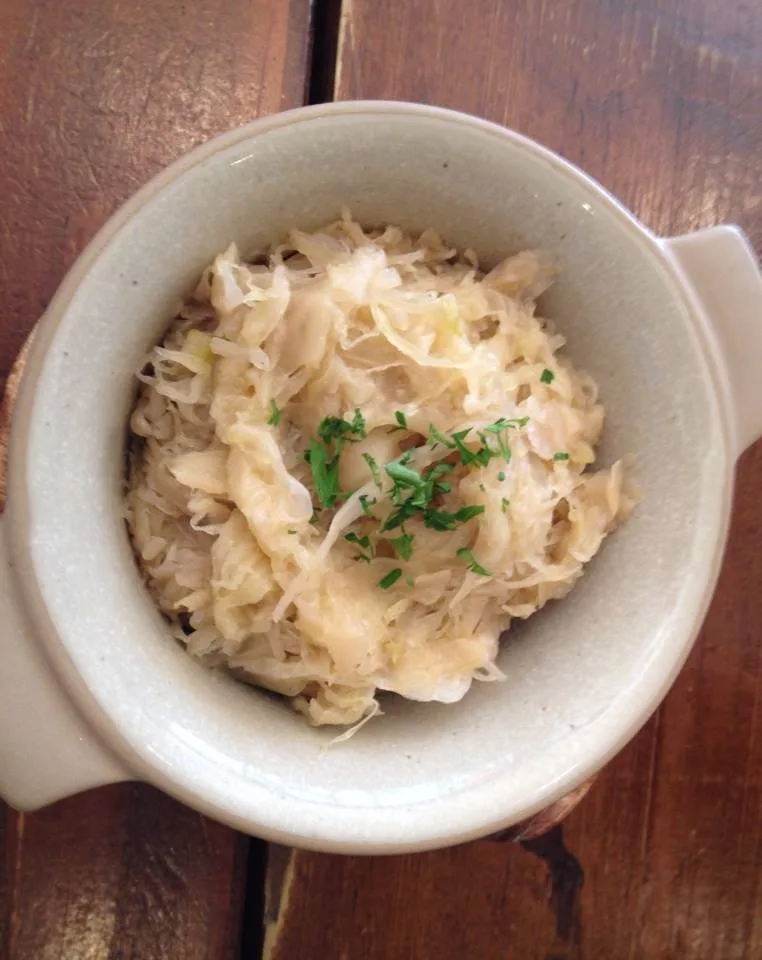
Sauerkraut
The fermented cabbage that carried salt, winter storage, and migration history
 ingredients
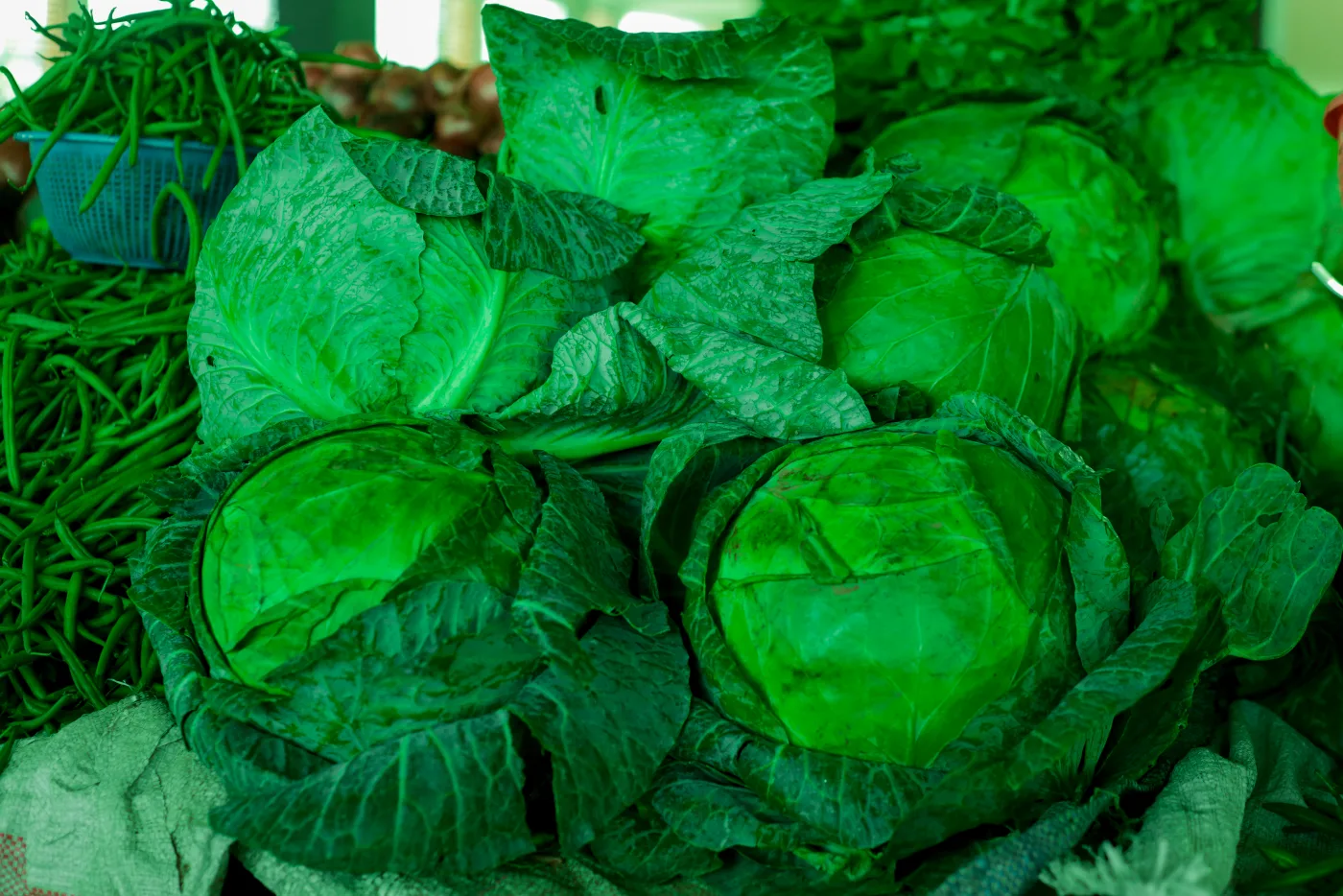
Cabbage
The 4,000-year-old brassica domesticated from wild sea cabbage, spread by Romans and medieval farmers, and fermented into kimchi, sauerkraut, and the 2026 Pinterest Cabbage Crush
 ingredients
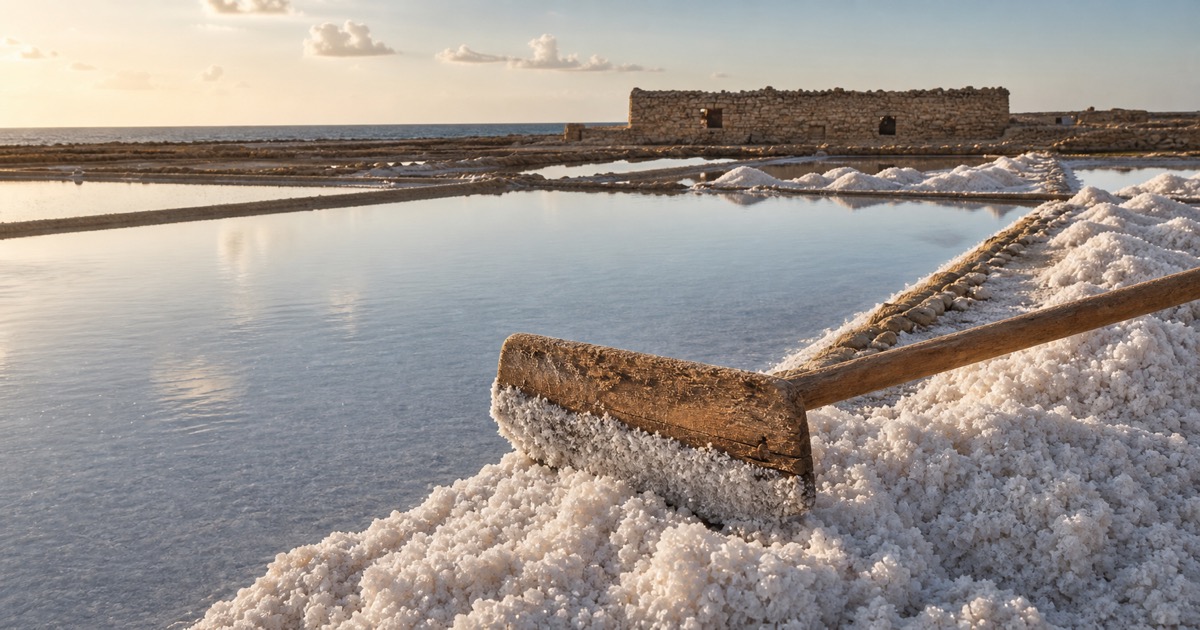
Salt
The mineral that turned food preservation, caravan trade, and state control into power across centuries
 ingredients
Vinegar
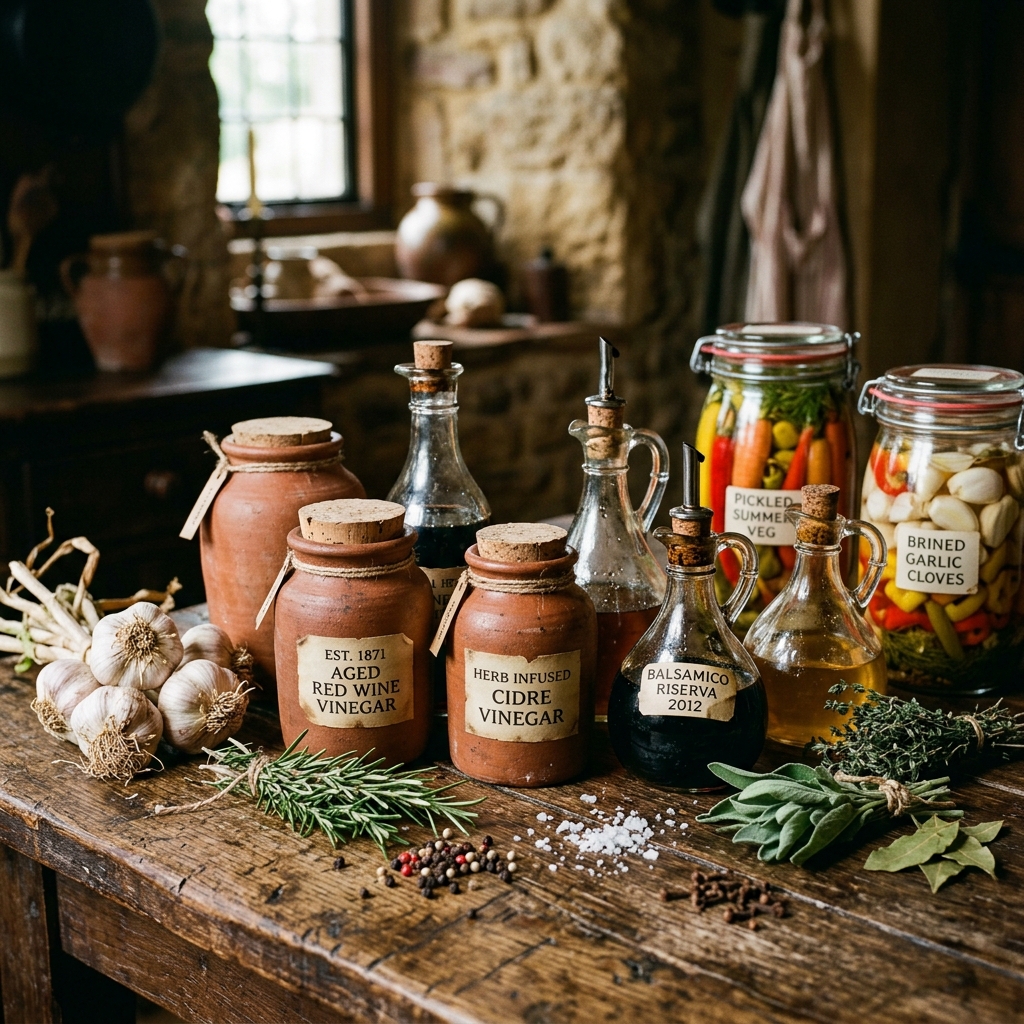
The sour servant of preservation and flavor
Soybeans, Koji, and East Asian Umami
East Asian fermentation made legumes, grains, salt, molds, and aging vessels into concentrated flavor systems. Miso, soy sauce, and gochujang connect soybeans, rice, chili peppers, and the wider history of fermented pantry staples.
 ingredients
Miso
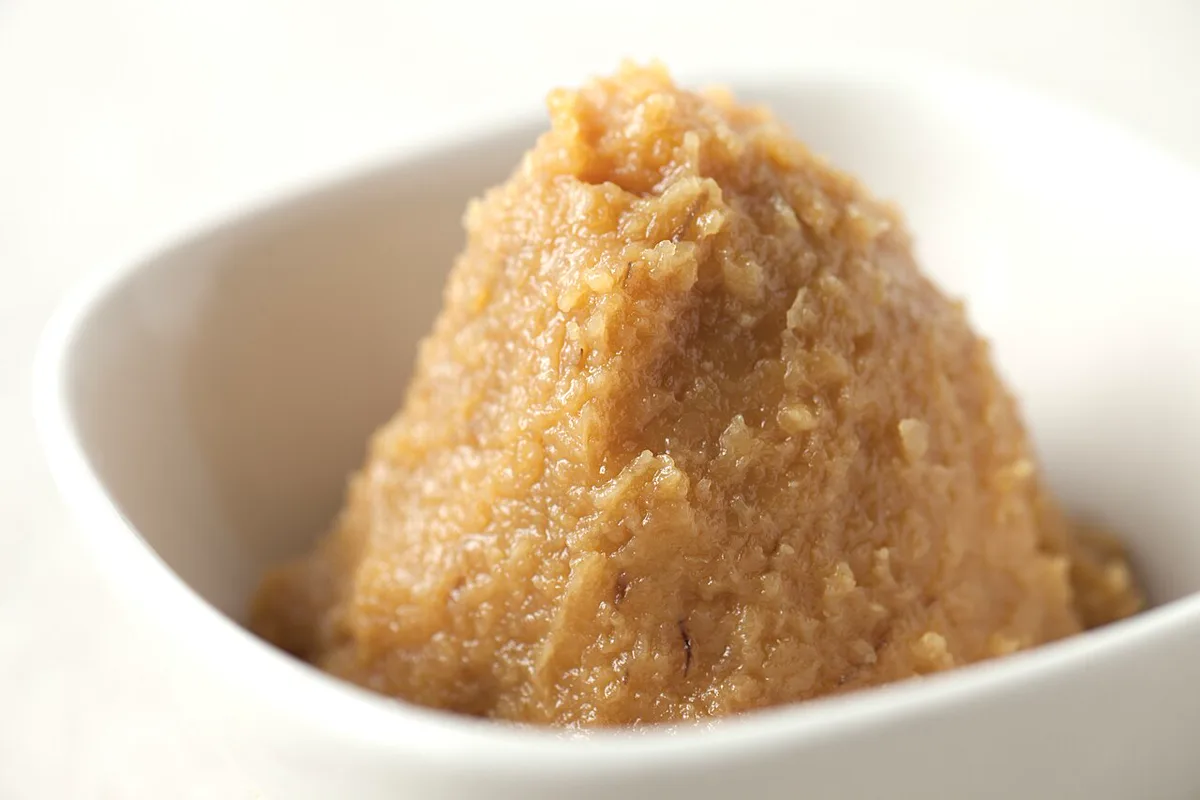
The fermented soybean paste that gave Japan a language of umami
 ingredients
Soy Sauce
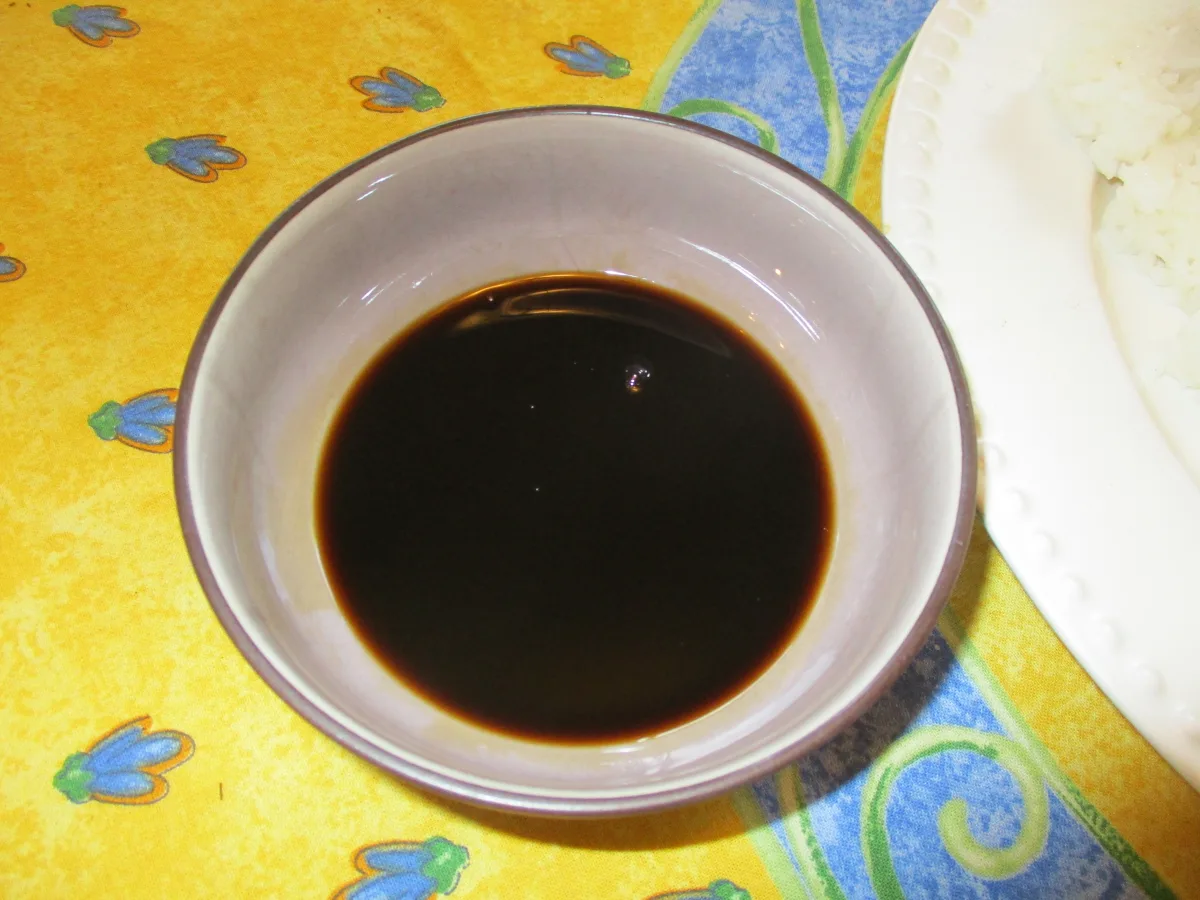
The fermented seasoning that carried East Asian umami across the world
 ingredients
Gochujang
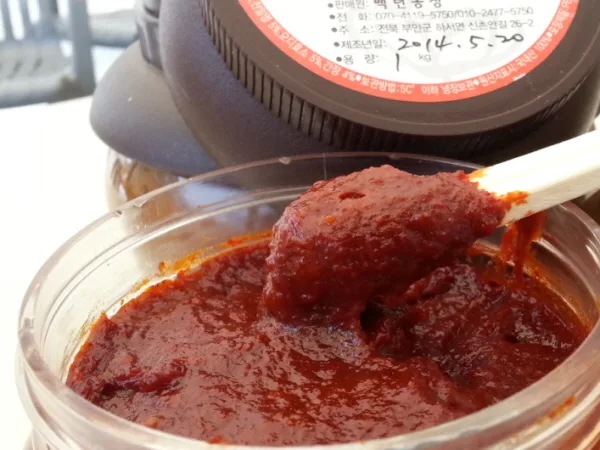
Korea's fermented chili paste that fused old jang traditions with New World heat
 ingredients
Soybean
The East Asian legume behind tofu, soy sauce, miso, and doenjang — and the world's most important oilseed and plant-protein crop
 ingredients
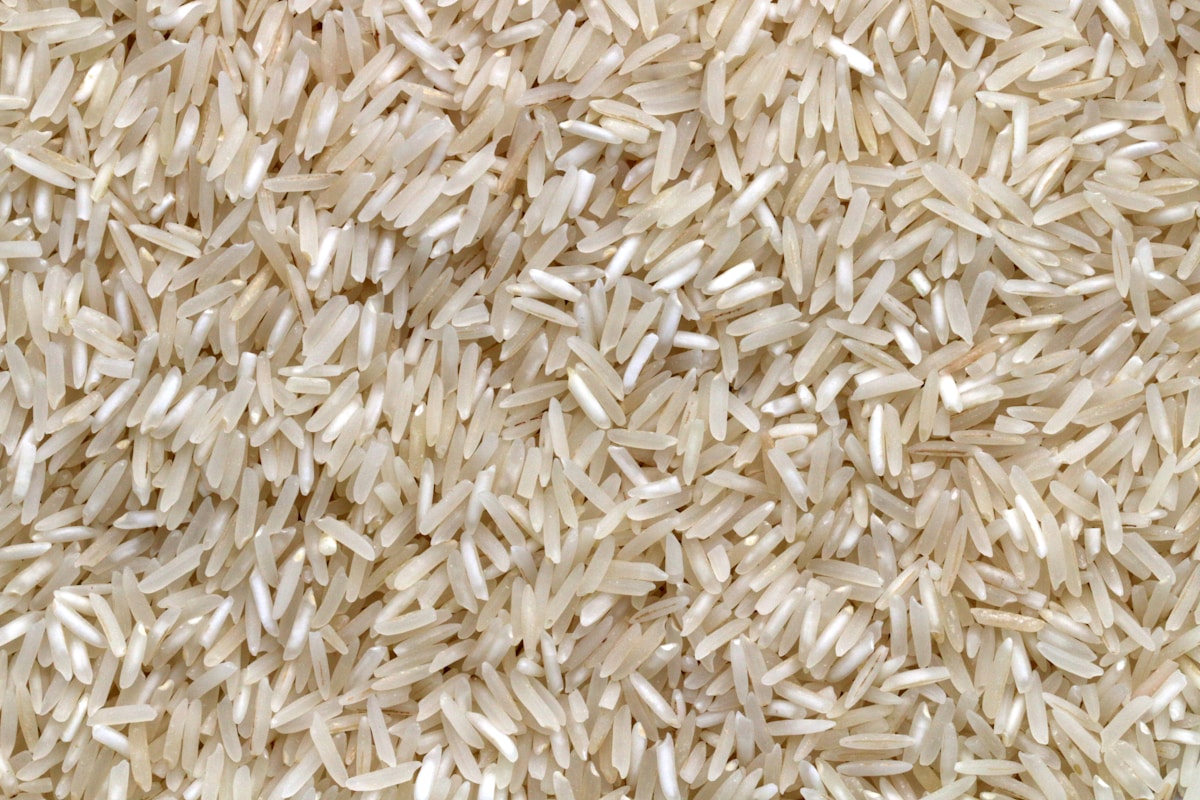
Rice
The grain that feeds half the world
 ingredients
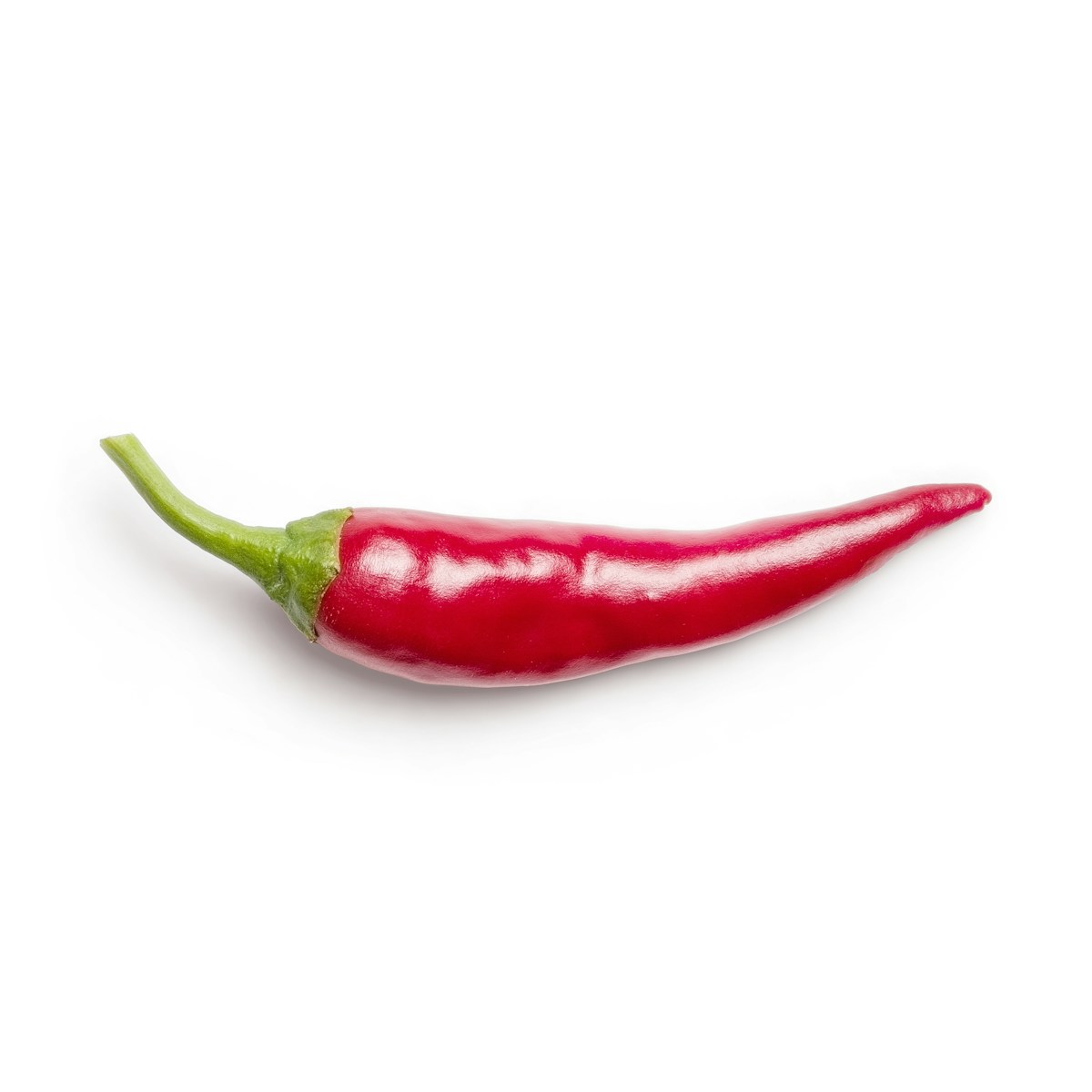
Chili Pepper
The fiery fruit that ignited global cuisine
Milk, Grain, and Everyday Fermentation
Fermentation also transformed milk, grain, and fish into foods that stored longer, tasted deeper, and fed large communities: yogurt, cheese, bread, sourdough, beer, and Roman garum.
 ingredients
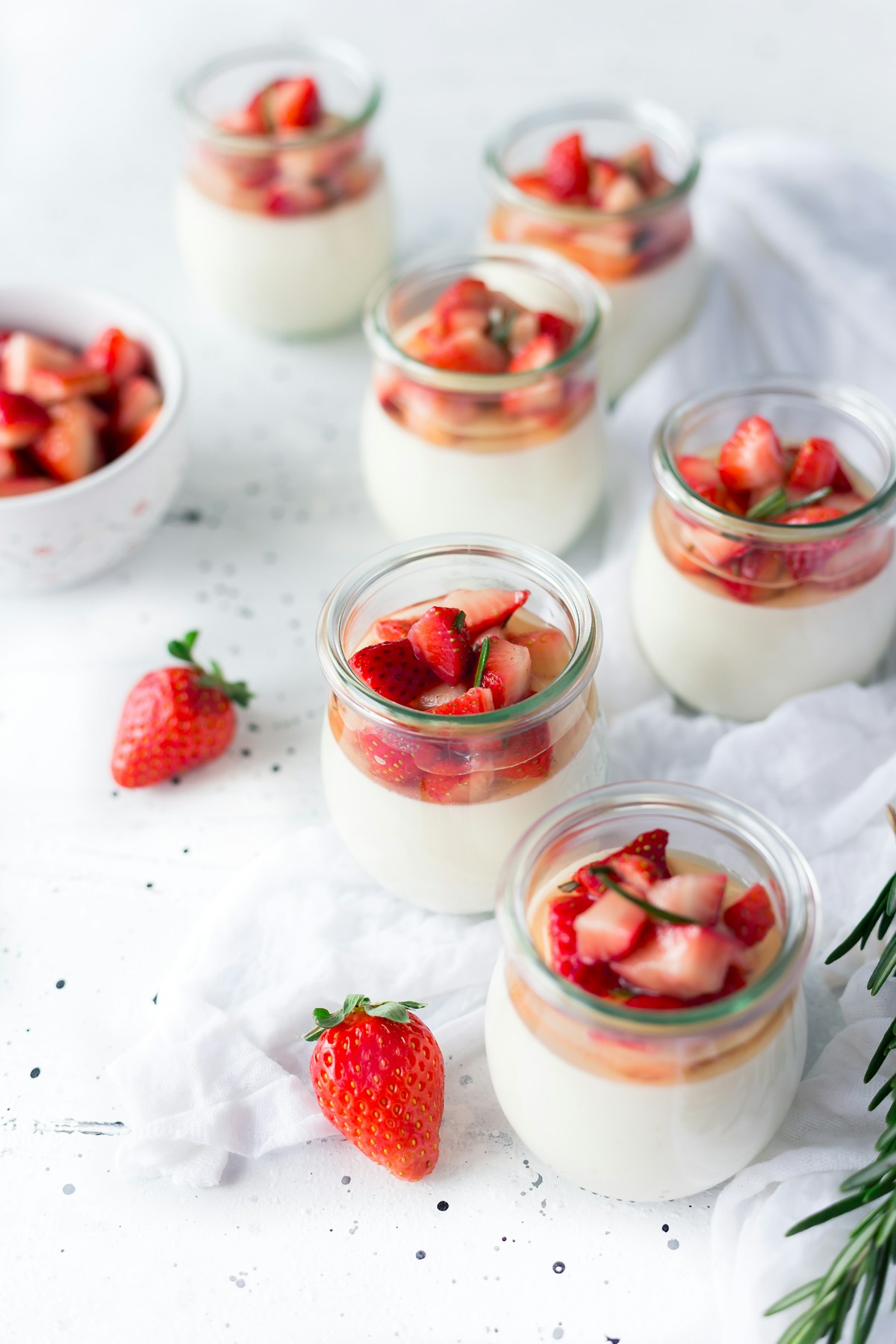
Yogurt
The fermented milk that fed nomads, empires, and modern wellness culture
 ingredients
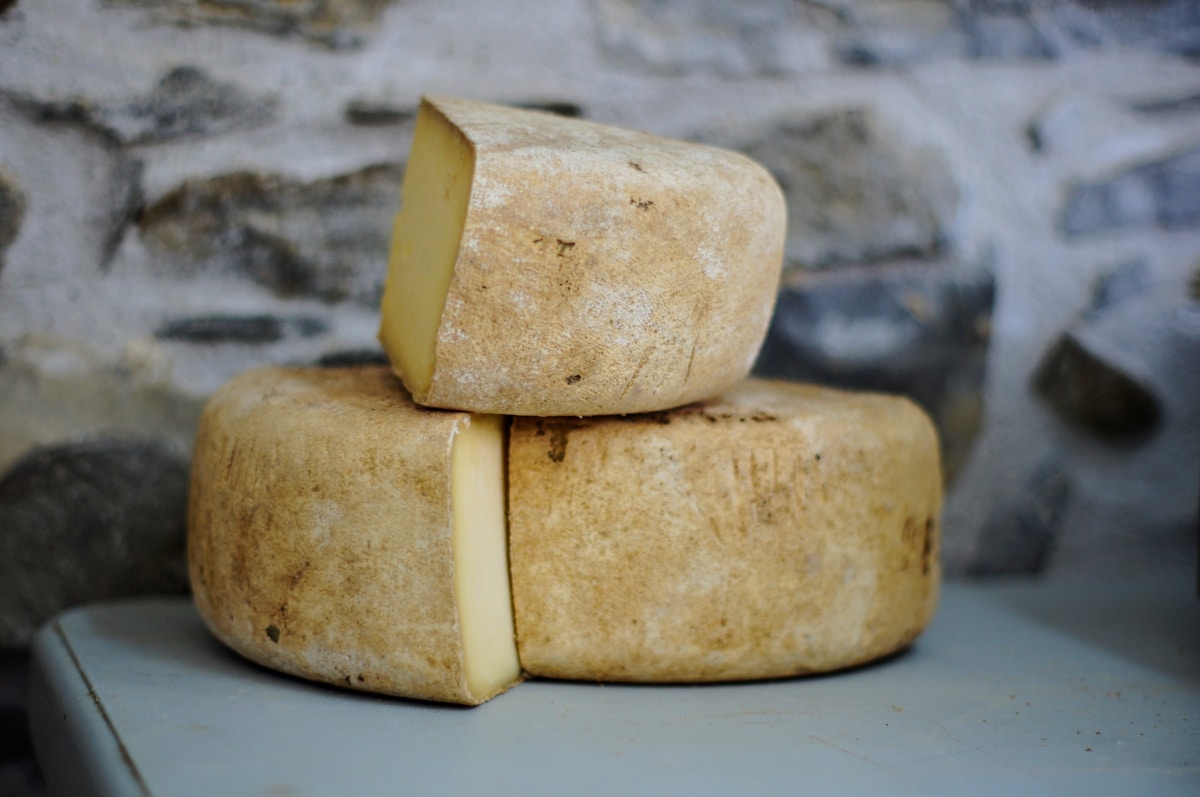
Cheese
The milk-preserving food technology that turned curds, whey, salt, microbes, and local craft into thousands of regional cheeses
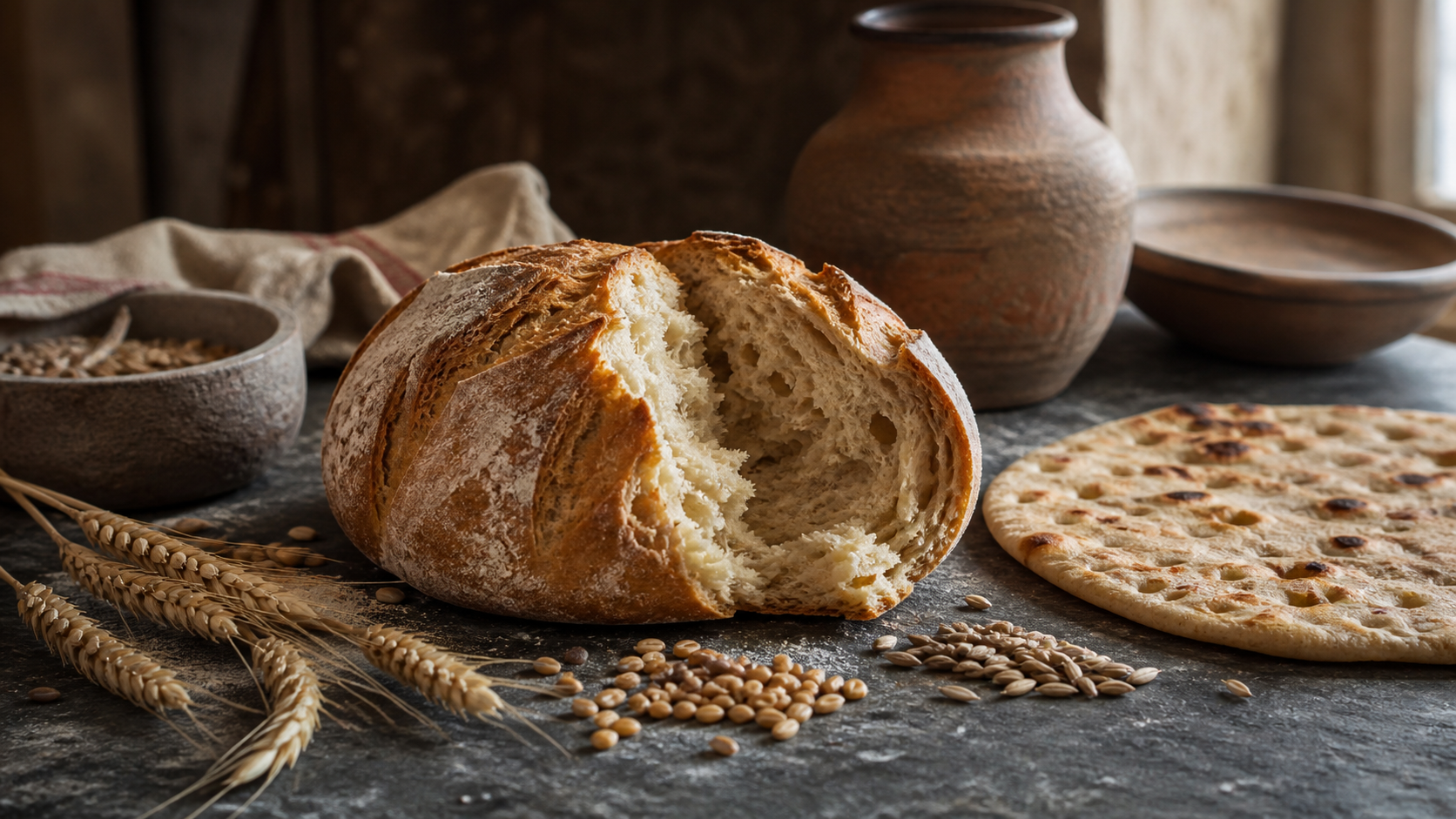 ingredients
Bread
The staff of life that built civilizations
 dishes
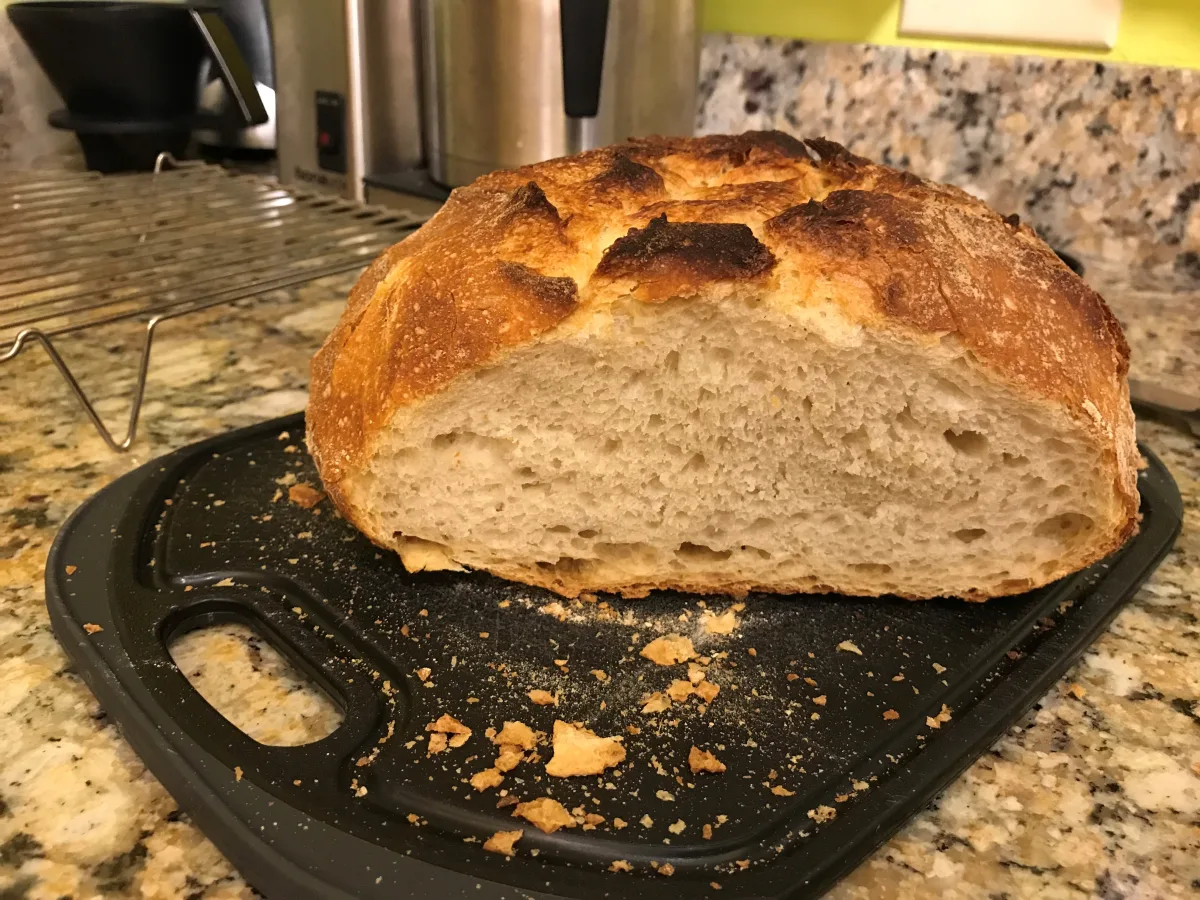
Sourdough
The living bread culture that turned flour, water, wild yeast, and bacteria into flavor, preservation, and craft
 drinks
Beer
The ancient brew that may have started agriculture
 ingredients
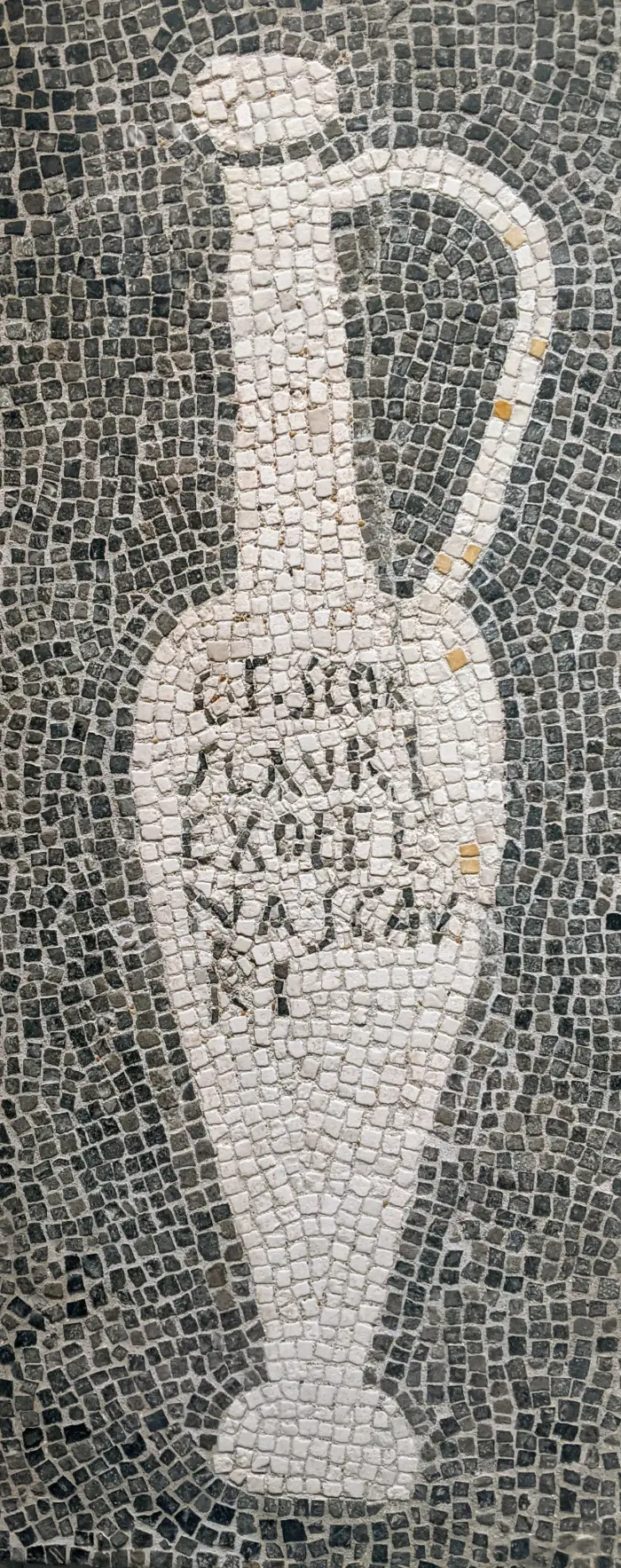
Garum
The fermented fish sauce that flavored Rome and moved through Mediterranean trade
Modern Comfort Foods Built on Fermentation
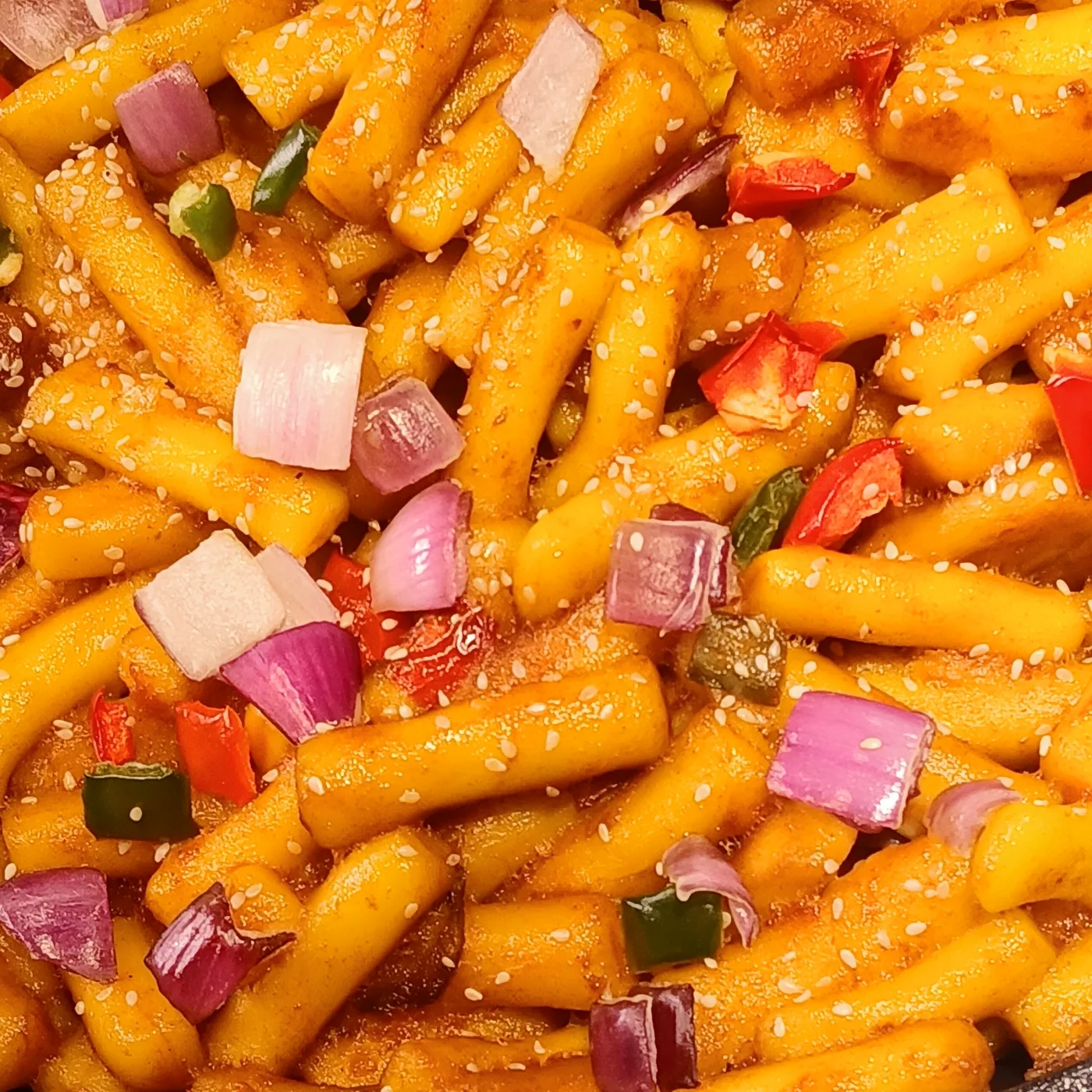
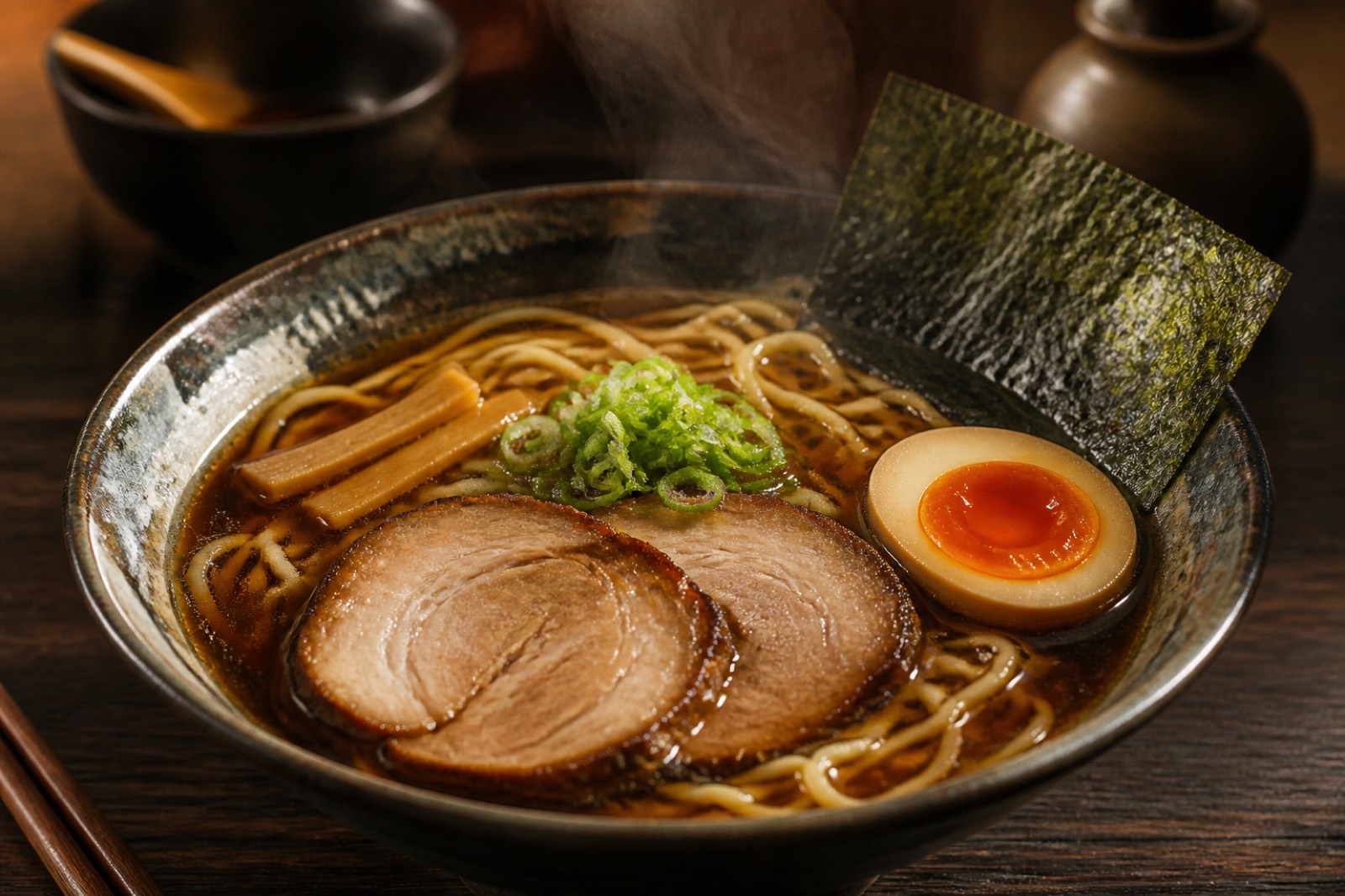
Some modern comfort foods depend on older fermented foundations. Tteokbokki uses gochujang, ramen often builds on miso or soy-based tare, and kimchi remains both side dish and flavor engine.
 dishes
Tteokbokki
The Korean rice-cake street food that turned gochujang into comfort
 dishes
Ramen
The wheat-noodle soup that Japan remade from Chinese restaurant food into a national, then global, staple
ingredientsGochujang
Korea's fermented chili paste that fused old jang traditions with New World heat
ingredientsMiso
The fermented soybean paste that gave Japan a language of umami
dishesKimchi
The fermented Korean staple that turned preservation into identity
Cultured Milk Across Regions
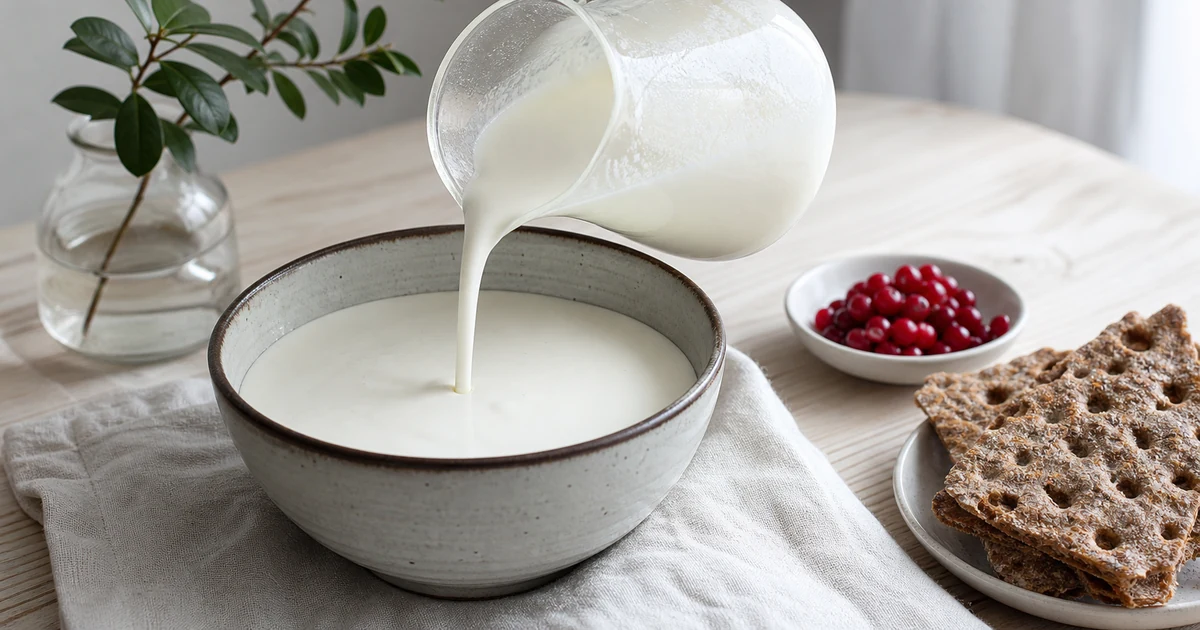
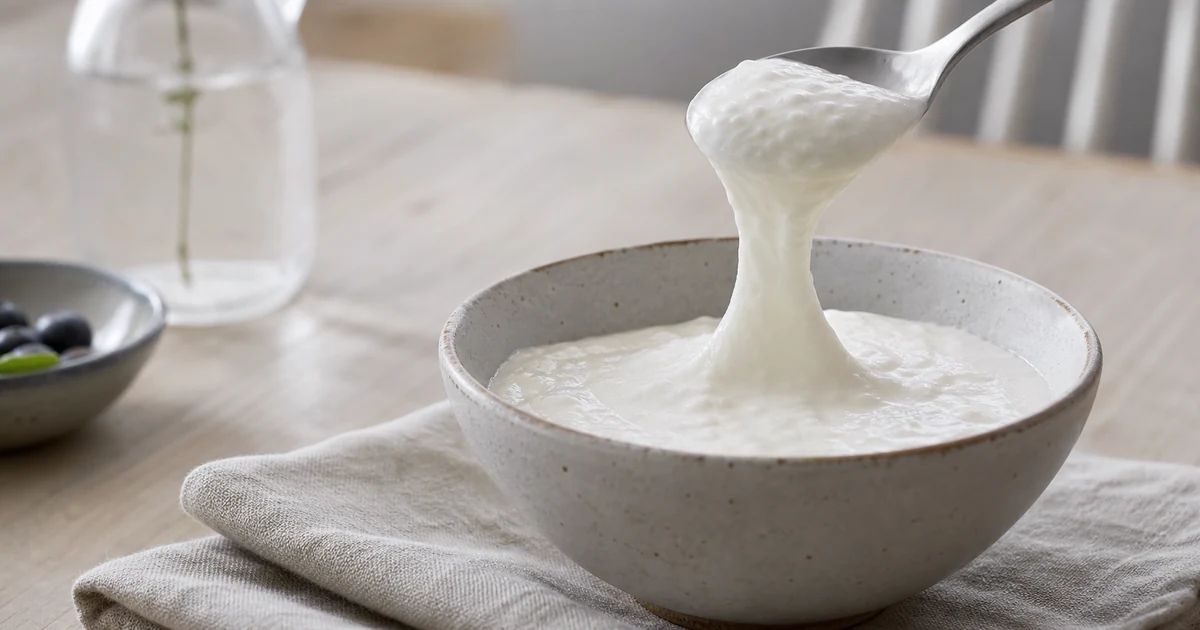
Filmjölk, viili, and related dairy cultures show how households used cool fermentation, starter transfer, straining, and local milk systems to build distinctive everyday foods.
 drinks
Filmjölk
How mesophilic bacteria, cool farm dairies, household starters, industrial cartons, and breakfast culture shaped Sweden’s pourable sour milk
 ingredients
Viili
How household starter transfer, cool fermentation, surface mold, dairy science, and Finnish identity preserved a uniquely elastic milk culture
ingredientsYogurt
The fermented milk that fed nomads, empires, and modern wellness culture
ingredientsCheese
The milk-preserving food technology that turned curds, whey, salt, microbes, and local craft into thousands of regional cheeses
Fermented Grain, Batter, and Bread
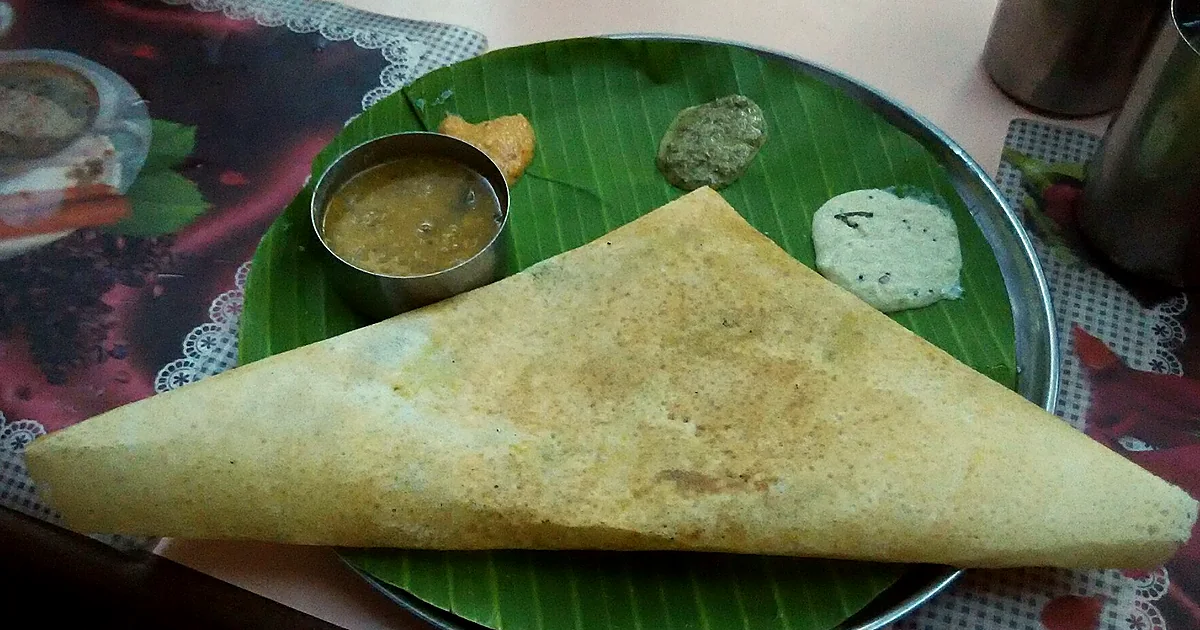
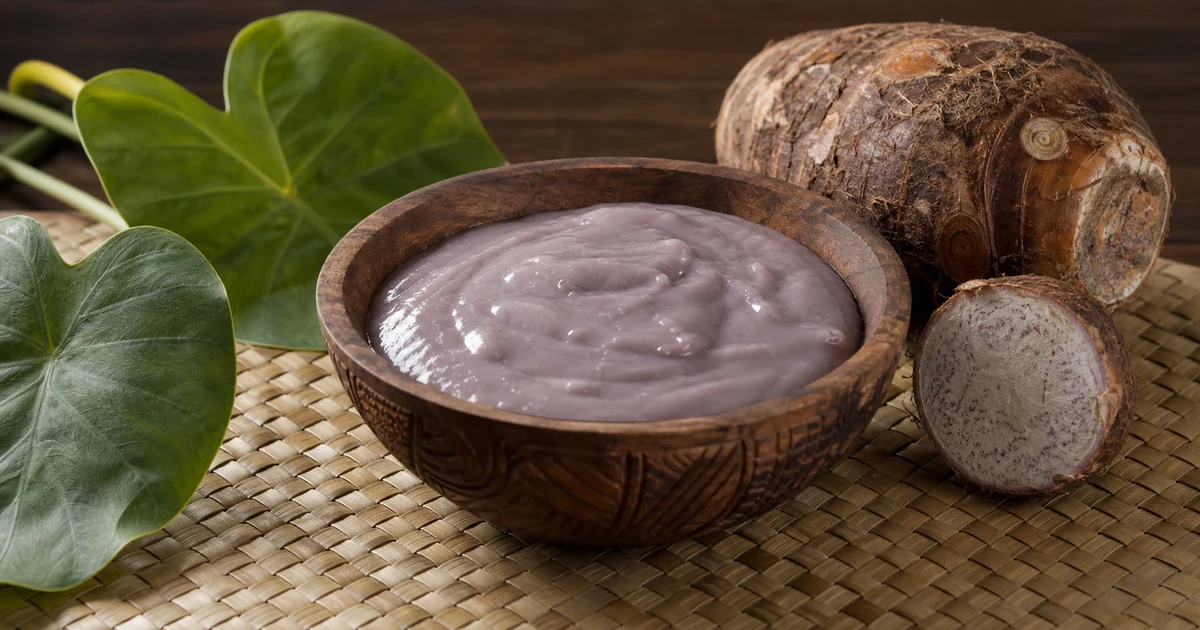
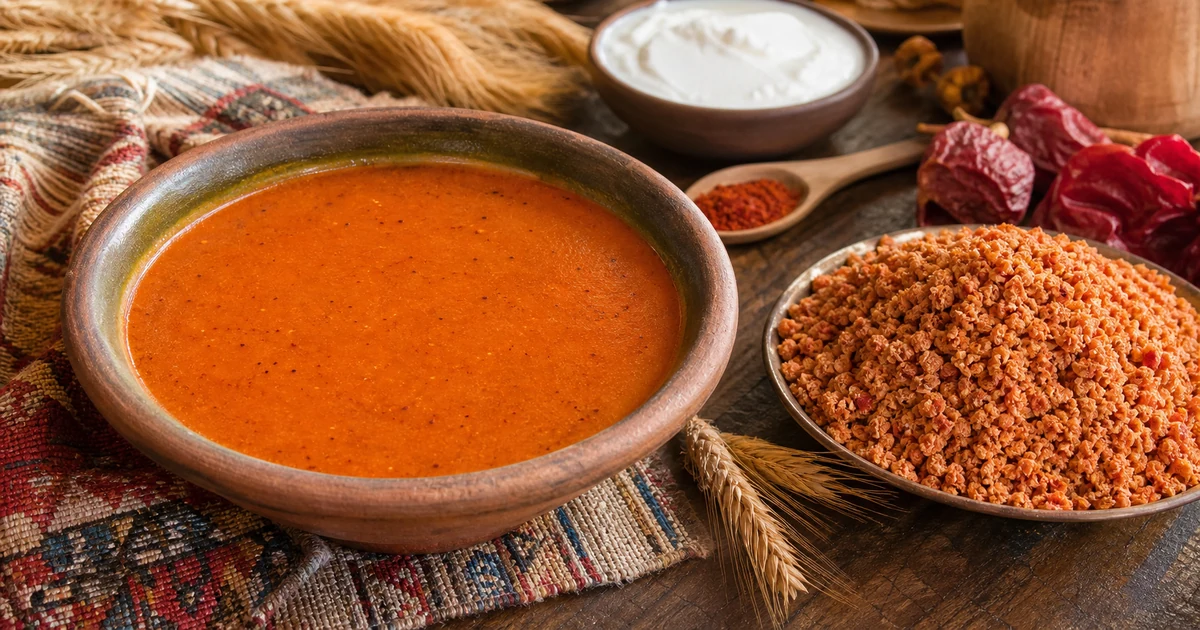
Idli, dosa, injera, appam, poi, and tarhana connect fermentation with rice, pulses, teff, taro, dairy, griddles, steam, drying, and shared meals.
 dishes
Idli
How grain-legume fermentation, grinding, steam, temple towns, migration, and modern appliances shaped one of South India’s most adaptable foods
dishesDosa
How rice, urad dal, fermentation, griddle skill, restaurant migration, and regional variation built a food far older than the masala dosa brand
 dishes
Injera
How an ancient grain, sour batter, clay griddles, communal eating, migration, and grain substitution created bread that is also plate and utensil
 dishes
Appam
How rice batter, toddy or yeast, coconut, curved pans, Christianity, trade, and migration shaped a lacy-edged bread across Kerala and Sri Lanka
 dishes
Poi
How steamed taro, pounding, water, microbial change, land systems, dispossession, and revival shaped a foundational Native Hawaiian food
 dishes
Tarhana
How wheat, yogurt, vegetables, fermentation, sun drying, pastoral dairy, winter storage, and regional names created an instant soup before industry
Seeds, Soy, and Concentrated Seasoning
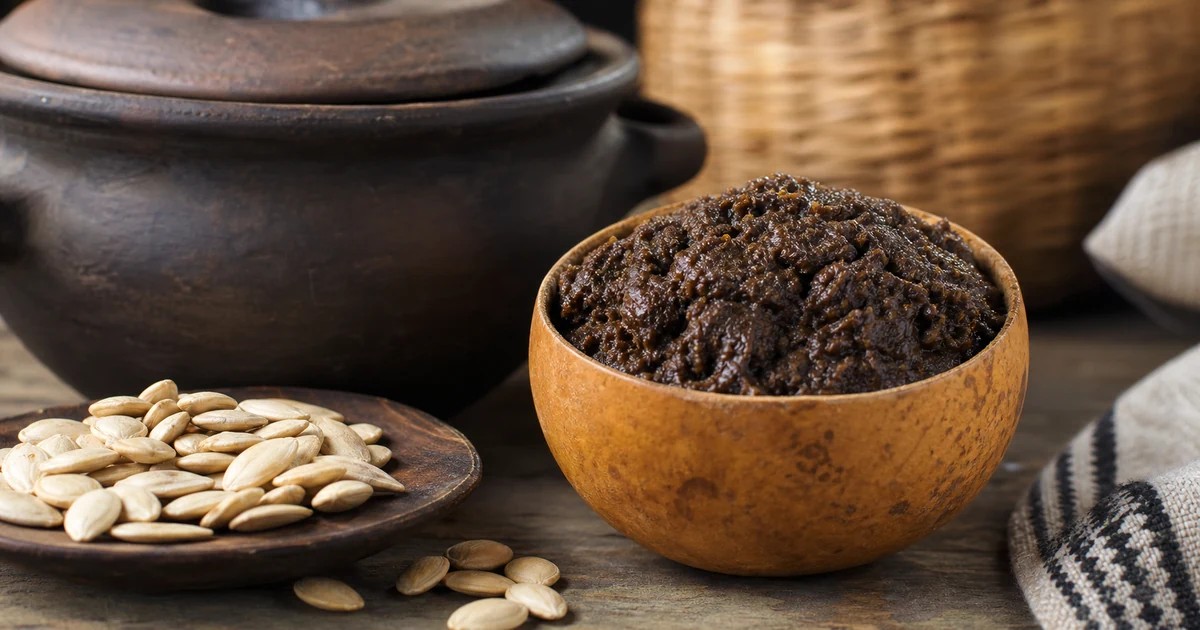
Ogiri, iru, soumbala, and sufu turn seeds or soybean curd into powerful condiments through region-specific microbial processes and skilled household production.
 ingredients
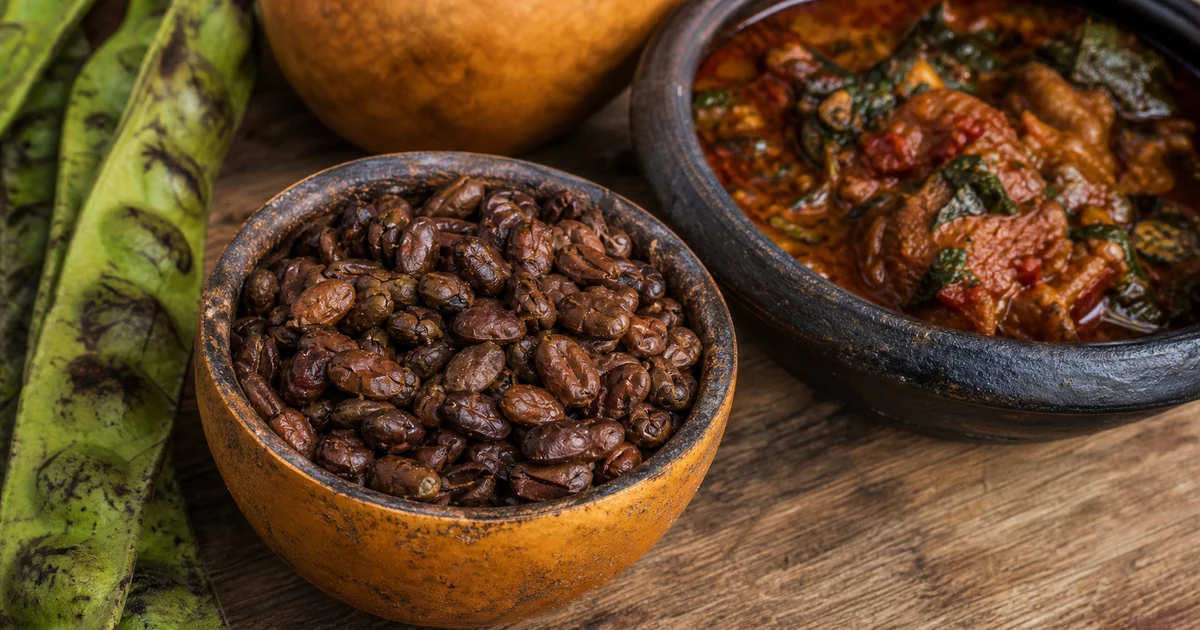
Ogiri
How melon, sesame, castor, microbial fermentation, women’s market labor, and regional names created an aromatic seasoning family
 ingredients
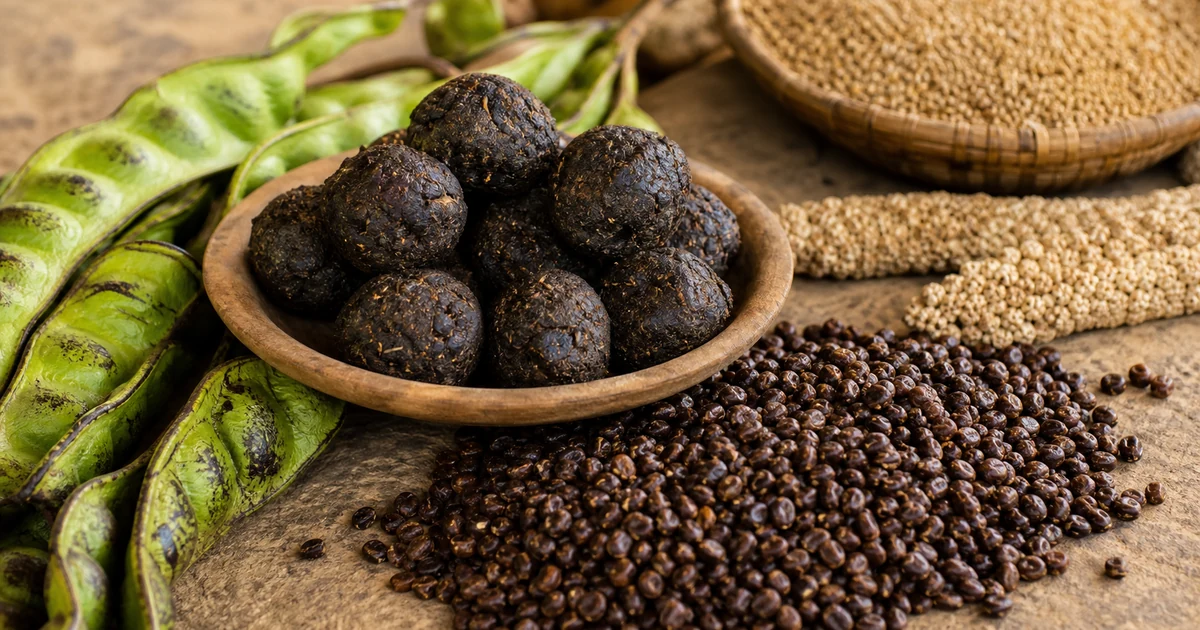
Iru
How Parkia trees, long boiling, alkaline fermentation, women’s trade, soups, and urban food change made a seed into a powerful condiment
 ingredients
Soumbala
How Parkia trees, alkaline fermentation, women’s cooperatives, regional trade, and soup culture created West Africa’s concentrated seasoning
 ingredients
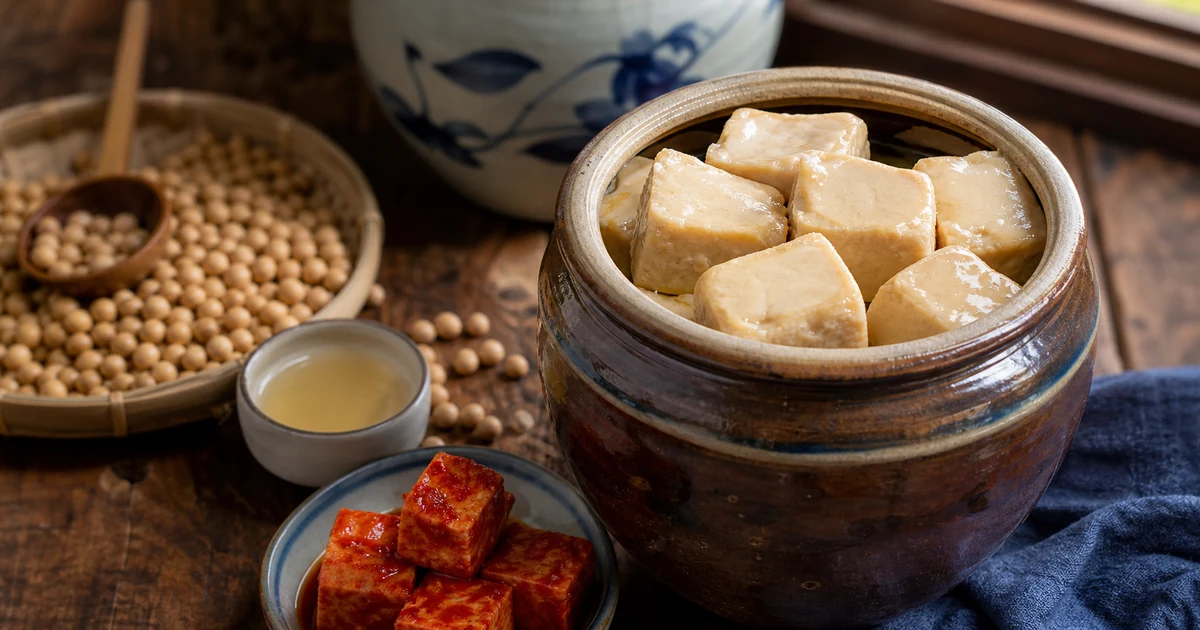
Sufu
How tofu cubes, molds, brine, rice wine, red yeast rice, regional technique, and long maturation created one of China’s most concentrated soy foods
Egg, Bran, and Fish Preservation
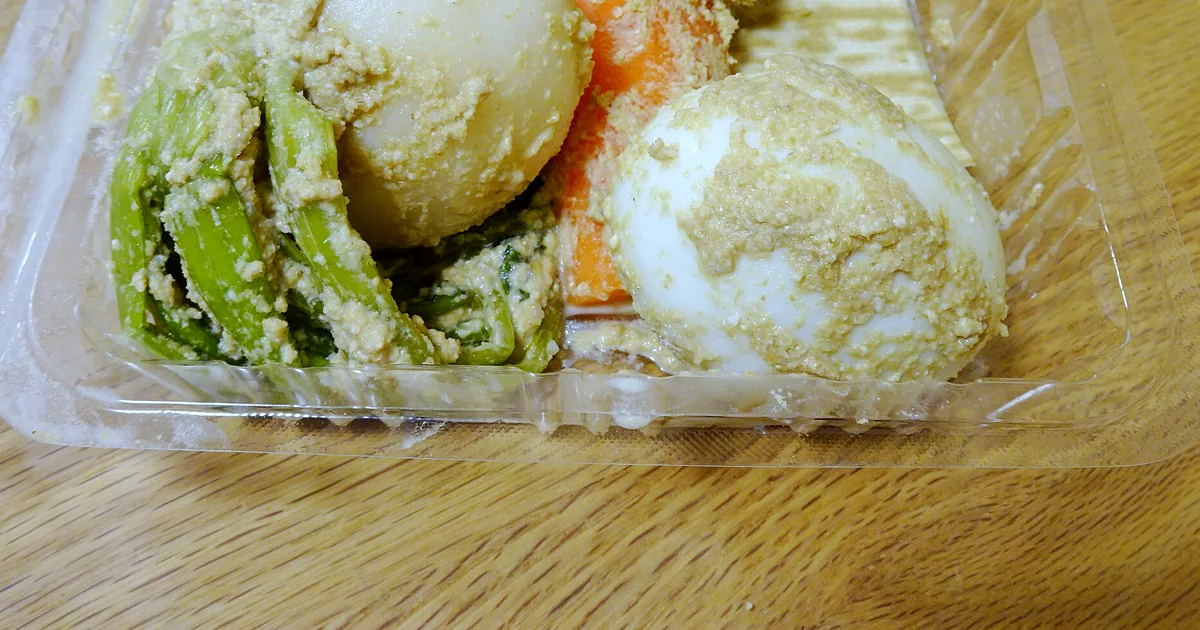
Nukazuke, narezushi, rakfisk, surströmming, pickled herring, century eggs, and salted eggs reveal why curing, acid pickling, and fermentation must be distinguished rather than treated as one process.
 ingredients
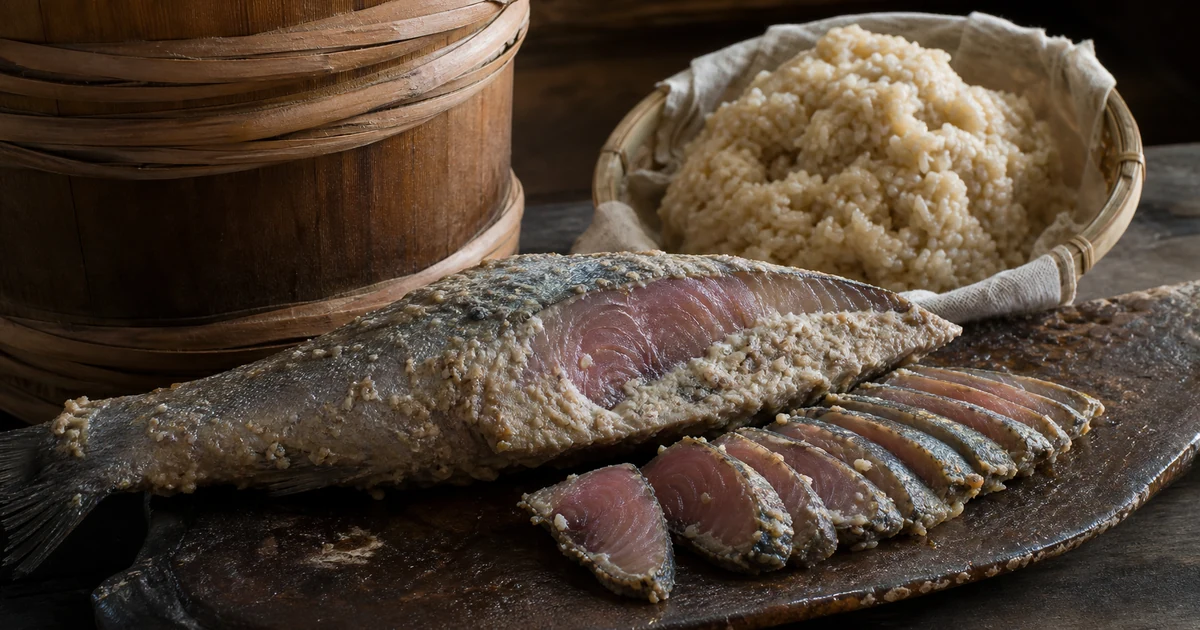
Nukazuke
How rice milling, bran, salt, lactic bacteria, daily turning, household inheritance, and food-waste thrift created a reusable fermentation ecosystem
 dishes
Narezushi
How salt, cooked rice, lactic acid, inland fish, shrine offerings, regional barrels, and shorter fermentation transformed preservation into sushi history
 dishes
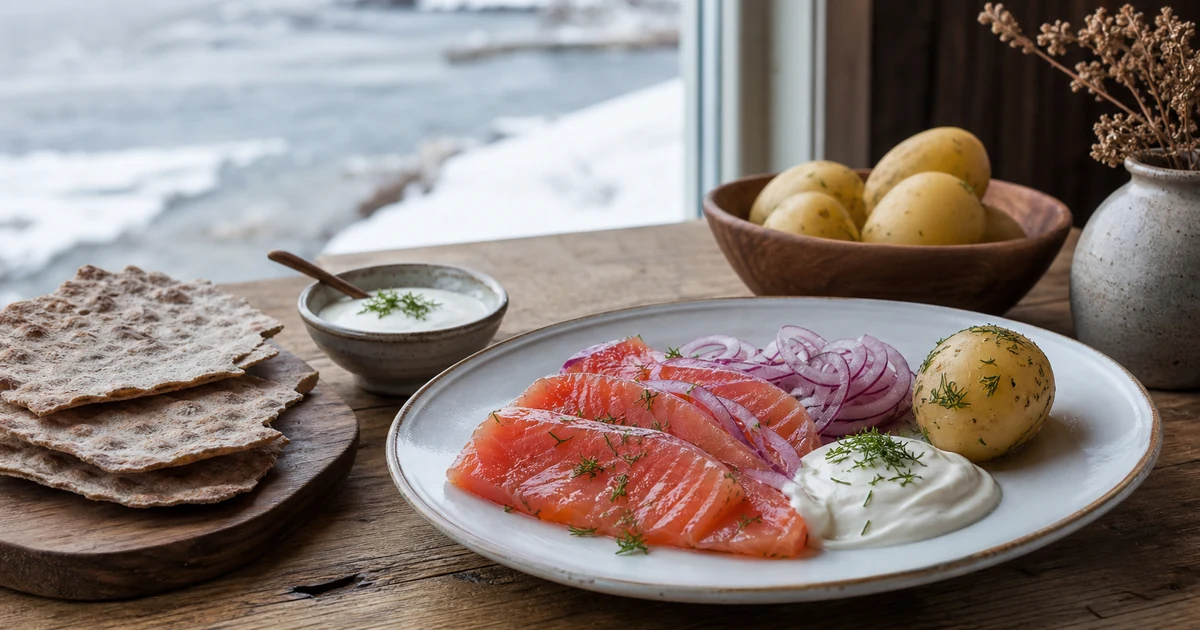
Rakfisk
How inland fish, salt, cool storage, mountain farms, Christmas markets, regulation, and sensory knowledge shaped a controlled Norwegian ferment
 dishes
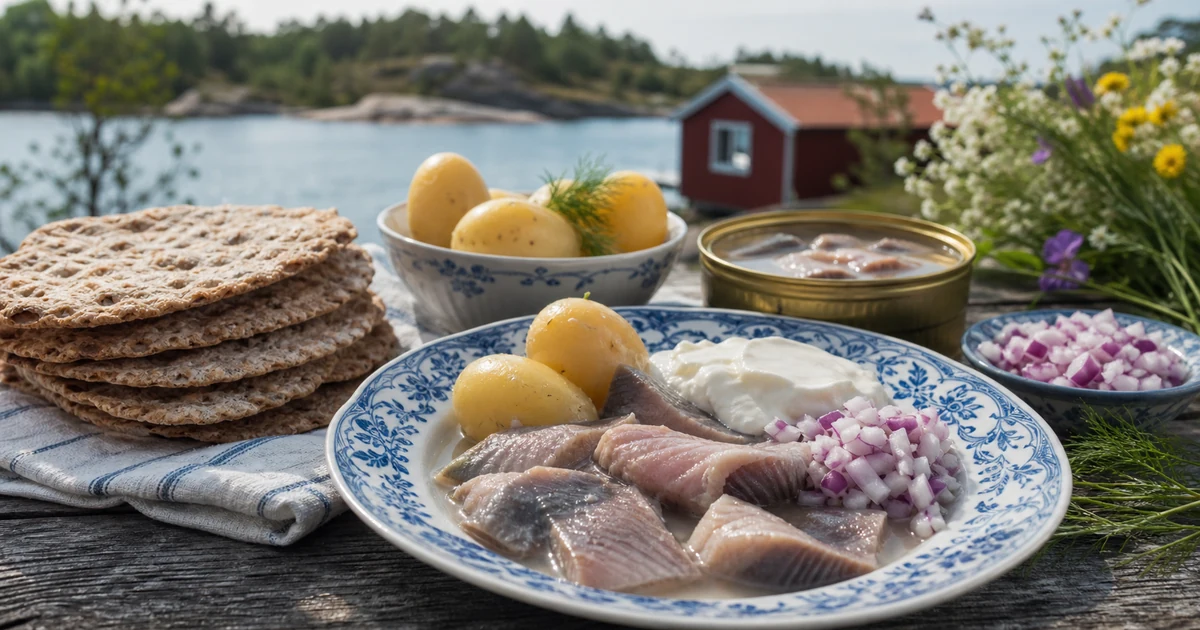
Surströmming
How spring-caught herring, restrained salt, northern coastal trade, barrel fermentation, canning, ritual opening, and internet spectacle shaped Sweden’s strongest-smelling food
 dishes
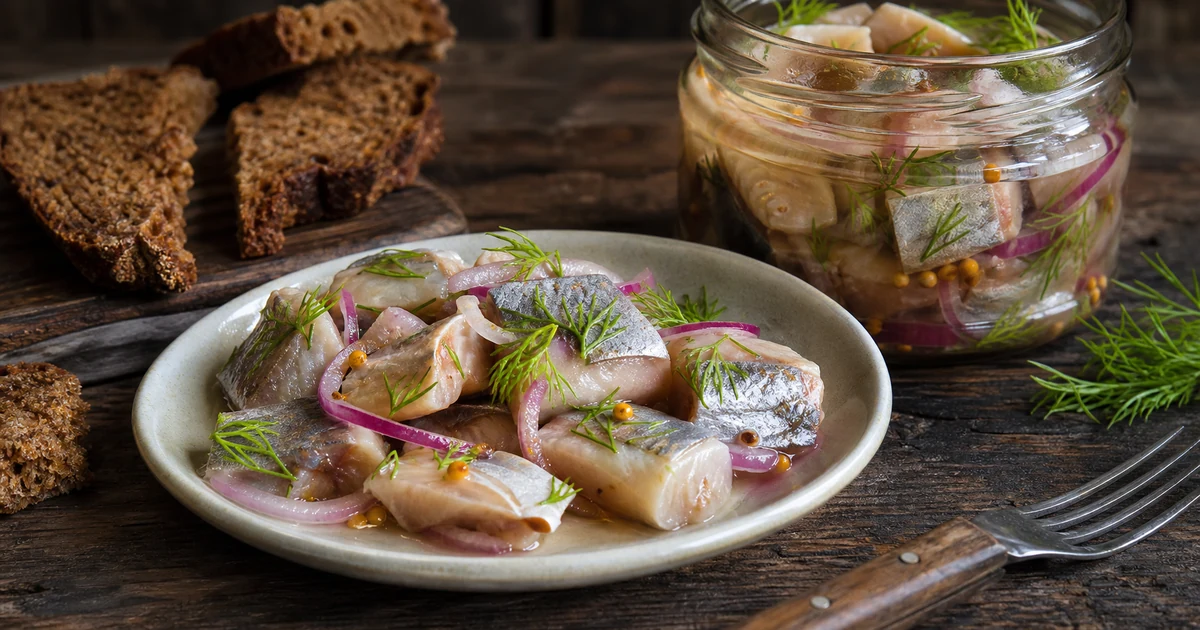
Pickled Herring
How herring runs, barrel salt, medieval commerce, vinegar marinades, Jewish foodways, Scandinavian holidays, and refrigeration shaped a preserved-fish family
 ingredients
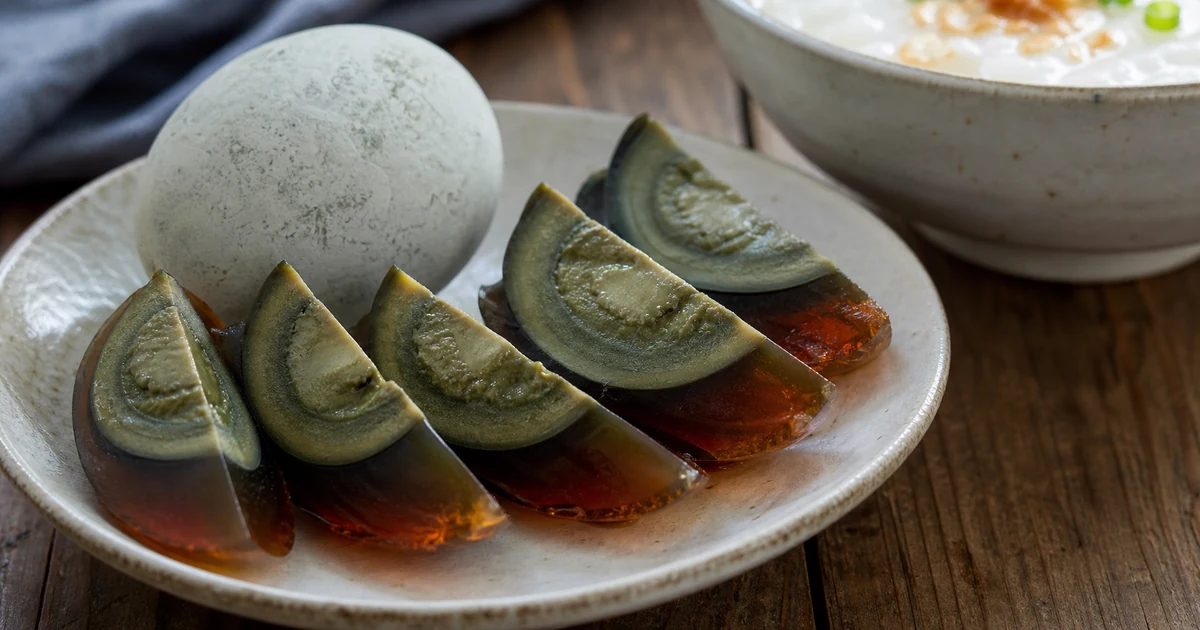
Century Egg
How salt, ash, lime, clay, alkaline chemistry, preservation, restaurant culture, and modern regulation shaped pidan
 ingredients
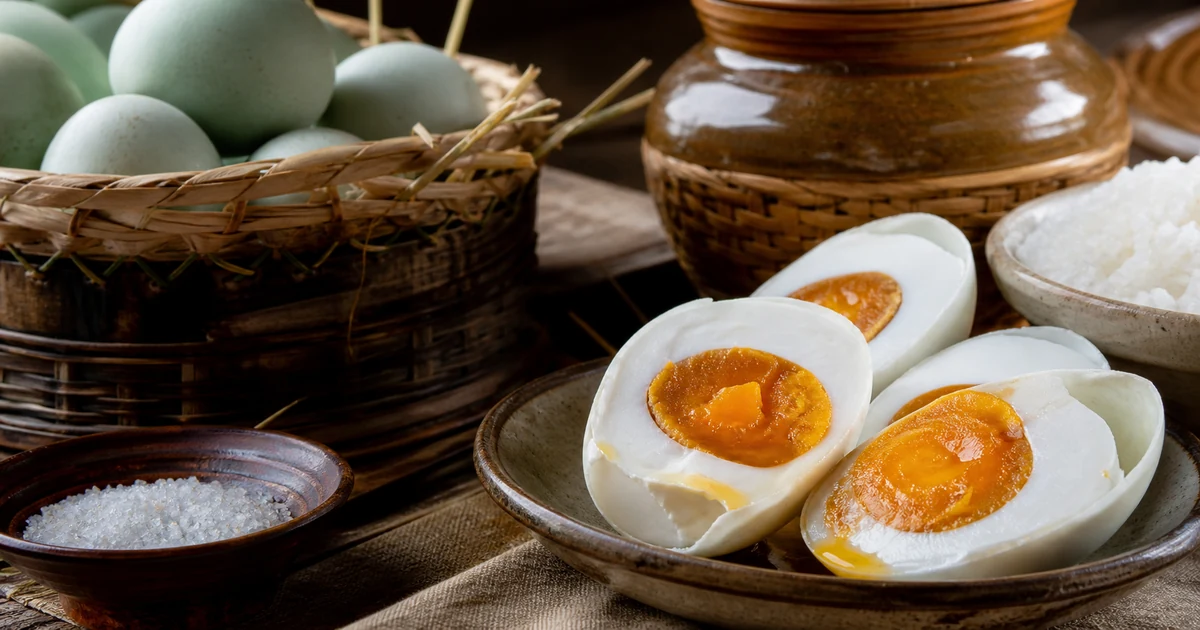
Salted Egg
How salt gradients, duck farming, household jars, mooncakes, congee, migration, and snack seasoning turned eggs into a durable luxury