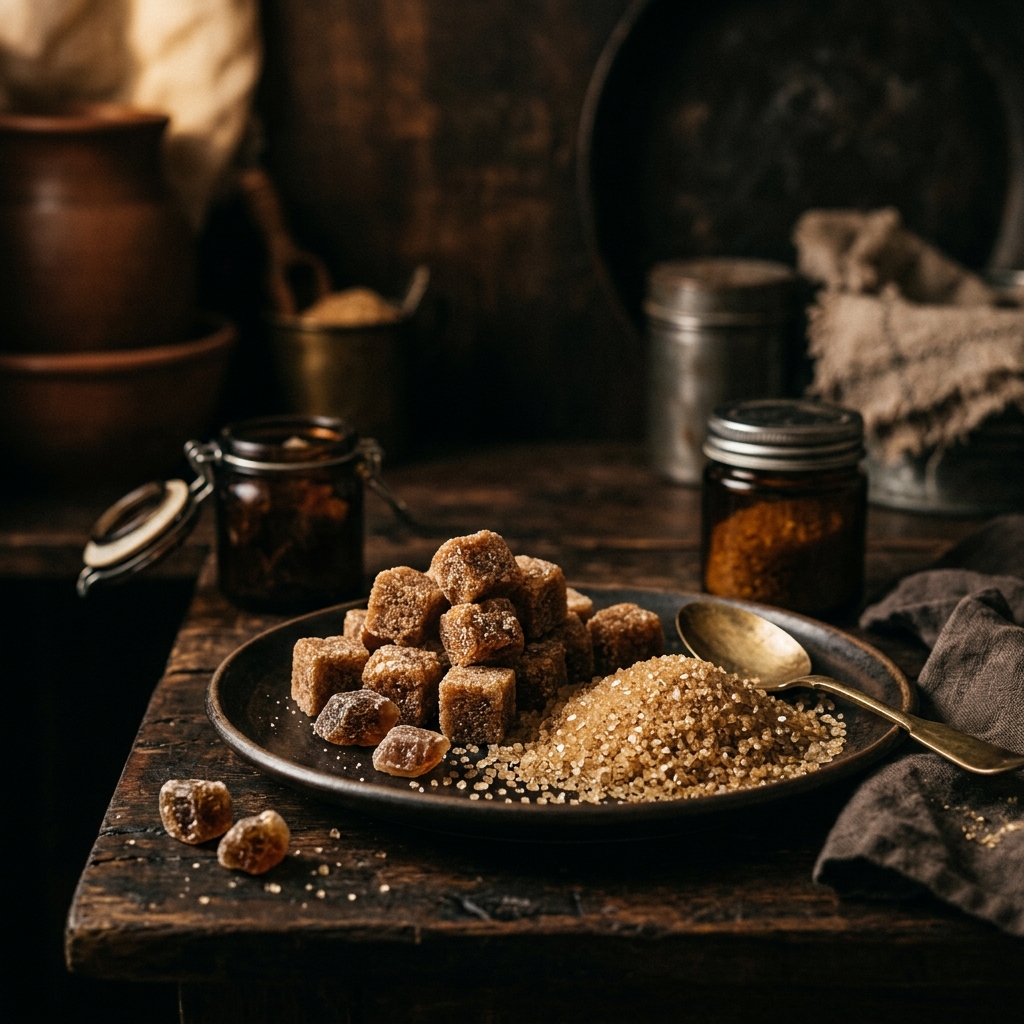
Jaggery Is the Mindful Sweetener of 2026 — Unrefined Cane With a Much Older South Asian Story
Jaggery — unrefined cane or palm sugar — is riding the 2026 mindful-sweetener wave beside dates and maple. The block is traditional South Asian sweetener, not a new wellness extract.
Jaggery (gur) is unrefined sugar made by boiling cane or palm sap into a solid block or paste, central to South Asian sweets and everyday cooking. The 2026 mindful-sweetener wave places it beside dates and maple as a "less refined" option. It is still concentrated sugar — an old agricultural sweetener, not a free pass on sweetness.
What's happening
Jaggery is showing up in 2026 "mindful sweetener" explainers next to dates, maple syrup, and coconut sugar — grated into oatmeal, melted into chai, or sold as wellness candy [1]. The marketing contrast is with white refined sugar; the culinary reality is that jaggery has always been sugar in another form.
Searches for "jaggery vs sugar" and "what is gur" track that reframing.
The history behind it
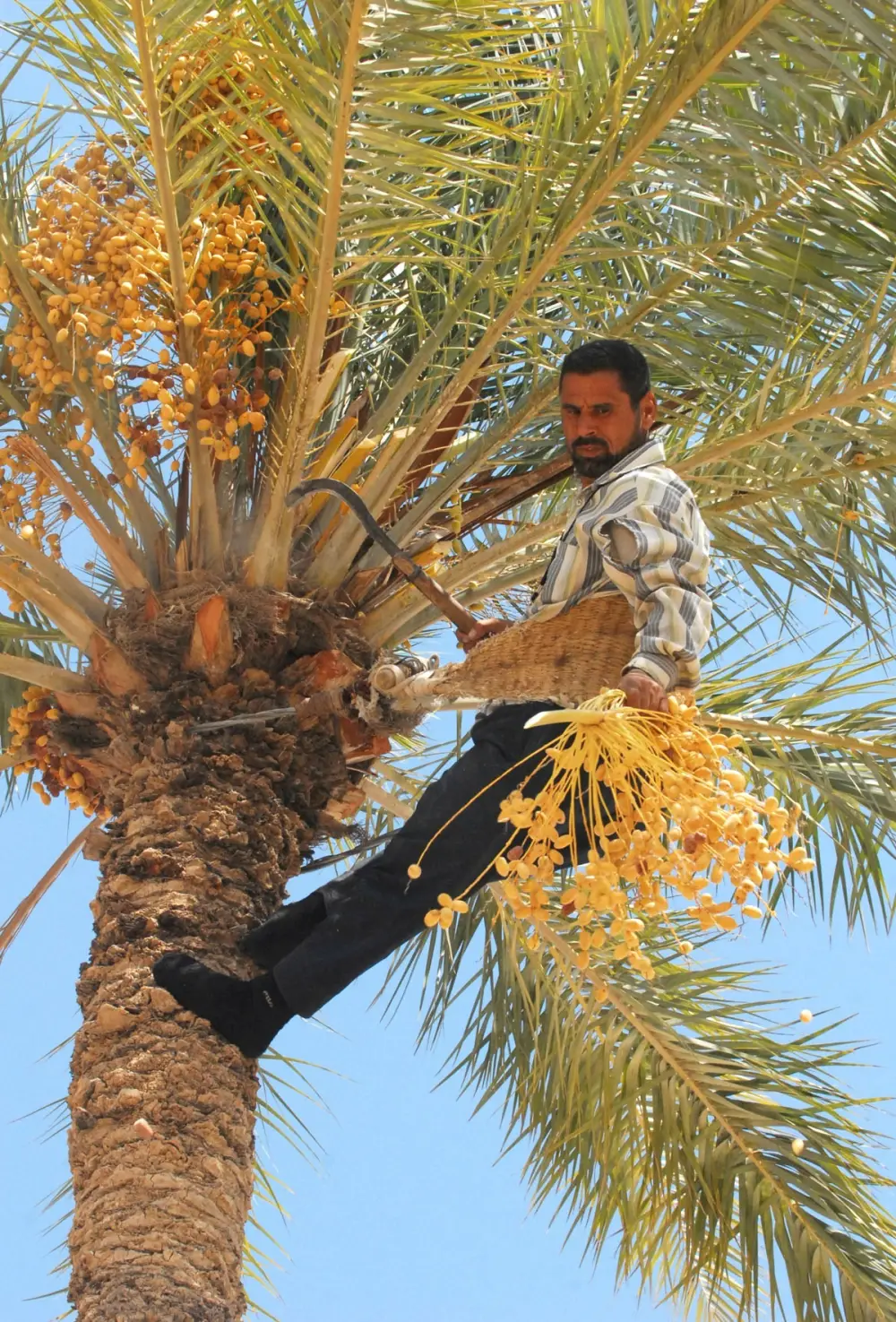
Sugarcane domestication and sugar-making spread from South and Southeast Asia into a global commodity story of plantations and refining [2][3]. Jaggery is the traditional unrefined product: cane juice (or palm sap) boiled to a thick mass and cooled into cakes, without the full refining that yields white crystal sugar [4]. Dates played a parallel role as whole-fruit concentrated sweetness in arid West Asia and North Africa [2].
So the 2026 jar of grated jaggery is a South Asian staple meeting a global less-refined aesthetic.
Why it matters
The food-history value is that "natural sweetener" trends often rediscover regional sugars that never left local kitchens. Jaggery is not calorie-free; it is cane or palm sugar with molasses character. For sugar and dates histories, see below.
How to try it
Buy cane jaggery blocks or grated gur; melt into dals, chutneys, oatmeal, or coffee for a caramel-molasses note. Palm jaggery tastes different — check the label. Use it as you would brown sugar, not as a supplement. Anyone managing blood sugar should treat jaggery like other sugars. For the commodity history of cane and the whole-fruit sweetener story of dates, read below.
📖 Read the full history
Trend Desk notes are timely. The durable history behind each trend lives in these articles and collections.
Comments
Community comments are coming soon. Check back later to join the discussion!