Kerala Cuisine Is Booming on Yelp — Coconut, Curry Leaves, and the Malabar Coast
Kerala food is a 2026 Yelp breakout: coconut-rich, curry-leaf-scented South Indian cooking from India's Malabar Coast, distinct from generic "curry" shorthand.
Kerala cuisine is a breakout in Yelp's 2026 Food & Drink Forecast: diners seeking coconut-rich, curry-leaf-scented South Indian food from India's Malabar Coast. The boom is new restaurant attention on an old regional kitchen — pepper, coconut, rice, and seafood shaped by centuries of Indian Ocean trade — not a single generic "curry."
What's happening
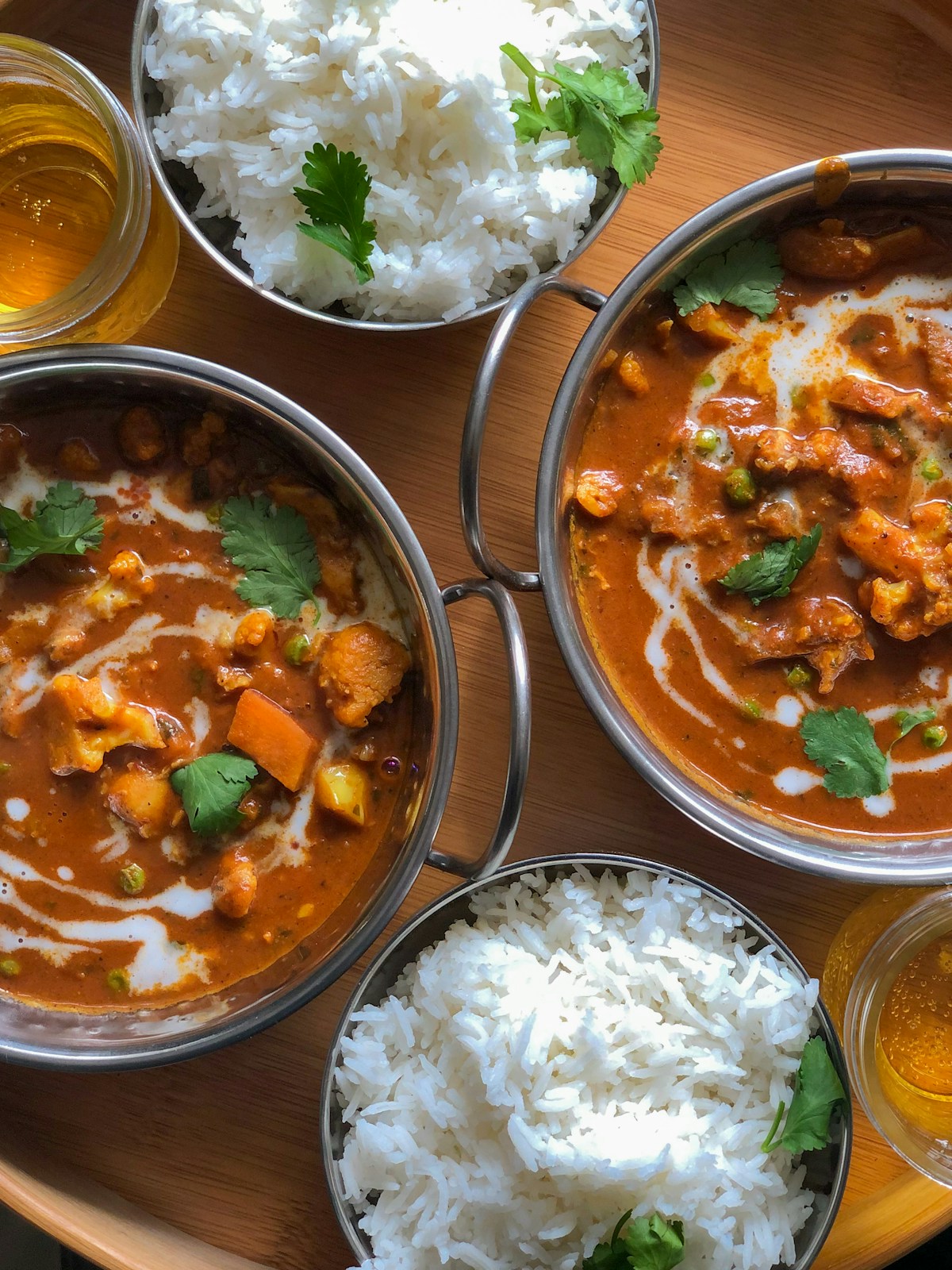
Yelp's 2026 Food & Drink Forecast flagged rising interest in Kerala and other regional Indian cuisines as diners move past one-size-fits-all "curry house" menus toward specific South Indian kitchens [1]. Searches and bookings cluster around Kerala restaurants serving fish moilee, appam, puttu, coconut-based curries, and meals scented with curry leaves and mustard seeds.
The draw is coastal and coconut-forward: lighter, tangier, and greener than many North Indian cream gravies familiar to older diaspora menus.
The history behind it
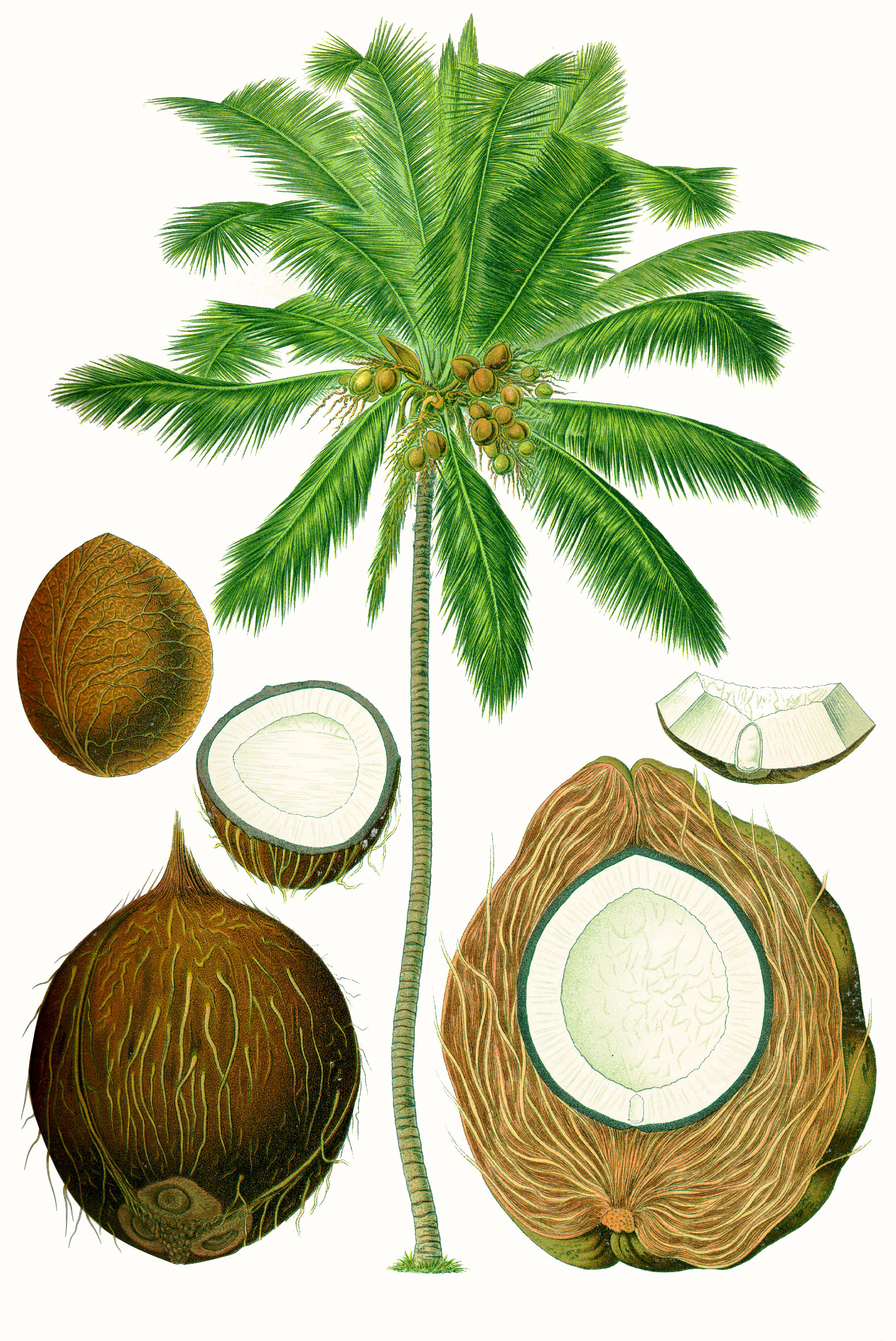
Kerala sits on the Malabar Coast, the historic "pepper coast" where black pepper grew and Indian Ocean traders — Roman, Arab, Chinese, and later European — anchored for spices [2]. Coconut palms, rice, seafood, curry leaves, mustard, tamarind, and coconut milk structure daily cooking; Syrian Christian, Muslim, Hindu, and caste-community kitchens each keep distinct repertoires under the regional umbrella [3].
"Curry" as an English catch-all never described this precisely. Kerala food is a geography: lagoons, backwaters, and spice gardens, not a single sauce.
Why it matters
The food-history value is that a Yelp boom is a naming correction as much as a trend. Diners are learning to ask for Kerala — coconut, curry leaf, Malabar heat — instead of a colonial shorthand. The ingredients behind that shift, from pepper to coconut, have their own deep histories. See curry and coconut below.
How to try it
Look for Kerala or Malabar restaurants and order something coconut-based with curry leaves — fish moilee, vegetable stew with appam, or a coconut chutney breakfast — rather than defaulting to butter chicken. At home, bloom mustard seeds and curry leaves in coconut oil, then build a quick vegetable stew with coconut milk and a squeeze of lime. Fresh curry leaves matter; dried are a weak substitute. For the deeper histories of curry as a category and coconut as a crop, read below.
📖 Read the full history
Trend Desk notes are timely. The durable history behind each trend lives in these articles and collections.
Comments
Community comments are coming soon. Check back later to join the discussion!