Prebiotic Soda Is the 2026 Fiber Drink — Built on Chicory Inulin
Prebiotic sodas sweetened or fortified with chicory-root inulin are a 2026 grocery wave, riding Whole Foods' fiber focus and the wider fibermaxxing mood.
Prebiotic soda is a 2026 grocery wave: sparkling drinks fortified with chicory-root inulin and marketed for fiber and gut support. Whole Foods named fiber a defining 2026 focus, and fibermaxxing pushed the same idea into cans. Inulin is a plant fiber long extracted from chicory; the soda format is the novelty.
What's happening
Prebiotic sodas — lightly sweet sparkling drinks dosed with chicory-root inulin or similar fibers — filled U.S. grocery coolers through 2026 as a soft-drink alternative with a gut-health pitch. Whole Foods' 2026 trends put "Focus on Fiber" near the center of the year, and Google Summergeist's fibermaxxing breakout showed the same appetite in search behavior [1][2].
The cans promise fizz without the usual soft-drink story, swapping some sugar for fermentable fiber.
The history behind it
Inulin is a fructan fiber stored in plants such as chicory, Jerusalem artichoke, and agave. Chicory root has a long European history as a coffee substitute and salad green; industrially, its inulin is extracted as a tasteless fiber ingredient for foods and drinks [3].
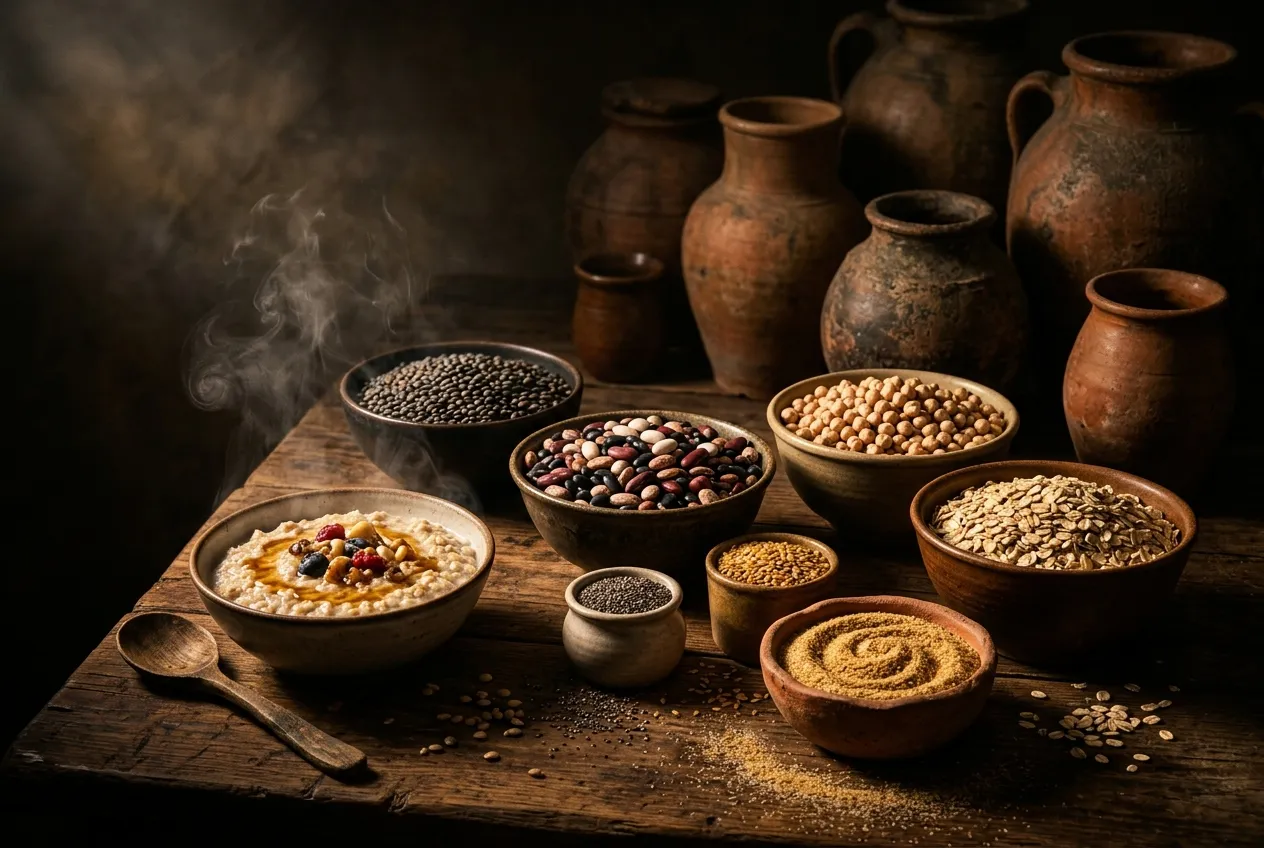
So the "prebiotic" can is new packaging for an old root chemistry. Fibermaxxing's other heroes — legumes, whole grains, seeds, psyllium — are older still as daily foods; the soda simply concentrates one purified fiber into a beverage format.
Why it matters
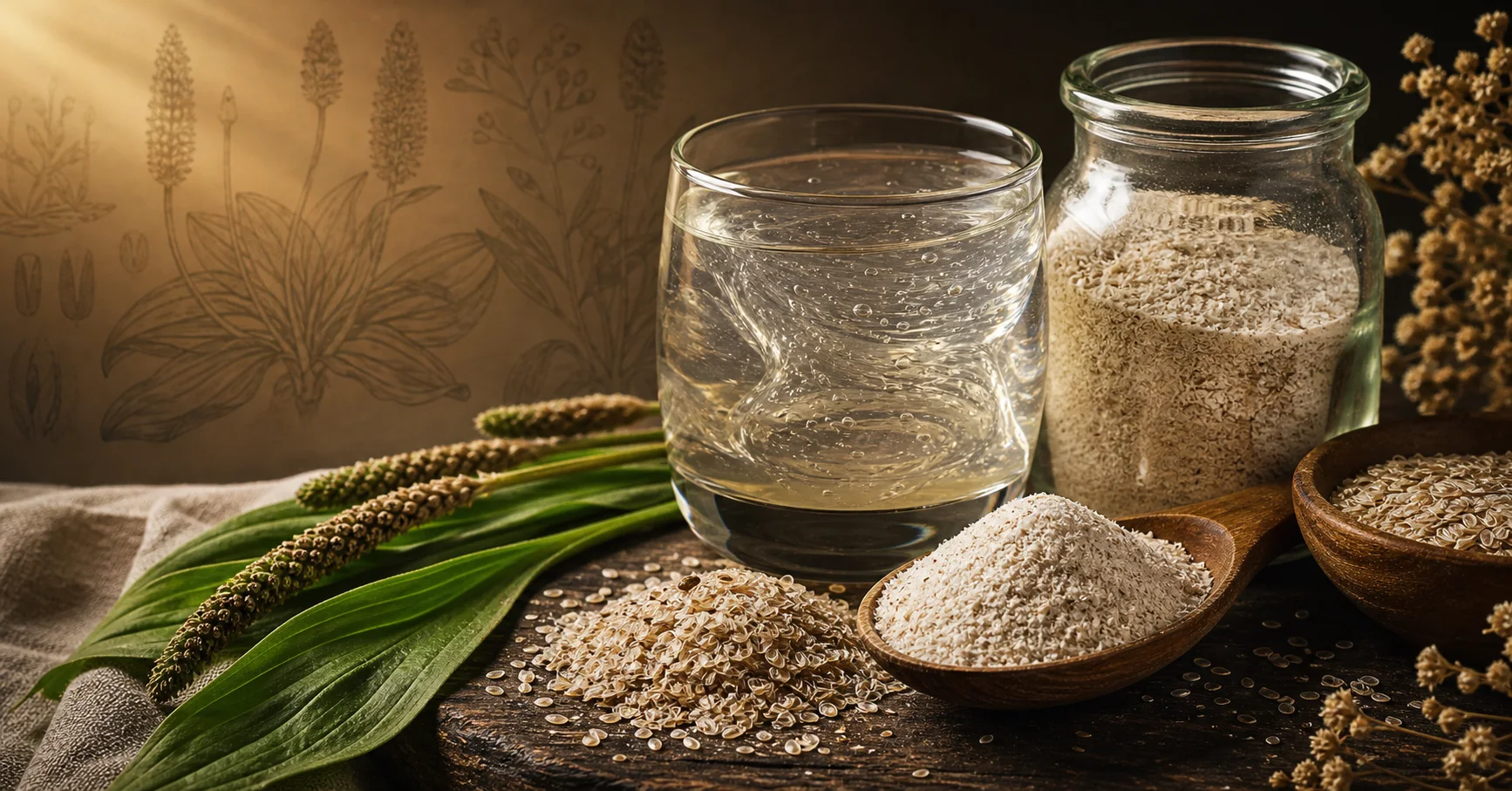
The food-history value is that a trendy can is riding a plant fiber with a coffee-substitute past, inside a broader return to counting fiber grams. Prebiotic soda is not a fermented food in the kimchi sense; it is usually a formulated drink. For fiber context, see psyllium and the fermented-foods collection below.
The bottom line
Prebiotic sodas can add inulin fiber to a day's intake, but they are not a substitute for legumes, whole grains, vegetables, and fermented foods, and large doses of inulin can cause bloating in some people. Read labels for sugar alcohols and total fiber claims. Anyone with a medical gut condition should treat marketing claims cautiously and follow clinical advice. The food-history story is simpler: chicory root fiber in a sparkling can is an old plant meeting a 2026 grocery format. For psyllium and fermented-food context, read below.
📖 Read the full history
Trend Desk notes are timely. The durable history behind each trend lives in these articles and collections.
Comments
Community comments are coming soon. Check back later to join the discussion!