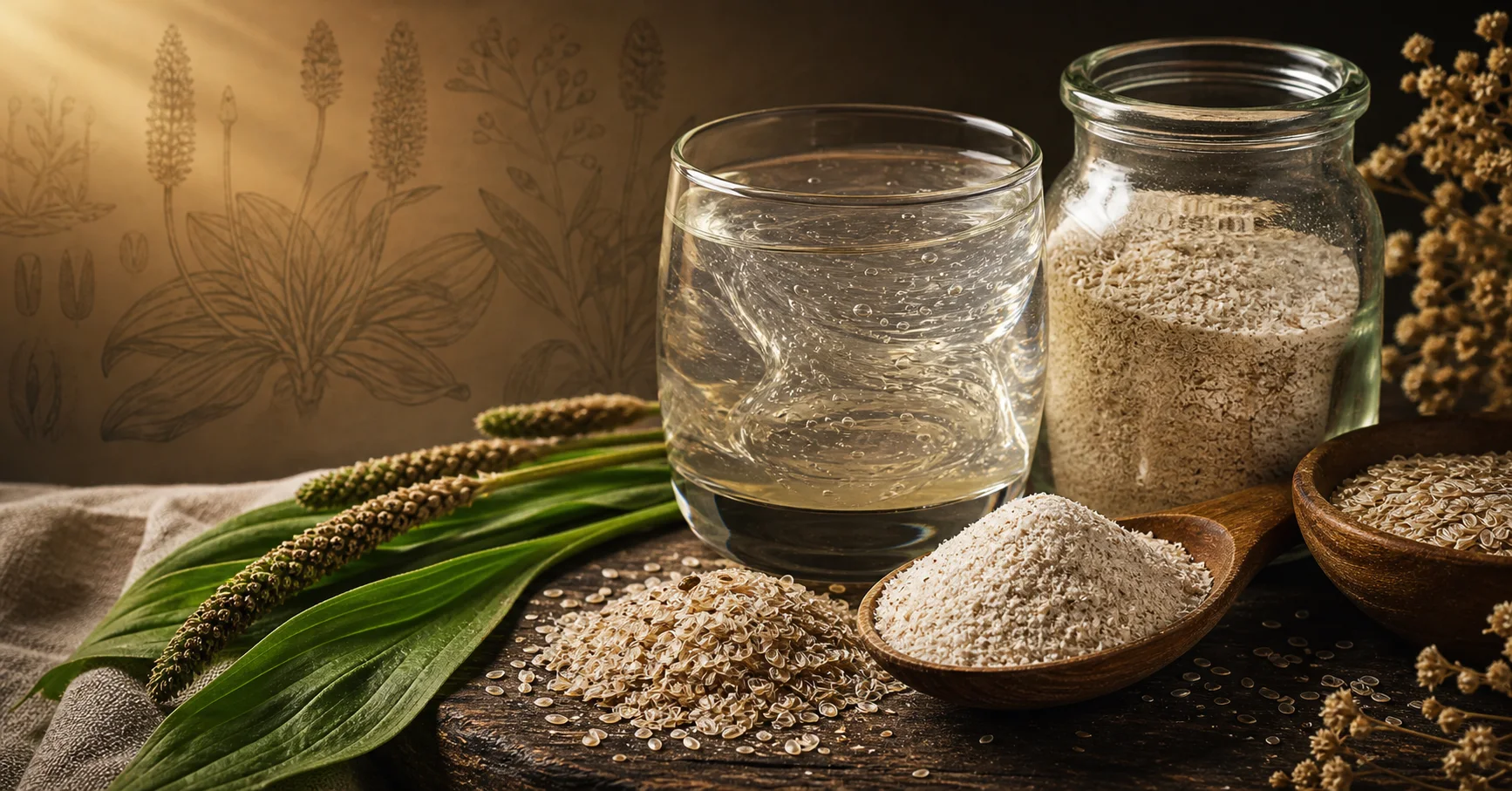
Psyllium Origin: The 3,500-Year-Old Plant Behind Fibermaxxing
Psyllium husk is the 2026 fibermaxxing jar — and a Plantago seed husk used as medicinal mucilage (isabgol) in South Asian and Mediterranean pharmacy for millennia.
Psyllium husk, the fibermaxxing supplement of 2026, is the seed husk of Plantago ovata, a plant used as medicinal mucilage in South Asian (isabgol) and Mediterranean pharmacy for thousands of years. The 2026 wellness ingredient is an old apothecary remedy now sold in powder and capsules.
What's happening
The history behind it
Psyllium is the husk of Plantago ovata seeds. The name comes from the Greek "psyllion" (flea), for the seed's flea-like shape, and the plant's mucilage was used in Mediterranean and South Asian medicine for thousands of years — in Ayurvedic and Unani pharmacy as isabgol, a soothing laxative and demulcent [3]. Industrial psyllium cultivation is concentrated in Gujarat and Rajasthan in India, which dominates world supply.
Why it matters
The food-history value is that the fibermaxxing hero is not a new food-tech invention but an old apothecary seed husk. A 2026 wellness supplement is a thousands-of-years-old medicinal plant. For the full history of psyllium, see the article below.
How to try it
Start small, about half a teaspoon of psyllium husk in a large glass of water once a day, and always drink a second glass right after. Psyllium thickens fast, so drink it immediately rather than after it gels. Ramp up gradually over a week or two, and never take it at the same time as medications, because it can slow their absorption. It is a supplement, not a meal, so pair it with the beans, oats, and lentils that do the real fiber work. For psyllium's full history, read below.
📖 Read the full history
Trend Desk notes are timely. The durable history behind each trend lives in these articles and collections.
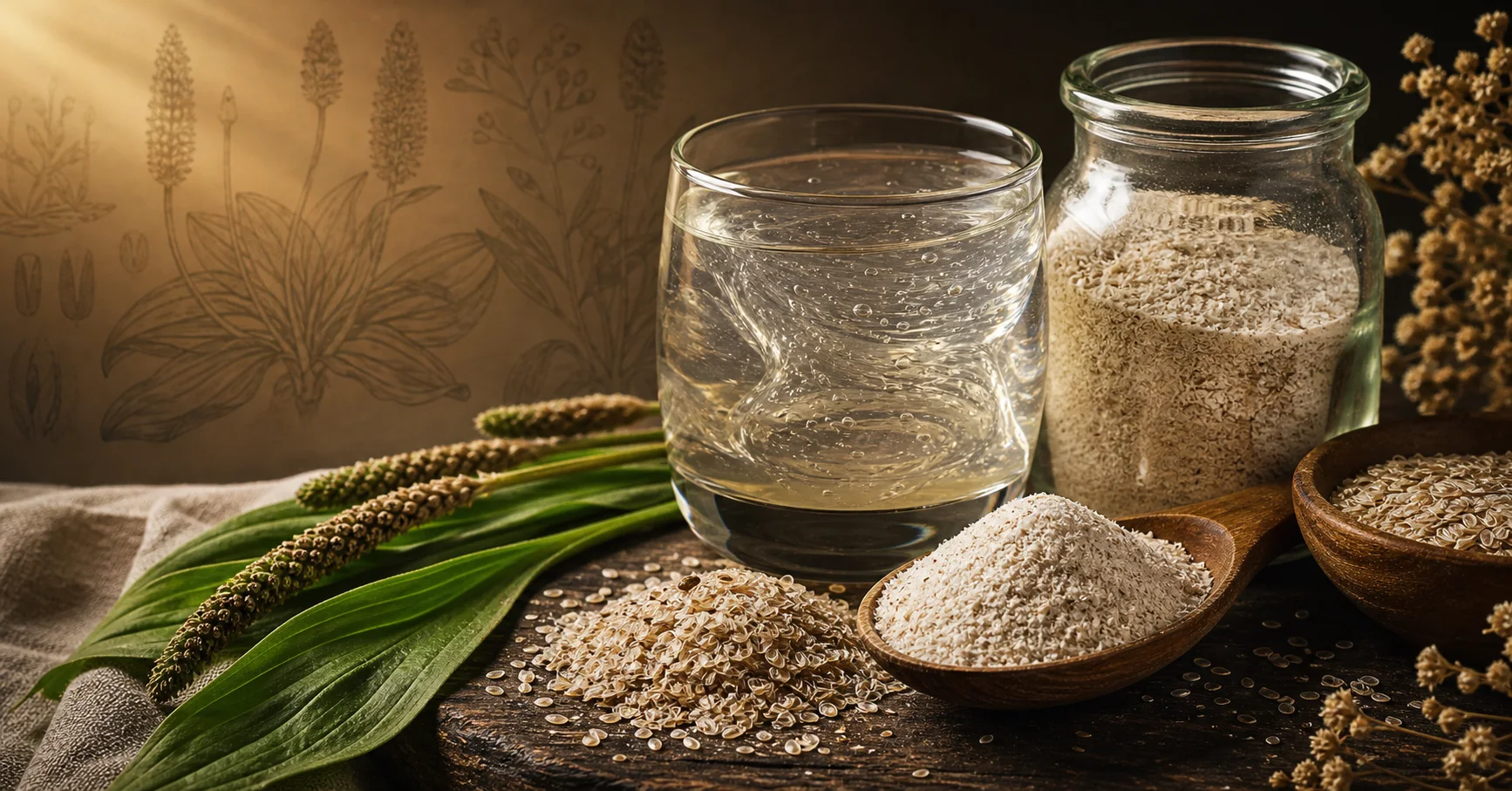
Psyllium
The tiny Plantago seed husk that moved from medicinal mucilage and pharmacy shelves into fibermaxxing, food thickening, and modern gut-health marketing

Beans
How dried legumes — from Fertile Crescent pulses to American Phaseolus — became humanity’s portable protein and fiber pantry
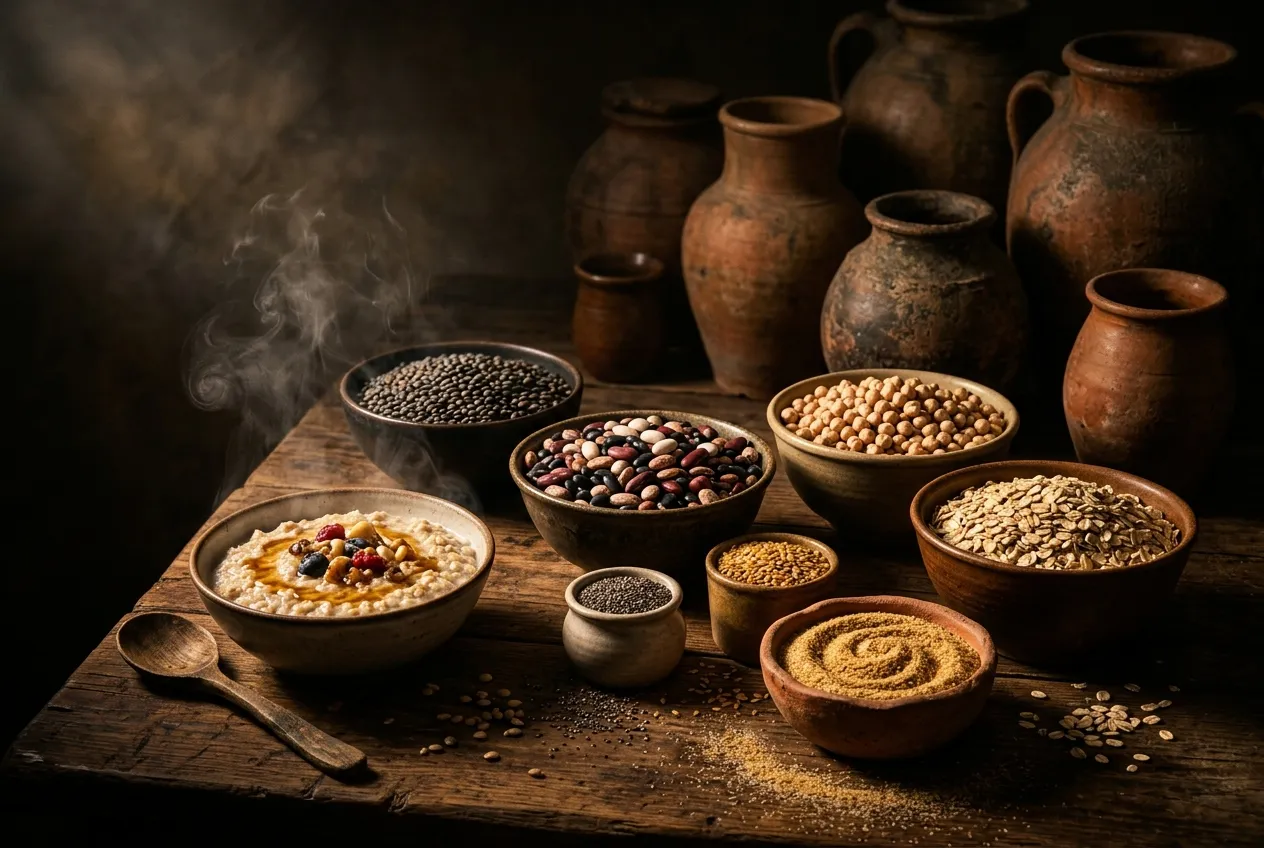
Oats
The cool-climate cereal that began as a weed among wheat and barley — then became porridge, oatcakes, oat milk, overnight oats, and a fibermaxxing staple
Comments
Community comments are coming soon. Check back later to join the discussion!