The Seed-Oil Debate Is a Culture War About 1990s Cooking Oil
The 2026 seed-oil debate is really an argument about the 1990s shift from animal fats to vegetable oils — and the McDonald's fryer change of 1990.
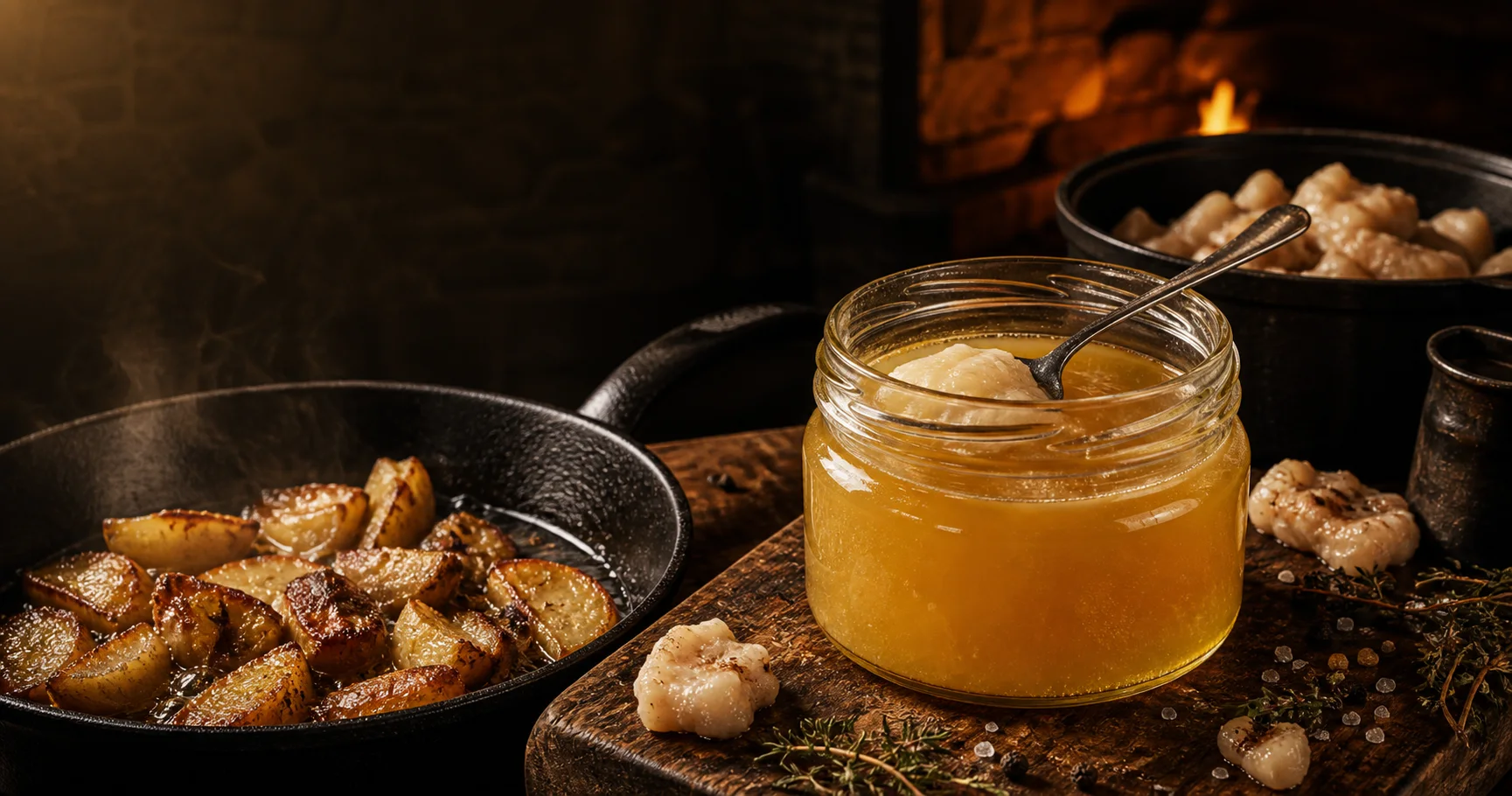
The 2026 seed-oil debate is, underneath, a culture war about the 1990s shift from animal fats to vegetable oils — anchored by McDonald's 1990 switch from beef tallow to vegetable oil for its fries. The argument is less about chemistry than about whether that 1990s shift was a health win or an industrial mistake.
What's happening
"Seed oils" — soybean, corn, canola, sunflower, cottonseed — are one of 2026's most argued-about food categories, with the MAHA movement framing them as an industrial harm and the tallow boom as the alternative [1]. The debate is loud because it is cultural, not just chemical.
The history behind it
The modern seed-oil era began with Crisco in 1911, when Procter & Gamble turned cottonseed oil into a shelf-stable shortening [2]. The big shift came in the late 20th century, as health guidance favored vegetable oils over saturated animal fats and fast-food chains followed — most famously McDonald's, which moved its fryers from beef tallow to vegetable oil in 1990 [3]. The 2026 backlash is a re-litigation of that 1990s decision.
Why it matters
The food-history value is that the seed-oil debate is an argument about a specific 1990s cooking-oil shift, not a timeless one. A 2026 culture war is a 35-year-old fryer decision being re-argued. For the full history of beef tallow and the french-fries origin dispute, see the articles below.
The bottom line
The seed-oil debate is real but noisy. The history is clear: seed oils are a 20th-century industrial category, and the 1990s shift from animal fats to vegetable oils was a policy and industry decision now being re-litigated. The 2026 backlash is as much cultural as chemical. For individuals, the sensible move is moderation, whole-food fats where possible, and clinician guidance for specific conditions, rather than treating any single fat as a villain or a savior. For the full tallow history, read below.
📖 Read the full history
Trend Desk notes are timely. The durable history behind each trend lives in these articles and collections.
Beef Tallow
The rendered cattle fat that moved from candles, pies, pemmican, and frying vats into seed-oil backlash, nostalgia, and modern fat politics
Butter
The churned gold of pastoral civilizations
The French Fries Origin Dispute
Explore the full collection →
Comments
Community comments are coming soon. Check back later to join the discussion!