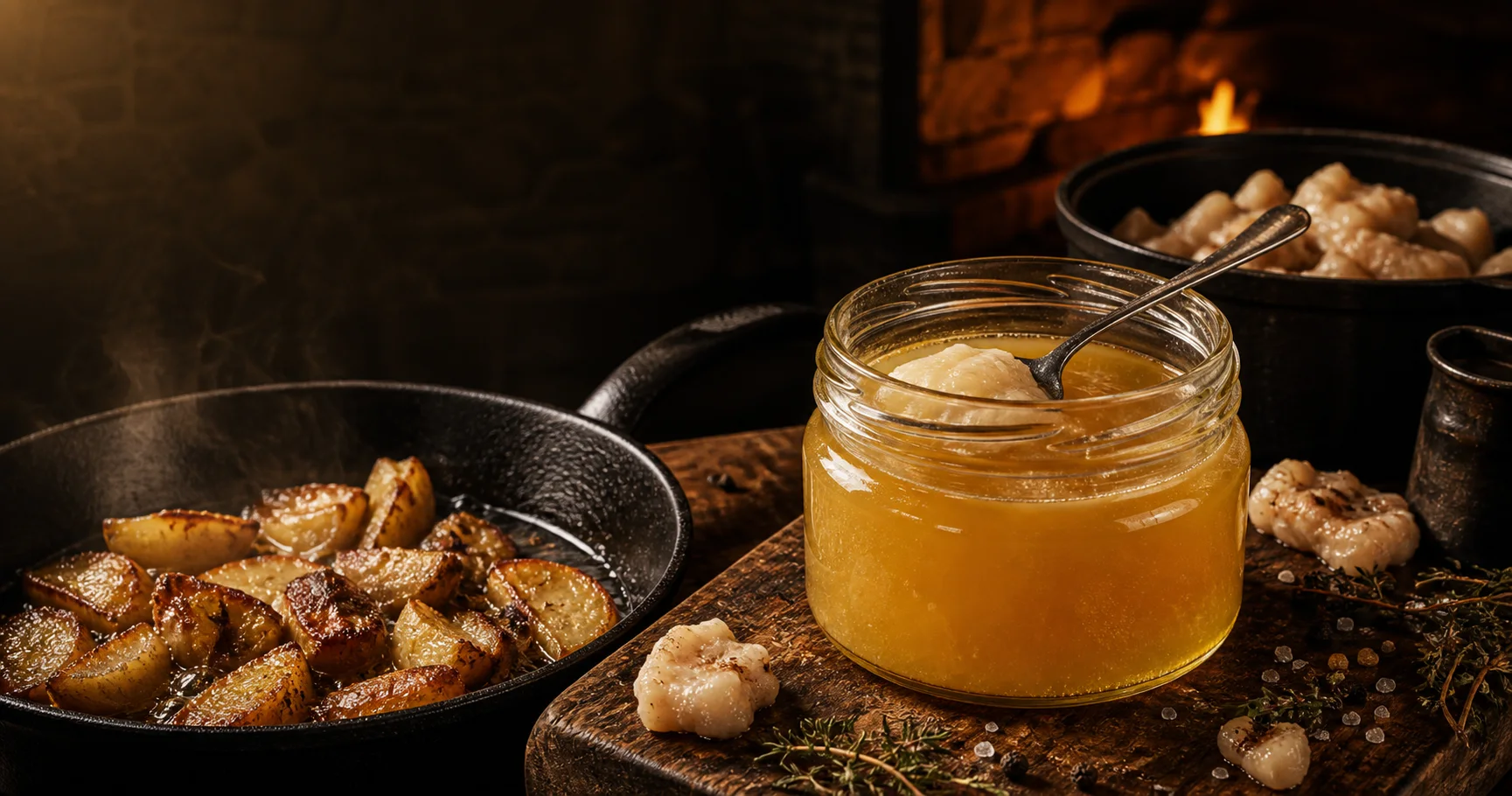
Tallow vs Seed Oil: What the 1,000-Year History Actually Says
The tallow-vs-seed-oil debate is a 2026 food culture war. The history: tallow is a 1,000-year-old rendered fat; seed oils are a 20th-century industrial invention.
The tallow-vs-seed-oil debate is a 2026 food culture war, but the history is clear: tallow is a roughly 1,000-year-old rendered animal fat used for frying and pastry, while industrial seed oils are a 20th-century invention, led by cottonseed oil crystallized into Crisco in 1911. The 2026 "return to tallow" is a return to a pre-industrial fat, not a new discovery.
What's happening
The history behind it
Tallow is rendered beef or kidney fat, used for frying, pastry, soap and candles for centuries — solid, stable, energy-dense [3]. Industrial seed oils are far newer: cottonseed oil was a waste product of the cotton industry until Procter & Gamble crystallized it into Crisco in 1911, the first commercial shortening. Soybean, corn and canola oils followed through the 20th century, and McDonald's shifted its fryers from tallow to vegetable oil in 1990.
Why it matters
The food-history value is that the 2026 debate is between a millennia-old fat and a century-old industrial one. A "return to tallow" is a return to a pre-industrial cooking fat, framed as a health discovery. For the full history of beef tallow, see the article below.
The bottom line
Historically, the choice is not between a good ancient fat and a bad modern one. It is between a millennia-old animal fat and a century-old industrial one, each used differently. Tallow is stable, flavorful, and traditional for frying; seed oils are cheap, neutral, and built for scale. The 2026 debate is partly chemistry and partly a culture war over a 1990s shift. Anyone with a specific health condition should follow their clinician, not a trend. For the full tallow history, read below.
📖 Read the full history
Trend Desk notes are timely. The durable history behind each trend lives in these articles and collections.
Beef Tallow
The rendered cattle fat that moved from candles, pies, pemmican, and frying vats into seed-oil backlash, nostalgia, and modern fat politics
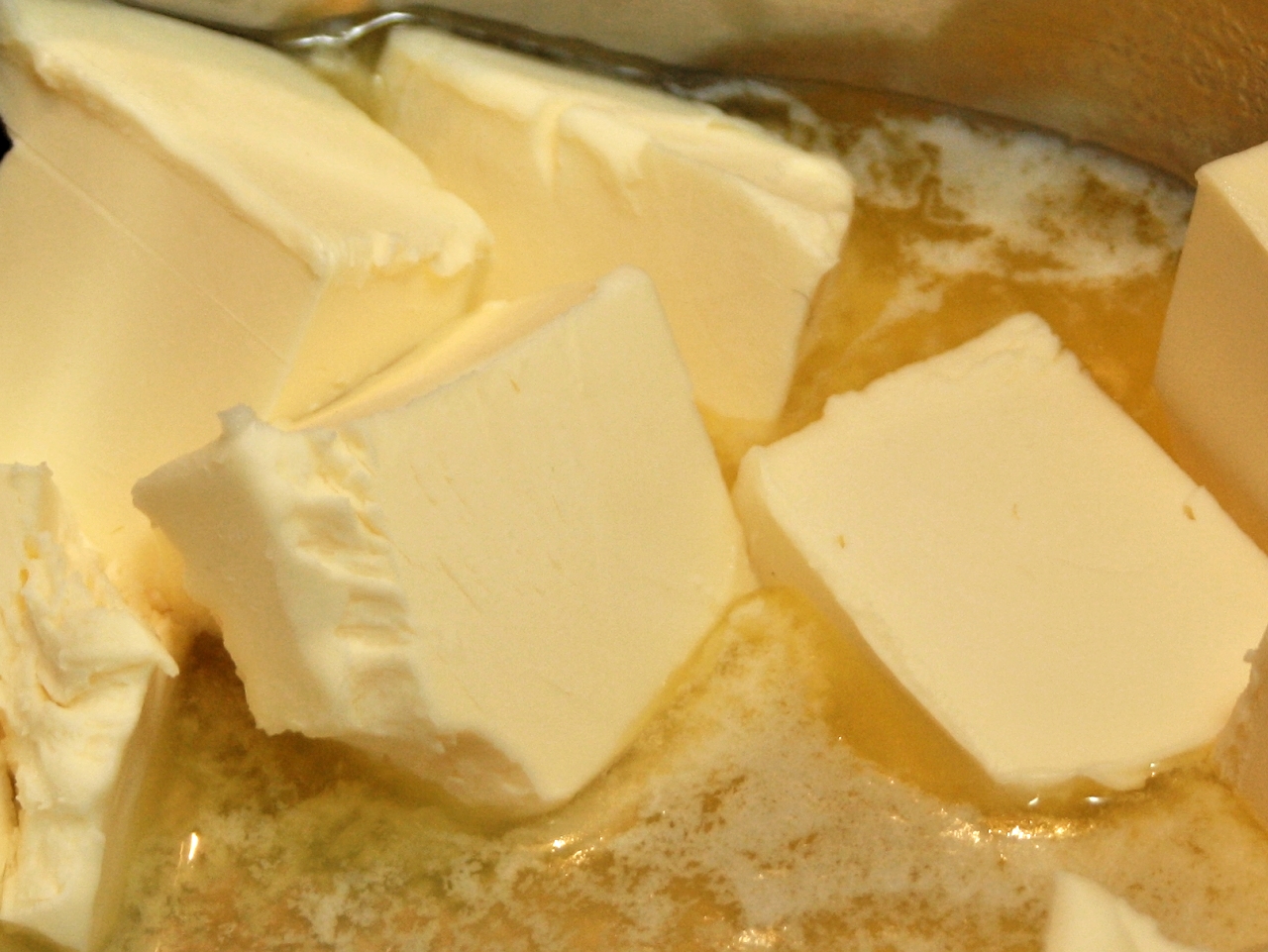
Butter
The churned gold of pastoral civilizations
The French Fries Origin Dispute
Explore the full collection →
Comments
Community comments are coming soon. Check back later to join the discussion!