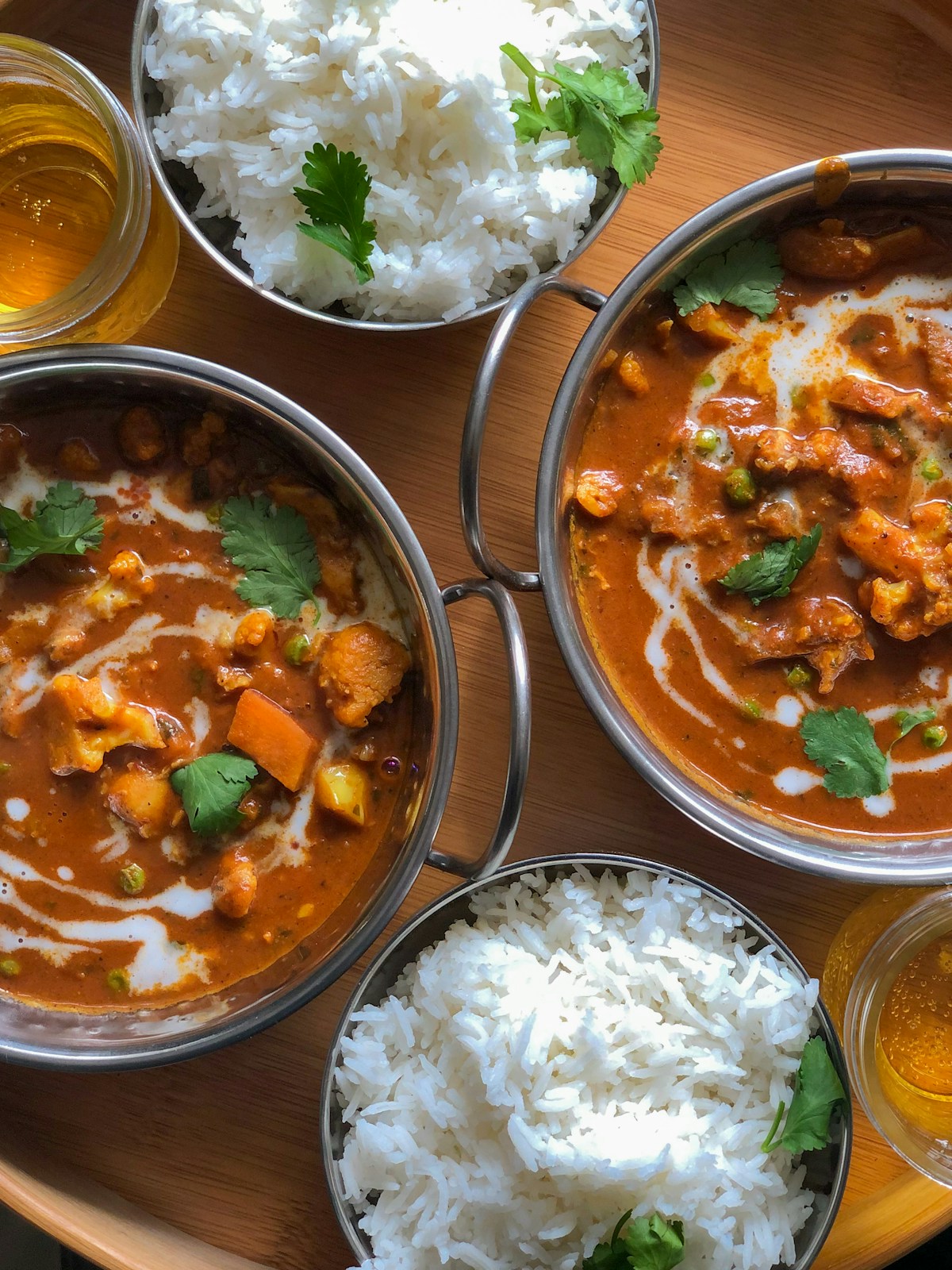
What Is Chaat? The Sour-Spicy Street Snack Breaking Into U.S. Menus
Chaat is not one dish — it is a family of tangy, crunchy, yogurt-and-chickpea street snacks. U.S. menus are finally treating it as a category, not a single plate.
Chaat is a family of South Asian street snacks built on contrast: crunch against soft legumes, cool yogurt against chili heat, and sour-salty chaat masala over everything. It is not one recipe. U.S. restaurants and cafes are finally listing chaat as a category — and searchers are asking what the word actually means.
What's happening
U.S. menus and food press are treating chaat as a breakout street-snack category in 2026 — papdi chaat, samosa chaat, bhel-adjacent plates — rather than a single mysterious appetizer [1]. Searches for "what is chaat" rise with every new listing that assumes diners already know the word.
The boom is category literacy: diners want the grammar of crunch, chickpea, yogurt, and chaat masala.
The history behind it
Chaat (from Hindi/Urdu roots tied to "to lick" or savor) names a family of savory snacks associated especially with North Indian and wider South Asian street food: fried dough or crisps, boiled chickpeas or potatoes, yogurt, chutneys, and a sour-spicy spice blend (chaat masala) often featuring amchoor and black salt [2][3]. Regional cities claim signature plates; the shared logic is contrast and immediacy.
It is street food as composition, not a single ancestral stew.
Why it matters
The food-history value is that chaat teaches a flavor system — sour, spicy, creamy, crunchy — that Western menus long flattened into "Indian appetizer." Naming the category correctly funnels curious eaters toward chickpea and yogurt traditions that built it. See those histories below.
How to try it
Order a composed chaat rather than a single fried item: look for yogurt, chutney, chickpeas or potatoes, and something crisp. Eat it soon after it is assembled so the crunch survives. If a shop offers chaat masala on the side, a pinch is the sour-salty signature. For the ingredients behind the plate, read the chickpea and yogurt histories below.
📖 Read the full history
Trend Desk notes are timely. The durable history behind each trend lives in these articles and collections.
Comments
Community comments are coming soon. Check back later to join the discussion!